






Executive Overview
Nestled amidst the sweeping, rugged grandeur of the Ozark Mountains in northwestern Arkansas, the quiet community of Gentry stands as a masterclass in small-town appeal. While competing locales frequently lay claim to the title of the definitive "Gateway to the Ozarks," Gentry—situated in Benton County—quietly commands its own distinct portal into the region’s wilderness, state parks, and tranquil waterways. Home to a population of approximately 4,000 residents at the time of writing, this municipality successfully preserves a tight-knit, rural, and family-friendly atmosphere that is increasingly difficult to find in rapidly developing regions.
Despite its pastoral charm, Gentry is far from isolated. Positioned precisely at the intersection of State Highways 59 and 12, the town serves as a convenient nexus for travelers, sitting equidistant—roughly 100 miles—between the bustling cultural hubs of Tulsa, Oklahoma, and Branson, Missouri. For those arriving from further afield, the Northwest Arkansas National Airport (XNA) lies a mere 15-minute drive away.
This comprehensive report examines Gentry’s rich architectural history, burgeoning local economy, outdoor recreation opportunities, and its unique positioning as an emerging destination for travelers seeking an authentic Ozark experience. Through an analysis of historical milestones, municipal metrics, tourism trends, and local stakeholder perspectives, this piece provides an authoritative guide to understanding how Gentry balances its deep-rooted heritage with modern tourism appeal.
Detailed Chronology: From Frontier Settlement to Modern Ozark Enclave
To truly understand Gentry’s current character, one must trace its evolution through the decades. The town’s history is inextricably linked to the broader development of Benton County and the expansion of the American rail system, which transformed quiet agrarian pockets into thriving commercial nodes.
The Turn of the Century and Architectural Foundations
The early 20th century marked a period of robust development for Gentry, a legacy visibly stamped onto the brick-and-mortar architecture of its historic downtown district. Unlike many contemporary developments that favor sprawling strip malls, Gentry’s commercial center retains an old-fashioned streetscape defined by classic red-brick buildings.
Among these enduring structures is the historic Bank of Gentry building, erected in 1904. Serving as an architectural anchor for the early settlement, the building reflects the neoclassical and vernacular commercial styles popular during the Ozark region’s agrarian boom. A few decades later, the Carpenter Building joined the downtown landscape in the late 1920s, further solidifying Main Street as a commercial hub for local farmers, merchants, and families. Today, these buildings serve as physical reminders of a bygone era, offering visitors a tactile connection to the past as they stroll past modern boutiques housed within century-old walls.
Industrial and Regional Transitions
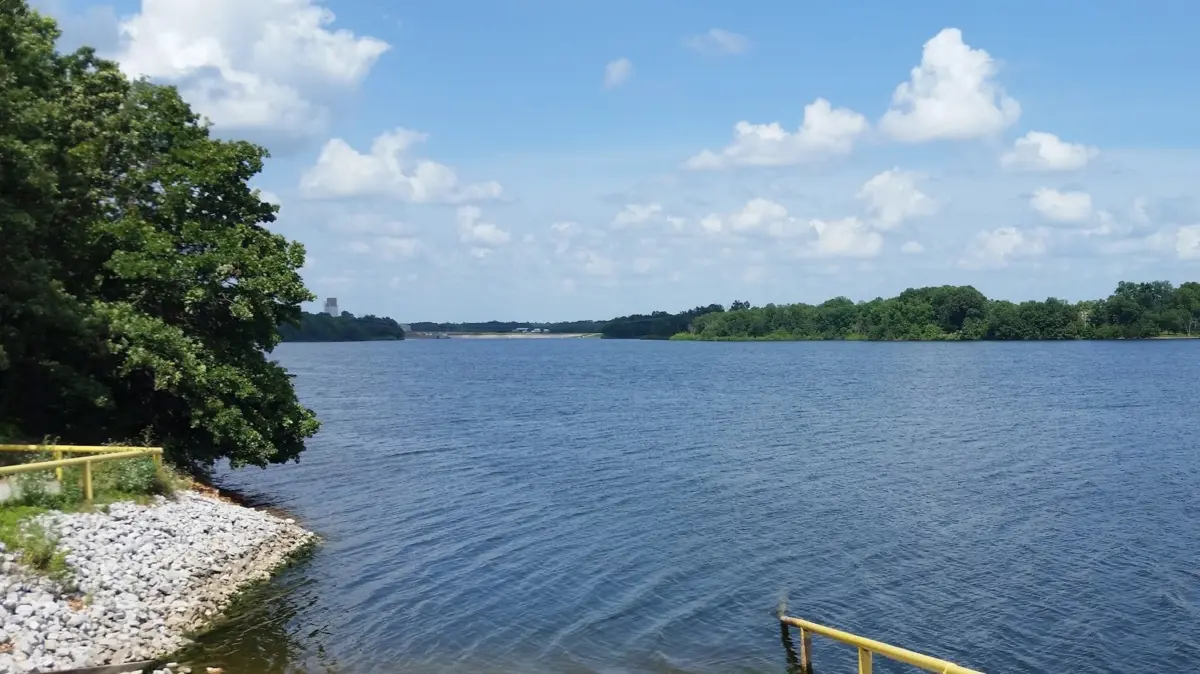
Through the mid-20th century, Gentry evolved alongside the broader infrastructural changes of northern Arkansas. The establishment of regional power generation and water infrastructure projects in the 1970s—most notably the Flint Creek Power Plant and its accompanying cooling reservoir, Lake Flint Creek (commonly referred to as SWEPCO Lake)—introduced industrial utility to the area. Simultaneously, the region preserved its ecological treasures, eventually balancing industrial presence with the conservation of surrounding natural habitats like the Flint Creek Nature Area.
In recent years, Gentry has transitioned from a purely agricultural and industrial satellite into an appealing destination for cultural heritage tourism and outdoor recreation. While neighboring cities in Benton County—such as Bentonville and Rogers—have experienced exponential, tech-driven urbanization, Gentry has intentionally protected its low-density, high-charm identity, making it a favored retreat for those seeking respite from metropolitan congestion.
Supporting Context & Metrics: Demographics, Geography, and Tourism Economics
Geographic and Demographic Metrics
- Geographic Location: Situated in northwestern Arkansas’s Benton County, positioned at the junction of State Highways 59 and 12.
- Population: Approximately 4,000 residents, maintaining a low-density, community-focused demographic profile.
- Proximity Hubs: Approximately 100 miles equidistant from Tulsa, Oklahoma, and Branson, Missouri.
- Aviation Access: Located roughly 15 minutes from the Northwest Arkansas National Airport (XNA).
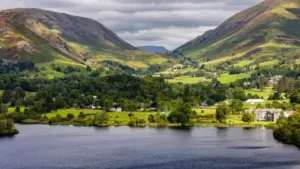
- Regional Setting: Surrounded by the oak-hickory woods, limestone bluffs, and winding rivers characteristic of the Ozark Mountain range, which spans northern Arkansas, southern Missouri, eastern Oklahoma, a portion of Kansas, and parts of Illinois.
The Local Economy and Retail Ecosystem
Gentry’s economic vitality relies heavily on a blend of local entrepreneurship, regional tourism, and unique niche attractions. Main Street and its surrounding blocks host a curated selection of bespoke retailers and culinary destinations that draw visitors from across Washington and Benton counties.
Key commercial contributors include:
- The Cornerstone Boutique Market: A collaborative retail space featuring local vendors offering handmade apparel, house plants, artisanal cooking products, and bespoke greeting cards.
- The Chicken Coop: A highly rated local gift and home decor boutique celebrated by shoppers for its curated merchandise and welcoming interior.
- The Little Debbie Bakery Store: One of Gentry’s premier tourist draws. As one of only five dedicated corporate bakeshops of its kind in the United States, this retail outlet attracts sweet-toothed visitors from miles around to purchase iconic snack cakes and branded merchandise.
- The Wooden Spoon: Gentry’s top-rated dining establishment on TripAdvisor, renowned for its made-from-scratch, savory country fare, warm hospitality, and historic small-town ambiance.
Lodging and Hospitality Metrics
For travelers extending their stay beyond a single afternoon, Gentry offers unique lodging that eschews cookie-cutter chain hotels in favor of historic preservation. The Apple Crest Inn, situated on the edge of town, serves as the primary boutique lodging option. Housed within a Victorian-style manor featuring six uniquely decorated rooms, the inn delivers a quintessential bed-and-breakfast experience complete with homemade morning meals. Widely praised by guests for its romantic, dollhouse-like aesthetic, the property underpins Gentry’s strategy to attract couples and weekend retreat seekers.
Official Statements and Local Perspectives
The appeal of Gentry lies not merely in its physical infrastructure or economic metrics, but in the qualitative experiences of its residents and visitors. Municipal leaders and community members consistently emphasize the town’s balance between safety, friendliness, and accessibility.
Local residents frequently characterize the municipality through the lens of community safety and generational continuity. One longtime resident noted that Gentry offers "a very small town [that has] a very country yet family-friendly atmosphere, especially down Main Street." This sentiment is echoed by business owners and municipal planners who strive to preserve the historical integrity of downtown while accommodating sustainable tourism growth.
Reviewers and culinary patrons visiting establishments like The Wooden Spoon frequently highlight the interpersonal warmth of the community. Comments left on major hospitality platforms emphasize the "charming setting," the "warm and friendly" nature of the service, and the high quality of traditional Ozark cooking.
Naturalists and outdoor enthusiasts express similar enthusiasm for Gentry’s surrounding geography. Visitors to the Flint Creek Nature Area have praised the park’s diverse ecosystem, with one documented testimonial noting: "There are long and short paths, depending on what you would like, and a ton of area to explore. The water is beautiful, and the nature is abundant." Observers frequently cite the presence of local wildlife, including white-tailed deer, turtles, and numerous bird species such as northern cardinals, dark-eyed juncos, and blue-winged teals, reinforcing Gentry’s reputation as an ecologically rich destination.
Future Outlook: Sustainable Tourism and Growth Management
As Northwest Arkansas continues to experience some of the highest population growth and economic expansion rates in the United States, communities like Gentry face unique opportunities and challenges. While neighboring Bentonville and Fayetteville rapidly urbanize, Gentry’s leadership and community stakeholders are tasked with managing future development in a manner that protects the town’s historic character and environmental assets.
Infrastructure and Accessibility Improvements
Gentry’s strategic positioning along major regional transit corridors ensures that it will remain easily accessible to tourists exploring the broader Ozark loop. Continued collaboration between municipal authorities and regional transportation boards will focus on maintaining highway infrastructure and optimizing transit links to the nearby Northwest Arkansas National Airport (XNA).
Ecotourism and Outdoor Recreation Expansion
The future of Gentry’s tourism economy is closely tied to the stewardship of its natural resources. With attractions like the Flint Creek Nature Area, Lake Flint Creek, and the proximity of Oklahoma’s Natural Falls State Park (located just a 20-minute drive away near Colcord, Oklahoma), the area is poised to capture a growing share of the ecotourism market. As travelers increasingly seek out off-the-beaten-path destinations for hiking, bird-watching, and glamping—such as the popular yurt rentals available at Natural Falls State Park—Gentry functions as an ideal basecamp.
Preserving Heritage Amid Modernization
The challenge moving forward will be to absorb increased visitor traffic without compromising the quiet, rural ambiance that defines the town. By prioritizing historic preservation—such as the continued maintenance of century-old commercial structures like the Bank of Gentry and the Carpenter Building—the town can ensure that modernization enhances, rather than erases, its architectural heritage.
Ultimately, Gentry, Arkansas, represents the enduring spirit of the Ozarks. By successfully harmonizing its rich frontier history, vibrant small-scale commerce, and pristine natural surroundings, Gentry secures its place not merely as a roadside waypoint, but as an essential, cherished destination within the American heartland.