




Executive Overview
Maritime safety regulators have published an urgent safety bulletin and comprehensive investigation report following a fatal tragedy in the harsh waters of the North Sea. The incident, which claimed the life of a crew member aboard the crab potting vessel Amadeus (TH7), underscores the persistent, high-stakes hazards associated with commercial fishing—specifically the mechanical complexities of pot hauling, the constant threat of falling overboard, and the insidious, often overlooked danger of chronic crew fatigue.
The accident occurred on December 13, 2023, in the German Bight sector of the North Sea. While operating in demanding offshore conditions, a crew member fell from the vessel into the sea, resulting in a fatality that investigators argue could have been mitigated had robust, proactive safety measures and fatigue management protocols been strictly observed. In response to the findings, maritime authorities have released a targeted safety flyer directed at commercial fishermen, vessel owners, skippers, and industry stakeholders across the globe.
This in-depth report examines the structural and operational factors that contributed to the loss of the Amadeus, explores the systemic challenges of fatigue and fall prevention within the commercial fishing sector, and outlines the critical safety lessons that regulators hope will reshape operational norms at sea. By dissecting the sequence of events and analyzing the broader implications for maritime safety, the industry is once again forced to confront the human cost of working in one of the most perilous professions in the world.

Detailed Chronology and Incident Analysis
The Setting: The German Bight
The North Sea is historically recognized as one of the world’s most challenging maritime environments. Characterized by unpredictable weather patterns, frigid water temperatures, strong tidal currents, and heavy commercial shipping traffic, operations within the German Bight demand absolute vigilance from maritime crews. On December 13, 2023, the crab potting vessel Amadeus was operating within this demanding sector, engaged in routine commercial fishing activities.
Crab and lobster potting is a relentless, physically punishing endeavor. It requires crews to repeatedly haul heavy gear from the seabed, empty catches, bait pots, and restack them on deck—often in cramped workspaces, under adverse weather conditions, and on unstable platforms subject to constant pitching and rolling.
The Fatal Sequence
While details from the formal investigation report highlight the precise mechanics of the accident, the core narrative centers on the vulnerabilities inherent in the pot hauling process. The Amadeus was actively working its string of pots when the sequence of events leading to the crew member’s fall overboard was initiated.
Pot haulers, winches, and coiling lines operate under immense tension. When a pot snags on the seabed or a line fouls, the stored energy within the hauling system can create dynamic, highly dangerous feedback loops. Furthermore, the physical layout of working decks often places crew members perilously close to open rails or unprotected deck edges.
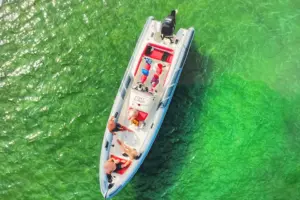
On that fateful December day, the combination of mechanical operations, deck layout, and environmental stressors culminated in a catastrophic failure of physical defenses. The crew member went overboard into the freezing waters of the North Sea. Despite immediate efforts by the remaining crew to recover their colleague, the cold-water shock, combined with the logistical hurdles of retrieving an unresponsive person from a heavy sea, resulted in a fatal outcome.
The Immediate Aftermath and Recovery
Following the man-overboard alert, emergency response protocols were initiated, and search and rescue (SAR) assets were coordinated in the German Bight. However, the survivability window for individuals falling into winter North Sea waters is measured in mere minutes. Cold-water incapacitation rapidly impairs a person’s ability to swim, hold onto rescue lines, or assist in their own recovery.
While the vessel’s crew executed initial recovery procedures, the physical toll on the remaining personnel—compounded by the shock of the incident—highlighted the secondary emergency response challenges faced by small fishing vessels operating with minimal crew sizes. The subsequent marine safety investigation was launched immediately to determine not just how the crew member fell, but why the operational conditions allowed the tragedy to occur.
Supporting Context & Metrics: The Anatomy of Fishing Vessel Hazards
The Perils of Pot Hauling
Commercial fishing consistently ranks as one of the most dangerous occupations globally. Within this sector, pot and creel fishing operations present unique mechanical hazards. The primary risks associated with pot hauling include:
- Line Entanglement: Crew members working rapidly to clear lines or manage heavy ropes can easily become snared in running rigging or coiling lines, dragging them overboard instantaneously.
- Pinch Points and Crush Injuries: High-torque haulers and winches operate with immense power. Loose clothing, gloves, or limbs can be caught in machinery before safety cut-offs can be engaged.
- Unstable Deck Loads: Stacking heavy crab pots high on deck alters the vessel’s center of gravity and creates shifting, unstable walkways where footing is precarious.
Fall Prevention: The Missing Link
Falls overboard are among the leading causes of fatalities in the commercial fishing industry. Unlike large merchant vessels equipped with extensive freeboards, continuous bulwarks, and rigid safety management systems, smaller fishing vessels often operate with low working decks, minimal or removable safety rails, and limited physical barriers designed to prevent a person from sliding or stumbling into the sea.
Investigators have repeatedly emphasized that personal flotation devices (PFDs) and fallback safety measures—such as harnesses, jackstays, and properly designed netting or bulwarks—are non-negotiable. Yet, industry culture has historically resisted the continuous wear of PFDs, citing discomfort, interference with physical labor, and heat. The tragedy aboard the Amadeus serves as a grim reminder that a fall overboard without an automatic PFD and a rapid recovery system leaves virtually no margin for error.
The Insidious Danger of Fatigue
Perhaps one of the most critical elements highlighted in the safety documentation surrounding the Amadeus incident is the role of fatigue. Commercial fishing is notorious for irregular, grueling work schedules. Skippers and crew members frequently endure long hours of physical labor interrupted by minimal, fragmented sleep, particularly during peak fishing seasons or when chasing quotas and weather windows.
Fatigue degrades human performance across multiple dimensions:
- Cognitive Function: Reaction times slow significantly, situational awareness drops, and hazard recognition becomes severely impaired.
- Motor Skills: Balance, coordination, and manual dexterity deteriorate, dramatically increasing the likelihood of missteps on a wet, moving deck.
- Decision-Making: Chronically fatigued crews are more likely to take shortcuts, bypass safety protocols, or fail to communicate effectively during high-risk operations.
When physical exhaustion intersects with heavy machinery and an unforgiving sea environment, the margin for safety collapses entirely. Regulators stress that fatigue management is not merely a matter of crew comfort; it is a core operational safety requirement that must be actively managed by vessel owners and skippers.
Official Statements and Regulatory Guidance
Maritime authorities, in releasing the investigation report and the accompanying safety flyer for the Amadeus, have issued explicit directives aimed at preventing future fatalities across the commercial fleet.
"The loss of life aboard the crab potting vessel Amadeus is a stark and painful reminder of the unforgiving nature of commercial fishing. Pot hauling is a high-risk operation that leaves zero room for complacency. Vessel owners, skippers, and crew must treat safety management not as a bureaucratic box-ticking exercise, but as the absolute foundation of their daily operations. Fall prevention, machinery safety, and rigorous management of crew fatigue are matters of life and death."
— Maritime Safety Inspectorate / Accident Investigation Branch
Key Recommendations from the Safety Flyer
The safety flyer distilled from the Amadeus investigation outlines actionable measures that every fishing vessel operator must implement:
-
Enhanced Fall Prevention Measures:
- Evaluate deck layouts to identify and eliminate potential fall hazards.
- Ensure that safety rails, gates, and bulwarks are maintained in optimal condition.
- Mandate the use of personal fall-protection equipment (harnesses and safety lines) whenever crew members are working in exposed or high-risk deck areas.
-
Rigorous Pot Hauling Safety Protocols:
- Conduct thorough risk assessments for all hauling and shooting operations.
- Ensure emergency stop mechanisms for haulers and winches are fully functional, easily accessible, and tested regularly.
- Train all crew members in safe line-handling techniques to prevent entanglement and crush injuries.
-
Proactive Fatigue Management:
- Acknowledge the cumulative impact of long working hours and disrupted sleep cycles.
- Implement structured rest periods and watch-keeping schedules that prevent crew members from operating machinery while dangerously exhausted.
- Foster an open safety culture where crew members feel empowered to report fatigue and request relief without fear of reprisal.
-
Mandatory PFD Compliance:
- Enforce the continuous wearing of modern, comfortable, automatic inflatable personal flotation devices (PFDs) equipped with integrated personal locator beacons (PLBs) for all personnel working on deck.
Future Outlook: Reforming Safety Culture in Commercial Fishing
The publication of the Amadeus investigation report is a vital step toward accountability and education, but the broader challenge remains: transforming the safety culture within an independent, traditionalist industry.
Overcoming Industry Resistance
Historically, commercial fishing has operated under a rugged, self-reliant ethos where risks are accepted as an unavoidable cost of doing business. However, modern maritime authorities, safety organizations, and progressive industry associations are pushing back against this fatalistic mindset. Safety regulators are increasingly utilizing data-driven investigations, transparent safety flyers, and targeted outreach programs to demonstrate that accidents are not merely "bad luck," but the predictable result of unmanaged hazards.
Technological Advancements and Training
Looking ahead, the future of fishing vessel safety relies on a dual approach combining technological innovation and enhanced professional training:
- Improved Deck Design: Naval architects are placing greater emphasis on ergonomic, fail-safe deck layouts that keep crew members physically separated from high-tension lines and open water edges.
- Advanced Man-Overboard Tech: The integration of automatic engine-kill switches tied to crew PFDs, thermal imaging cameras, and rapid-deployment recovery slings can drastically reduce rescue times.
- Regulatory Oversight and Certification: Stricter enforcement of hours-of-rest regulations, mandatory safety drills, and standardized certification for skippers will help institutionalize best practices across fleets of all sizes.
Conclusion
The tragedy aboard the crab potting vessel Amadeus must not become just another statistic in the archives of maritime history. By honoring the memory of the crew member lost in the German Bight on December 13, 2023, the fishing community is urged to read the official investigation report, absorb the lessons of the safety flyer, and critically evaluate their own operational standards.
Whether navigating the treacherous waters of the North Sea or coastal fisheries worldwide, the message from maritime regulators is unmistakable: no catch, quota, or schedule is worth a human life. Effective fall prevention, vigilant machinery operation, and uncompromising fatigue management are the ultimate safeguards for those who make their living on the sea.
For further details, to download the printable PDF safety flyer, or to read the complete investigation report regarding the crab potting vessel Amadeus (TH7), stakeholders are encouraged to visit the official government maritime accident investigation portals.