






Executive Overview
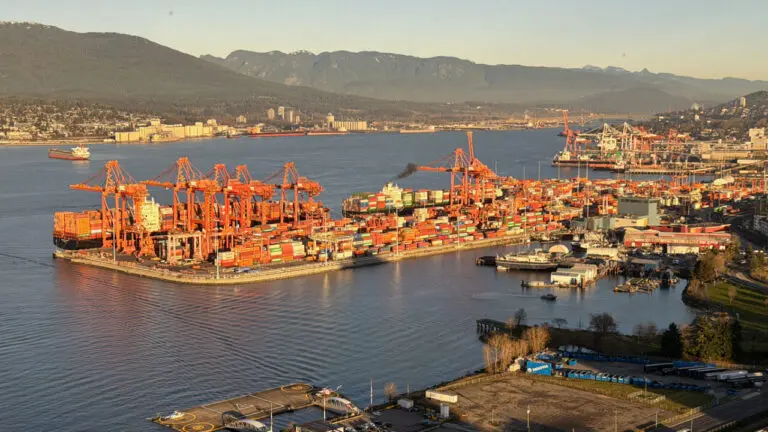
In a decisive move to fortify Canada’s Pacific gateway against mounting supply chain pressures, the Vancouver Fraser Port Authority has officially announced the completion of a comprehensive suite of road and rail upgrades within the strategically vital Fraser Surrey area. This milestone infrastructure initiative—formally designated as the Fraser Surrey Port Lands Transportation Improvements Project—is engineered to radically transform the movement of domestic and international commerce, optimizing the flow of critical commodities including agricultural mainstays such as grain and canola oil, alongside high-value containerized freight and complex project cargo.
As global supply chains continue to navigate post-pandemic volatility, shifting trade corridors, and the imperatives of sustainable development, this project arrives as a timely intervention. By addressing historical bottlenecks, the initiative directly targets two of the most persistent challenges facing modern port operations: transit delays and carbon emissions. According to port authorities, the newly commissioned infrastructure is projected to halve inbound container truck transit times while simultaneously driving down port-related greenhouse gas emissions across the Fraser Surrey sector.
The successful delivery of this multi-faceted transport scheme underscores the efficacy of collaborative governance models in Canadian maritime logistics. Developed through a tightly coordinated partnership spanning federal, municipal, and industry stakeholders, the project reflects a shared commitment to maintaining Canada’s competitive edge in international trade. With bulk export volumes surging and container traffic maintaining an upward trajectory, these infrastructure enhancements are not merely local fixes; they represent foundational investments designed to secure the long-term resilience, capacity, and environmental sustainability of the Port of Vancouver for decades to come.
Detailed Chronology and Engineering Scope
The realization of the Fraser Surrey Port Lands Transportation Improvements Project is the culmination of years of meticulous planning, engineering assessments, and heavy construction executed within a densely populated and active industrial zone. To understand the magnitude of this achievement, one must examine the specific engineering interventions deployed across the road and rail networks that service the terminals.
Overcoming Structural Bottlenecks
Historically, the Fraser Surrey area has grappled with the classic friction points of mature industrial ports: intersecting rail lines, congested arterial roadways, and inadequate staging infrastructure for heavy commercial vehicles. As cargo volumes intensified over the past several years, these friction points frequently manifested as severe traffic queues, idling trucks, and unpredictable transit times for logistics operators.
To dismantle these structural hurdles, the Vancouver Fraser Port Authority, working in lockstep with municipal authorities, railway operators, and terminal tenants, devised a targeted capital works program. The scope of construction encompassed several key engineering milestones:
- Extension of Timberland Road South: One of the project’s flagship civil works involved the strategic extension of Timberland Road South. This extension was specifically engineered to bypass and reduce the frequency of problematic at-grade rail crossings, which had long been a primary source of traffic stagnation for vehicles accessing industrial plots and terminal gates.
- Intersection and Rail Crossing Modernization: Multiple key intersections throughout the Fraser Surrey corridor underwent comprehensive redesigns. These upgrades incorporated modern signaling, optimized turning radii to accommodate long-combination vehicles (LCVs), and enhanced geometric layouts to promote smoother vehicular flow. Simultaneously, critical rail crossings were upgraded to improve safety and minimize the duration of vehicular blockages during active rail switching operations.
- Dedicated Inbound Truck Lane: Perhaps the most immediate operational benefit for container haulers is the addition of a new, dedicated inbound lane specifically designated for container trucks traveling toward the DP World Fraser Surrey terminal. This physical separation of port-bound commercial traffic from general commuter and local industrial traffic effectively creates a high-speed express corridor for containerized cargo, eliminating the friction of mixed-traffic congestion.
The execution of these works required sophisticated staging to ensure that existing trade operations could continue uninterrupted throughout the construction period. By minimizing downtime during the build phase, the project team maintained the integrity of the supply chain even as heavy machinery reshaped the local roadway network.
Supporting Context & Metrics: The Imperative for Expansion
The urgency behind the Fraser Surrey transportation upgrades is best understood through the lens of recent, dramatic statistical growth across the Port of Vancouver’s gateway terminals. Canada’s Pacific maritime trade has experienced a profound structural evolution, driven by surging international demand for Canadian natural resources and manufactured goods alike.
Explosive Growth in Bulk and Containerized Cargo
Statistical data released alongside the project’s completion highlights the staggering pace at which traffic through the Fraser Surrey trade area has accelerated:
- Bulk Exports Surge: Bulk export volumes—encompassing both liquid and dry commodities critical to the Canadian economy—have skyrocketed by more than 80 per cent since 2021. This category includes vital agricultural exports such as Western Canadian grain and canola oil, which feed international markets, as well as essential industrial minerals and forest products. The sheer volume of these commodities moving through the gateway placed unprecedented stress on local rail and road infrastructure, making modernization an absolute necessity.
- Container Traffic Expansion: Alongside bulk commodities, containerized cargo has maintained a robust upward trajectory. Container traffic through the gateway rose by more than 10 per cent in 2025 alone. This sustained growth reflects the expanding role of the Port of Vancouver as a premier gateway for trans-Pacific trade, connecting North American markets with dynamic economies across Asia.
The Sustainability Dividend
Beyond raw throughput capacity, the Fraser Surrey improvements were designed with a rigorous environmental mandate. Modern port management increasingly demands that efficiency gains be coupled with absolute reductions in carbon intensity.
Idling heavy-duty diesel trucks represent a major source of urban and port-related greenhouse gas (GHG) emissions. By cutting inbound container truck transit times in half, the project drastically reduces the amount of time commercial vehicles spend idling in congested queues. This direct alleviation of traffic friction translates into lower fuel consumption per container moved, significantly shrinking the carbon footprint of drayage operations within the Fraser Surrey Port Lands. Furthermore, the mitigation of rail-crossing delays ensures that freight trains and automotive traffic operate in greater harmony, reducing stop-start emissions across the entire transportation grid.
Official Statements and Industry Perspectives
The successful commissioning of the Fraser Surrey infrastructure project has drawn high-profile commendation from senior leaders across the Canadian port and logistics ecosystem. These perspectives underscore the collaborative spirit and strategic vision that guided the initiative from conception to completion.
Voice of the Port Authority
Jennifer Natland, Vice President of Properties and Development at the Vancouver Fraser Port Authority, emphasized the collaborative nature of the achievement and its alignment with broader trade and environmental objectives.
"The Fraser Surrey Port Lands Transportation Improvements are the latest example of how we are working in partnership to deliver investments that grow trade through the gateway," stated Natland. "The project will alleviate traffic congestion and reduce rail crossing delays for businesses in the Fraser Surrey area, ultimately enabling port terminals and operators to move more Canadian cargo, more sustainably."
Natland’s remarks point to the core philosophy of the Port Authority: that economic growth and environmental stewardship are not mutually exclusive, but rather mutually reinforcing goals that can be achieved through intelligent, targeted infrastructure capital allocation.
Perspectives from Terminal Operators
As a primary operator within the upgraded corridor, DP World has a profound stake in the operational efficiency of the local transport network. Doug Smith, CEO of DP World in Canada, offered an enthusiastic endorsement of the completed works, highlighting their direct impact on supply chain reliability.
"Efficient road and rail connections are essential to keeping cargo moving reliably through the Fraser Surrey terminal and across Canada’s supply chains," Smith noted. "These upgrades will reduce congestion, improve safety, and enhance the flow of containerised and bulk cargo through the gateway."
Smith’s comments reflect the operational reality on the ground. For terminal operators, predictability is paramount. By removing the variables of traffic snarls and unpredictable rail blockages, the transportation improvements provide DP World and its clients with the operational certainty required to optimize vessel turnaround times, yard management, and intermodal handoffs.
Future Outlook: Positioning Canada’s Pacific Gateway for Tomorrow
While the completion of the Fraser Surrey Port Lands Transportation Improvements Project represents a monumental milestone for the Port of Vancouver, it must be viewed as part of a much larger, ongoing evolution of Canada’s Pacific maritime infrastructure.
A Blueprint for Continuous Modernization
As global trade patterns continue to evolve, ports are facing unprecedented demands. Factors such as shifting geopolitical alliances, the expansion of e-commerce, the increasing size of container vessels, and tightening international environmental regulations mean that port authorities cannot afford to rest on their laurels.
The Vancouver Fraser Port Authority has consistently demonstrated a forward-looking approach to these challenges. Initiatives such as the Fraser Surrey project serve as a scalable blueprint for how mature port jurisdictions can optimize existing footprints to extract maximum value and efficiency, rather than solely relying on greenfield developments that require massive tracts of undeveloped land.
Complementary Gateway Developments
The Fraser Surrey project does not exist in a vacuum; it is synchronized with a broader slate of strategic investments designed to future-proof the Port of Vancouver. Recent developments, such as ongoing planning and landmass works for major terminal expansions (exemplified by initiatives involving specialized contractors like TerraMarine for Roberts Bank Terminal 2 landmass works, and targeted terminal tenders in regions like Richmond), illustrate a holistic, system-wide strategy.
Every component of this broader strategy—from major offshore terminal expansions down to local intersection upgrades on Timberland Road South—is designed to work in concert. Together, they create a seamless, high-capacity intermodal network capable of absorbing projected surges in North American trade over the coming decades.
Conclusion
The completion of the Fraser Surrey Port Lands Transportation Improvements Project marks a defining chapter in the ongoing modernization of Canada’s premier trade gateway. By successfully fusing infrastructure renewal with environmental responsibility, the Vancouver Fraser Port Authority, alongside government and industry partners like DP World, has delivered a vital asset that honors Canada’s economic imperatives.
As bulk exports and containerized freight continue to chart historic highs, the newly optimized road and rail networks in Fraser Surrey stand ready to keep commerce flowing safely, swiftly, and sustainably—securing the Port of Vancouver’s standing as an indispensable engine of national prosperity and global trade.