



Executive Overview
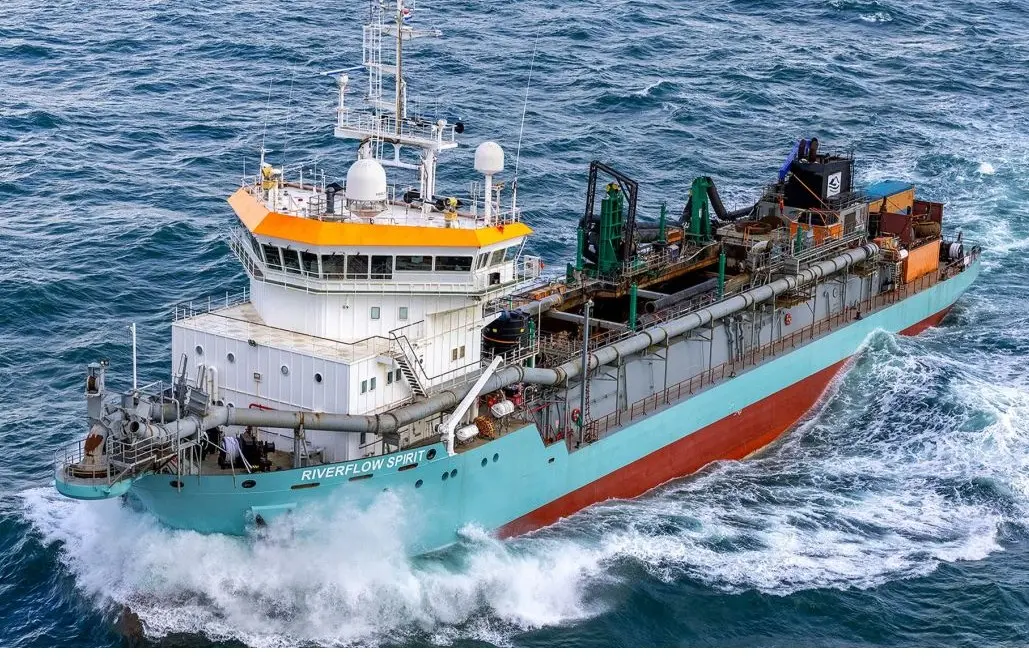
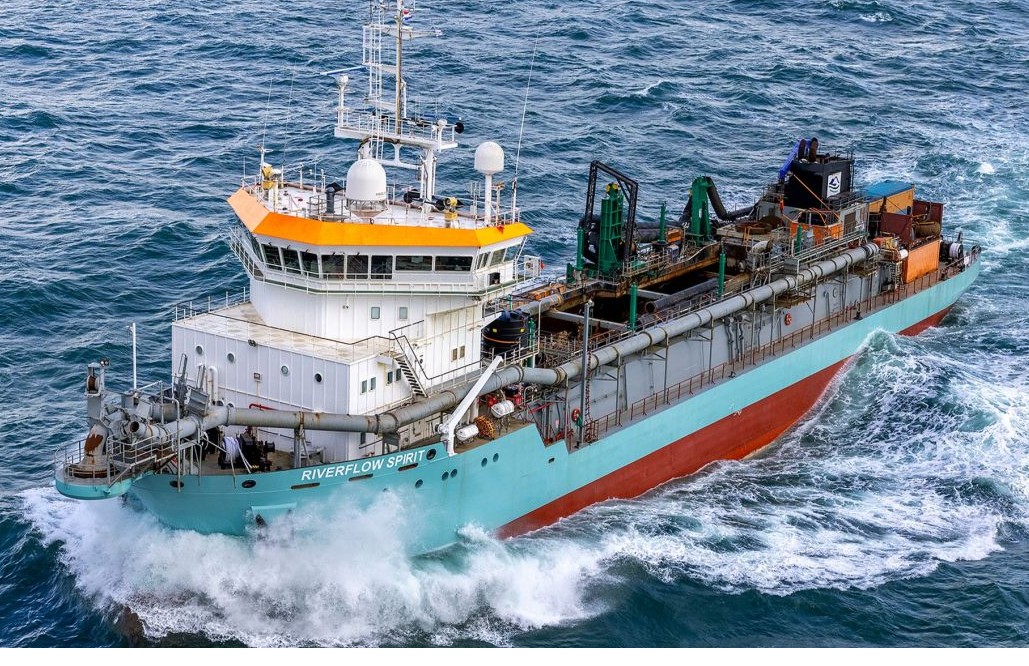
Vancouver, British Columbia — In a maritime feat spanning more than 9,500 nautical miles, the trailing suction hopper dredger (TSHD) Riverflow Spirit—formerly known as the Volvox Atalanta—has officially arrived at its new home port in Vancouver. The vessel’s arrival marks the successful conclusion of an arduous, multi-week delivery voyage that took the ship from the Netherlands, across the tempestuous waters of the Bay of Biscay, through the engineering marvel of the Panama Canal, and up the Pacific coast of the Americas.
Departing in the spring of 2026 from the Van Oord shipyard in Moerdijk, the newly rebranded dredge undertook the epic trans-oceanic passage under the operational management and crew of Redwise, a globally recognized leader in maritime delivery and vessel management. The deployment of the Riverflow Spirit to Western Canada represents a strategic asset upgrade for the region’s marine infrastructure. As global trade volumes swell and vessels achieve greater draft dimensions, the demand for reliable, high-capacity maintenance and capital dredging has never been more pronounced.
The arrival of the Riverflow Spirit is not merely a routine vessel transfer; it is a critical injection of operational capability into the North American Pacific maritime corridor. Equipped to handle rigorous sediment management, navigational channel deepening, and coastal protection projects, the vessel is poised to ensure that Vancouver and surrounding Canadian ports maintain uninterrupted, safe, and efficient access for international shipping lines. This comprehensive report details the voyage’s chronology, the technical specifications of the vessel, the logistical hurdles overcome during the transit, official commentary from key maritime stakeholders, and the broader economic outlook for dredging operations in the Pacific Northwest.
Detailed Chronology: From Moerdijk to the Pacific Northwest
The journey of the Riverflow Spirit began months before the vessel cast off its lines in the Netherlands, rooted in extensive engineering overhauls and meticulous navigational planning.
Phase 1: Reactivation and Preparation at Moerdijk
Before undertaking a voyage nearing 10,000 nautical miles, the vessel underwent a comprehensive reactivation process at the Van Oord yard in Moerdijk, Netherlands. Van Oord, a globally renowned dredging and marine contractor, orchestrated the comprehensive overhaul. Technicians and marine engineers inspected every facet of the hopper dredger’s mechanical, electrical, and hydraulic systems.
During this period in Moerdijk, the vessel also shed its historic identity as the Volvox Atalanta, emerging in striking new livery as the Riverflow Spirit. This rebranding signified its transition into a new chapter of service under North American operational parameters. Concurrently, Redwise—tasked with the vessel’s delivery—assembled a hand-picked crew of seasoned mariners, integrating veteran leadership with specialist engineering talent to guarantee the safety of both the ship and crew through notoriously unpredictable ocean regimes.
Phase 2: Crossing the Atlantic and the Bay of Biscay
In the spring of 2026, the Riverflow Spirit slipped its moorings and pointed its bow westward. The initial leg of the voyage immediately tested the vessel’s seaworthiness and the crew’s resilience. Traversing the North Sea led the ship directly into the Bay of Biscay, a maritime region universally feared by mariners for its ferocious weather patterns, volatile sea states, and deep ocean swells driven by Atlantic depressions.
Despite encountering rough meteorological conditions, the vessel’s newly serviced hull and propulsion systems performed impeccably. Under the steady guidance of Redwise’s veteran command staff, the ship navigated the open waters of the North Atlantic, maintaining a steady cruising speed while combating rolling seas and variable crosswinds.
Phase 3: The Panama Canal Transit
Following weeks of open-ocean steaming, the Riverflow Spirit reached Central America, positioning itself for one of the most logistically complex milestones of the voyage: the transit of the Panama Canal. Transitioning a specialized trailing suction hopper dredger through the historic locks requires precise coordination with canal authorities, tight scheduling, and expert navigation within confined channels.
The passage through the Isthmus of Panama served as the literal and figurative bridge between the Atlantic and Pacific oceans. With the successful completion of the lock transits, the dredger entered the vast expanse of the Pacific Ocean, shifting its heading toward the northwest.
Phase 4: The Pacific Coast Run and Arrival in Vancouver
The final leg of the delivery voyage spanned thousands of miles along the rugged Pacific coasts of Central and North America. This phase tested the endurance of the vessel’s auxiliary systems, fuel management protocols, and crew endurance during extended coastal steaming.
As the Riverflow Spirit entered Canadian waters and sailed into the Strait of Georgia, it was greeted by local maritime authorities before docking in Vancouver. The completion of the 9,500-nautical-mile journey without major incident stands as a testament to the rigorous planning, flawless execution, and maritime expertise demonstrated by the Redwise operations team and the shipboard complement.
Supporting Context & Technical Metrics
To fully appreciate the significance of the Riverflow Spirit’s arrival, one must examine the operational parameters of modern trailing suction hopper dredgers and the unique hydrological challenges defining the Pacific Northwest maritime landscape.
Vessel Profile: TSHD Riverflow Spirit (Ex-Volvox Atalanta)
- Vessel Type: Trailing Suction Hopper Dredger (TSHD)
- Previous Name: Volvox Atalanta
- Current Name: Riverflow Spirit
- Primary Builder/Reactivator: Van Oord Shipyard, Moerdijk, Netherlands
- Delivery Management & Crew: Redwise Maritime Services
- Delivery Route: Moerdijk (Netherlands) – Bay of Biscay – North Atlantic – Panama Canal – Pacific Coast – Vancouver (Canada)
- Total Distance Covered: > 9,500 nautical miles
- Primary Operational Focus: Capital Dredging, Maintenance Dredging, Coastal Protection, and Port Access Maintenance
The Science and Necessity of Maintenance Dredging in Vancouver
The Port of Vancouver and its surrounding river networks—most notably the Fraser River—suffer from continuous natural sedimentation. Silt, sand, and organic debris carried downstream by river currents continually settle in navigation channels, berths, and turning basins. Without aggressive, systematic maintenance dredging, water depths shallow rapidly, posing severe grounding risks for modern container ships, bulk carriers, and cruise liners.
Dredgers like the Riverflow Spirit operate by utilizing large, powerful onboard pumps to draw a mixture of water and sediment from the seabed through trailing suction pipes (dragarms) equipped with dragheads. The dredged material is deposited into the vessel’s internal hopper, where heavier solids settle out while excess water is discharged overboard. Once the hopper reaches capacity, the vessel sails to designated offshore placement or beneficial use sites, where the sediment is either discharged through bottom-dump valves or pumped ashore for land reclamation and coastal protection projects.
The introduction of the Riverflow Spirit directly enhances the logistical efficiency of this cycle. Its modern pumping efficiency, enhanced navigational systems, and robust structural integrity ensure that local marine contractors can address shifting shoals and critical depth bottlenecks with unprecedented speed and reliability.
Official Statements and Industry Insights
The successful delivery of the Riverflow Spirit prompted reflections from the leadership and operational teams who orchestrated the voyage.
In an official post-voyage briefing, representatives from Redwise highlighted the careful synchronization required to bring a complex dredging vessel halfway across the globe.
"Under the leadership of one of our most experienced Captains, together with our best Chief Engineer and the full crew—with the continuous support of the Redwise Operations team ashore—the voyage was carefully planned and executed safely," the company stated.
The statement underscores the intricate nature of trans-oceanic vessel deliveries, which demand constant meteorological monitoring, proactive mechanical maintenance, and seamless communication between shipboard officers and shore-based logistics controllers.
Maritime analysts tracking the Canadian dredging sector have also pointed out the timing of the vessel’s arrival. With regional ports experiencing fluctuating cargo throughputs and heightened scrutiny regarding supply chain resilience, possessing dedicated, modern dredging assets on-site reduces reliance on external mobilization.
Furthermore, industry experts note that the Riverflow Spirit bridges a vital capability gap. Capital dredging projects—such as deepening berths for ultra-large container vessels—require specialized equipment capable of cutting through compacted soils and consolidated sediments. The extensive reactivation work performed by Van Oord ensures that the dredger’s onboard dredge pumps, cutter-assist mechanisms (where applicable), and automated monitoring systems operate at peak efficiency, ready to tackle demanding marine engineering assignments from day one.
Future Outlook: Securing Canada’s Marine Gateways
The arrival of the TSHD Riverflow Spirit in Vancouver signals a robust, forward-looking commitment to the maintenance and expansion of Canada’s Pacific maritime infrastructure. As international shipping standards evolve and environmental regulations surrounding dredging operations grow increasingly stringent, the demand for adaptable, high-performance vessels will only intensify.
Key Focus Areas for the Riverflow Spirit Moving Forward:
- Navigational Safety and Channel Depth Maintenance: Ensuring that critical approaches to major terminals remain cleared of accumulated silt, thereby preventing costly shipping delays and draft restrictions.
- Support for Capital Development Projects: Assisting in harbor expansion initiatives, berth deepening, and infrastructure modifications designed to accommodate the next generation of deep-draft commercial vessels.
- Environmental Stewardship and Beneficial Use: Utilizing advanced monitoring technology to minimize turbidity and ecological disruption during dredging operations, while exploring opportunities to redirect dredged sediment toward beneficial coastal protection and habitat restoration projects.
In conclusion, the completion of the Riverflow Spirit’s 9,500-nautical-mile odyssey is much more than a successful maritime delivery—it is the foundational step in a long-term strategy to safeguard the economic lifelines of Western Canada. Backed by the meticulous craftsmanship of Van Oord’s Moerdijk facilities and the expert seamanship of Redwise, the Riverflow Spirit stands ready to keep Canada’s waterways open, safe, and navigable for generations to come.