









Executive Overview
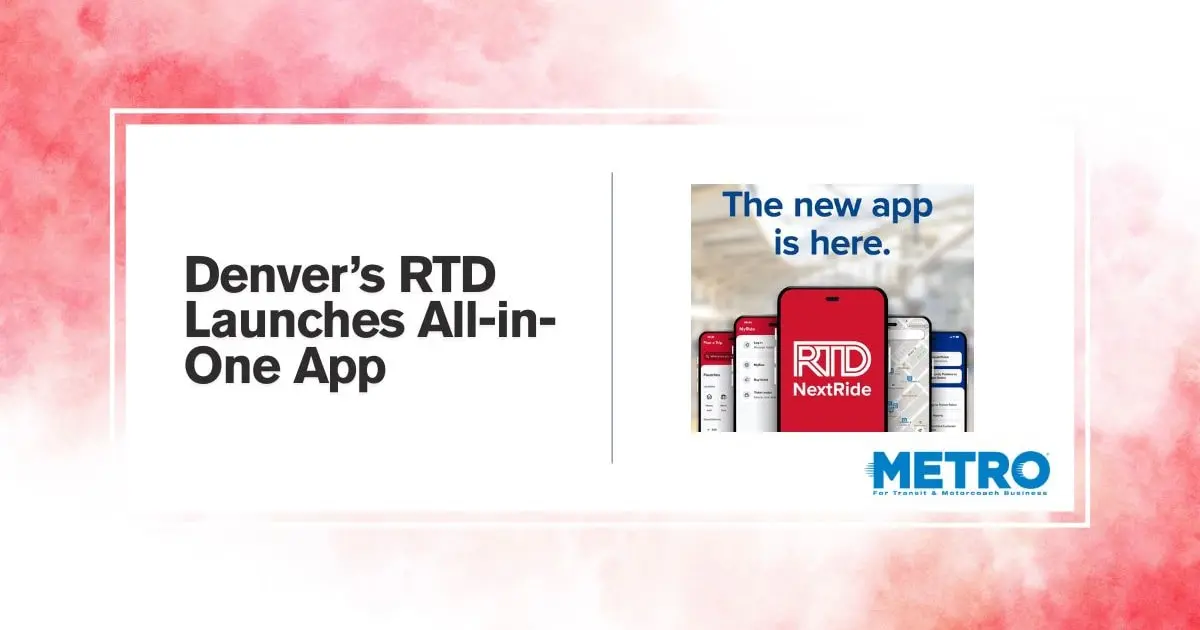
In an era defined by digital connectivity and the demand for instantaneous service delivery, urban transit agencies face mounting pressure to modernize their infrastructure. The Regional Transportation District (RTD) of Denver has risen to this challenge with a significant technological leap: the official launch of its comprehensive NextRide mobile application. This robust platform consolidates trip planning, digital fare management, security reporting, and customer support into a single, cohesive digital ecosystem.
Designed to streamline the daily commute for thousands of riders across the Denver metropolitan area, the NextRide app represents the culmination of extensive rider research, technological integration, and strategic planning. By bridging the gap between fragmented legacy services—such as the previous MyRide and Transit Watch applications—RTD has engineered a centralized hub that places total transit management directly into the palm of the commuter’s hand.
Available immediately for download on major mobile platforms and supporting ten distinct languages to reflect Denver’s diverse linguistic demographics, the NextRide app introduces a paradigm shift in how riders interact with public transportation. Beyond merely replacing older web-based tools, the application incorporates advanced real-time vehicle tracking, secure payment gateways, and a groundbreaking direct-to-dispatch security reporting mechanism. As transit agencies nationwide grapple with shifting post-pandemic ridership trends and heightened expectations for safety and convenience, RTD’s rollout serves as a compelling case study in user-centric digital transformation. This comprehensive report explores the genesis, architecture, security features, and future roadmap of the NextRide application, examining its profound implications for the future of urban mobility in Colorado.
Detailed Chronology and Technical Evolution
The journey toward the NextRide mobile application is rooted in a multi-year strategic initiative by Denver’s RTD to modernize its digital footprint and dismantle the silos that historically plagued its customer-facing software. For years, commuters navigating the sprawling light rail, commuter rail, and bus networks were forced to juggle multiple distinct applications to manage their transit experience. Checking vehicle arrival times required the web-based NextRide platform or third-party mapping software; purchasing and storing electronic tickets necessitated the MyRide application; and reporting safety or security incidents mandated the use of the Transit Watch app. This fragmentation often resulted in user friction, confusion, and sub-optimal engagement with the transit network.
Recognizing these operational inefficiencies, RTD leadership initiated a development strategy aimed at convergence. The agency leveraged modern software engineering frameworks, specifically building the NextRide application utilizing React Native paired with advanced software development kits (SDKs). This technological foundation ensures cross-platform stability, smooth performance, and rapid deployment of updates across both iOS and Android ecosystems.
The integration process was meticulously structured to ensure minimal disruption for existing digital customers. For instance, users of the legacy MyRide platform are not required to create new accounts from scratch; instead, they can seamlessly sign into NextRide using their existing credentials. Furthermore, RTD’s back-end architecture was engineered to automatically transfer pre-existing fare products, pass balances, and eligible customer discounts directly to the new profile upon initial login.
While the launch of NextRide marks a major milestone, RTD has structured the app’s rollout as an evolving, iterative process. The agency has committed to an active feedback-collection phase over the coming months, encouraging users to submit critiques and feature requests through the app’s integrated support channels. This continuous-improvement model ensures that the platform will not remain static, but will instead adapt dynamically to the shifting needs of Denver’s commuting public.
Supporting Context & Metrics: Analyzing the User-Centric Design
At the core of the NextRide application’s development philosophy is a profound commitment to human-centered design. Rather than designing an application strictly from an internal engineering perspective, RTD leadership mandated that direct, qualitative and quantitative customer feedback serve as the primary catalyst for the app’s feature set and user interface design.
Bridging the Language Barrier
Denver is a vibrant, multicultural metropolis, and public transit serves as the critical lifeblood for populations representing a myriad of linguistic backgrounds. To ensure equitable access across all demographics, the NextRide app has been launched with robust support for ten different languages. This localization strategy ensures that language barriers do not impede a resident’s ability to plan a journey, understand service disruptions, purchase correct fares, or report safety concerns.
Consolidating the Digital Ecosystem
To fully appreciate the scope of NextRide, one must examine the specific legacy tools it subsumes:
- NextRide Web Application: Previously accessible primarily via desktop browsers or mobile web interfaces, this tool provided real-time vehicle tracking and service alerts. The new mobile app optimizes these features for native mobile hardware, offering push notifications and GPS-driven location services.
- MyRide App: Serving as the electronic fare media repository, MyRide allowed users to load funds and purchase tickets digitally. By absorbing MyRide, NextRide eliminates the need for a separate wallet application, streamlining the boarding process.
- Transit Watch App: Previously an isolated portal for reporting suspicious behavior or security incidents, Transit Watch has now been integrated directly into the security architecture of NextRide, transforming safety reporting from an afterthought into a frontline feature.
By unifying these disparate threads, RTD has significantly reduced the cognitive load placed on riders. Commuters no longer need to switch between three or four different applications to complete a single transit journey; everything from route mapping to fare payment and security engagement now occurs within a unified, intuitive interface.
Official Statements and Leadership Perspectives
The strategic importance of the NextRide launch has been heavily emphasized by key leaders within the Regional Transportation District, highlighting both the operational benefits and the profound focus on rider safety and satisfaction.
Debra A. Johnson, RTD General Manager and CEO, underscored the collaborative nature of the app’s development, emphasizing that the agency listened closely to the voices of its patrons:
"RTD is introducing a new mobile experience designed to make planning trips and purchasing fares more customer intuitive. Direct customer feedback informed app development and usability enhancements, including an easy way to report security concerns."
Johnson’s remarks reflect a broader cultural shift within public transit agencies—moving away from paternalistic service delivery toward a customer-first, hospitality-oriented mindset. By treating commuters as valued consumers rather than captive riders, RTD is actively working to rebuild and expand ridership in the post-pandemic landscape.
Safety and security represent paramount concerns for modern transit systems, and the integration of a direct reporting tool within NextRide has received high praise from law enforcement leadership within the district. Sean Faris, RTD Deputy Chief of Police, detailed the tactical advantages of the new security infrastructure:
"NextRide brings multiple transit tools together in one convenient place for our customers. The app makes it easier to communicate concerns with Transit Police dispatchers in real time discreetly."
This capability marks a vital evolution in transit policing. By allowing riders to transmit information quietly and immediately without drawing unwanted attention to themselves, the app empowers vulnerable passengers and fosters a safer, more accountable transit environment across all bus lines and rail corridors.
Future Outlook: The Strategic Roadmap (2026–2028)
While the rollout of the NextRide mobile application is a monumental achievement for Denver’s RTD, agency leadership views this release not as a final destination, but as the foundational first phase of a long-term digital evolution. A clearly defined multi-year roadmap has been established to progressively integrate specialized transit services, phase out legacy software, and continuously refine the user experience.
Phasing Out Legacy Applications
With the successful launch of NextRide, RTD has announced plans to systematically sunset the standalone MyRide and Transit Watch applications. However, agency officials have emphasized a commitment to a transparent and gradual transition process. Current users of the legacy apps will receive extensive advance notice through multiple communication channels—including in-app alerts, station announcements, and digital outreach—before the older platforms are officially retired. This grace period ensures that no commuter is left stranded or caught unawares by the technological shift.
Expanding Specialized Transit Integration
Looking further ahead, RTD has scheduled major feature integrations for specialized mobility services over the next two years:
- Late 2027 (Access-a-Ride Integration): RTD’s specialized paratransit service, Access-a-Ride, is slated for full incorporation into the NextRide application. This integration will allow eligible riders with disabilities to manage trip planning, scheduling, and service modifications within the same unified interface used by fixed-route commuters, dramatically improving accessibility and ease of use.
- 2028 (FlexRide Integration): Following the paratransit update, RTD’s on-demand, curb-to-curb FlexRide service will be integrated into the app in 2028. This addition will streamline booking for suburban and low-density feeder routes, cementing NextRide as the ultimate, all-encompassing mobility platform for the entire Denver metropolitan region.
Continuous Adaptation
In software development, deployment is merely the beginning. RTD has established dedicated analytics and customer support task forces to monitor app performance, process incoming user feedback, and roll out regular maintenance patches and feature updates. By maintaining an agile, responsive development posture, RTD ensures that NextRide will remain at the cutting edge of urban transit technology for years to come.
Conclusion
The launch of the NextRide mobile application marks a watershed moment for the Regional Transportation District and the millions of residents and visitors who rely on Denver’s public transit network. By successfully consolidating trip planning, electronic fare management, real-time tracking, and discreet security reporting into a single, multilingual, user-informed platform, RTD has established a new benchmark for modern urban mobility.
Backed by strategic leadership, advanced software engineering, and a clear, forward-looking roadmap that includes the integration of Access-a-Ride and FlexRide services through 2028, RTD is proving that public transit can be both technologically sophisticated and deeply responsive to human needs. As commuters across the Denver metro area download the app and begin experiencing a more seamless, secure, and intuitive journey, NextRide stands as a shining testament to the power of customer-driven innovation in public transportation.