







Executive Overview
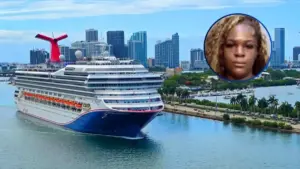
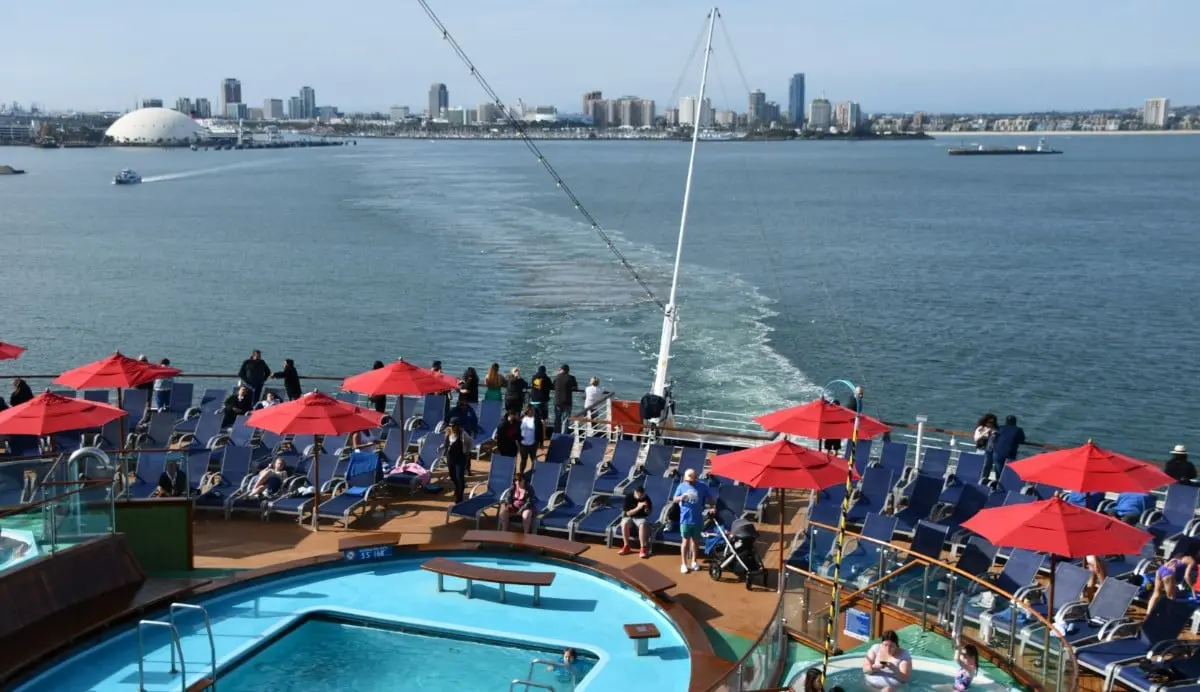
What should have been the final, celebratory evening of a relaxing 7-night Mexican Riviera vacation instead turned into a solemn and harrowing ordeal aboard the Carnival Panorama. On Saturday, September 19, 2026, the 133,500-gross-ton vessel became the center of a high-stakes maritime search-and-rescue operation after a male guest was confirmed to have gone overboard.
The incident unfolded on the penultimate day of a voyage that originally departed from the ship’s homeport of Long Beach, California, on Sunday, September 13, 2026. As the massive cruise liner navigated the Pacific waters on its return journey, an abrupt shift in the vessel’s course and repeated public address announcements alerted passengers to a critical onboard emergency. Subsequent investigations—bolstered by a comprehensive review of closed-circuit television (CCTV) footage—confirmed that the individual had jumped overboard while the ship was transiting between Puerto Vallarta, Mexico, and Long Beach.
In response to the crisis, Carnival Cruise Line’s shipboard personnel and executive teams swiftly coordinated with both United States and Mexican maritime authorities. While the onboard search protocols have since concluded, the incident has cast a heavy shadow over the final stretch of the journey, prompting questions regarding shipboard safety protocols, emergency response mechanisms, and potential impacts on the vessel’s upcoming itinerary. This report provides a comprehensive examination of the timeline, official statements, technological responses, and broader implications stemming from the tragedy aboard the Carnival Panorama.
Detailed Chronology of Events
The unfolding of events on Saturday, September 19, 2026, transformed a standard sea day into a coordinated emergency response. Passenger accounts, automated tracking data, and official disclosures piece together the chronology of the harrowing hours aboard the ship.
Morning Hours: The Initial Alerts
At approximately 11:00 a.m. local time, passengers relaxing on deck or in public spaces heard the first public address system (PA) announcements. The ship was actively cruising at sea, having departed its final port of call—Puerto Vallarta, Mexico—at 8:00 p.m. on Thursday, September 17.
According to passengers on board, such as a guest posting under the Reddit handle JRichShops, announcements calling for the location of a missing individual began casually before escalating in urgency. These calls were repeated multiple times throughout the late morning and early afternoon, triggering immediate concern among the thousands of vacationers onboard.
Mid-Afternoon: Course Alteration and Shipwide Lockdown
By approximately 3:00 p.m., observant travelers noticed a dramatic shift in the vessel’s movement. Automated Information System (AIS) tracking data indicated that the Carnival Panorama made a broad, deliberate turn, heading back southward away from its northern trajectory toward California.
At 3:30 p.m., a formal announcement echoed across the ship’s PA system, declaring the initiation of a comprehensive, shipwide search. Passengers were instructed to return immediately to their respective staterooms to allow crew members to conduct a thorough physical muster and headcount.
As standard operating procedure for a confirmed or suspected man-overboard (MOB) situation, ship security and crew personnel moved methodically from room to room, scanning guests’ Sail & Sign identification cards. This rigorous verification process ensures that every individual onboard is accounted for, eliminating false assumptions regarding passenger whereabouts. At approximately 4:30 p.m., a follow-up announcement advised guests that the search was ongoing and that they must remain confined to their staterooms while the crew and bridge officers coordinated efforts with regional rescue authorities.
Late Afternoon: Confirmation and Search Handover
At 5:00 p.m., the ship’s Captain and Cruise Director made a joint announcement over the PA system. Following a rigorous review of onboard closed-circuit television (CCTV) footage, it was officially confirmed that the male guest had jumped overboard.
With the technical capabilities of the ship exhausted and the immediate search area expanded, operational control of the rescue mission was transitioned to local and national maritime authorities, including the U.S. and Mexican Coast Guards. Simultaneously, Carnival’s specialized Care Team stepped in to notify and offer direct support to the traveling companions and family members of the missing guest.
Following the conclusion of the onboard search and verification procedures, passengers were given the all-clear to leave their staterooms. The Carnival Panorama resumed its original northern course, increasing speed to make up for lost time on its return leg to Long Beach.
Supporting Context & Metrics
Understanding the operational dynamics of modern mega-ships helps contextualize the challenges inherent in responding to an overboard emergency at sea.
Vessel Specifications and Positioning
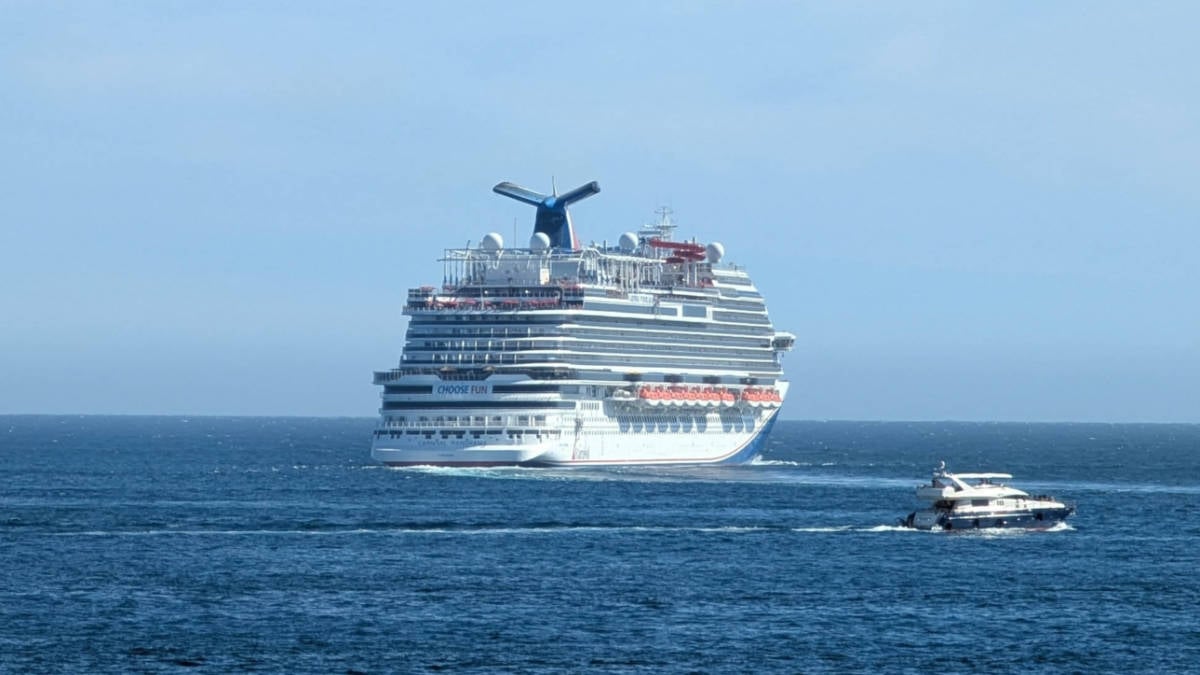
The Carnival Panorama is a massive floating resort belonging to Carnival Cruise Line’s popular Vista-class. Key metrics for the vessel include:
- Gross Tonnage: 133,500 GT
- Passenger Capacity: Over 4,000 guests (double occupancy) and roughly 1,450 crew members.
- Current Deployment: Operating regular Mexican Riviera itineraries round-trip from Long Beach, California.
At the time the man-overboard incident was confirmed via AIS tracking, the ship was positioned roughly 190 miles south of Ensenada, Mexico, and approximately 345 miles south-southeast of its homeport in Long Beach. Navigating this remote stretch of the Pacific Ocean requires close coordination between cruise operators and international coast guard agencies, given the vast distances involved in mounting a search-and-rescue operation.
The Science of Man-Overboard Response and Technology
When a passenger goes overboard, every second is critical. Modern cruise ships like the Carnival Panorama utilize a combination of human vigilance and advanced technological systems to address these rare emergencies:
- CCTV Analysis: While automated radar and infrared man-overboard detection systems are increasingly integrated into modern fleets, video surveillance remains a primary tool for verifying incidents after the fact, allowing bridge officers to pinpoint the exact time and location of an event.
- AIS Course Correction: Turning a 133,500-ton vessel is a complex nautical maneuver that requires significant sea room. The ship must safely reverse its track to search the waters where the individual entered the sea, taking into account ocean currents, wind speed, and drift calculations.
- Inter-Agency Coordination: Cruise lines maintain direct communication channels with search and rescue (SAR) coordinators, such as the United States Coast Guard (USCG) and Secretaría de Marina (SEMAR) in Mexico, ensuring that rescue assets—including aircraft and cutter vessels—can be deployed to the coordinates logged by the ship’s navigation system.
Official Statements
Carnival Cruise Line issued prompt and transparent statements regarding the incident, emphasizing the deployment of safety protocols and the provision of care for the affected family.
In an official communication provided to industry media outlets, a Carnival Cruise Line spokesperson stated:
"Carnival Cruise Line confirmed Saturday that a male guest aboard Carnival Panorama jumped overboard while the ship was sailing from Puerto Vallarta, Mexico, to Long Beach, California."
The spokesperson elaborated on the operational response taken by the shipboard personnel:
"When notified of a missing guest, the ship’s team initiated search and investigation procedures, including reviewing CCTV footage and notifying both the U.S. and Mexico Coast Guards. Carnival is providing support to the family who was traveling with the guest, and our thoughts and prayers are with them and their loved ones."
The cruise line’s leadership and crew have continued to emphasize privacy for the grieving family while cooperating fully with maritime investigators tasked with understanding the full context of the incident.
Future Outlook and Itinerary Impact
As the Carnival Panorama pressed northward toward Southern California, maritime analysts and booked passengers alike turned their attention to whether the emergency response would cause disruptions to the ship’s strict operational schedule.
Speed and Arrival Dynamics
To recover the time lost during the mid-afternoon course deviation and extensive search procedures, the Carnival Panorama was tracked moving at an impressive speed of approximately 21 knots (24 miles per hour) as it headed back toward the California coast. This velocity represents a pace close to the ship’s maximum operational speed, a necessary measure to ensure the vessel could approach the breakwater of the Port of Long Beach in alignment with its scheduled morning arrival time.
Despite the delay, historical precedent in maritime operations suggests that modern mega-ships possess sufficient engine power and cruising speed reserves to absorb minor-to-moderate deviations without completely upending turnaround schedules. For instance, recent incidents across the wider cruise industry—such as a notable delay affecting Royal Caribbean’s Oasis of the Seas due to a double medical evacuation—have required cruise lines to adjust subsequent embarkation windows or modify port stops. However, as of late Saturday evening, Carnival Cruise Line had not announced any formal changes or delays to the upcoming turnaround.
Upcoming Sailings
The Carnival Panorama is scheduled to complete its current 7-night voyage upon arrival in Long Beach, after which it is slated to immediately welcome a new wave of vacationers. The vessel’s next itinerary is scheduled to depart on Sunday, September 20, 2026:
- Itinerary Type: 6-night Mexican Riviera cruise.
- Scheduled Ports of Call: Ensenada and Cabo San Lucas, Mexico.
While embarkation could theoretically be adjusted if unexpected port clearance procedures or debriefings with local law enforcement extend the ship’s morning arrival, no official delays have been confirmed by the cruise line. Passengers booked on the upcoming September 20 departure are advised to monitor official communications from Carnival Cruise Line for any real-time updates regarding boarding times.
A Somber Conclusion
Incidents of this nature leave an indelible mark on the crew members, staff, and fellow travelers who witness the mobilization of emergency protocols at sea. While the formal investigation remains under the purview of maritime authorities and the cruise line, the overarching focus within the cruise community remains centered on mental health awareness, onboard safety vigilance, and offering condolences to those mourning a devastating loss.
If you or someone you know is struggling or in crisis, help is available. In the United States, you can call or text 988 or chat at 988lifeline.org to reach the Suicide & Crisis Lifeline. International travelers can contact local emergency services or national crisis hotlines immediately.