









Executive Overview
For millions of vacationers, the cruising experience is defined by indulgence, relaxation, and the exceptional hospitality provided by maritime crews. Spending months away from their families, friends, and the comforts of home, cruise ship employees work tirelessly around the clock to ensure passengers enjoy a seamless and memorable voyage. It is only natural that many generous guests wish to express their gratitude through small tokens of appreciation.
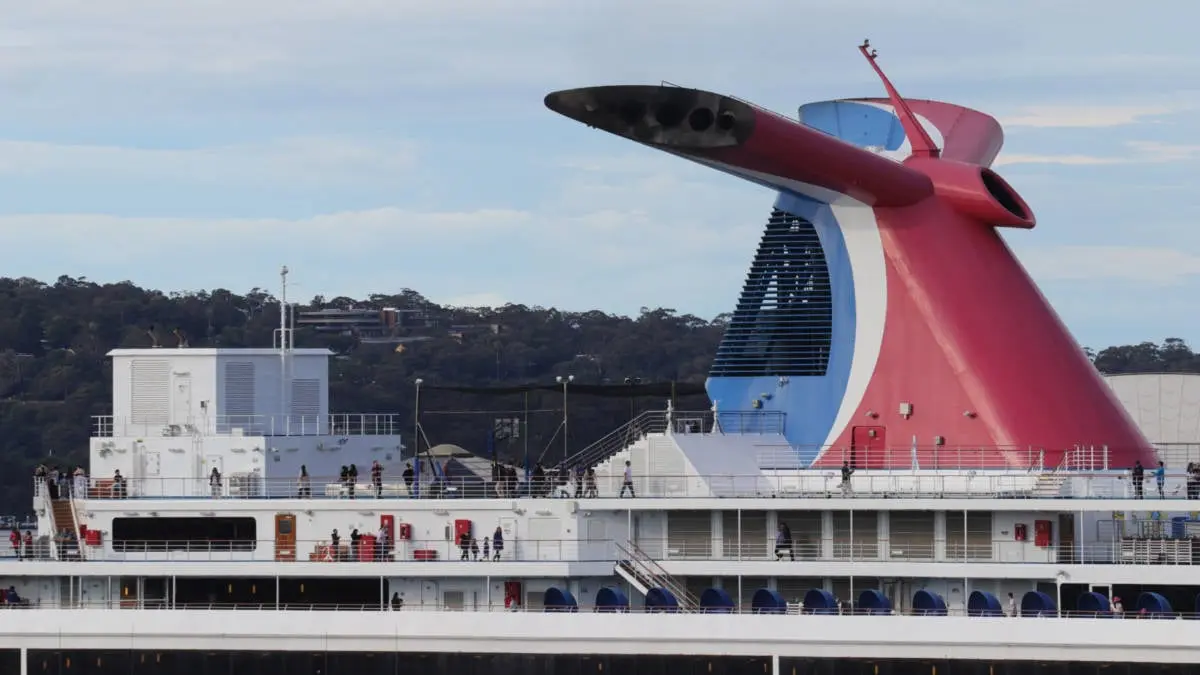
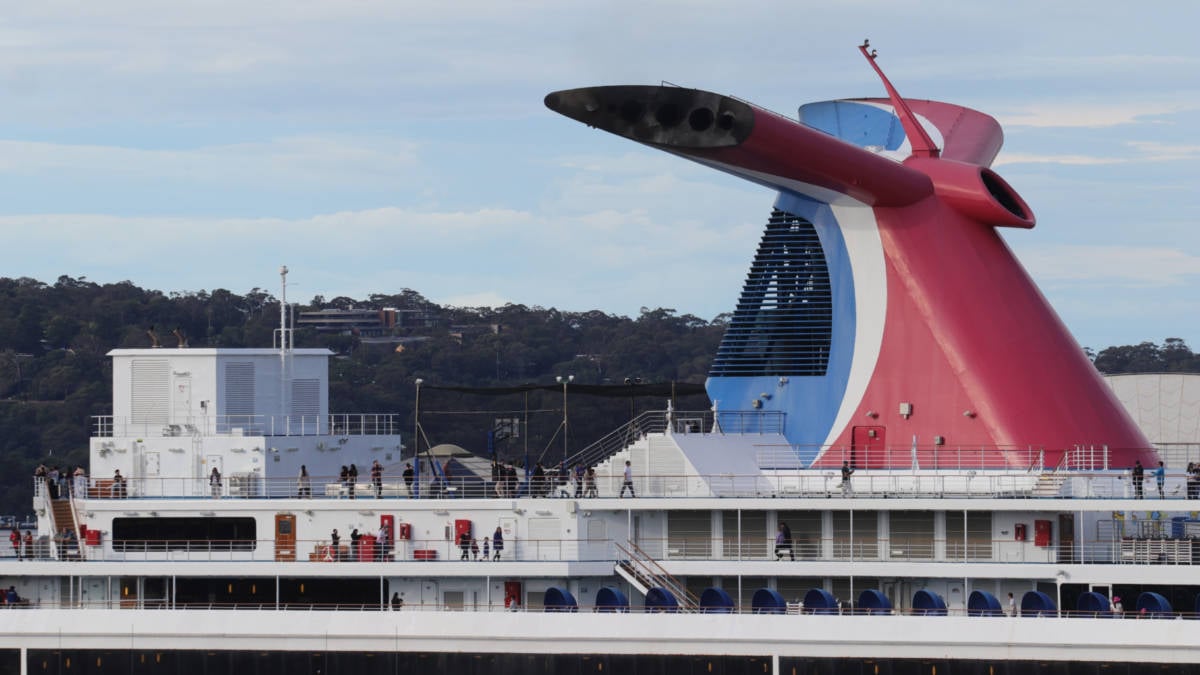
However, a well-intentioned gesture can quickly turn into a logistical and safety nightmare if it involves food. Carnival Cruise Line has reinforced a strict, non-negotiable policy prohibiting crew members from accepting homemade treats, such as freshly baked cookies, brownies, or pastries, from passengers. Originally implemented in early 2023, this regulation has once again taken center stage following a public reminder by Carnival Brand Ambassador John Heald. The advisory was issued in response to passenger friction, highlighted by an incident where a guest threatened to remove crew gratuities after her homemade cookies were politely refused.
This comprehensive report examines the intersection of guest generosity, strict maritime health and safety policies, and the psychological impact on crew members caught in the middle. We will explore the official regulations governing food brought onto cruise ships, the rationale behind these stringent safety measures, and how passengers can safely and effectively show appreciation for the hardworking men and women who keep the cruise industry afloat.
Detailed Chronology: The Evolution of Carnival’s Food Policy
To understand the current friction between passengers and crew, it is essential to trace how Carnival Cruise Line’s policies regarding homemade goods have evolved over time.
Pre-2023: The Era of Informal Hospitality
For decades, cruise culture operated on a much more informal basis. Passengers frequently brought regional specialties, homemade fudge, or family-recipe cookies aboard to hand out to favorite cabin stewards, dining room servers, and bar staff. While formal corporate guidelines have always discouraged the acceptance of cash or certain gifts outside established channels, food gifts were largely viewed through the lens of Southern hospitality and interpersonal warmth. Crew members, appreciative of the personal touch, would often accept these items without bureaucratic interference.
Early 2023: The Shift Toward Strict Regulation
As global public health standards shifted dramatically in the wake of the post-pandemic cruising resurgence, major cruise lines began reassessing all vectors of potential contamination and liability. In early 2023, Carnival Cruise Line officially closed this informal loophole by codifying a strict prohibition against crew members accepting homemade food items. The policy was integrated into broader corporate risk-management protocols designed to safeguard the health of crew populations living in tightly quartered, floating communities.
August 2026: The Public Relations Flashpoint
Despite the policy being in place for over three years, communication gaps persist among vacationers. On August 24, 2026, Carnival Brand Ambassador John Heald took to social media to address a fresh wave of passenger misunderstandings. Heald highlighted an incident involving a guest currently onboard a Carnival vessel who became deeply offended—and threatened financial retaliation by removing crew gratuities—after a crew member refused her homemade cookies.

Heald’s public intervention served as a vital educational moment, emphasizing that rejections are never personal. Instead, they are mandatory compliance measures designed to protect both the staff and the operational integrity of the ship.
The Core Rationale: Health, Safety, and Liability
While a batch of warm chocolate chip cookies is universally recognized as a symbol of love and appreciation, bringing unpackaged, home-cooked food into a commercial maritime environment introduces profound vulnerabilities. Carnival Cruise Line’s firm stance is built upon several foundational pillars of safety and risk management.
1. Allergen Control and Cross-Contamination
Modern commercial kitchens operate under rigorous hazard analysis critical control point (HACCP) systems to track allergens and prevent cross-contamination. Home kitchens, regardless of how impeccably clean they may be kept, are unregulated environments.
- A batch of cookies baked in a home kitchen may have been exposed to peanuts, tree nuts, dairy, gluten, or shellfish without the baker’s explicit awareness.
- For a crew member with severe food allergies living thousands of miles from a land-based hospital, consuming an unverified homemade item poses a life-threatening risk of anaphylaxis.
- Crew members cannot independently verify the ingredient list, putting absolute trust in a stranger’s baking environment—a risk that corporate policy explicitly forbids them from taking.
2. Biological and Chemical Safety
Beyond standard foodborne pathogens like Salmonella or E. coli—which can rapidly incapacitate a significant portion of a ship’s workforce and trigger devastating gastrointestinal outbreaks onboard—unregulated food items introduce unknown chemical variables. The cruise line has zero oversight regarding the water quality, cleanliness of utensils, expiration dates of ingredients, or storage conditions utilized prior to the food boarding the vessel. In a worst-case scenario, malicious or accidental contamination could incapacitate vital shipboard personnel, compromising the safety of the entire vessel.
3. Protecting the Crew from Awkward Interactions
Crew members are trained to be exceptionally polite, accommodating, and customer-service oriented. Rejecting a gift from a guest goes against their natural grain and hospitality training. When a passenger offers a homemade treat, the crew member is placed in an unenviable dilemma: accept a policy-violating item to avoid offending the guest, or politely decline and risk incurring the guest’s wrath, wounded pride, or retaliatory behavior (such as negative comment card reviews or the removal of tips).
By establishing a zero-tolerance, corporate-mandated ban, Carnival shifts the blame entirely away from the individual crew member. The staff can point directly to company policy, framing the refusal as a mandatory rule rather than a personal rejection.
Official Guidelines and Carnival’s Prohibited Items List
To clear up any ongoing confusion among travelers, Carnival Cruise Line maintains explicit documentation regarding what can and cannot be brought across the gangway.
What is Strictly Prohibited?
According to Carnival’s official Prohibited Items list (specifically referencing topic ID 1202), the following food categories are entirely barred from being brought onboard by passengers:
- Homemade foods: Any baked goods, cooked meals, or unpackaged treats prepared in residential kitchens.
- Pre-cooked foods: Meals prepared ahead of time at home or purchased from non-certified local vendors for consumption during the cruise.
What Is Allowed?
Carnival understands that passengers—especially those traveling with children, picky eaters, or individuals with strict dietary medical requirements—often need to bring specific snacks onboard. Consequently, the cruise line permits:
- Factory-sealed, unopened, pre-packaged snacks: Items such as potato chips, individually wrapped candy bars, granola bars, and crackers purchased from commercial retailers.
- Port-of-call snacks: Food items purchased during shore excursions are permitted, provided they remain in their original, unopened, factory-sealed packaging.
Crucially, these same pre-packaged, factory-sealed standards apply if a passenger wishes to gift an item to a crew member. While a crew member cannot accept a homemade brownie, they are legally and corporately permitted to accept an unopened box of commercially manufactured chocolates or sealed snacks.
Supporting Context & Metrics: The Human Element of Cruising
To fully appreciate why these rules matter, one must examine the unique working environment of a modern cruise ship employee.
The Demographics and Realities of Cruise Labor
- Prolonged Separation: The typical Carnival crew member works contracts lasting anywhere from four to nine months straight, working seven days a week without traditional weekends off.
- The Floating Community: Thousands of crew members live in compact, shared cabin spaces deep within the ship’s infrastructure, far removed from passenger-facing decks.
- Vulnerability to Outbreaks: Because crew quarters are densely populated, the introduction of any biological hazard—whether a respiratory virus or foodborne illness—can spread rapidly through the workforce, potentially threatening the operational continuity of the voyage.
Guest Intent vs. Practical Impact
Surveys and guest forums indicate that over 85% of passengers who bring gifts onboard do so out of genuine affection and gratitude for exceptional service. The intention is fundamentally noble. However, hospitality experts note that true appreciation respects the boundaries and safety protocols established by the employer. When a guest reacts defensively or punishes a crew member financially—such as threatening to strip away daily gratuities—it highlights a disconnect between consumer entitlement and the harsh realities of maritime labor regulations.
John Heald’s public reminder underscores a vital truth: gratuities are earned compensation for relentless, grueling labor, and they should never be weaponized because a crew member is diligently following safety protocols designed to keep them alive and healthy.
Future Outlook: Navigating Guest Relations Moving Forward
As the cruise industry continues to expand, managing expectations around passenger-crew interactions will remain a top priority for cruise line executives and brand ambassadors.
Enhanced Pre-Cruise Communication
To eliminate awkward gangway confrontations and protect crew morale, cruise lines are increasingly leaning toward digital pre-cruise communication. By highlighting prohibited items—including homemade foods—within automated check-in emails, mobile app notifications, and embarkation day signage, lines can significantly reduce the volume of unauthorized items reaching security checkpoints.
Promoting Alternative Expressions of Gratitude
Industry observers suggest that cruise lines can channel passenger generosity into more productive, universally accepted avenues. Rather than attempting to gift food or physical items that may violate security protocols, passengers can be encouraged to:
- Utilize Official Recognition Programs: Mentioning specific crew members by name on post-cruise surveys directly impacts their career advancement, bonuses, and internal recognition.
- Give Factory-Sealed Token Gifts: Directing appreciation toward commercially packaged items or leaving thoughtful, handwritten notes of thanks paired with standard gratuities provides the emotional boost of a personal gift without crossing health and safety boundaries.
Conclusion
Carnival Cruise Line’s ban on homemade treats is not an indictment of a passenger’s culinary skills or a rejection of their kindness. Rather, it is a necessary, non-negotiable boundary enforced to protect the health, safety, and well-being of thousands of maritime workers operating in a unique environment. By understanding and respecting these guidelines, cruisers can ensure that their expressions of gratitude remain a source of joy for the crew, rather than a burden of risk and embarrassment.