








WASHINGTON — For generations, the automobile has served as the quintessential symbol of American freedom. The open highway, the hum of the engine, and the independence of the steering wheel are deeply ingrained in the cultural fabric of the United States. Yet, beneath the romanticism of the Sunday drive lies a harsh and mounting reality. As urban planners, economists, and safety advocates increasingly point out, driving may offer an undeniable sense of enjoyment and convenience, but it is simultaneously exacting an astronomical toll on society—one measured in soaring household expenditures, staggering public infrastructure maintenance costs, and tens of thousands of preventable fatalities each year.
The paradox of the modern automobile is sharper today than ever before. Vehicles are more technologically advanced, comfortable, and entertaining than at any point in history, making the act of driving genuinely pleasurable for millions. At the same time, the true cost of car dependency—financial, physical, and environmental—has reached a critical juncture.
Executive Overview
To understand the modern American transportation landscape is to confront a fundamental contradiction: society continues to subsidize and prioritize a mode of travel that is economically punishing for individuals and lethally hazardous to the public.

Recent data underscores a sobering truth. While getting behind the wheel provides unmatched personal mobility in auto-centric cities, it has transformed into a financial liability for the average household. Fueled by persistent inflation, surging vehicle sticker prices, exorbitant insurance premiums, and volatile fuel costs, car ownership now consumes an unprecedented share of disposable income. Concurrently, American roadways have grown increasingly perilous. Traffic fatalities remain stubbornly high compared to peer nations, turning daily commutes into high-stakes gambles.
This investigative report examines the multifaceted crisis of car dependency in the United States. By analyzing economic metrics, public safety data, and the structural design of American communities, we explore why driving remains simultaneously beloved and burdensome, and what it will take to pivot toward a safer, more sustainable future.
Detailed Chronology: How America Became Shackled to the Steering Wheel
The current state of American driving did not happen overnight; it is the culmination of a century-long engineering and policy experiment that systematically favored private automobiles over all other forms of transit.
The Early Decades: The Rise of the Motoring Culture (1900–1945)
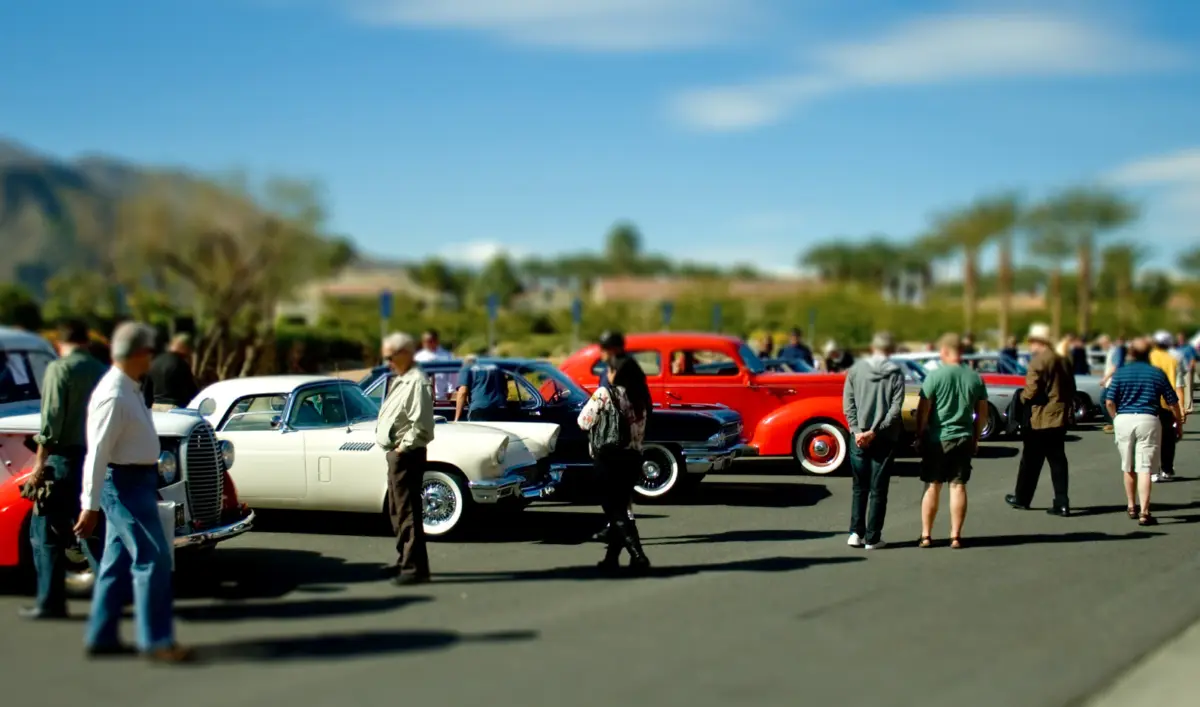
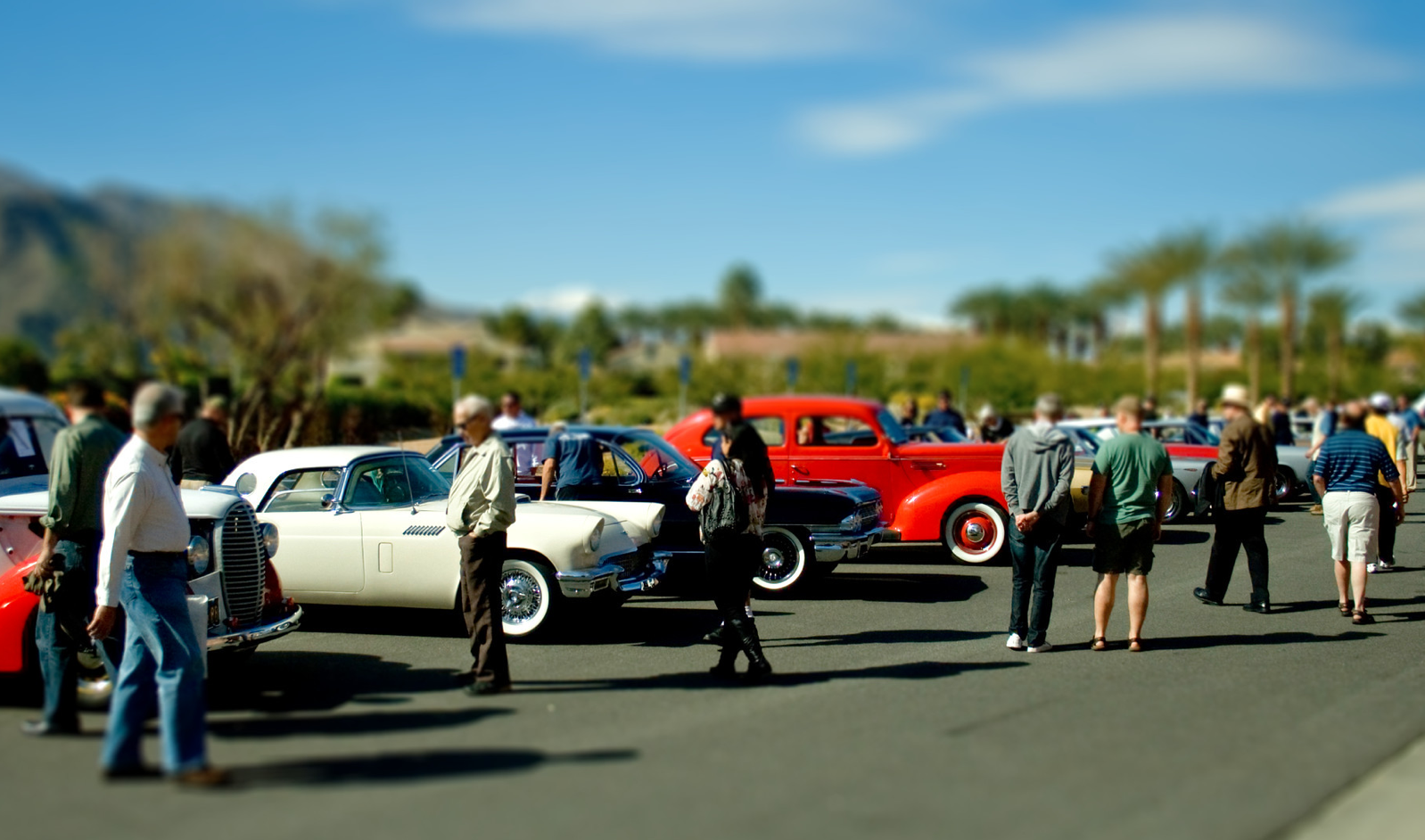
At the dawn of the 20th century, the automobile transitioned from a wealthy novelty to a mass-market commodity, largely catalyzed by Henry Ford’s assembly line. Driving was initially heralded as a liberating technology that freed rural populations from isolation and offered unprecedented recreational possibilities. However, even in these early years, the transition was fraught with friction. As the number of cars multiplied, urban streets—historically shared spaces for pedestrians, pushcarts, and children—became increasingly hostile, prompting the coining of the term "jaywalking" as the auto industry successfully shifted the blame for traffic violence onto pedestrians.
The Post-War Boom and the Interstate Era (1946–1980)
The true structural entrenchment of car dependency occurred in the decades following World War II. Bolstered by the Federal-Aid Highway Act of 1956, the federal government embarked on one of the largest public works projects in human history: the Interstate Highway System.
While these highways facilitated rapid interstate commerce and defense mobilization, they also gutted vibrant urban neighborhoods, catalyzed white flight, and subsidized the explosive growth of low-density suburbs. Zoning laws soon followed suit, mandating strict separation between residential and commercial areas. In this new paradigm, walking or biking became virtually impossible for daily errands, cementing the automobile not merely as a recreational choice, but as an absolute prerequisite for basic participation in economic life.
The Modern Era of Heavy, Expensive, and Dangerous Vehicles (1981–Present)
Over the past four decades, the American vehicle fleet has undergone a dramatic transformation. The cultural shift away from sedans toward larger, heavier light trucks, SUVs, and, more recently, massive electric vehicles (EVs) has redefined the road.
While these vehicles offer drivers a heightened sense of physical security and comfort, their physical footprint has exacerbated both roadway danger and environmental strain. Concurrently, the cost of acquiring and maintaining these machines has skyrocketed, transforming car ownership from a middle-class baseline into a significant financial strain.
Supporting Context & Metrics: The True Price of the Open Road
To grasp why driving is categorized as both exhilarating and ruinous, one must look closely at the data governing household economics and public safety.

The Financial Burden
According to recent analyses from automotive associations and financial institutions, the cost of owning and operating a new car in the United States has reached record highs, frequently exceeding $10,000 to $12,000 annually when factoring in depreciation, financing, fuel, insurance, maintenance, and taxes.
- Vehicle Acquisition: Average transaction prices for new vehicles have hovered near historic peaks, driven by consumer demand for larger models loaded with complex computer chips and driver-assistance technology.
- Insurance Premia: Driven by rising repair costs—due to sensors embedded in bumpers and windshields—alongside an increase in severe accidents, auto insurance rates have seen double-digit percentage spikes nationwide.
- Hidden Societal Costs: Beyond household budgets, municipal governments face a monumental fiscal deficit. The vast expanse of asphalt required to park and move private vehicles demands endless repaving, expanding, and policing. Because low-density auto-centric development generates less tax revenue per acre than traditional walkable downtowns, many cities struggle to maintain basic infrastructure without sliding into debt.
The Public Safety Crisis
The phrase "driving is dangerous" is not hyperbole; it is a statistical reality, particularly in the United States. While nations in Europe and Asia have successfully driven traffic fatalities downward through systemic infrastructure redesigns (such as Vision Zero initiatives), American roads have grown deadlier over the past decade.
- Pedestrian Vulnerability: Pedestrian and cyclist fatalities have surged to levels not seen in decades. The proliferation of high-riding SUVs and pickup trucks, which possess larger blind spots and deliver higher points of impact, has exponentially increased the lethality of crashes involving vulnerable road users.
- Distracted Driving: The integration of dashboard touchscreens, smartphones, and complex infotainment systems has introduced unprecedented levels of cognitive and visual distraction into the cockpit.
- Speed and Design: American arterial roads are frequently engineered like runways—wide, straight, and devoid of friction—encouraging drivers to travel at speeds incompatible with human survival in the event of a collision.
Official Statements and Advocacy Perspectives
The debate over the future of American mobility has drawn sharp contrasts between traditional automotive stakeholders, urban advocates, and public health officials.
Transportation and urban advocacy groups, such as Streetsblog, have long championed the movement to end car dependency. Proponents argue that the current system forces individuals into an expensive trap while alienating children, the elderly, and low-income residents who cannot afford or safely operate a motor vehicle.
"For too long, American transportation policy has operated under the false assumption that maximum speed for private cars equals maximum societal freedom," notes an urban mobility analyst in Washington. "In reality, designing our entire society around a two-ton metal box has robbed people of genuine freedom—the freedom to walk safely, to send their kids outside without fear, and to spend their hard-earned money on things other than insurance, gas, and car payments."
Conversely, representatives of the automotive sector and traditional infrastructure lobbies emphasize the indispensable role of the personal vehicle in connecting vast geographic expanses where public transit is economically unfeasible. They point to rapid advancements in vehicle safety technology—such as automatic emergency braking, lane-keep assist, and structural crumple zones—as proof that the industry is actively working to mitigate the inherent dangers of the road.

Furthermore, proponents of automotive freedom argue that for millions of Americans living in rural and suburban communities, the car remains the only viable tool to access employment, healthcare, and education. They contend that any policy shift must focus on technological upgrades—such as electrification and autonomous driving—rather than restricting the availability of personal vehicles.
Future Outlook: Navigating Toward a Sustainable Horizon
As we look toward the middle of the 21st century, the status quo of American driving faces mounting pressures that make transformation inevitable, whether by design or by crisis.
The Promise and Limits of Electrification
The transition to electric vehicles (EVs) offers a vital pathway to reducing carbon emissions and mitigating the climate impacts of internal combustion engines. However, critics point out that EVs do not solve the fundamental structural issues of car dependency. Heavier than their gas-powered counterparts due to massive battery packs, EVs can actually exacerbate the wear and tear on roads and increase the severity of pedestrian impacts if vehicle weight is left unregulated. Moreover, electrification does little to alleviate urban traffic congestion or the financial burden of vehicle ownership.
The Shift Toward Multimodal Infrastructure
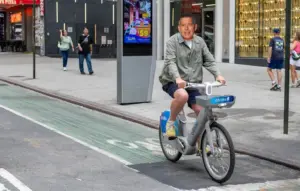
A growing number of metropolitan areas are beginning to rethink their DNA. Cities from coast to coast are investing in protected bike lanes, expanded bus rapid transit (BRT) networks, and pedestrianized downtown zones. By offering viable, safe alternatives to the car, these municipalities are attempting to untangle the economic and physical hazards of forced car ownership.
Ultimately, the future of American mobility hinges on choice. Driving will undoubtedly retain its appeal for road trips, rural connectivity, and the sheer pleasure of the open road. However, until policy makers and urban designers create communities where driving is a genuine choice rather than a mandatory tax on existence, the American motorist will continue to pay an unacceptably high price—in dollars, health, and human lives.