





Executive Overview
The modern transportation sector is undergoing a profound and accelerating transformation. Driven by stringent environmental mandates, rapid technological advancements, and a growing societal demand for seamless, equitable mobility, public transit agencies, original equipment manufacturers (OEMs), and private suppliers are forging new paths. From comprehensive zero-emission fleet electrification initiatives to advanced on-board telemetry, paratransit expansions, and cooperative municipal procurement contracts, the industry’s stakeholders are actively rewriting the playbook for public and private transit.
This comprehensive industry briefing explores the latest developments, strategic partnerships, and capital investments steering the transportation sector forward. Highlighting major moves by transit heavyweights—including ChargePoint, Eaton, The Routing Company, Wi-Tronix, ENC, Complete Coach Works, and Scheidt & Bachmann—this report provides an authoritative snapshot of the engineering projects, regulatory compliances, and business strategies driving the modern mobility revolution.
Detailed Chronology: Key Industry Developments
1. Powering the Future: Santa Monica’s Transition to Zero-Emission Fleets
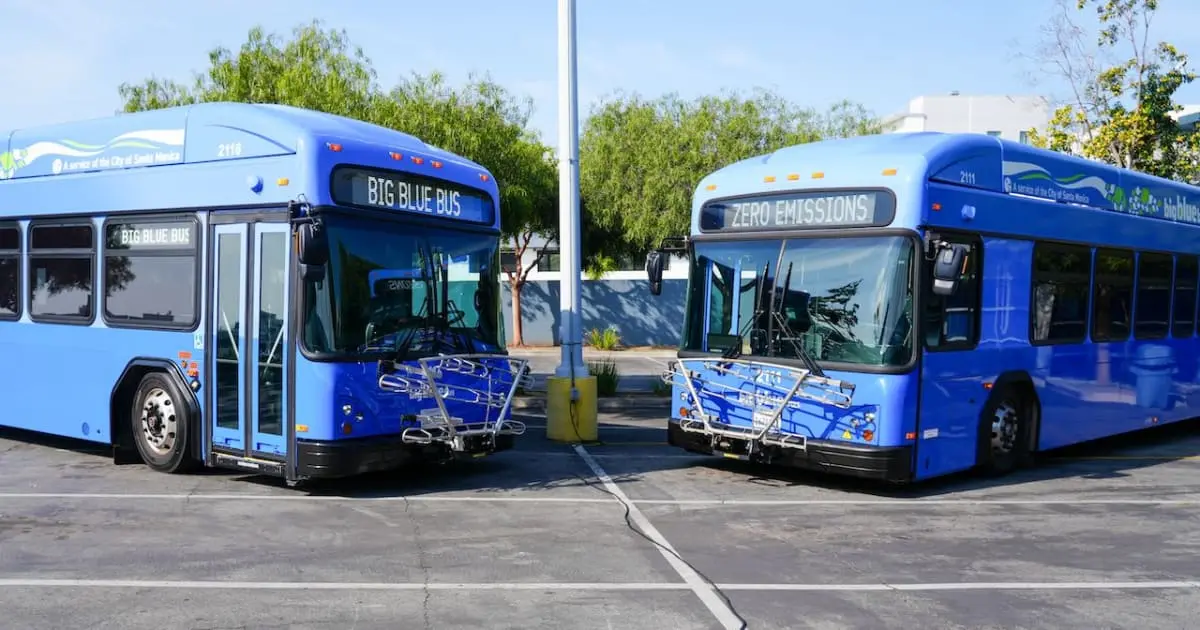
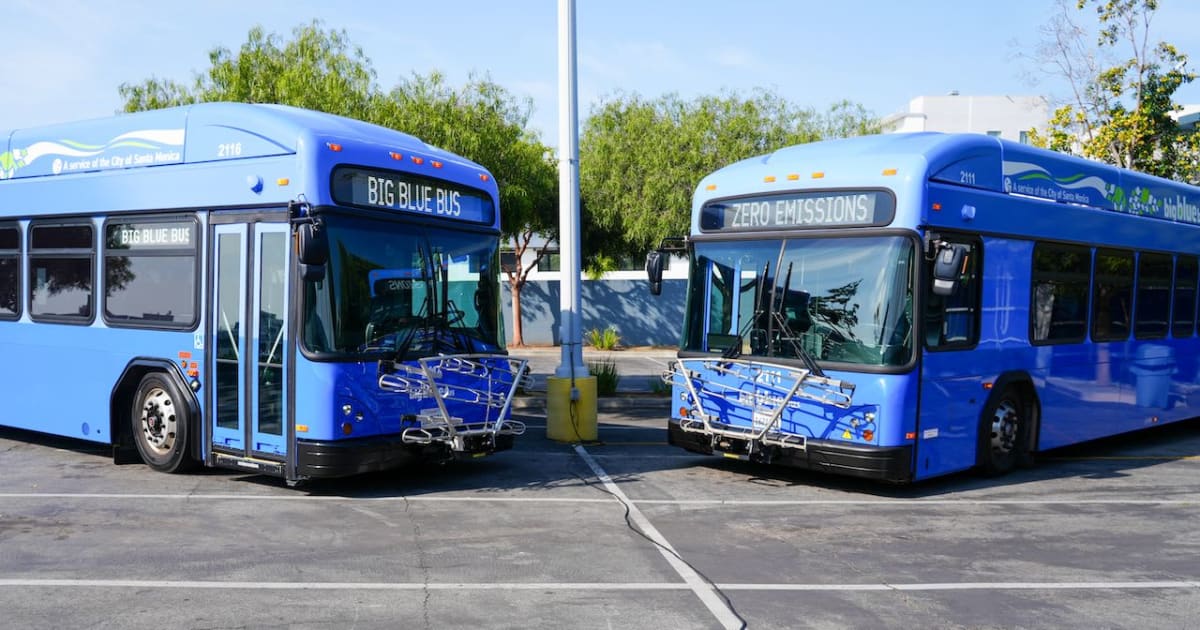
As municipal governments across North America race to meet ambitious climate action goals, California continues to lead the charge. The Santa Monica Department of Transportation has taken a monumental step toward its ultimate objective of an all-electric fleet by 2032 through a high-profile collaboration with electrification giants ChargePoint and Eaton.
This initiative forms a cornerstone of Santa Monica’s broader $56 million investment in advanced electric transit infrastructure. To successfully power its renowned Big Blue Bus network, the project integrates ChargePoint’s cutting-edge DC fast-charging hardware and proprietary fleet management software with Eaton’s robust electrical distribution infrastructure and advanced energy management systems.
Under the terms of the deployment, Big Blue Bus will implement 130 DC fast-charging ports utilizing ChargePoint’s high-output Express Plus charging architecture. To support this massive draw of electrical power, Eaton is supplying critical infrastructure components, including medium-voltage switchgear, advanced switchboards, and specialized panelboards, alongside vital engineering and project management services.
Simultaneously, ChargePoint’s specialized fleet software will give transit operators unprecedented visibility. The platform will monitor electric buses in real-time across active routes and within depot facilities, efficiently manage complex charging schedules, and generate detailed performance analytics to optimize battery health and vehicle range.
2. Expanding Campus Accessibility: The Routing Company and VCU Launch RamsLink
In higher education transit, accessibility and flexibility remain paramount. The Routing Company (TRC) has officially launched RamsLink, a pioneering paratransit service designed to serve the expansive Monroe Park and MCV campuses of Virginia Commonwealth University (VCU).

Powered by TRC’s dynamic, AI-driven Pingo platform, RamsLink offers registered students, faculty, and staff reliable point-to-point transportation tailored to both temporary and long-term mobility requirements. Riders can effortlessly schedule, track, and manage their trips using the intuitive Ride Pingo mobile application.
RamsLink integrates seamlessly into VCU’s existing suite of Pingo-powered transportation options, which includes the late-night RamSafe security transit service and daytime RamRide campus shuttles. Together, these services have logged an impressive milestone, providing nearly 2.5 million individual passenger trips since 2024. The expansion underscores the growing reliance on algorithmic, demand-responsive transit models to solve complex first-mile/last-mile campus mobility challenges.
3. Enhancing Rail Reliability: The Port Authority Awards $10M Contract to Wi-Tronix
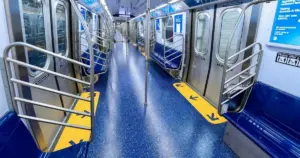
Rail infrastructure and passenger safety have received a substantial boost on the East Coast. The Port Authority of New York and New Jersey has officially awarded a $10-million contract to Wi-Tronix to deploy state-of-the-art onboard diagnostic and recording technology across the entire PATH (Port Authority Trans-Hudson) commuter rail fleet.
This major capital investment is designed to ensure rigorous regulatory compliance while dramatically elevating service reliability for millions of annual commuters. The Wi-Tronix system delivers real-time visibility into the mechanical health of every individual railcar, allowing maintenance teams to proactively identify and address potential component failures before they result in catastrophic service disruptions.
Crucially, the technology ensures PATH’s full compliance with Federal Railroad Administration (FRA) mandates—including the FAST Act requirement for secure, high-definition onboard image and audio recording. By modernizing data capture and retrieval, PATH engineers can access diagnostic feeds remotely, drastically reducing incident response times, accelerating vehicle turnaround, and keeping more cars available during peak service hours.
The rollout will encompass more than half of PATH’s 422-car commuter fleet, with full installation and system-wide implementation slated for completion ahead of the federal mandate deadline in October 2027. This multi-million-dollar contract is the culmination of a rigorous multi-year vetting process that began in 2023 through the prestigious Transit Tech Lab program, managed by the Partnership Fund for New York City, where Wi-Tronix’s technology was rigorously tested in a live, high-volume transit environment.
4. Cooperative Procurement: ENC Named to North Carolina’s PART Consortium Contract
Streamlining vehicle procurement while maximizing budgetary efficiency remains a top priority for public transit authorities. ENC (ElDorado National – California) has been named as an approved manufacturer on a major five-year cooperative transit bus contract led by the Piedmont Authority for Regional Transportation (PART).
The expansive consortium agreement establishes a guaranteed base quantity of 49 buses, backed by options for an additional 50 vehicles, bringing the potential total procurement to 99 heavy-duty transit buses over the five-year term. Participating municipal and regional transit agencies include PART, the Winston-Salem Transit Authority (WSTA), and Link Transit of Burlington, North Carolina. Under the terms of the cooperative agreement, participating agencies are authorized to procure vehicles directly from either ENC or New Flyer.
By utilizing a cooperative procurement vehicle, participating agencies bypass the time-consuming and costly process of conducting independent competitive solicitations. This streamlined approach significantly reduces administrative overhead and shortens vehicle acquisition timelines—a vital advantage for smaller municipal operators with constrained resources, allowing them to redirect capital directly toward route expansion and passenger experience initiatives.
The contract offers deep configuration flexibility. PART retains the option to purchase 30-foot E-Z Rider II and 40-foot AXESS diesel buses, alongside other length variants. WSTA may order 33-foot AXESS and E-Z Rider II models, as well as 35-foot diesel-electric hybrids, while Link Transit is positioned to acquire 33-foot AXESS diesel-electric hybrids. This award builds directly upon an established partnership formed in 2022, when PART first selected ENC to supply E-Z Rider II diesel buses.
5. Fleet Longevity: Complete Coach Works Delivers Refurbished Gillig Buses to Roberts Hawaii
While new zero-emission vehicles capture headlines, sustainable fleet management often involves breathing new life into dependable legacy assets. Complete Coach Works (CCW) has successfully completed and delivered two fully refurbished 2007 35-foot Gillig Low Floor diesel buses to Roberts Hawaii, prepared at CCW’s advanced conversion and manufacturing headquarters in Riverside, California.
This delivery reinforces a decades-long partnership between CCW and Roberts Hawaii, dedicated to maintaining robust, adaptable transportation networks across the Hawaiian Islands. The extensive rehabilitation project involved rigorous structural and mechanical overhauls designed to maximize vehicle lifecycle and passenger safety.
Key project milestones executed by the CCW engineering team included:
- A complete, high-grade interior and exterior repaint to modern aesthetic standards.
- The comprehensive replacement of all critical service components, encompassing fluids, filters, drive belts, and heavy-duty batteries.
- Rigorous testing and verification of HVAC, electrical power distribution, and ADA-compliant wheelchair accessibility systems.
- Comprehensive mechanical inspections and overhauls spanning engine, transmission, braking, and steering subassemblies.
The rejuvenated buses enable Roberts Hawaii to maintain exceptional fleet flexibility and reliability, ensuring safe, dependable transportation for both local residents and millions of international visitors throughout the islands.
6. Farebox Modernization: NEORide Selects Scheidt & Bachmann USA
In the realm of fare collection, reliability and regional interoperability remain foundational. Scheidt & Bachmann USA Inc. was selected through a rigorous, competitive procurement process by NEORide to provide advanced cash farebox systems to its diverse roster of member transit agencies.
NEORide functions as an influential regional council of governments representing 45 public transit agencies spread across 13 states. Katherine Conrad, executive director of NEORide, emphasized the strategic value of the partnership:
"We are pleased to offer Scheidt & Bachmann’s Farebox System to our members. Selecting S&B through a competitive procurement ensures our agencies receive proven, dependable solutions that meet both current and future needs."
Company representatives echoed these sentiments, noting that Scheidt & Bachmann is honored to merge its industry-standard farebox technologies with NEORide’s collaborative municipal framework to deliver measurable operational efficiencies.
Supporting Context & Metrics
To fully appreciate the scope of these developments, one must examine the macroeconomic and regulatory pressures shaping the modern transit ecosystem:
- Electrification Milestones: The global push toward zero-emission fleets is underpinned by massive state and federal grants, such as Santa Monica’s $56 million infrastructure injection. Transitioning a depot requires heavy civil engineering, medium-voltage switchgear integration, and intelligent load-management software to prevent grid overload during peak depot charging hours.
- Regulatory Compliance: Mandates enforced by bodies like the Federal Railroad Administration (FRA)—such as the FAST Act requirements for onboard audio and visual data logging—are transforming passive rail rolling stock into intelligent, data-rich assets. Companies like Wi-Tronix are bridging the gap between mandatory compliance and predictive mechanical maintenance.
- Cooperative Procurement Efficiency: Consortia agreements, such as the PART contract featuring ENC, demonstrate a growing trend toward collaborative purchasing. By pooling procurement power, smaller and mid-sized transit agencies save hundreds of administrative hours and thousands of dollars, directly accelerating fleet modernization timelines.
- Sustainable Upcycling: Heavy-duty transit asset rehabilitation by firms like Complete Coach Works proves that fleet sustainability extends beyond greenfield purchases. Mid-life and late-life refurbishments offer cost-effective pathways for operators—particularly in geographically isolated markets like Hawaii—to maintain peak fleet availability without incurring the immense capital costs of new vehicle acquisitions.
Future Outlook: The Horizon of Global Mobility
The convergence of electrification, artificial intelligence, and rigorous regulatory standards signals an unprecedented era of evolution for the transportation industry. As public transit agencies face rising commuter expectations and strict carbon-reduction timelines, the strategies adopted today will dictate the operational resilience of cities for decades to come.
Looking ahead, several key trends will dominate the mobility landscape:
- Grid-Integrated Depots: As transit agencies scale up zero-emission fleets—exemplified by Santa Monica’s partnership with ChargePoint and Eaton—the integration of microgrids, battery energy storage systems (BESS), and AI-driven load balancing will become standard operating procedure for depot management.
- Algorithmic Paratransit: The phenomenal growth of platforms like The Routing Company’s Pingo proves that demand-responsive software is no longer a peripheral amenity but a core pillar of urban and campus mobility, bridging equity gaps and lowering operational overhead.
- Predictive Telemetry in Rail: The widespread adoption of onboard diagnostic technologies, as seen in the PATH rail network, will shift maintenance cultures entirely from reactive repairs to predictive analytics, drastically cutting down on unplanned service outages.
- Circular Economy in Transit: With rising vehicle acquisition costs and supply chain complexities, professional bus rebuilding and refurbishment will continue to serve as a vital economic engine, allowing operators to extend asset lifecycles sustainably.
Ultimately, the projects, partnerships, and business moves highlighted in this briefing illustrate an industry characterized by agility, technical ingenuity, and an unwavering commitment to safety, sustainability, and service excellence.