Is the next major album drop from Taylor Swift, Drake, Bad Bunny—or any of contemporary music’s reigning titans—going to kill you? It sounds like a sensationalized premise, a hyperbolic warning designed to generate clicks in an era dominated by hyper-fixated fandoms. Yet, beneath the hyperbole lies an unsettling, empirically supported reality: the modern blockbuster album release is no longer confined to the digital ether of Spotify or Apple Music. Instead, it manifests physically as a massive logistical event, transforming urban environments through midnight release parties, pop-up merchandise shops, sudden surprise concert announcements, and stadium-sized listening sessions.
When tens of thousands of ecstatic, distracted, and often sleep-deprived fans converge simultaneously on urban cores, they do so within a landscape built not for human celebration, but for the swift, unimpeded movement of automobiles.
For decades, urban planners, public health researchers, and safe-streets advocates have documented the lethal synergy between high-density pedestrian crowds and car-centric infrastructure. When massive cultural events inject tens of thousands of pedestrians into poorly lit downtown corridors, sprawling asphalt deserts, and high-speed stroads devoid of adequate crosswalks, the results are routinely catastrophic. This investigative report examines how the modern entertainment complex—fueled by the unprecedented economic weight of megastar album drops—collides with America’s dangerous streets, turning moments of cultural euphoria into systemic public safety hazards.
Detailed Chronology: The Anatomy of a High-Stakes Release
To understand how a cultural milestone transforms into a physical hazard, one must trace the modern lifecycle of a blockbuster album release. The phenomenon has evolved far beyond the traditional Tuesday midnight drop of the late 20th century. Today, an album release is a meticulously engineered, multi-platform military operation.
Phase 1: The Cryptic Announcement and Digital Mobilization
Weeks or days before a drop, an artist hints at a new project. Within hours, millions of fans mobilize online. Algorithms amplify the hype, driving a frenzied anticipation that culminates precisely at midnight (Eastern Standard Time, typically) on release day. In major metropolitan areas like New York, Los Angeles, Chicago, and Atlanta, fans do not merely listen at home; they gather in public plazas, outside record stores, and around pop-up installations that spring up overnight.
Phase 2: The Midnight Rush and Physical Congestion
As the clock strikes midnight, thousands of fans hit the streets. Some stream out of midnight album-release parties hosted in clubs or urban listening lounges; others flock to impromptu street gatherings. Because municipal permitting processes are rarely nimble enough to accommodate pop-up cultural phenomena, these gatherings often spill directly off narrow, neglected sidewalks and onto multi-lane urban arterials.
Pedestrians high on the dopamine of a first listen are notoriously distracted. Glued to smartphones—analyzing lyric breakdowns, posting real-time reactions on social media, or navigating via ride-share apps—they step off curbs into environments dominated by speeding SUVs and heavy commercial traffic.
Phase 3: The Aftermath and Morning Commute Collision
The hazard does not end at 2:00 AM. As late-night release events wind down, exhausted fans navigate dimly lit streets to find public transit or waiting vehicles. Concurrently, commercial delivery trucks and early-morning commuters begin populating the exact same corridors. This temporal overlap—fatigued, distracted young pedestrians sharing space with hurried, high-speed motorists operating heavy vehicles—creates a dangerous recipe for traffic violence, frequently resulting in severe injuries and fatalities that rarely get traced back to the root cultural catalyst.
Supporting Context & Metrics: The Danger by Design
To frame the risks of mass-gathering cultural events, one must examine the perilous baseline of American street design. According to data from the National Highway Traffic Safety Administration (NHTSA) and advocacy groups like Smart Growth America, pedestrian fatalities in the United States have steadily climbed over the past decade, reaching historic highs.
The Car-Centric Trap
America’s urban and suburban transit corridors are overwhelmingly engineered for vehicle throughput rather than human safety. Wide lanes, lack of raised crosswalks, sparse street lighting, and excessively long pedestrian signal phases encourage speeding and diminish driver alertness.
When a sudden influx of pedestrian traffic hits these environments—such as the crowds drawn by a sudden pop-up shop or an impromptu street-level listening party—the existing infrastructure proves fatally inadequate:
The Speed Factor: Vehicle braking distances increase exponentially at higher speeds. On suburban "stroads" (stretches of road combining the high-speed design of a highway with the land-access property entries of a street), a pedestrian struck at 30 mph has a drastically lower survival rate than one struck at 20 mph.
Visibility Deficits: Many urban pop-up venues and record shops are located in industrial or commercial zones retrofitted with minimal pedestrian infrastructure. These areas often lack mid-block crossings, forcing fans to engage in dangerous mid-block jaywalking amidst heavy traffic.
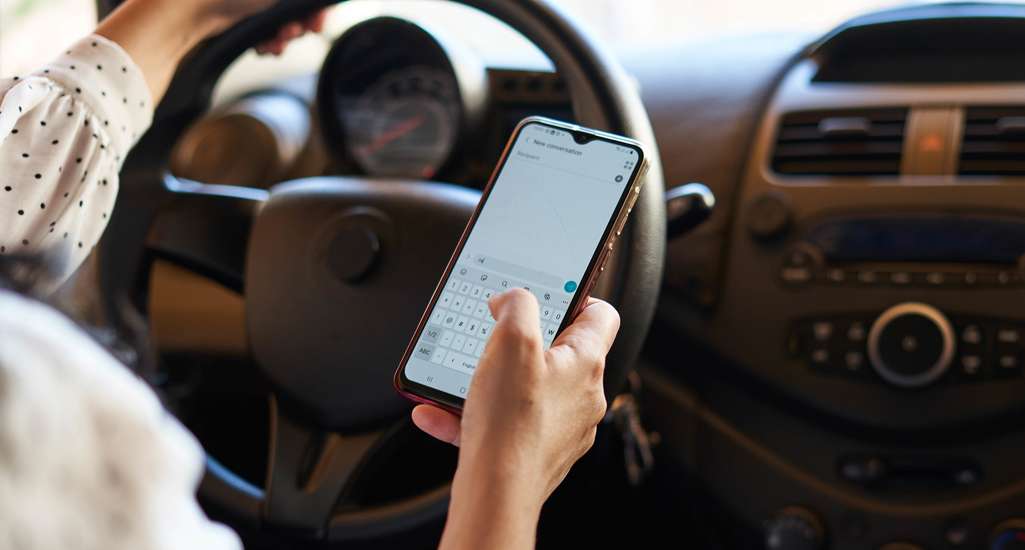
Distraction on Both Sides: Modern drivers are increasingly distracted by dashboard touchscreens, while pedestrians are consumed by mobile devices. During a major cultural event, this dual-distraction coefficient spikes exponentially.
Cultural Economics vs. Infrastructure Realities
The music industry is a multi-billion-dollar economic juggernaut. When a top-tier artist drops an album, the surrounding economic activity—merchandise sales, streaming surges, localized tourism, and hospitality spending—pumps millions of dollars into local economies. Yet, municipalities rarely reinvest these windfalls into temporary traffic-calming measures, pedestrian zones, or crowd-management infrastructure.
Instead, cities treat these pop-up events as transient anomalies, deploying standard police cruisers to manage traffic rather than redesigning the public right-of-way to protect human lives. This reactive approach treats the symptoms of unsafe street design while ignoring the systemic disease.
Official Statements & Expert Perspectives
Urban planners, safe-streets advocates, and public health officials are increasingly vocal about the need to reconcile massive cultural gatherings with resilient infrastructure.
"We design our public spaces under the assumption that pedestrians are an afterthought, minor anomalies to be managed so that cars can maintain an average speed of 40 miles per hour," says Dr. Elena Vance, an urban sociologist specializing in crowd dynamics and public safety. "When you drop a massive cultural event into a car-dependent wasteland—whether it’s a surprise stadium tour announcement or a midnight pop-up merchandise drop—you are setting up a collision between human euphoria and lethal geometry."
Transportation safety advocates point out that European cities handle large-scale public gatherings with far greater resilience due to pedestrian-first urban planning.
"In cities with robust transit networks, wide pedestrian plazas, and extensive traffic-calming measures, a sudden influx of 10,000 people celebrating an event is absorbed safely by the built environment," notes Marcus Brody, director of the urban advocacy coalition Streets for People. "In American cities, 10,000 excited fans spilling into the street means 10,000 people playing Russian roulette with distracted drivers piloting three-ton pickup trucks."
Music industry insiders, while reluctant to shoulder liability for urban design failures, acknowledge the growing logistical challenges of physical promotion. As digital saturation forces artists to rely heavily on physical touchpoints and experiential marketing, the physical footprint of music marketing has grown larger and more disruptive.
Future Outlook: Reimagining Streets for the Soundtracked City
As we look toward the future of urban entertainment, the intersection of pop culture and public safety demands a radical rethinking of how American cities manage public gatherings. The traditional playbook—relying on temporary barricades and reactive police deployment—is no longer sufficient in an era of hyper-connected, hyper-mobilized fandoms.
1. Proactive Infrastructure Adaptation
Cities with vibrant music scenes must begin treating entertainment logistics with the same seriousness as sporting events or political conventions. This includes implementing permanent traffic-calming features in commercial and arts districts—such as raised intersections, bulb-outs that shorten crossing distances, and protected bike and pedestrian corridors.
2. Event-Driven Open Streets
Municipalities should establish streamlined frameworks for "Event-Driven Open Streets," where popular commercial zones can be rapidly closed to vehicular traffic upon the announcement of major pop-ups or listening events. Prioritizing pedestrian zones during cultural milestones eliminates the risk of vehicular violence entirely.
3. Corporate and Municipal Partnerships
Record labels, streaming platforms, and concert promoters profit immensely from the physical energy surrounding album drops. Moving forward, these corporate entities should be required to contribute to local infrastructure mitigation funds, helping finance safer crosswalks, better street lighting, and dedicated pedestrian signage around high-density entertainment hubs.
Ultimately, the music that soundtrack our lives should not come at the cost of our lives. Until American street design evolves to prioritize human safety over vehicular velocity, every major album drop will continue to carry a hidden, devastating toll on our most vulnerable public spaces.