



Executive Overview
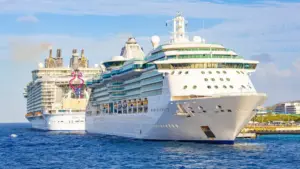
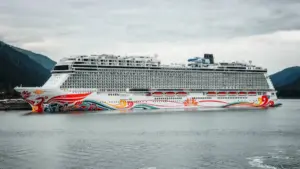
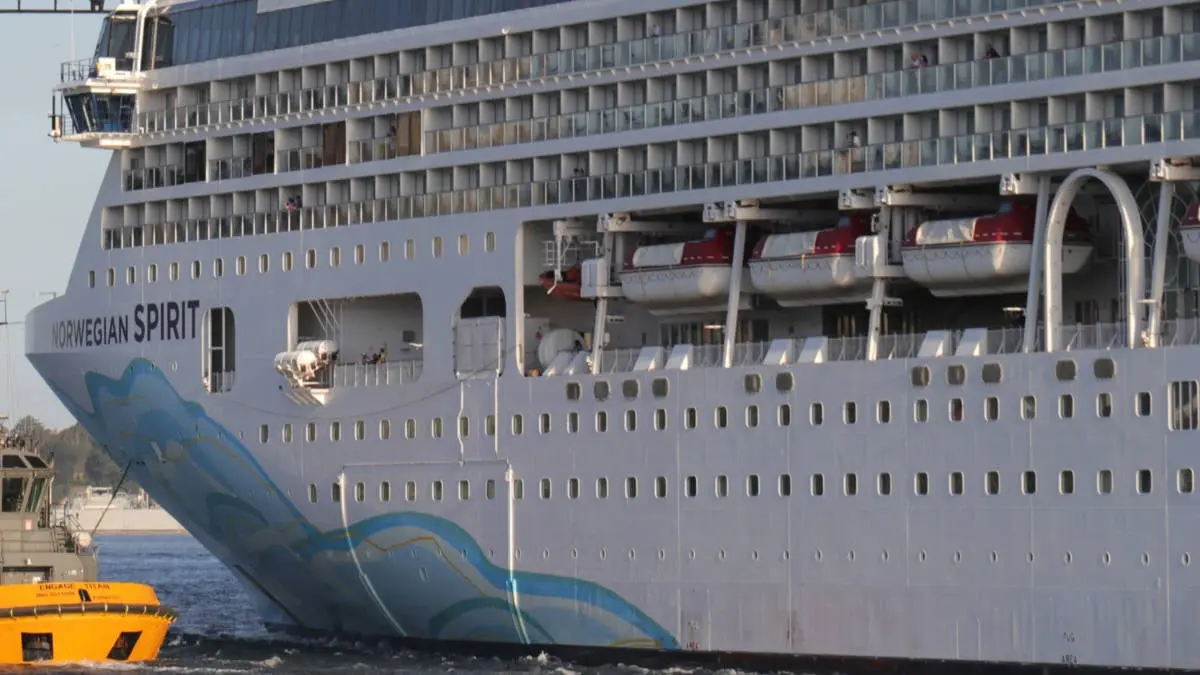
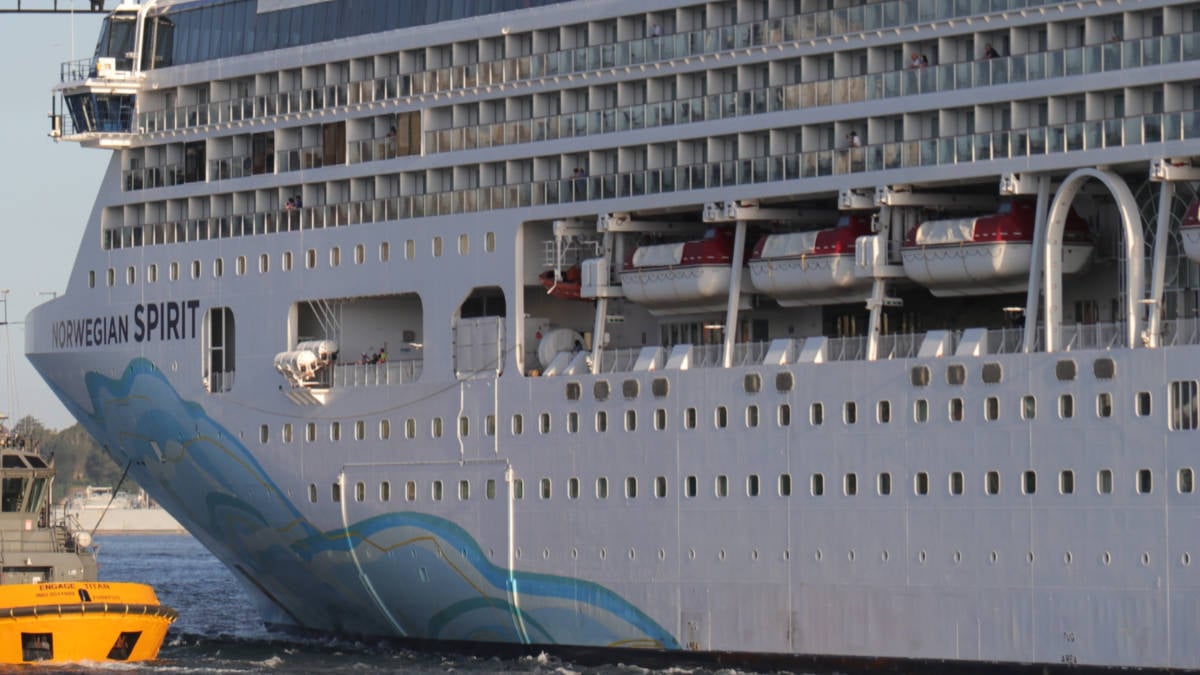
The aftermath of Tropical Storm Lala—which swept through the Hawaiian archipelago as a powerful hurricane before downgrading—continues to ripple across the region’s vital maritime infrastructure. Norwegian Cruise Line (NCL) has officially confirmed significant operational disruptions for two of its prominent vessels operating in the region: the 2,018-guest Norwegian Spirit and the 2,186-guest Pride of America.
With Honolulu Harbor subjected to strict closures and restricted maritime access under United States Coast Guard (USCG) Port Condition Zulu, NCL has been forced to delay the upcoming embarkation for the Norwegian Spirit to Monday, August 17. Meanwhile, the inter-island mainstay Pride of America remains stalled, awaiting clearance and berth availability as port authorities scramble to reorganize post-storm traffic schedules.
The disruptions highlight the vulnerability of cruise operations during extreme weather events, underscoring the complex logistical ballet required to safely reintegrate mega-ships into ports recovering from severe meteorological threats. Passengers booked on both vessels have been thrown into a holding pattern, navigating sudden itinerary modifications, delayed communications, and the inevitable disappointment that accompanies storm-altered vacations. This report provides a comprehensive breakdown of the unfolding situation, examining the timeline of events, regulatory protocols governing port reopenings, and the broader implications for the affected itineraries.
Detailed Chronology of the Disruptions
The Approach and Impact of Tropical Storm Lala
In the days leading up to the mid-August disruption, meteorological agencies tracked the rapid intensification of a severe weather system designated as Hurricane Lala. As the storm churned across the Pacific toward the Hawaiian Islands, it packed powerful winds, torrential downpours, and treacherous marine conditions, creating hazardous swells along the coastlines.
Recognizing the severe threat to vessel safety and port infrastructure, maritime authorities issued warnings across the region. Cruise operators quickly pivoted their operational blueprints. While Pride of America made a tactical dash back to Honolulu Harbor to hunker down in advance of the severe weather, Norwegian Spirit elected to remain safely out at sea, staying clear of the storm’s direct path by riding out the worst of the turbulent weather well south of the islands.
Although Lala eventually weakened to a tropical storm before clearing the immediate area, its legacy remained visible in the form of heavy residual groundswells, compromised channel markers, and the potential accumulation of submerged debris blown or washed into vital shipping lanes.
Port Closures and the USCG Assessment Protocol
As of Sunday afternoon, local time, the United States Coast Guard maintained strict control over Honolulu Harbor, keeping the facility classified under Port Condition Zulu. Under this designation, all vessel movements and cargo operations are suspended, and the port is officially closed to incoming and outgoing traffic.
The rationale behind Port Condition Zulu following a severe storm is strictly safety-oriented. The USCG, in coordination with the National Oceanic and Atmospheric Administration (NOAA) and local harbor masters, must conduct comprehensive hydrographic surveys and physical inspections. These assessments are critical for identifying several potential hazards:
- Submerged Debris: High winds and storm surges can wash large objects, construction materials, and natural flotsam into narrow navigation channels, posing severe risks to ship propellers and thrusters.
- Structural Integrity: Docks, piers, and mooring bollards must be checked for structural fatigue, erosion, or collision damage caused by vessels straining against lines during the peak of the storm.
- Aids to Navigation (ATONs): Buoys, range lights, and electronic positioning markers can be dragged off-station by heavy currents and storm action, requiring recalibration before safe pilotage can resume.
While initial USCG inspections were slated for Sunday afternoon—with a targeted assessment window around 2:00 p.m. local time—the reopening of the port does not immediately translate to a free-for-all for waiting commercial traffic.
Supporting Context & Metrics: The Affected Vessels and Port Logistics
Managing a major cruise port like Honolulu in the wake of an emergency requires intricate scheduling. Even when the USCG lifts Port Condition Zulu and declares a harbor safe for navigation, the logistical bottleneck shifts from safety clearances to berth availability.
Vessel Profiles and Status
-
Norwegian Spirit
- Guest Capacity: 2,018 passengers.
- Current Location: Satellite tracking data placed the ship due south of Honolulu on Sunday, slowly steaming toward the port city at a steady speed of approximately 10 knots (11–12 miles per hour).
- Original Embarkation: Sunday, August 16.
- Revised Embarkation: Monday, August 17.
- Upcoming Itinerary: A 16-night, one-way bucket-list voyage departing Honolulu and terminating in Vancouver, British Columbia, featuring a blend of Hawaiian island ports and Alaskan destinations.
-
Pride of America
- Guest Capacity: 2,186 passengers.
- Current Location: Docked or waiting in the vicinity of Honolulu Harbor.
- Original Embarkation: Saturday, August 15.
- Revised Embarkation: Currently unconfirmed; pending berth availability and ongoing port prioritization.
- Significance: As the only large cruise ship flagged in the United States that operates year-round inter-island cruises exclusively within Hawaii, Pride of America represents a uniquely complex logistical challenge for NCL.
The Berth Allocation Bottleneck
When a major commercial port closes for even a day or two, a massive backlog of vessels—including container ships, fuel tankers, inter-island barges, and passenger liners—accumulates offshore or vies for limited pier space.
Honolulu Harbor possesses a finite number of berths capable of handling massive cruise vessels. Because cargo and fuel supplies are often prioritized immediately following a natural disaster to ensure community survival and economic stability, cruise ships frequently find themselves forced to wait in line. This explains why Norwegian Spirit, despite being scheduled for a Sunday departure, was pushed to Monday, while Pride of America faced an indefinite hold pending a revised master port schedule.
Official Communications and Guest Impact
Recognizing the anxiety and frustration experienced by thousands of travelers caught in the disruption, Norwegian Cruise Line deployed automated SMS text messaging and electronic mail updates to keep passengers informed as the situation evolved in real-time.
Direct Messaging from NCL
In text alerts transmitted to guests booked on the Norwegian Spirit’s August 16 departure, the cruise line outlined the realities of the situation:
"Delayed Embarkation Update: Hurricane Lala brought strong winds and challenging conditions to Hawaii. While Honolulu Harbor is expected to begin supporting vessel operations upon a successful inspection by the United States Coast Guard [USCG] later this afternoon, berth availability will be limited," the notification explained.
For guests scheduled to board Norwegian Spirit, NCL issued pragmatic instructions regarding the revised timeline. Travelers were advised to utilize the exact check-in arrival windows they had originally selected for Sunday, August 16, simply shifting the date forward to Monday, August 17. Detailed email communications containing further step-by-step instructions were concurrently dispatched to passenger inboxes.
For travelers booked on the stranded Pride of America, the messaging was necessarily more open-ended. Because port authorities could not yet guarantee when a berth would become available for the ship to resume its domestic Hawaiian circuit, guests were asked to exercise patience and await further updates.
Both sets of passenger communications concluded with a standard appeal for understanding:
"We appreciate your continued patience and flexibility as we work through this evolving situation and will keep you informed as new information becomes available."
Future Outlook: Itinerary Adjustments and Operational Recovery
As Norwegian Cruise Line prepares to welcome guests aboard the Norwegian Spirit for its delayed Monday departure, attention quickly shifts to the long-term feasibility of the 16-night transpacific voyage to Vancouver.
Navigating the Transpacific Schedule
A 16-night cruise from Honolulu to Vancouver is a tightly choreographed maritime operation. Every sea day and port stop is carefully timed to manage fuel consumption, engine maintenance windows, pilotage bookings, and dock reservations in multiple jurisdictions (including potential stops in secondary Hawaiian ports before heading north toward Alaska and British Columbia).
The loss of a full day at the start of the voyage creates a distinct operational dilemma for the ship’s captain and corporate route planners:
- Option A: Speed and Recovery. Norwegian Spirit possesses the engine capability to increase cruising speed while at sea. By burning additional fuel, the ship could potentially make up the lost time, allowing the scheduled port visits in Hawaii and Alaska to proceed without cancellation.
- Option B: Itinerary Alteration. If fuel efficiency, environmental regulations (such as emission control areas), or adverse ocean conditions prevent high-speed transit, NCL may be forced to truncate the itinerary. This could involve dropping one or more port calls in the Hawaiian Islands to ensure the vessel arrives in Vancouver on schedule on Tuesday, September 1.
Furthermore, any adjustments to port calls within the Hawaiian chain are complicated by the fact that smaller island ports may be dealing with their own storm-recovery challenges, infrastructure inspections, and localized berth availability bottlenecks.
Broader Industry Resilience
The disruptions caused by Tropical Storm Lala serve as a timely reminder of the unpredictable nature of marine tourism in tropical and subtropical regions during peak storm seasons. While cruise lines invest heavily in weather-routing software, predictive modeling, and contingency planning, the ultimate authority over maritime commerce rests with regulatory bodies like the United States Coast Guard.
For now, passengers on both the Norwegian Spirit and Pride of America are advised to monitor their communications channels closely, review updated travel insurance policies regarding trip interruption and delay benefits, and maintain open lines of communication with their travel advisors. As Honolulu Harbor gradually shakes off the meteorological blow dealt by Tropical Storm Lala and returns to standard operating conditions, NCL’s shore-side and onboard teams face the formidable task of restoring normalcy to two of the Pacific’s most popular cruise itineraries.