By the Streetsblog USA Investigative Desk Published August 27, 2026
Executive Overview
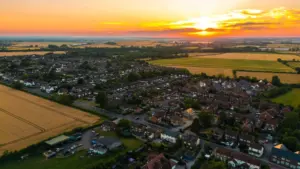
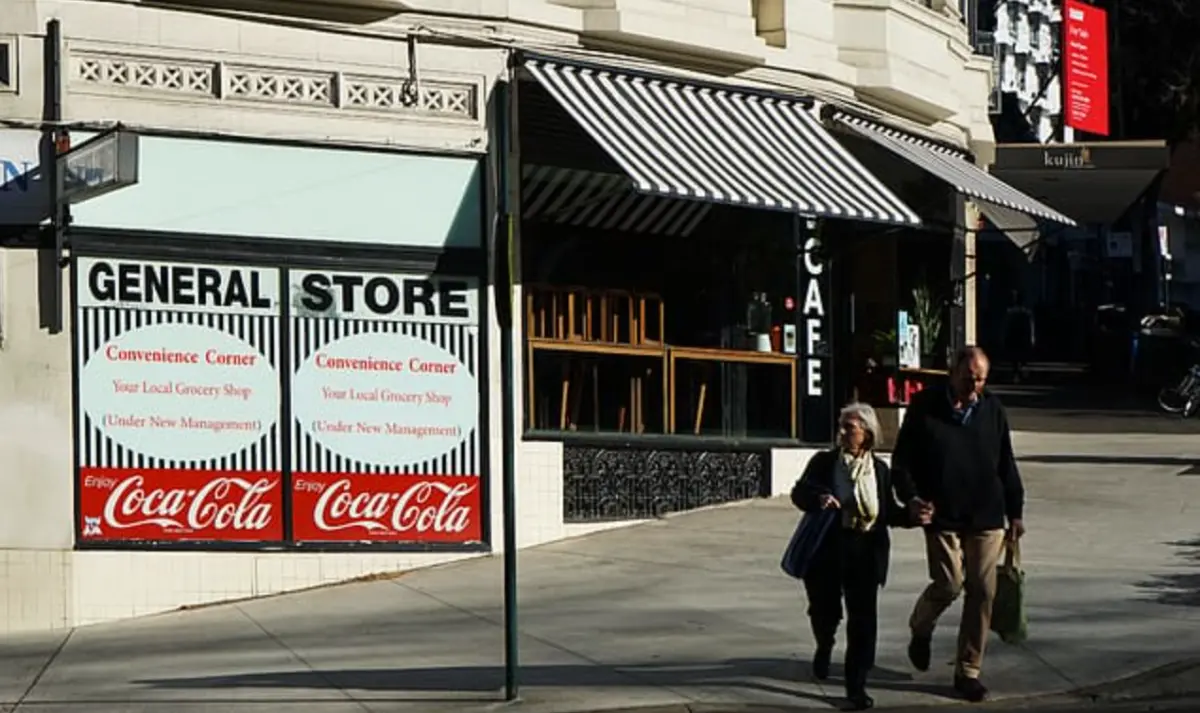
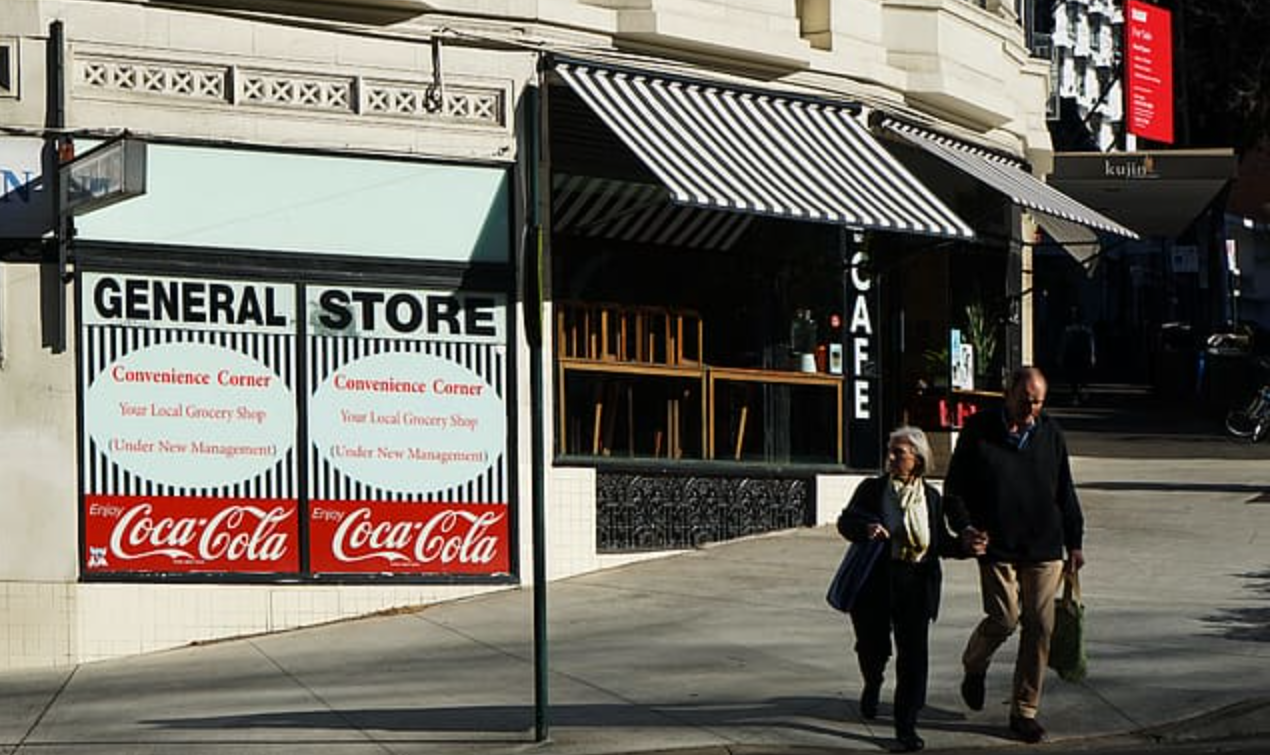
For decades, the spatial geography of the American landscape was defined by a clear and predictable dichotomy: dense, walkable urban centers contrasted against sprawling, car-dependent suburbs. Downtown cores offered pedestrian-scaled retail strips, public transit corridors, and concentrated foot traffic, while the suburban periphery relied on expansive parking lots, low-density subdivisions, and auto-oriented commercial strips.
However, a profound spatial inversion is underway across the United States.
Contemporary planning and demographic data reveal a striking convergence of crises. Urban centers are increasingly adopting the anti-pedestrian layout of the suburbs, driven by the aggressive encroachment of autocentric retail models—such as sprawling big-box footprints, drive-thru-heavy quick-service restaurants, and fortress-like strip malls. These car-centric typologies are systematically dismantling the pedestrian permeability of once-thriving city neighborhoods.
Simultaneously, a parallel crisis is unfolding on the suburban fringe. As global climate change accelerates, extreme weather events, unprecedented heatwaves, and intensified flash flooding are rendering traditional suburban living hostile to human movement. The lack of urban tree canopies, the prevalence of heat-absorbing asphalt, and the sheer distances between destinations transform outdoor navigation into a hazardous undertaking during climate emergencies.
This dual-front transformation threatens the fundamental goals of sustainable urbanism: ending car dependency and ensuring safe, equitable access to active transportation networks. This report investigates the mechanics of this metropolitan shift, analyzing how retail real estate trends and escalating climate shocks are rewriting the rules of American mobility.
Detailed Chronology: The Evolution of the Modern Mobility Crisis
To understand how American towns and cities arrived at this precarious crossroads, it is necessary to trace the convergence of real estate economics, municipal zoning policy, and environmental deterioration over the past twenty years.
Phase I: The Suburbanization of the Urban Core (2010–2018)
In the wake of the 2008 financial crisis, commercial real estate developers faced compressed margins in traditional suburban markets. Eager to capture younger, urban-dwelling demographics who expressed a strong preference for walkable lifestyles, national retail chains began pushing into dense cities.
However, rather than adapting their business models to fit historic urban fabrics—such as multi-story storefronts with zero setback from the sidewalk—many major brands insisted on formats optimized for vehicular throughput. Municipalities, eager for tax revenue following the economic downturn, frequently granted zoning variances.
Consequently, city blocks historically defined by continuous storefronts and human-scaled architecture began seeing drive-thrus, surface parking lots, and auto-oriented strip developments inserted directly into dense neighborhoods. Urban planners noted a quiet suburbanization of urban commercial corridors, where the pedestrian was forced to navigate endless curb cuts, speeding vehicle traffic entering and exiting commercial driveways, and blank building facades devoid of architectural engagement.
Phase II: The Pandemic Acceleration and Retail Shifts (2020–2023)
The COVID-19 pandemic catalyzed shifts in consumer behavior that permanently altered the American streetscape. The explosive growth of delivery app ecosystems, curbside pickup mandates, and contactless commerce placed a premium on vehicular access.
Cities desperate to support local businesses rushed to permit temporary and permanent drive-thru lanes, expanded curbside loading zones for delivery fleets, and sprawling outdoor queuing spaces for motor vehicles. Sidewalks that had been reclaimed for outdoor dining and pedestrian safety were increasingly partitioned or compromised to accommodate the logistics of car-centric convenience.
During this same period, suburban municipalities experienced a real estate boom as urban residents fled dense centers. Yet, these destination suburbs—largely built out during the mid-to-late 20th century without sidewalks, connected pathways, or shade structures—proved entirely unprepared for the climatic stresses of the coming decade.
Phase III: The Climate Reckoning and the Suburban Heat Trap (2024–2026)
By the mid-2020s, the compounding effects of climate change collided directly with car-dependent suburban planning. Record-shattering summer temperatures exposed the fatal flaw of the suburban design model: the extreme urban heat island (UHI) effect amplified by vast expanses of uninterrupted asphalt.
Suburban areas, historically designed with wide boulevards and sparse tree canopies to accommodate high-speed vehicular traffic, transformed into thermal traps. Residents attempting to walk or bike to local amenities—such as neighborhood schools, parks, or commercial plazas—faced life-threatening heat indices.
Simultaneously, heavy downpours overwhelmed suburban stormwater management systems, which rely on archaic culverts and open ditches rather than green infrastructure. The resulting flash floods frequently washed out unprotected shoulders and unpaved pathways, severing what few pedestrian connections existed. Suburbs, designed exclusively for the climate conditions of the 20th century, became physically impassable without an enclosed motor vehicle.
Supporting Context & Metrics: The Anatomy of a Dual Crisis
The degradation of walkability across both urban and suburban landscapes is supported by empirical spatial analysis, traffic safety data, and environmental monitoring.
The Urban Threat: The Return of the Curb Cut
Urban walkability depends heavily on "frictionless" pedestrian pathways—sidewalks uninterrupted by vehicular conflicts. Every driveway or curb cut introduces a potential point of conflict between a pedestrian and a motor vehicle.
According to recent urban mobility audits:
Curb Cut Density: In rapidly commercialized urban corridors, the number of driveway curb cuts per mile has increased by an estimated 28% over the past decade, driven largely by the proliferation of drive-thru pharmacies, fast-food outlets, and convenience retail.
Pedestrian Yield Rates: Observational studies indicate that motorists exiting suburban-style retail footprints embedded in urban cores yield to pedestrians on sidewalks less than 42% of the time, treating the sidewalk as an extension of the roadway.
Spatial Consumption: Traditional urban retail footprints consume roughly 20 to 30 square feet of frontage per customer transaction. Modern auto-oriented suburban retail models imported into cities require upwards of 150 to 300 square feet per transaction when accounting for surface parking and queuing lanes.
The Suburban Threat: Thermal Extremes and Spatial Isolation
While cities fight to preserve pedestrian space against the onslaught of vehicular retail architecture, suburbs are waging a losing battle against physics and meteorology.
Albedo and Temperature Differentials: Suburban commercial developments—characterized by vast, black asphalt parking lots—exhibit surface temperatures up to 30°F to 50°F higher than surrounding natural landscapes during peak summer months.
The "First-Mile/Last-Mile" Climate Barrier: Surveys conducted across sprawling metropolitan peripheries show that over 78% of residents would consider walking or biking for trips under one mile if safe, shaded infrastructure existed. However, the lack of continuous sidewalks combined with wet-bulb temperature spikes effectively eliminates active transportation for four to five months out of the year in southern and western U.S. regions.
Infrastructure Deficits: More than 65% of suburban arterial roads lack any form of dedicated pedestrian infrastructure, forcing residents into immediate physical danger if they attempt to navigate their neighborhoods on foot during climate-induced transit disruptions.
Official Statements and Expert Perspectives
Urban planners, climate scientists, and transportation advocates have increasingly raised alarms regarding this dual-sided erosion of pedestrian mobility.
"We are witnessing a dangerous convergence of spatial regression," notes Dr. Elena Vance, Professor of Urban and Environmental Planning at the National Institute of Mobility Studies. "On one hand, cities are allowing commercial developers to import auto-centric suburban retail typologies into high-density neighborhoods, effectively gutting the pedestrian experience. On the other hand, the suburbs are being baked into isolation by climate change because they were built entirely around the private automobile. If you cannot walk safely in your city, and you cannot walk at all in your suburb, the entire American mobility paradigm has failed."
Transportation safety advocates point out that the human toll of this shift is measurable in rising traffic fatalities.
"When you design a retail corridor to prioritize the rapid throughput of SUVs over the safety of a child walking to school, whether that corridor is in downtown Atlanta or a sprawling subdivision in Phoenix, the result is the same," said Marcus Chen, Senior Policy Analyst for Streetsblog USA. "We cannot solve the climate crisis or end car dependency while simultaneously greenlighting urban planning policies that reintroduce the most dangerous elements of suburban sprawl into our core pedestrian zones."
Municipal leaders, caught between the demands for economic development and the pressing realities of climate resilience, are facing mounting pressure to overhaul zoning codes. A handful of progressive cities have begun introducing ordinances banning new drive-thrus within pedestrian overlay districts and mandating strict shade-tree coverage minimums for private parking lots. However, progress remains unevenly distributed across the national landscape.
Future Outlook: Reversing the Inversion
As American metropolitan areas look toward the 2030s and beyond, reversing the dual crises of suburbanized cities and climate-hostile suburbs will require radical policy interventions.
1. Reforming Urban Zoning and Retail Architecture
To save the walkable city, municipal governments must decouple economic growth from auto dependency. Key policy shifts must include:
Banning Drive-Thrus in Dense Zones: Cities must prohibit new drive-thru facilities within designated urban core and transit-oriented development (TOD) zones.
Maximum Parking Mandates: Replacing antiquated minimum parking requirements with strict maximums, forcing developers to utilize multi-story structures or rely on shared district parking rather than swallowing valuable urban land with surface lots.
Frontage Regulations: Enforcing mandatory zero-setback architectural standards that require retail storefronts to engage directly with the public sidewalk, prioritizing foot traffic over vehicular queuing.
2. Climate-proofing Suburban Mobility
Simultaneously, suburban environments must be retrofitted to withstand escalating climate extremes and provide viable alternatives to car dependency:
Aggressive Urban Forestry: Suburban municipalities must mandate comprehensive tree-canopy coverage targets for commercial parking lots and residential rights-of-way, utilizing shade as a critical piece of public safety infrastructure.
Retrofitting Active Transportation Networks: Constructing protected, grade-separated bike lanes, continuous sidewalks, and cooling stations along major suburban arterials to ensure that residents can move safely during extreme weather events.
Decentralized Stormwater Management: Replacing concrete culverts with bioswales, permeable pavements, and rain gardens to protect pedestrian pathways from climate-driven flash flooding.
Conclusion
The spatial health of the American landscape hangs in the balance. If cities continue to permit the suburbanization of their retail corridors, and if suburbs remain hostile, asphalt-laden heat traps, the vision of a sustainable, car-free future will slip further out of reach. Overcoming this inversion demands an uncompromising commitment to human-scaled design—ensuring that no matter where an American lives, the public realm remains safe, accessible, and resilient to the challenges of the 21st century.