







Executive Overview
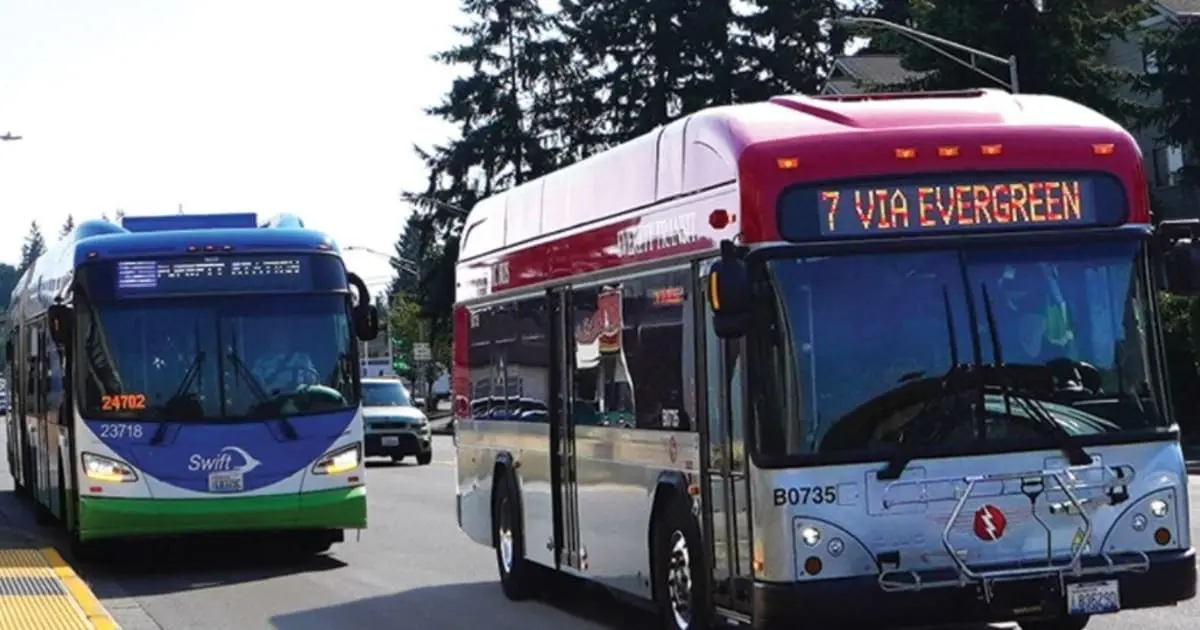
In a landmark decision poised to reshape the public mobility landscape of the Pacific Northwest, Snohomish County is moving closer to a fully integrated regional transit network. Everett Mayor Cassie Franklin and Community Transit CEO Ric Ilgenfritz have officially unveiled a comprehensive, proposed Interlocal Agreement (ILA) that will consolidate Everett Transit operations directly into Community Transit.
This ambitious proposal aims to solve long-standing regional connectivity challenges by eliminating cumbersome transfers for riders traveling between Everett and surrounding destinations across Snohomish County and the broader Puget Sound region. At the heart of the agreement is an aggressive commitment to expand transit access: the plan calls for a dramatic 50% increase in overall bus service within the city of Everett, the introduction of a dedicated on-demand microtransit zone, the absolute preservation of employment for all current Everett Transit workers, and the seamless protection of paratransit eligibility and service for vulnerable riders.
The proposed transition arrives at a pivotal moment in Washington State’s infrastructure development. As the Sound Transit light rail network rapidly extends northward—bringing six new link stations closer to Snohomish County communities—local leaders argue that fragmented, municipal-only transit models are no longer sufficient. By unifying under a single transit authority, Everett and Community Transit aim to build a frictionless, county-wide system designed to meet the demands of rapid population growth and massive regional investments in high-capacity transit.
However, the journey toward consolidation is far from complete. The sweeping proposal still requires rigorous public hearings and ultimate authorization from both the Everett City Council and the Community Transit Board of Directors. If approved, the governance shift will trigger a multi-year financial, operational, and structural integration process, funded in part by a proposed local sales tax adjustment and multi-million-dollar asset transfers, with the first wave of tangible service upgrades slated for 2028.
Detailed Chronology: From Grassroots Dialogue to the Proposed ILA
The announcement of the proposed Interlocal Agreement is the culmination of years of regional transportation planning, followed by an intensive period of public outreach, stakeholder negotiations, and structural evaluation.
The Path to Convergence
Discussions surrounding the future of Everett Transit and its relationship with Community Transit gained momentum as regional light rail expansion turned from a distant blueprint into an impending reality. Operating as a municipal transit agency, Everett Transit faced increasing pressures to scale its operations to meet regional demands. Commuters traveling between Everett and neighboring employment hubs often faced disjointed schedules, confusing fare structures, and mandatory transfers between city and county systems.
Recognizing that regional commuters do not recognize municipal boundaries, city and county leaders initiated exploratory talks regarding operational consolidation. The core objective was clear: determine whether merging Everett Transit into Community Transit could yield economies of scale, simplify the rider experience, and accelerate service growth far beyond what the City of Everett could achieve independently.
Public Engagement and Community Feedback
To ensure that any consolidation plan reflected the actual needs of the community, the City of Everett and Community Transit launched a comprehensive public engagement campaign. City and county officials solicited input from bus riders, paratransit customers, labor representatives, municipal staff, and the broader public through a multifaceted outreach strategy.
The feedback mechanism included:
- Targeted stakeholder discussions with local business owners, advocacy groups, and social service providers.
- Dedicated staff meetings to address internal workforce concerns, benefits preservation, and operational shifts.
- A major public open house that drew nearly 100 engaged community members to review proposals, ask questions, and speak directly with agency planners.
- An extensive digital and written comment period, which successfully captured 217 detailed responses from transit users and local taxpayers.
According to municipal and transit authorities, this public commentary was not merely symbolic; it directly shaped the final terms of the proposed ILA. Key provisions concerning the protection of paratransit services, the safeguarding of employee wages and benefits, and the phased rollout of future urban microtransit zones were heavily influenced by the concerns and priorities voiced during this public input phase.
Next Steps in the Legislative Process
With the preliminary negotiations finalized by Mayor Franklin and CEO Ilgenfritz, the agreement has entered the formal legislative and regulatory review phase.
Upcoming milestones include:
- Formal briefings and public hearings before the Everett City Council.
- Dedicated public review sessions hosted by the Community Transit Board of Directors.
- Community evaluation periods regarding the proposed annexation of Everett into Community Transit’s Public Transportation Benefit Area (PTBA).
- Final legislative votes by both governing bodies to either ratify or reject the proposed ILA.
Supporting Context & Metrics: Financials, Infrastructure, and Service Enhancements
A structural consolidation of this magnitude involves complex financial restructuring, asset valuations, tax adjustments, and long-term capital investments. The proposed agreement lays out a precise financial architecture designed to ensure that Community Transit can absorb Everett’s assets and workforce while immediately scaling up service quality.
Service Expansion and Operational Changes
Under the terms of the ILA, the primary beneficiary will be the everyday transit rider. Key service commitments include:
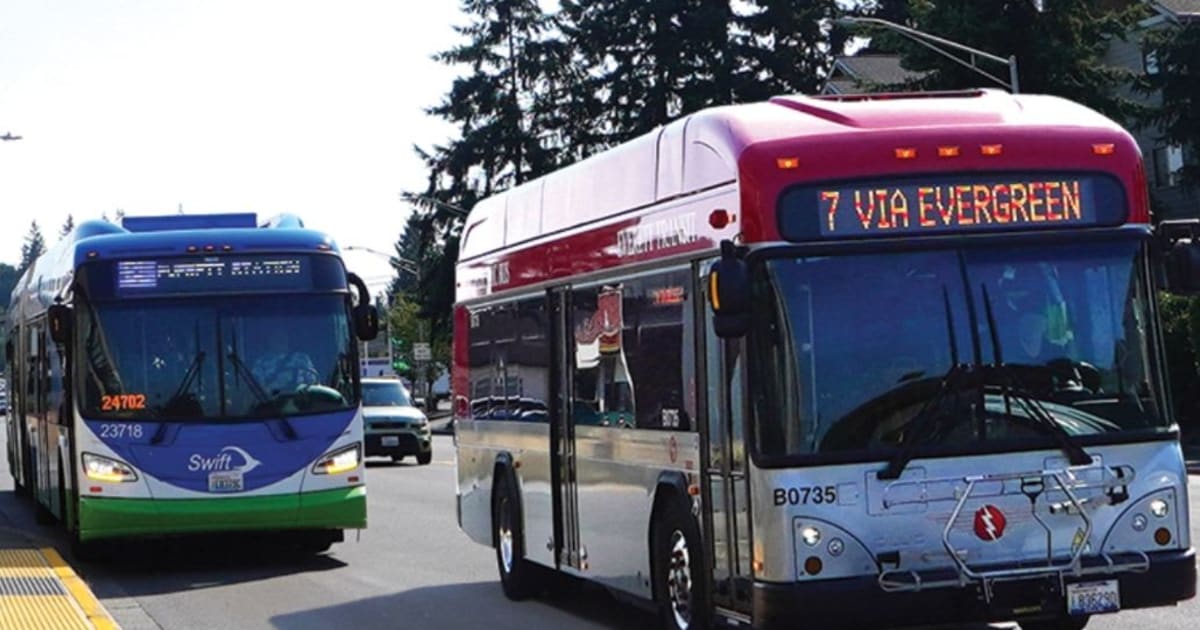
- 50% Service Increase: Bus operating hours and route frequencies within the city of Everett will expand by 50%, transforming local mobility and reducing wait times.
- Seamless Regional Travel: By integrating networks, passengers traveling across county lines will experience fewer forced transfers, creating a truly unified regional transit experience.
- New Microtransit Zone: Slated for launch alongside initial service improvements, a dedicated "Zip" microtransit zone will provide on-demand, curb-to-curb shared rides, bridging the gap between low-density residential pockets and major transit corridors.
- Guaranteed Paratransit Continuity: Existing paratransit customers will retain their exact eligibility standards and service levels, ensuring that mobility-impaired riders face no disruption during or after the transition.
- Workforce Protection: All current Everett Transit employees will have their employment preserved, safeguarding institutional knowledge, driving expertise, and maintenance capabilities.
Financial Transfers and Asset Valuation
The financial exchange embedded within the ILA reflects the extensive capital value of Everett Transit’s existing infrastructure.
- Total Financial Package: Community Transit will pay the City of Everett a total of $54.5 million.
- Property and Assets ($42.5 million): This portion of the payout covers the acquisition of critical transit infrastructure, including Everett Station, municipal buses, specialized electric charging equipment, maintenance facilities, and operational tools.
- Transition Costs ($12 million): Designed to cushion the municipal government against transitional friction, this funding will address municipal service impacts and administrative migration costs.
- Capital Reserves Transfer: In addition to the primary payout, Everett will independently transfer $16 million in existing transit capital reserves directly to Community Transit. These funds are earmarked specifically for ongoing vehicle fleet replacement, bus modernization, and equipment upgrades.
Taxation and Fares
To sustainably fund the promised 50% service surge and maintain long-term capital investments, Everett’s local transit sales tax structure must be realigned with the rest of Community Transit’s service area.
- Sales Tax Realignment: Community Transit’s existing 1.2% transit sales tax will replace Everett’s current 0.6% transit sales tax within city limits. This represents an incremental tax increase equivalent to six cents on a $10 taxable purchase.
- Fare Stability: Fares will remain initially unchanged upon consolidation. Longer-term fare structures and regional fare integration will be evaluated by the Community Transit Board of Directors, which will include dedicated representation from Everett.
Official Statements: Leadership Perspectives on Regional Integration
The proposed consolidation has earned enthusiastic backing from top municipal and county transit executives, who view the agreement as an indispensable step toward a modern, highly efficient regional transportation network.
Everett Mayor Cassie Franklin emphasized the urgency of capitalizing on broader regional investments, particularly the ongoing expansion of commuter rail.
"Now is the time to build one seamless transit system for Everett and Snohomish County," said Everett Mayor Cassie Franklin. "Sound Transit light rail is transforming how we connect to destinations around Puget Sound. With six more stations on their way, we must seize this pivotal moment to ensure our local bus and paratransit networks work in absolute harmony with regional high-capacity transit."
Echoing these sentiments, Community Transit CEO Ric Ilgenfritz highlighted the collaborative nature of the agreement, stressing that public input was instrumental in crafting a plan that delivers tangible benefits for everyday riders.
"We’ve reached an agreement based directly on public input that improves transportation for all Snohomish County residents," added Community Transit CEO Ric Ilgenfritz. "If this plan is approved, we will get started right away making public transportation easier, more reliable, and far more convenient for people to get where they want to go county-wide."
Labor and community stakeholder representatives have similarly pointed to the preservation of jobs and paratransit protections as critical victories of the negotiation process, ensuring that the human element of public transit is prioritized alongside mechanical and financial logistics.
Future Outlook: The Road to 2031 and Beyond
Should the Everett City Council and the Community Transit Board of Directors grant final approval to the Interlocal Agreement, Snohomish County will enter a highly structured, multi-year transition phase designed to ensure operational stability while laying the groundwork for unprecedented service growth.
Phase 1: Annexation and Interim Stabilization (Immediate to 2027)
Upon formal ratification, Everett will be officially annexed into Community Transit’s Public Transportation Benefit Area (PTBA). During this foundational phase:
- Community Transit will assume legal and operational responsibility for transit delivery within the city.
- Day-to-day bus and paratransit operations will initially remain largely unchanged to prevent disruption to existing passenger routines.
- Agencies will initiate comprehensive internal staff integrations, union coordinations, and asset transfers utilizing the $54.5 million financial package.
- A secondary wave of community engagement will be launched in 2027 to gather localized input on route designs, network optimization, and neighborhood connectivity for the integrated system.
Phase 2: The 2028 Service Launch
The year 2028 will mark the first visible milestones of the consolidation for everyday commuters:
- The deployment of the newly established Zip microtransit zone, providing flexible, app-enabled or phone-dispatched on-demand shared rides within targeted service pockets.
- The rollout of initial bus service expansions, bringing increased frequencies to high-demand corridors and beginning the phase-in of the promised 50% overall service boost.
- The alignment of administrative and customer service portals under the unified Community Transit banner.
Phase 3: Full Integration and Maturation (2029–2031)
The final horizon of the current consolidation plan extends through 2031:
- Phased implementation of remaining bus route enhancements, network extensions, and schedule optimizations.
- Integration of modernized vehicle fleets purchased using the transferred capital reserves and expanded sales tax revenues.
- Full synchronization with incoming Sound Transit light rail stations, creating a unified multimodal web of buses, microtransit, and rapid rail transit serving Everett and the wider Puget Sound basin.
By trading municipal fragmentation for coordinated regional scale, Everett and Community Transit are setting a new benchmark for public transportation management in Washington State—proving that cooperation across jurisdictions can successfully unlock a faster, cleaner, and more connected future for urban and suburban commuters alike.