







Executive Overview
The landscape of public transportation in Snohomish County, Washington, is poised for a historic paradigm shift. Following months of intensive stakeholder engagement, public commentary, and complex administrative negotiations, Everett Mayor Cassie Franklin and Community Transit CEO Ric Ilgenfritz have jointly unveiled a definitive Interlocal Agreement (ILA). This proposed compact outlines the complete consolidation of Everett Transit into Community Transit, creating a unified, county-wide transit network designed to eliminate bureaucratic silos, streamline regional mobility, and dramatically expand service capacity.
At the core of the proposed agreement is an ambitious pledge: a 50% expansion of overall bus service within the city limits of Everett. Beyond the frequency and coverage boosts for fixed-route buses, the plan introduces modern mobility solutions, including a dedicated microtransit zone, the guaranteed preservation of specialized paratransit services for vulnerable populations, and robust employment protections for the existing Everett Transit workforce.
This consolidation comes at a pivotal infrastructural crossroads for the Pacific Northwest. With the regional expansion of Sound Transit light rail—bracing for the introduction of six new local stations—local leaders argue that a fragmented transit network is no longer viable. By merging operations, Everett and Community Transit hope to create a seamless user experience that minimizes cumbersome transfers and aligns municipal transit with regional heavy-rail investments.
However, the transition requires complex structural realignments. If ratified by the Everett City Council and the Community Transit Board of Directors following a series of mandatory public hearings, Everett will be annexed into Community Transit’s Public Transportation Benefit Area (PTBA). This administrative shift will adjust local sales tax allocations, trigger multi-million-dollar asset and property transfers, and lay the groundwork for a phased implementation timeline extending from initial transitional planning through 2031.
This in-depth report examines the mechanics of the proposed ILA, the financial frameworks underpinning the merger, the extensive public feedback process that shaped the final document, and the broader future outlook for commuters throughout Snohomish County and the greater Puget Sound region.
Detailed Chronology: From Concept to the Proposed Interlocal Agreement
The journey toward a consolidated Snohomish County transit system did not happen overnight. It represents the culmination of years of regional transportation planning, institutional analysis, and deep public consultation.
Laying the Groundwork: Recognizing Regional Realities
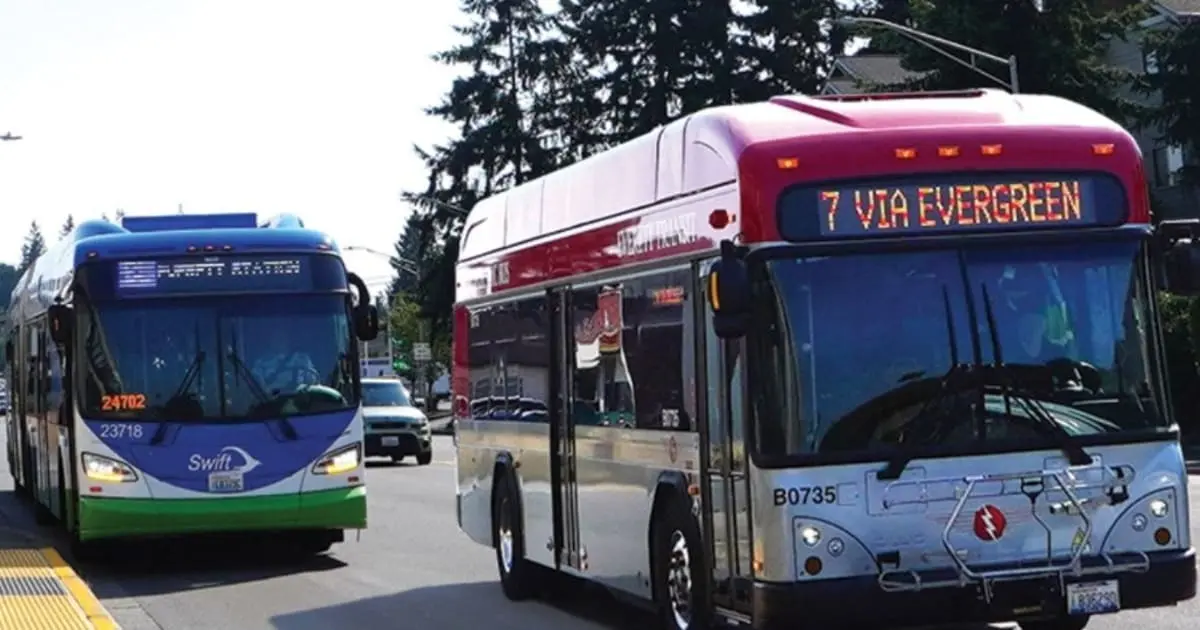
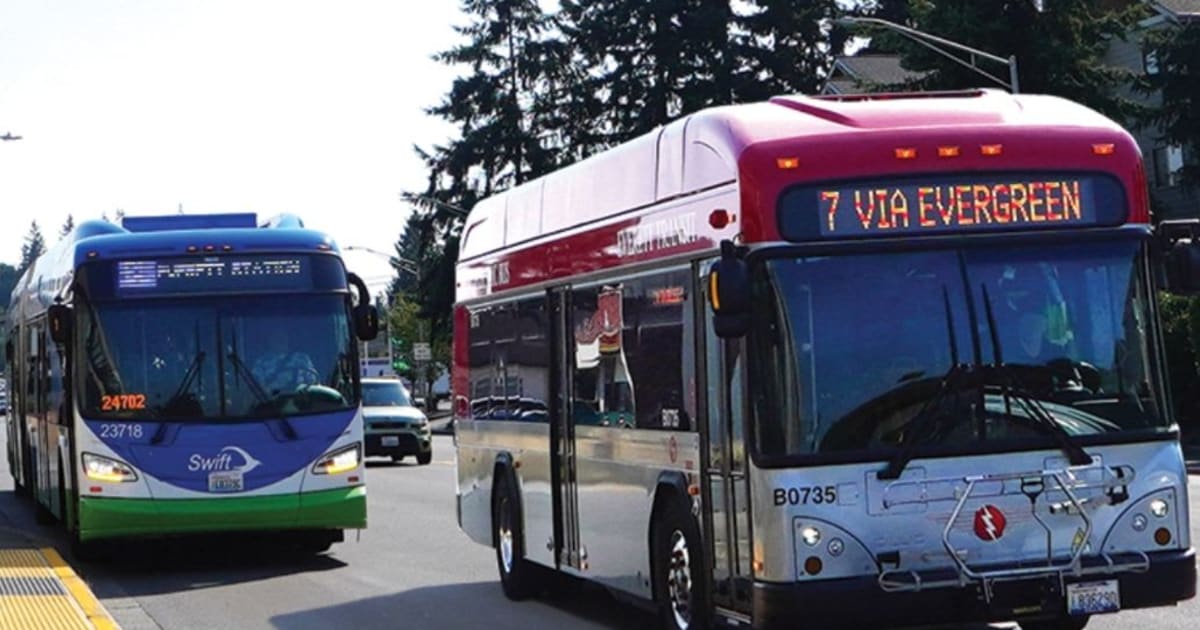
For decades, Everett Transit operated as an independent municipal agency, serving the urban core of Snohomish County’s largest city, while Community Transit managed suburban and regional routes spanning the rest of the county. While this division served historical growth patterns, it increasingly created operational inefficiencies for commuters traveling across municipal boundaries. Riders frequently faced disjointed schedules, separate fare structures, and the necessity of transferring between different agency systems just to complete routine regional trips.
As the Puget Sound region prepared for the massive expansion of light rail, leaders from both the City of Everett and Community Transit recognized that maintaining two separate transit agencies would hinder the region’s potential. Discussions surrounding consolidation intensified as a way to leverage economies of scale, optimize routing, and present a unified front to meet the mobility demands of a rapidly growing population.
Engaging the Community: Gathering Public Feedback
To ensure that any merger plan reflected the actual needs of the riders, the City of Everett and Community Transit launched a comprehensive public outreach campaign. Recognizing that transit-dependent populations rely heavily on uninterrupted service, officials went directly to the community through multiple engagement channels:
- Stakeholder Discussions: Targeted sessions were held with advocacy groups, local businesses, educational institutions, and social service organizations to understand specific mobility challenges.
- Staff Meetings: Extensive consultations with Everett Transit and Community Transit personnel ensured that labor concerns, operational hurdles, and logistical realities were factored into the planning process.
- Public Open House: A widely publicized open house drew nearly 100 community members to review preliminary concepts, ask questions of agency leadership, and voice opinions.
- Digital and Written Comment Periods: The agencies collected a combined total of 217 online and written comments from everyday commuters, paratransit users, and local taxpayers.
Shaping Policy Through Public Input
Agency officials stressed that this public feedback was not merely a ceremonial exercise; it fundamentally reshaped the provisions of the ILA. Concerns raised by paratransit riders directly influenced the ironclad guarantees protecting specialized service eligibility. Similarly, employee feedback led to explicit labor and benefit protections for the unionized workforce transitioning to the new corporate structure.
With the framework finalized and public sentiment carefully integrated, the proposed ILA was formally unveiled by Mayor Franklin and CEO Ilgenfritz, setting the stage for formal legislative review, public hearings, and ultimate votes by the Everett City Council and the Community Transit Board of Directors.
Supporting Context & Metrics: Financials, Infrastructure, and Service Architecture
Consolidating two distinct public transit entities is an immense fiscal and logistical undertaking. The proposed Interlocal Agreement features a complex matrix of financial transfers, tax adjustments, and phased service rollouts designed to ensure fiscal solvency while delivering immediate and long-term improvements to riders.
The Financial Architecture: Asset Transfers and Valuations
The financial heart of the ILA rests on a substantial capital transfer package. Community Transit has agreed to pay the City of Everett a total of $54.5 million as part of the consolidation package. This financial transfer is itemized to address specific municipal and operational needs:
- Transit Property and Assets ($42.5 million): This portion of the funds directly compensates the city for physical transit infrastructure being absorbed into the Community Transit portfolio. This includes Everett Station—the city’s primary multi-modal transportation hub—along with buses, advanced charging equipment for zero-emission fleets, maintenance facilities, and other critical transit operating equipment.
- Transition Costs and City Services ($12 million): Recognizing that municipal separation and integration create administrative strains, this funding is designated to cover transition costs and mitigate any fiscal impacts to municipal services during the handover.
In addition to these funds, the City of Everett will separately transfer $16 million in existing transit capital reserves directly over to Community Transit. These dedicated reserves will be earmarked specifically for ongoing vehicle replacement programs, infrastructure maintenance, and equipment upgrades, ensuring that the newly expanded system does not inherit a depleted capital backlog.
Tax Realignments and Funding Mechanisms
To sustain the promised 50% increase in bus service and the introduction of advanced mobility options within Everett, local tax structures must be harmonized.
Currently, Everett levies a 0.6% transit sales tax within city limits, while Community Transit operates under a 1.2% transit sales tax in its existing PTBA. Under the terms of the annexation, Community Transit’s 1.2% sales tax rate will replace Everett’s current local rate within the city limits.
For local consumers, this represents an increase equivalent to six cents on a $10 taxable purchase. Agency economists and municipal leaders argue this modest investment is offset by a massive leap in service delivery, arguing that taxpayers will receive exponentially greater connectivity, increased bus frequencies, and access to an integrated regional network that far exceeds current municipal capabilities.
Fare Structures and Service Phasing
Familiarity and stability are critical during major infrastructural transitions. Consequently, public transit fares will initially remain unchanged when Community Transit assumes operational control. Longer-term fare policies and regional integration strategies will be deliberated by the Community Transit Board of Directors, which will feature formal representation from Everett to ensure local interests remain front and center.
The service integration will occur in carefully managed phases to prevent service disruptions:
- Immediate Transition Period: Following approval and annexation into the PTBA, service levels will initially remain largely static. This window will allow agencies to conduct granular route planning, engage communities on micro-local needs, and build out integrated scheduling software.
- The 2008 Horizon (First Major Upgrades): The first tangible service expansions are slated for 2028, highlighted by the introduction of a dedicated Zip microtransit zone in Everett, providing on-demand, curb-to-curb shared rides that feed into fixed-rate arterial lines.
- Phased Expansion Through 2031: Additional fixed-route enhancements, increased frequency on high-ridership corridors, and extended operating hours will be systematically phased in over a three-year window, culminating in the full realization of the promised 50% service increase by 2031.
Official Statements: Leadership Perspectives on Regional Integration
The consolidation agreement has received enthusiastic backing from the highest levels of municipal and regional transit leadership. Stakeholders view the merger not merely as an administrative merger, but as a visionary step toward a modern, interconnected Puget Sound.
Mayor Cassie Franklin: Seizing a Once-in-a-Generation Moment
Everett Mayor Cassie Franklin emphasized the urgency of aligning municipal services with the monumental transportation shifts currently sweeping the region.
"Now is the time to build one seamless transit system for Everett and Snohomish County," said Everett Mayor Cassie Franklin. "Sound Transit light rail is transforming how we connect to destinations around Puget Sound. With six more stations on their way, we must seize this pivotal moment."
Franklin’s comments underscore the heavy influence of regional rail expansion. As Sound Transit extends its reach northward, local bus networks must act as efficient, reliable feeders rather than isolated local loops. By merging with Community Transit, Everett ensures its residents have frictionless access to the broader regional spine.
CEO Ric Ilgenfritz: Delivering on Public Promise
Community Transit CEO Ric Ilgenfritz highlighted the collaborative nature of the drafting process, crediting public input with shaping a stronger, more responsive agreement.
"We’ve reached an agreement based on public input that improves transportation for all Snohomish County residents," added Community Transit CEO Ric Ilgenfritz. "If this plan is approved, we will get started right away making public transportation easier and more convenient for people to get where they want to go county-wide."
Ilgenfritz pointed out that the roadmap was intentionally designed to honor the nuances discovered during public outreach—specifically protecting paratransit riders who rely on specialized transportation and ensuring that Everett Transit employees find security and continuity within the larger Community Transit family.
Future Outlook: Building a Unified Snohomish County Transit Network
As the proposed Interlocal Agreement moves toward formal consideration by the Everett City Council and the Community Transit Board of Directors, the transportation landscape of Snohomish County stands at an exciting threshold.
The Path to Ratification
The coming months will feature rigorous public hearings and legislative debates. Citizens, labor representatives, business leaders, and commuters will have additional platforms to review the legal text, analyze tax implications, and examine route planning projections. If both legislative bodies grant approval, the annexation process will officially commence, transferring the mantle of municipal transit operations to Community Transit.
Looking Ahead to 2027 and Beyond
While the structural consolidation will begin immediately following legislative approval, the real transformation for the everyday rider will unfold progressively over the next several years.
- Enhanced Community Engagement (2027): Agency planners have already scheduled a robust round of community engagement for 2027. This campaign will focus heavily on designing the specifics of the integrated transit network, gathering neighborhood-level data to optimize bus stop locations, transfer hubs, and scheduling alignments.
- The Microtransit Revolution: The introduction of the Zip microtransit zone in 2028 will mark a significant evolution in how Everett residents experience first-mile/last-mile connectivity. By utilizing dynamic routing algorithms and smaller fleet vehicles, microtransit will bridge the gap between low-density residential neighborhoods and high-frequency transit corridors.
- Seamless Regional Mobility: By 2031, the culmination of phased expansions will result in a transit network that is 50% larger in service capacity, entirely unified under a single institutional umbrella, and fully synchronized with regional light rail. Commuters will enjoy simplified fare integration, coordinated timetables, reduced transfer times, and an overall elevated standard of public mobility.
In conclusion, the proposed consolidation between Everett Transit and Community Transit represents a masterclass in regional cooperation. By trading administrative fragmentation for unified scale, Snohomish County is laying a resilient, future-proof foundation that promises to keep its communities moving forward for generations to come.