In the wake of a fatal traffic collision, municipal responses across the United States have historically followed a predictable, bureaucratic script. Law enforcement investigates the scene, wreckage is cleared, traffic is restored to its normal high-speed flow, and the city’s transportation department files the incident away as an isolated "accident"—or worse, assigns sole blame to the victim.
The city of Spokane, Washington, is aggressively tearing up that script.
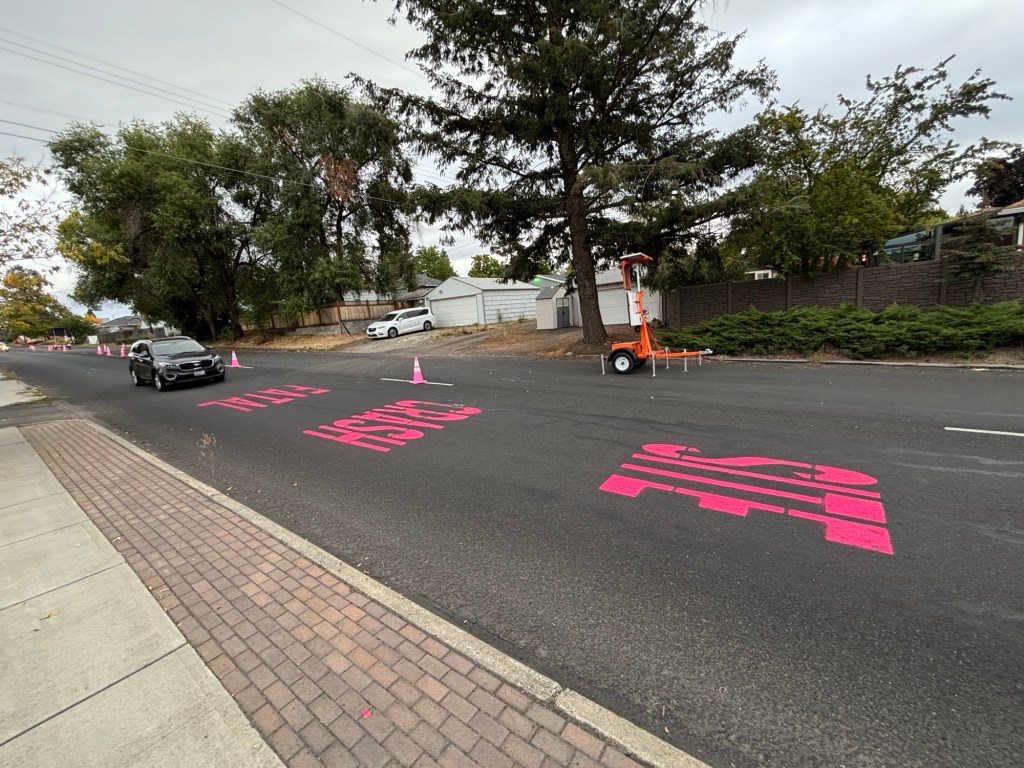
In a pioneering real-world deployment of a novel urban planning framework known as "Emergency Streets," Spokane transportation officials have instituted rapid-response traffic calming measures just days after a fatal crash. The initiative—believed to be the first of its kind in the nation—mandates that communities implement temporary, agile street transformations within 72 hours of a fatal collision. Rather than viewing traffic deaths as inevitable collateral damage of a modern transportation system, Spokane is treating them as systemic public safety emergencies that demand immediate, preventative countermeasures.
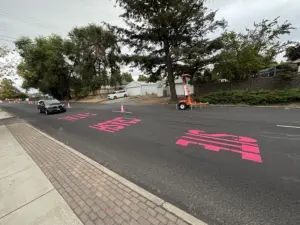
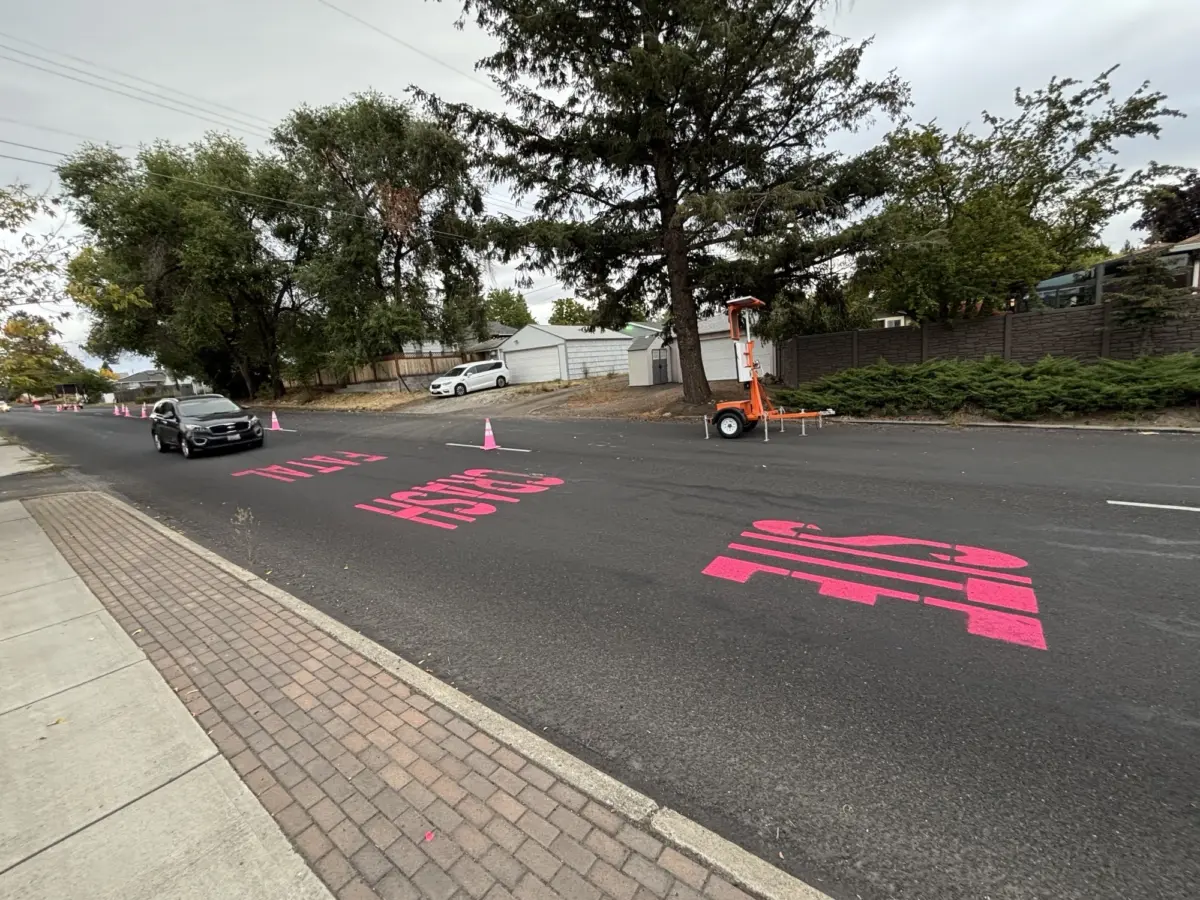
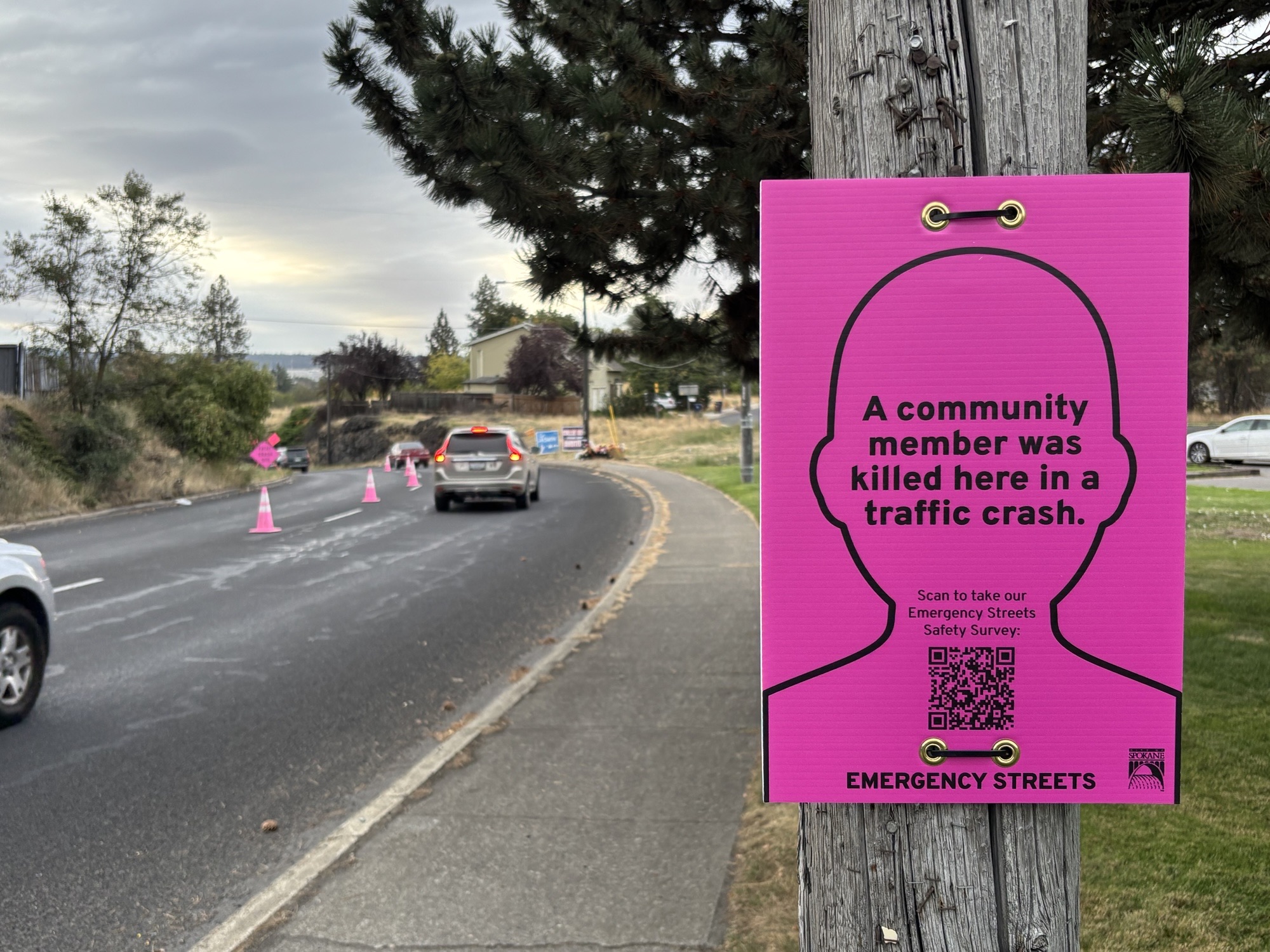
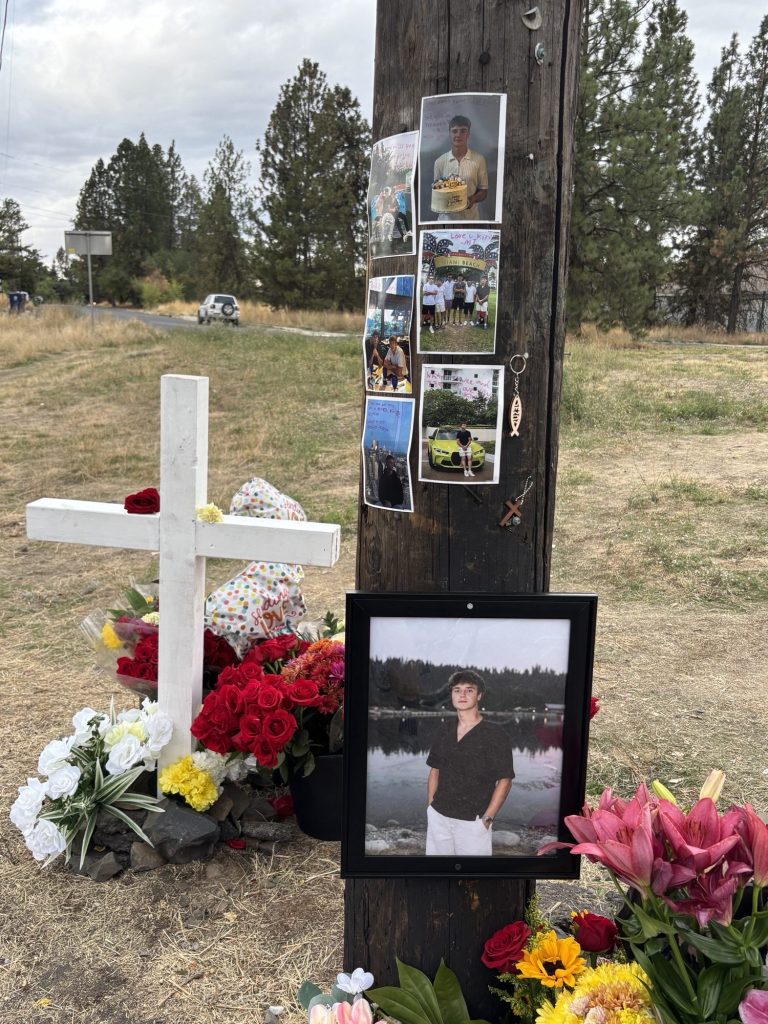
The pilot program, which is supported by grant funding that will finance six post-crash deployments through June, kicked off following the tragic death of 18-year-old motorcyclist Kiril Herlazhyi. Herlazhyi lost his life in a single-vehicle collision after striking a pole at a high rate of speed. While traditional traffic authorities might have written off the teenager’s death as the result of reckless driving, Spokane officials leveraged the tragedy to examine the underlying road design that invites excessive speeds in the first place. By narrowing lanes with MUTCD-compliant pink traffic cones and deploying digital community surveys via door hangers, the city has forced drivers to hit the brakes along a dangerous corridor.
As urban centers across North America grapple with rising rates of traffic violence, Spokane’s bold experiment offers a provocative blueprint for change. It challenges municipal leaders to answer a fundamental question: How much driver convenience are we willing to sacrifice to save a human life?
Detailed Chronology: From Grassroots Advocacy to Rapid Municipal Action
The roots of Spokane’s Emergency Streets pilot extend far beyond City Hall, growing out of years of frustration and grassroots organizing by local advocates.
The Evolution of "Ghost Bikes" to Active Infrastructure
For years, local cycling and pedestrian advocacy groups, notably Spokane Reimagined, fought to humanize the grim toll of traffic violence. Like organizations in cities worldwide, Spokane Reimagined installed roadside "Ghost Bikes"—white-painted bicycles secured near crash sites—to memorialize cyclists killed by motorists. These poignant tributes served as stark reminders of human loss long after municipal street-sweepers had cleared away the glass and debris to keep the vehicular flow moving.
Over time, however, advocates realized that remembrance was not enough. They grew increasingly impatient with the glacial pace of traditional municipal engineering. Standard traffic-calming initiatives typically require months or years of community meetings, bureaucratic feasibility studies, budget allocations, and protracted public debates—particularly along high-injury networks where crashes occur with depressing regularity.
Advocates wanted an infrastructure response that matched the urgency of a public health crisis. They approached city officials with a radical query: How can we treat fatal crash sites differently?
The Birth of the Emergency Streets Framework
The answer arrived via a presentation to Spokane’s Cooper Jones Bicyclist Safety Advisory Council—a state advisory group named in memory of a 13-year-old boy killed by a motorist while riding his bicycle. The speaker was Kevin Krizek, an environmental design professor who co-created the Emergency Streets framework alongside advocate Tila Duhaime, ultimately leading to the formation of a dedicated advocacy organization.
Krizek’s framework flips conventional urban planning on its head. Instead of waiting years for a safety overhaul after multiple people have died, it calls for temporary, tactical urbanism interventions within 72 hours of any fatal crash. The goal is simple: disrupt the status quo, force drivers to slow down immediately, and signal to the public that a life has been lost.
Following Krizek’s presentation, a local design class—working in tandem with city leadership—hammered out the operational logistics for Spokane’s pilot. This included everything from sourcing compliant pink traffic cones to printing targeted door hangers outfitted with QR codes directing nearby residents to feedback surveys.
The First Deployment: Targeting the Herlazhyi Crash Site
The framework transitioned from theory to reality following the death of Kiril Herlazhyi. Operating under the new pilot, city crews moved swiftly to close a travel lane using temporary barriers and cones at the site of the collision.
By compressing the timeline from years to days, Spokane bypassed the paralysis that usually accompanies street design changes. The tactical deployment did not wait for consensus; it acted as an immediate circuit-breaker on a roadway engineered for dangerous velocity.
Supporting Context & Metrics: Navigating Public Backlash and Data Collection
Despite months of preliminary community outreach—including warnings disseminated via streaming services, utility bill inserts, and targeted emails—Spokane’s maiden Emergency Streets deployment caught many neighborhood residents completely off guard. The swift implementation exposed deep-seated resistance to even minor, temporary disruptions in car-centric neighborhoods.
Measuring Public Sentiment: Outrage vs. Empathy
Within the first week of the lane closure, the city received more than 300 responses to its digital survey. The feedback reflected a stark polarization among residents, running the gamut from deep appreciation for the proactive safety measures to outright hostility toward the traffic restrictions.
City officials noted that some reactions exposed a troubling lack of empathy toward the victim. Because Herlazhyi was traveling at a high rate of speed when he struck the pole, critics were quick to place absolute blame on the teenager.
This victim-blaming mentality drew sharp rebukes from municipal leadership. Observers pointed out the hypocrisy of a car culture that normalizes adolescent and youthful indiscretion—acknowledging that while the teenager made a fatal error in judgment, millions of adults survived similar mistakes in their youth simply due to sheer luck, rather than superior road design.
The Myth of Gridlock: Data Debunks Driver Fears
To combat speculative outrage, Spokane officials relied on hard data collected throughout the pilot. Critics of the lane closure argued that pinching off a lane would cause catastrophic traffic jams and potentially trigger secondary collisions.
However, an analysis of anonymized cell phone data and traffic flow metrics during the initial weeks of the pilot told a vastly different story. The lane closures resulted in zero increase in crashes. Furthermore, vehicular slowdowns were so minimal they were difficult to quantify.
"The inconvenience is so small it’s hard to measure," city representatives noted. "We’re just pinching off the lane for a series of blocks, and then it opens back up again… We’re talking seconds, not even minutes. But for some people, that’s just too much."
Official Statements and Perspectives
The bold nature of the Spokane pilot has drawn national attention, sparking dialogue among urban planners, safety advocates, and municipal leaders across the country.
Tila Duhaime on Civic Responsibility
Co-creator Tila Duhaime issued a statement praising Spokane’s political courage, emphasizing that the project addresses a foundational moral truth about urban environments:
"Spokane’s leadership deserves high praise for this initiative, which speaks to a fundamental truth: having community members hurt or killed on their own streets is unacceptable," Duhaime stated. "The victims cannot go back to their regular lives, so an appropriate civic response must stress the urgency of using our roads differently."
Confronting the Psychology of Traffic Violence
Urban leaders involved in the project argue that traffic violence exerts a psychological toll on the broader public that goes far beyond physical casualties. It functions as an invisible form of systemic intimidation.
Transportation advocates point out that dangerous street design acts as a deterrent to active transportation. When streets are engineered exclusively for fast-moving automotive throughput, vulnerable road users internalize that risk. Parents stop letting their children walk to school; residents abandon cycling; individuals forgo public transit because reaching a bus stop requires crossing an unprotected multi-lane stroad.
By failing to intervene immediately after a fatality, cities inadvertently signal that pedestrian and vehicular casualties are an acceptable cost of doing business. Spokane’s leadership aims to shatter that complacency.
Future Outlook: A Blueprint for National Replication
As Spokane’s Emergency Streets pilot continues through its grant-funded lifecycle ending in June, city planners are compiling lessons learned to share with municipalities nationwide. The overarching objective is to institutionalize rapid-response tactical urbanism as a standard component of modern municipal safety portfolios.
Scaling Tactical Urbanism
The success of Spokane’s program relies heavily on the transient nature of the interventions. Because the street designs are temporary, they lower the political stakes for elected officials who might otherwise fear permanent backlash from vocal motorists. If a rapid deployment fails to yield safety improvements or generates insurmountable logistical hurdles, cities can easily adjust or remove the configuration. Conversely, if data proves the intervention saves lives, temporary cones and paint can serve as the political stepping stone for permanent concrete buildouts, such as curb extensions, protected bike lanes, and median refuges.
The Ultimate Goal: Obsolescence
Despite the pioneering nature of the pilot, its architects harbor a paradoxical ultimate wish. While they hope that cities across America adopt the Emergency Streets framework to save lives, their greatest aspiration is that the program becomes entirely obsolete.
The ultimate measure of success for rapid-response traffic calming is not how efficiently a city can deploy cones after a tragedy, but a future where those tragedies never happen in the first place. Until infrastructure is universally redesigned to prioritize human life over vehicular velocity, however, Spokane has proven that cities no longer have an excuse to stand idly by while their residents die on the asphalt.