











Executive Overview
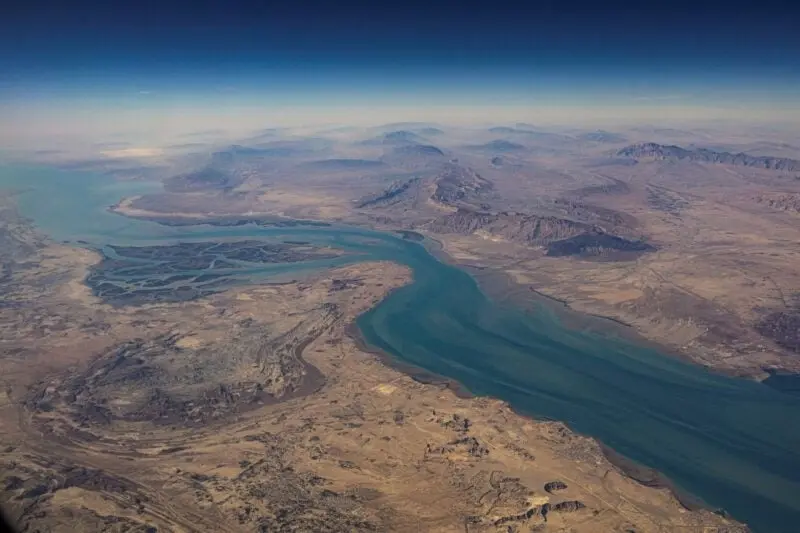
The delicate equilibrium of global energy transit is undergoing a period of intense volatility. Fresh maritime intelligence reveals a sharp, sudden contraction in vessel traffic through the Strait of Hormuz, contrasted by a significant cargo rebound at Saudi Arabia’s strategic Red Sea port of Yanbu.
According to preliminary ship-tracking data, daily vessel transits through the Strait of Hormuz—the world’s most critical oil chokepoint—plummeted to just seven transits on Wednesday. This represents a steep decline from the 12 transits recorded the previous day, and sits at nearly half of the 10-day rolling average of 14 vessels. While a portion of this drop may be attributed to the growing maritime phenomenon of "going dark"—where vessels disable their Automatic Identification System (AIS) transponders to evade regional monitoring—the contraction nonetheless underscores a heightened state of caution among commercial operators navigating the Persian Gulf.
Strait of Hormuz Daily Transits
=========================================
10-Day Average:   ██████████████ 14
Tuesday:          ████████████ 12
Wednesday:        ███████ 7
=========================================
In contrast, further west along the Arabian Peninsula, Saudi Arabia’s strategic contingency infrastructure is showing signs of renewed vigor. Crude oil and condensate loadings at the Red Sea port of Yanbu—designed specifically to bypass the vulnerabilities of the Strait of Hormuz—have staged a robust recovery. This rebound follows an August slump that saw export volumes fall to their lowest levels in six months, driven by escalating security threats in the southern Red Sea.
As regional geopolitical tensions persist, these dual developments highlight the constant recalibration of maritime logistics, risk management, and state-level energy export strategies.
Detailed Chronology: Analyzing Wednesday’s Maritime Movements
To understand the scale of the current maritime slowdown, it is necessary to examine the precise micro-data of Wednesday’s transits through the Middle East’s primary maritime corridors.
The Strait of Hormuz: A Sudden Quiet
Of the seven vessels confirmed to have transited the Strait of Hormuz on Wednesday, the traffic was split unevenly between inbound and outbound voyages:
- Exits (4 Vessels): Outward-bound traffic was dominated by a single Very Large Crude Carrier (VLCC), the Finland Prosperity. The supertanker, capable of carrying approximately two million barrels of crude oil, represented the sole major oil export transit of the day. The remaining three exiting vessels comprised two dry bulk carriers and one short-range dirty products tanker. Notably, no liquefied natural gas (LNG) carriers—which frequently service Qatari and Emirati export terminals—were recorded exiting the Strait.
- Entries (3 Vessels): Inward-bound traffic was similarly sparse, consisting of one dry bulk carrier, one short-range product tanker, and one medium-range (MR) product tanker.
Hormuz Transits on Wednesday (7 Total)
┌─────────────────────────────────┬─────────────────────────────────┐
│ Inbound (3)                     │ Outbound (4)                    │
├─────────────────────────────────┼─────────────────────────────────┤
│ • 1 Dry Bulk Carrier            │ • 1 VLCC (Finland Prosperity)   │
│ • 1 Short-Range Tanker          │ • 2 Dry Bulk Carriers           │
│ • 1 Medium-Range Tanker         │ • 1 Short-Range Product Tanker  │
└─────────────────────────────────┴─────────────────────────────────┘
This sudden dip in activity raises immediate operational questions. Maritime analysts point out that the data reflects only visible transits. In high-risk corridors, a growing number of merchant vessels operate under "dark transit" conditions, turning off their transponders to obscure their location from hostile actors, state intelligence networks, and maritime tracking databases.
The Bab el-Mandeb Strait: Steady Under Pressure
In contrast to the sudden drop in Hormuz, the Bab el-Mandeb Strait—the narrow gateway connecting the Red Sea to the Gulf of Aden—maintained a stable baseline of commercial activity despite ongoing security challenges.
On Wednesday, 28 commodity-carrying vessels sailed through the Bab el-Mandeb, aligning closely with the 10-day rolling average of 27 vessels. Of these 28 transits, 16 vessels entered the Red Sea, while 12 exited. This steady traffic indicates that while the southern Red Sea remains a high-threat environment, commercial shipping lines continue to utilize the route, relying on armed escorts, defensive routing, and international naval coalitions to secure safe passage.
Supporting Context & Sustained Metrics: The Yanbu Rebound
The most significant macroeconomic trend emerging from the latest tracking data is the recovery of Saudi Arabian export volumes at Yanbu. Located on the west coast of the Kingdom, the Yanbu port complex is linked to the oil-rich Eastern Province via the 745-mile East-West Pipeline (Petroline). This pipeline has an operational capacity of approximately 5 million barrels per day (bpd), serving as Saudi Arabia’s primary logistical safety valve should the Strait of Hormuz ever face a prolonged blockade.
Saudi East-West Pipeline (Petroline)
[ Eastern Province Fields ] ───(745 Miles / 5M bpd Capacity)───> [ Yanbu Red Sea Port ]
                                                                       │
                                                 (Bypasses Strait of Hormuz Chokepoint)
In late July and throughout August, Yanbu’s export utility was severely compromised. Intensifying drone and missile attacks by Yemen’s Houthi movement near the Bab el-Mandeb Strait forced many international shipowners to avoid the Red Sea altogether. This drove up insurance premiums and forced vessels to take the lengthy detour around Africa’s Cape of Good Hope. As a result, Yanbu loadings plummeted to a six-month low.
Data from the primary maritime intelligence firms, Vortexa and Kpler, confirms a strong upward correction in September, though their precise estimates differ due to variations in tracking methodologies:
Vortexa Metrics
According to Vortexa’s tracking models, Yanbu crude and condensate loadings rose to 3.7 million bpd in early September, up from 3.2 million bpd in August. The August figure marked the lowest monthly average recorded since the escalation of regional hostilities, highlighting how directly southern Red Sea security impacts western Saudi export terminals.
Kpler Metrics
Kpler’s data shows an even more dramatic recovery, albeit from a lower baseline. Kpler estimates that Yanbu loadings climbed to 2.9 million bpd in September, representing a substantial rebound from the mere 1.5 million bpd recorded during the August slump.
| Data Provider | August Loadings (bpd) | September Loadings (bpd) | Net Recovery (bpd) |
|---|---|---|---|
| Vortexa | 3.2 Million | 3.7 Million | +500,000 |
| Kpler | 1.5 Million | 2.9 Million | +1.4 Million |
The discrepancy between the two tracking services is common in maritime analytics. It typically stems from how each firm accounts for partial loadings, ship-to-ship (STS) transfers, and the exact window of time used to define when a vessel has officially departed port limits. Regardless of the analytical variance, both datasets point to the same conclusion: Saudi Arabia has successfully boosted its Red Sea export volumes, reclaiming a critical pathway for its crude to reach European and Mediterranean markets without relying on the Strait of Hormuz.
Geopolitical Perspectives & Security Dynamics
The shifting traffic patterns in the Middle East’s primary waterways cannot be viewed in isolation from the broader geopolitical shadow war playing out across the region.
The Strait of Hormuz Threat Landscape
While the Bab el-Mandeb has dominated headlines due to active missile strikes, the Strait of Hormuz remains a highly sensitive flashpoint. Overseen closely by Iran’s Islamic Revolutionary Guard Corps Navy (IRGCN), the strait sees frequent encounters between Western naval forces and Iranian patrol craft.
The drop in Hormuz transits on Wednesday could point to a temporary tactical pause by shipowners waiting out periods of heightened regional alert, or a shift toward night-time transits with disabled AIS transponders. Security analysts note that the threat of state-sponsored vessel seizures, sabotage, and limpet mine attacks keeps war risk insurance premiums for Persian Gulf transits elevated, directly influencing daily routing decisions.
The Red Sea Deterrence and Insurance Factor
The recovery of loadings at Yanbu suggests that the maritime industry is adapting to the "new normal" of Red Sea transit. The initial panic of late summer—which saw spot freight rates spike and war risk premiums surge to over 1% of a vessel’s hull value—has given way to more structured risk management.
Several factors have contributed to this stabilization:
- Naval Escorts: The continued presence of international naval missions, such as the U.S.-led Operation Prosperity Guardian and the European Union’s Operation Aspides, has provided vital air defense cover for merchant vessels.
- Target Profiling: Shipowners have become more adept at assessing their risk profiles. Vessels with no public ties to Israel, the United States, or the United Kingdom have faced a statistically lower risk of targeting, allowing them to continue utilizing the Red Sea and Bab el-Mandeb routes with greater confidence.
- China and Russia Factors: A significant portion of the traffic still transiting the Red Sea consists of vessels carrying Russian crude to Asia or Chinese-owned merchant ships, both of which enjoy tacit guarantees of safe passage from regional actors.
Future Outlook: Navigating an Uncertain Horizon
As the maritime sector moves deeper into the final quarter of the year, several critical variables will dictate whether the current trade patterns persist or destabilize further.
The Sustainability of the Yanbu Route
The rebound at Yanbu demonstrates Saudi Arabia’s ability to pivot its logistics in response to shifting maritime choke points. However, the long-term viability of this western export route depends heavily on maintaining a fragile security balance in the Red Sea. If drone and missile attacks move further north, or if the sophistication of these strikes bypasses current naval air defenses, the western ports of Yanbu and Jeddah could face direct disruptions, neutralizing Saudi Arabia’s primary alternative to the Strait of Hormuz.
The "Dark Fleet" and Data Integrity
The discrepancy in daily transit figures and the sudden drop in visible Hormuz transits highlight a growing challenge for maritime intelligence: the erosion of data reliability. As more shipowners turn off AIS transponders to protect their crews and cargoes, tracking the global flow of energy will become increasingly difficult. This lack of transparency could introduce inefficiencies into the chartering market, complicate international enforcement of maritime sanctions, and lead to more volatile fluctuations in spot freight pricing.
Implications for Global Energy Security
For global energy consumers, the volatility in Middle Eastern transit corridors serves as a reminder of the fragility of the global supply chain. While the United States has reduced its dependence on Middle Eastern crude due to surging domestic shale production, European and Asian economies remain highly exposed to any prolonged disruption at Hormuz or the Red Sea.
If the Strait of Hormuz experiences sustained traffic drops alongside volatile Red Sea security conditions, global energy markets could face structural supply constraints. For now, the maritime industry continues to adapt, rerouting fleets and leveraging alternative infrastructure like Saudi Arabia’s Petroline to keep the world’s energy flowing through some of the most contested waters on earth.


