








Executive Overview
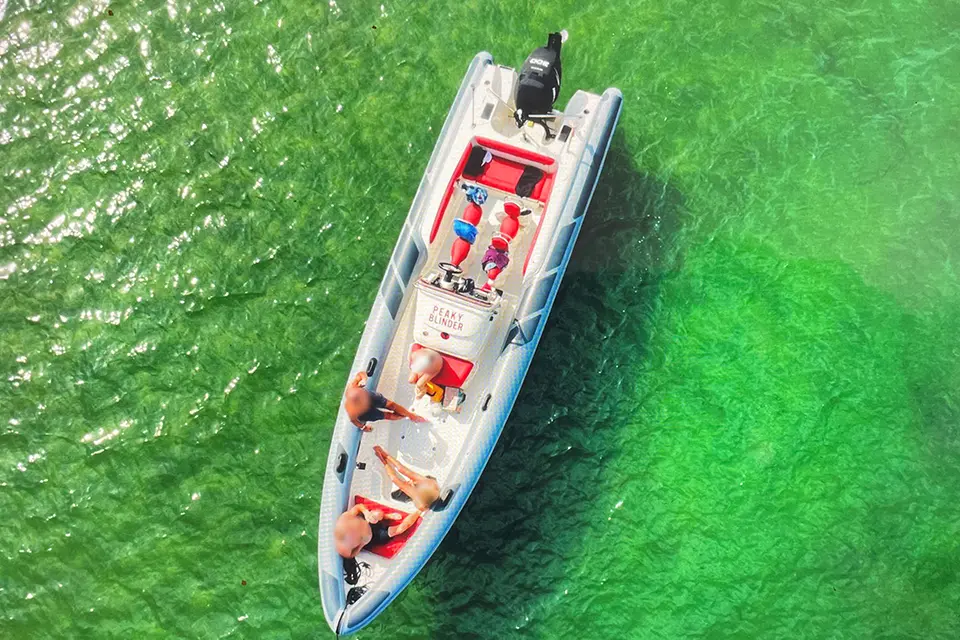
The Marine Accident Investigation Branch (MAIB) has officially published its comprehensive accident investigation report concerning a catastrophic high-speed collision—known in maritime terms as an allision—involving a rigid inflatable boat (RIB) named Peaky Blinder. The vessel violently struck a fixed navigation beacon in the busy waters of Portsmouth Harbour, England, on August 14, 2025. The high-impact crash resulted in the tragic deaths of two individuals on board, sending shockwaves through the local maritime community and reigniting intense national debate over safety regulations, vessel operation standards, and the alarming prevalence of alcohol consumption among recreational watercraft operators.
The newly released report paints a sobering picture of human error, compromised situational awareness, and the lethal compounding effects of alcohol impairment on the water. While recreational boating remains a popular pastime across the United Kingdom’s extensive coastline and inland waterways, the incident has exposed critical regulatory blind spots. Unlike commercial mariners, who are bound by strict, enforceable blood alcohol concentration (BAC) limits, recreational boaters operate in a largely self-regulated landscape where sobriety is treated as an individual choice rather than a legal requirement.
Chief Inspector of Marine Accidents Rob Loder did not mince words in his assessment of the disaster, pointing directly to substance consumption as a primary catalyst for the tragedy. The MAIB’s findings have once again brought to the forefront long-standing recommendations for legislative reform, specifically targeting the introduction of mandatory alcohol limits for recreational vessel operators. As maritime authorities, safety advocates, and grieving families process the findings, the Peaky Blinder disaster stands as a grim reminder that the rules of the road—and the water—exist to prevent catastrophic loss of life. This report aims to dissect the incident, analyze the contributing factors, and examine the broader systemic changes required to prevent similar tragedies in British waters.
Detailed Chronology of Events
The Setting: Portsmouth Harbour on a Summer Evening
Portsmouth Harbour is one of the busiest, most commercially vital, and strategically significant maritime hubs in the United Kingdom. Home to the Royal Navy’s primary surface fleet, bustling commercial ferry terminals, commercial shipping lanes, and a vast ecosystem of recreational sailing clubs, marinas, and pleasure craft, the harbour demands constant vigilance from all who navigate its waters.
On August 14, 2025, weather and sea conditions within the harbour were reported to be favourable for recreational boating. Visibility was good, and the water surface presented manageable conditions for small, high-powered craft. It was against this backdrop that the high-performance rigid inflatable boat Peaky Blinder set out on its ill-fated journey.
The Vessel: Peaky Blinder
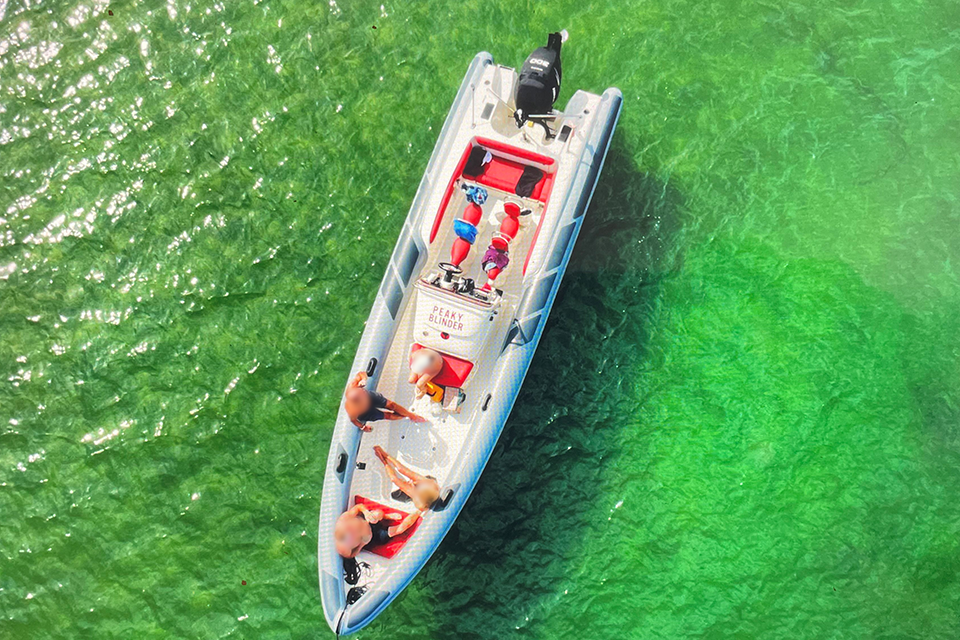
Rigid inflatable boats are celebrated for their versatility, speed, and maneuverability. Featuring a solid hull combined with flexible, air-filled tubes at the gunwale, modern RIBs are capable of achieving high velocities and executing sharp turns. However, these same performance characteristics make them exceptionally unforgiving when operated at excessive speeds or by individuals whose reaction times and cognitive functions are compromised.
The Peaky Blinder was no exception. Outfitted with powerful outboard engines, the vessel was capable of rapid acceleration and high-speed transit. On the day of the accident, the boat was carrying individuals who would ultimately become victims of a preventable high-impact collision.

The Impact with the Navigation Beacon
As the sun began to lower, the Peaky Blinder was navigating within the confines of Portsmouth Harbour. According to the MAIB’s timeline, the vessel was travelling at a high rate of speed as it approached a fixed navigation beacon—a permanent structure designed to mark channel boundaries and warn mariners of shallow water or underwater hazards.
For reasons that investigators would later trace back to severe impairment and a catastrophic breakdown in navigational watchkeeping, the driver of the Peaky Blinder failed to identify, register, or react to the presence of the solid steel-and-concrete structure directly in their path. There was no evidence of a last-second evasive maneuver, a sudden reduction in throttle, or a collision avoidance turn.
At approximately [Time Redacted / Unspecified in Source Data], the RIB struck the navigation beacon head-on at high speed. The kinetic energy released upon impact was immense. The rigid fiberglass hull of the Peaky Blinder shattered against the unyielding structure, instantly decelerating the vessel from high velocity to a dead stop. The extreme deceleration forces, combined with the crushing impact of the collision, inflicted fatal injuries upon two of the occupants.
Emergency services, including the Ministry of Defence Police, Hampshire Constabulary marine units, and local RNLI lifeboats, were swiftly dispatched to the scene following automated distress calls and witness reports. Despite rapid medical triage and extraction, two individuals were pronounced dead at the scene, while others sustained severe, life-altering injuries.
Supporting Context & Metrics: The Crisis of Alcohol at Sea
The Regulatory Void in Recreational Boating
One of the most critical dimensions of the MAIB’s report on the Peaky Blinder allision is its unflinching critique of the legislative framework governing recreational boating in the United Kingdom. While commercial shipping, aviation, and driving a motor vehicle on public roads are strictly regulated under criminal law regarding substance consumption, the recreational boating sector occupies a murky legal grey area.
Under current UK maritime law, commercial skippers and professional crew members face stringent legal limits for blood alcohol concentration, typically aligned with or stricter than the drink-drive limit for motorists (which is 80 milligrams of alcohol per 100 millilitres of blood in England and Wales, and 50 mg in Scotland). Failure to comply can result in heavy fines, loss of professional certification, and imprisonment.
However, for a weekend sailor, a jet-ski rider, or the operator of a high-speed private rigid inflatable boat like the Peaky Blinder, the rules are vastly different. While reckless or negligent operation of a vessel can be prosecuted under general maritime safety legislation—such as the Merchant Shipping Act—there is currently no specific, easily enforceable statutory alcohol limit tailored universally to recreational vessel operators.
Statistical Realities and Historical Precedent
Safety advocates and maritime investigators have spent decades lobbying for change. The argument is rooted in undeniable physiological facts: alcohol impairs judgment, diminishes visual acuity, slows reaction times, increases risk-taking behaviour, and degrades the body’s ability to withstand cold water immersion (hypothermia) should a person be thrown overboard.
Statistically, substance use remains a leading contributing factor in water-related fatalities globally. According to leisure marine safety data, a significant percentage of drowning victims and collision survivors tested positive for alcohol or recreational drugs. Despite these alarming figures, successive governments have been slow to introduce statutory BAC limits for recreational boaters, often citing enforcement challenges, jurisdictional complexities across inland waterways versus open coastal areas, and the decentralized nature of recreational boating.
The MAIB has repeatedly attempted to break this legislative inertia. Previous investigation reports stemming from fatal and near-fatal recreational incidents have featured formal safety recommendations urging the Department for Transport to introduce clear, enforceable alcohol limits for those in charge of pleasure vessels. The Peaky Blinder report serves as the latest, and perhaps most urgent, call to action.
Official Statements and Expert Analysis
Chief Inspector Rob Loder Speaks Out
The release of the accident investigation report was accompanied by a direct and impassioned statement from the Chief Inspector of Marine Accidents, Rob Loder. His words cut to the heart of the regulatory failure and the human tragedy behind the headlines:
"It is well understood that consumption of alcohol results in an elevated risk of having an accident. The introduction of alcohol limits for recreational boaters has been the subject of previous MAIB recommendations. It is to be hoped that action will now be taken, such that fatal accidents in which excessive alcohol consumption is a contributing factor become a thing of the past."
Loder’s statement underscores a deep frustration within the marine safety community. The science of impairment is settled; the statistical correlation between alcohol consumption and maritime casualties is documented beyond dispute; and the solutions—namely, statutory alcohol limits and enhanced enforcement powers for harbour masters and water police—are well understood. What has been missing is the political will to enact comprehensive legislative reform.
Maritime Safety Experts and Legal Perspectives
Independent maritime safety analysts have echoed Loder’s sentiments, pointing out that the public perception of boating as a casual, risk-free leisure activity often blinds participants to the inherent dangers of operating high-powered machinery on an unforgiving medium like water.
Unlike a car, which features brakes, lane markings, rumble strips, and predictable road surfaces, a high-speed RIB operates in a dynamic, three-dimensional environment influenced by tides, currents, wind, and unpredictable traffic. A momentary lapse in concentration caused by alcohol impairment can transform a high-performance leisure craft into an unguided missile.
Legal experts note that introducing a statutory limit for recreational boaters would not only provide law enforcement agencies with a clear, objective standard for prosecution but would also establish a vital cultural deterrent. Just as designated driving has become a deeply ingrained social norm, a cultural shift toward "designated skippering" is desperately needed in the UK leisure marine sector.
Future Outlook: Charting a Safer Course for British Waters
The Path to Legislative Reform
The true measure of the MAIB’s report on the Peaky Blinder allision will not be found in the pages of the document itself, but in how policymakers, regulators, and the maritime community respond to its findings. The pressure is now squarely on the Department for Transport and Parliament to review existing maritime safety laws and seriously consider the implementation of mandatory alcohol limits for pleasure craft operators.
Such a legislative shift would likely involve:
- Defining Statutory Limits: Establishing clear, legally binding blood alcohol concentration thresholds for anyone in command of or actively navigating a recreational vessel.
- Empowering Law Enforcement: Equipping marine police units and harbour masters with the authority to conduct breathalyzer tests on suspicion of impairment, mirroring roadside traffic stop procedures.
- Public Awareness Campaigns: Launching national education initiatives targeting yacht clubs, marinas, boat dealerships, and rental agencies to educate recreational boaters on the dangers of mixing alcohol with high-speed vessel operation.
Industry Self-Regulation and Cultural Change
While legislative changes take time to wind through Parliament, the leisure marine industry cannot afford to wait. Marinas, boat hire companies, training organizations (such as the Royal Yachting Association), and waterfront hospitality venues must take proactive steps to promote responsible behavior.
- Responsible Hospitality: Marinas and waterside pubs should implement policies similar to land-based establishments, discouraging heavy drinking among active skippers.
- Safety Briefings: Commercial entities renting out RIBs and small powerboats must enforce rigorous pre-hire safety briefings, explicitly forbidding substance use while operating vessels.
- Peer Intervention: Cultivating a culture where fellow boaters feel empowered to intervene when an impaired individual attempts to take the helm.
Conclusion
The tragic allision of the rigid inflatable boat Peaky Blinder in Portsmouth Harbour on August 14, 2025, was not merely an unavoidable act of nature or a freak accident; it was a devastating manifestation of well-documented risks that remain inadequately regulated. As families mourn the loss of two lives and the maritime community reflects on the grim findings of the MAIB report, the path forward is clear. Only through a combination of robust legislative reform, stringent enforcement, and a profound cultural shift regarding alcohol consumption on the water can we ensure that tragedies like the Peaky Blinder disaster become relics of the past.