






Executive Overview
The Western Caribbean remains one of the most dynamic, high-demand cruising regions in the global maritime industry. Balancing an intricate blend of ancient Mayan history, ecological sanctuaries, vibrant coral reef networks, and state-of-the-art commercial cruise terminals, this region offers an array of experiences that appeal to every demographic of traveler.
However, planning a voyage to the Western Caribbean requires careful logistical consideration. The region’s ports vary drastically in infrastructure: some feature multi-berth private and commercial piers capable of hosting the largest mega-ships in the world, while others rely entirely on tender operations or extended piers built across shallow continental shelves. Furthermore, corporate acquisitions, local legislative roadblocks, and infrastructure developments continue to reshape the landscape of destinations like Costa Maya and Roatán.
This comprehensive guide breaks down the 10 most prominent Western Caribbean cruise ports of call. By examining their logistical capabilities, terminal infrastructure, local attractions, and corporate alignments, travelers and industry analysts alike can better understand the operational mechanics driving contemporary Caribbean cruising.
Detailed Chronology & Port Profiles
1. Cozumel, Mexico
Positioned just off the eastern coast of the Yucatán Peninsula, Cozumel is arguably the most robust cruise destination in the region, capable of simultaneously berthing up to eight cruise vessels.
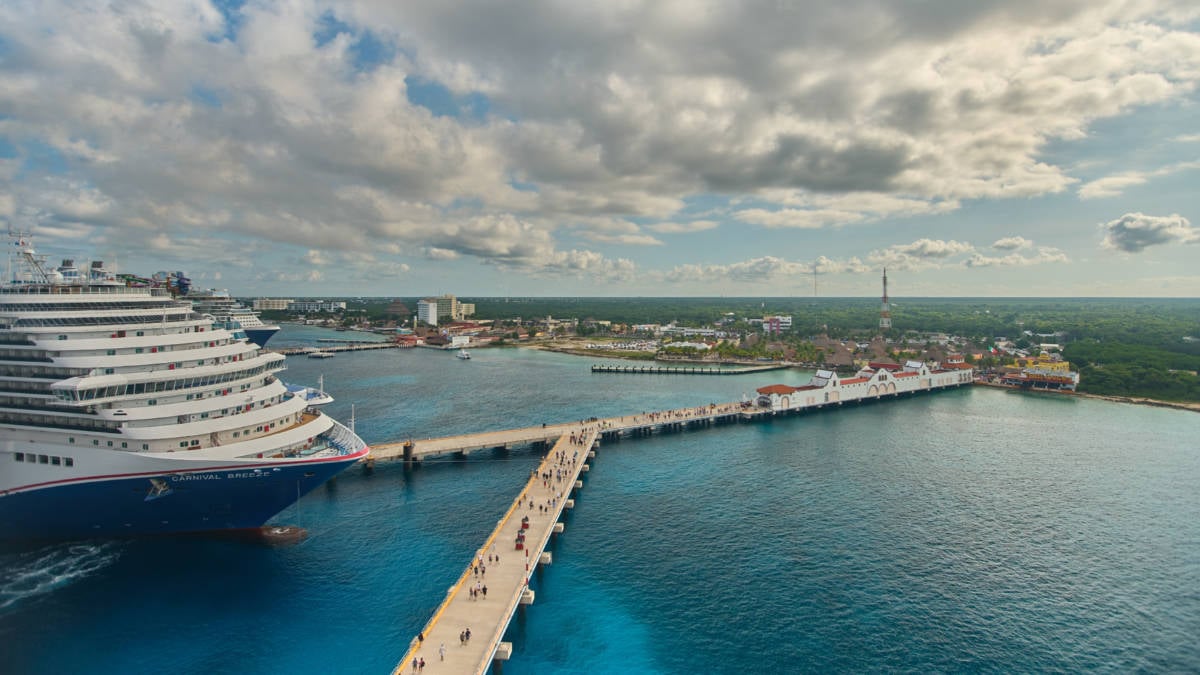
- Infrastructure & Berthing: Cozumel features three primary, dedicated cruise piers: Punta Langosta (situated on the northern side, heavily utilized by Royal Caribbean Group vessels and located a mere five-minute walk from downtown’s Main Square); the International SSA Pier; and Puerta Maya (situated further south and predominantly serving Carnival Corporation fleets). Tendering is exceptionally rare here due to the robust pier capacity.
- Excursions & Culture: Beyond duty-free shopping zones directly adjacent to the piers, Cozumel is globally celebrated for its maritime biodiversity. The island sits alongside the Mesoamerican Barrier Reef, offering world-class diving and snorkeling environments (such as Chankanaab Adventure Beach Park) featuring subterranean caves, coral tunnels, and thriving marine ecosystems. Excursions frequently expand to include Jeep safaris to inland Mayan ruins, tequila-tasting seminars, and eco-adventure parks.
2. Grand Cayman, Cayman Islands
Located midway between Cuba and Jamaica, Grand Cayman serves as the largest of the three islands comprising the British Overseas Territory of the Cayman Islands. Its capital, George Town, acts as the primary maritime hub.
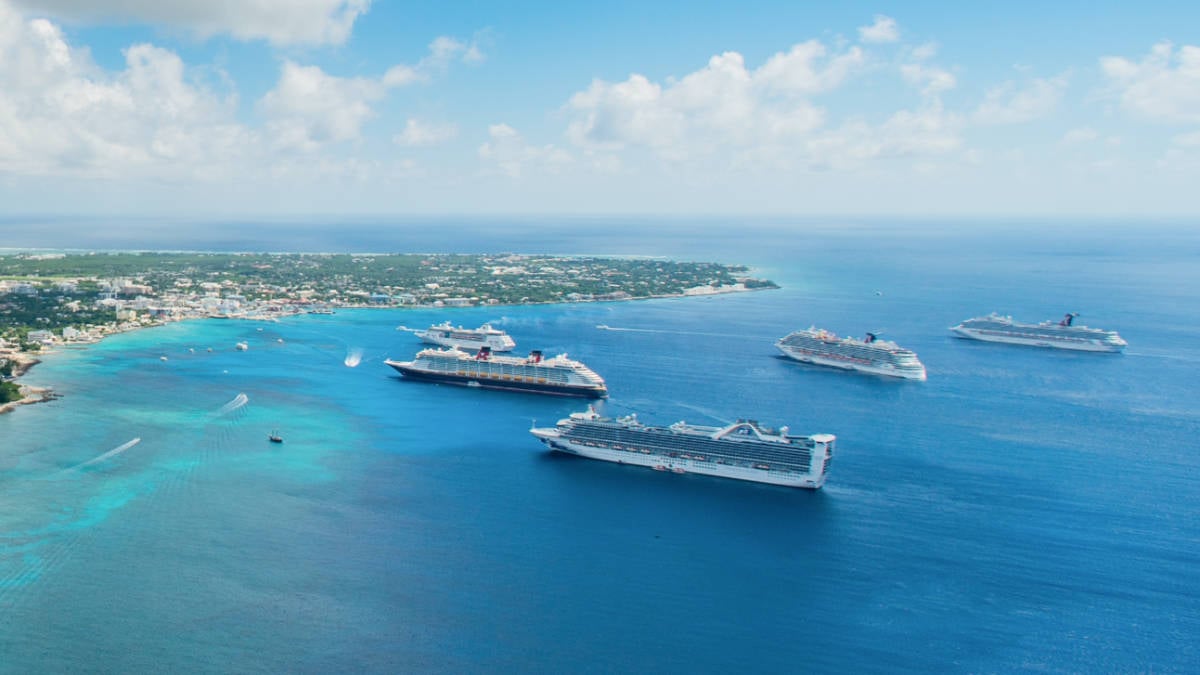
- Infrastructure & Berthing: Grand Cayman operates strictly as a tender port. Cruise vessels drop anchor in the sheltered waters of the western harbor, utilizing ship lifeboats and local tenders to transport passengers ashore across three central terminals: South, North, and Royal Watler. These terminals boast modern passenger processing facilities, duty-free shopping, and organized excursion hubs.
- Excursions & Culture: Grand Cayman is renowned for its conservation efforts and marine encounters. Passengers frequently visit the Cayman Turtle Center, swim with southern stingrays at the famous offshore sandbar Stingray City, or relax on the immaculate stretches of Seven Mile Beach. For a quirky postal tradition, visitors often travel to "Hell"—a field of jagged, black limestone formations—to mail postcards home bearing the town’s unique postmark.
3. Costa Maya, Mexico
Situated on the eastern coast of the Yucatán Peninsula roughly 100 miles south of Playa del Carmen, Costa Maya acts as a gateway to the southern reaches of Mexico’s Caribbean coastline and the nearby fishing village of Mahahual.

- Recent Developments & Legal Setbacks: Costa Maya has been a subject of intense industry focus. Royal Caribbean Group completed the acquisition of the port in July 2025 with ambitious designs to construct a massive "Perfect Day Mexico" mega-destination. However, these plans have encountered significant friction, facing temporary legal pauses and regulatory scrutiny from Mexican federal judges and local government bodies.
- Infrastructure & Attractions: The purpose-built port area features comprehensive retail arcades, dining establishments, and transport hubs. Excursion options span deep jungle wildlife tours to the biosphere reserves of Banco Chinchorro and Sian Ka’an, alongside archaeological excursions to majestic Mayan pyramids and temples at Kohunlich and Chacchoben.
4. Roatán, Honduras
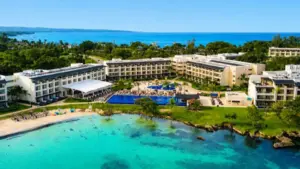
As the largest of the Honduran Bay Islands, Roatán has evolved into an essential Western Caribbean port of call, prized for its dramatic mountainous topography and deep-sea marine topography.
- Infrastructure & Berthing: Roatán features two major cruise facilities. Isla Tropicale (formerly known as Mahogany Bay) is owned and operated by Carnival Corporation on the southwest coast near Coxen Hole. Opened in 2009, it features two berths, an extensive shopping village, nature trails, and a signature chairlift system transporting guests directly to the beach. Non-Carnival lines, including Royal Caribbean, frequently utilize the nearby Coxen Hole cruise terminal, which opened in 2008 and features its own retail plaza.
- Excursions & Culture: Roatán houses sections of the Mesoamerican Barrier Reef, making it a premier destination for scuba diving and deep-sea exploration. Land-based excursions are equally unique, featuring ethical sloth and iguana sanctuaries, historical water taxi tours through the stilted fishing houses of Oakridge, and 17th-century pirate fortifications.
5. Ocho Rios, Jamaica
Perched on Jamaica’s northern coast, Ocho Rios is the island’s premier cruise destination, defined by a vibrant coastal townscape backed by emerald rainforests.

- Infrastructure & Berthing: The primary maritime facility is Turtle Bay Pier, which accommodates larger cruise vessels alongside a bustling artisan craft market and live street performances. A secondary berth, Reynolds Pier (situated on a former sugar processing site across the bay), helps absorb overflow traffic.
- Excursions & Culture: Ocho Rios is globally synonymous with ecological adventure. The most prominent landmark is Dunn’s River Falls, a 180-foot terraced waterfall that visitors can climb accompanied by expert guides. Additional inland excursions range from rainforest ziplining and bobsled adventures to cultural pilgrimages to Nine Mile, St. Ann, the birthplace and final resting place of reggae legend Bob Marley.
6. Montego Bay, Jamaica
Positioned on Jamaica’s northwest coast, Montego Bay is the island’s second-largest cruise port and functions as a major logistical hub for Western Caribbean itineraries.
- Infrastructure & Berthing: The Mobay terminal features state-of-the-art facilities capable of simultaneously hosting up to four cruise ships. Amenities include duty-free shopping complexes, authentic Jamaican eateries, and dedicated ground-transportation desks.
- Excursions & Culture: Montego Bay serves as a launchpad for diverse experiences, from touring the Rastafari Indigenous Village to playing rounds at championship golf courses. The famous "Hip Strip" offers energetic nightlife and dining (including Margaritaville), while history enthusiasts frequently tour Rose Hall Great House, a restored 18th-century plantation home. Bamboo rafting excursions down the tranquil Martha Brae River provide a stark, serene contrast to the bustling coast.
7. Falmouth, Jamaica
Located on Jamaica’s northern shoreline roughly midway between Ocho Rios and Montego Bay, Falmouth is a historically rich port engineered specifically to solve a modern logistical challenge.

- Infrastructure & Berthing: Developed through a partnership between Royal Caribbean Group and the Port Authority of Jamaica, Falmouth opened in March 2011. Its two-berth configuration was specifically designed to accommodate massive Oasis-class vessels—ships too large to dock in standard traditional ports like Ocho Rios or Montego Bay. The port features a central village design positioned efficiently between the two docked ships.
- Excursions & Culture: Immediately outside the secure port gates lies the historic Georgian town of Falmouth, founded in 1769. Popular off-site excursions include bamboo rafting on the Martha Brae and evening boat tours of the nearby Glistening Waters Luminous Lagoon, where microscopic dinoflagellates illuminate the water upon movement.
8. Progreso, Mexico
Located in the northwest Yucatán Peninsula roughly 18 miles from the historic inland city of Mérida, Progreso combines the charm of a traditional Mexican fishing village with a rapidly growing modern cruise terminal.
- Infrastructure & Berthing: Progreso boasts one of the most unique engineering marvels in cruise infrastructure: a four-mile (6.4 km) long pier that extends far out past the exceptionally shallow continental shelf to deep enough waters to accommodate modern mega-ships. Dedicated shuttle buses transport arriving passengers from the end of the pier directly to the onshore terminal area.
- Excursions & Culture: Visitors stepping ashore find themselves just blocks away from El Malecon, an extended seaside promenade lined with sandy beaches, local seafood restaurants, and a traditional beachfront carousel. Beyond the immediate port, excursions travel inland to Mérida, a city rebuilt by Spanish conquistadors showcasing grand colonial architecture and luxury shopping along the Paseo de Montejo.
9. Belize City, Belize
Serving as the primary maritime gateway to Central America’s eastern coastline, Belize City welcomes thousands of cruise guests daily.

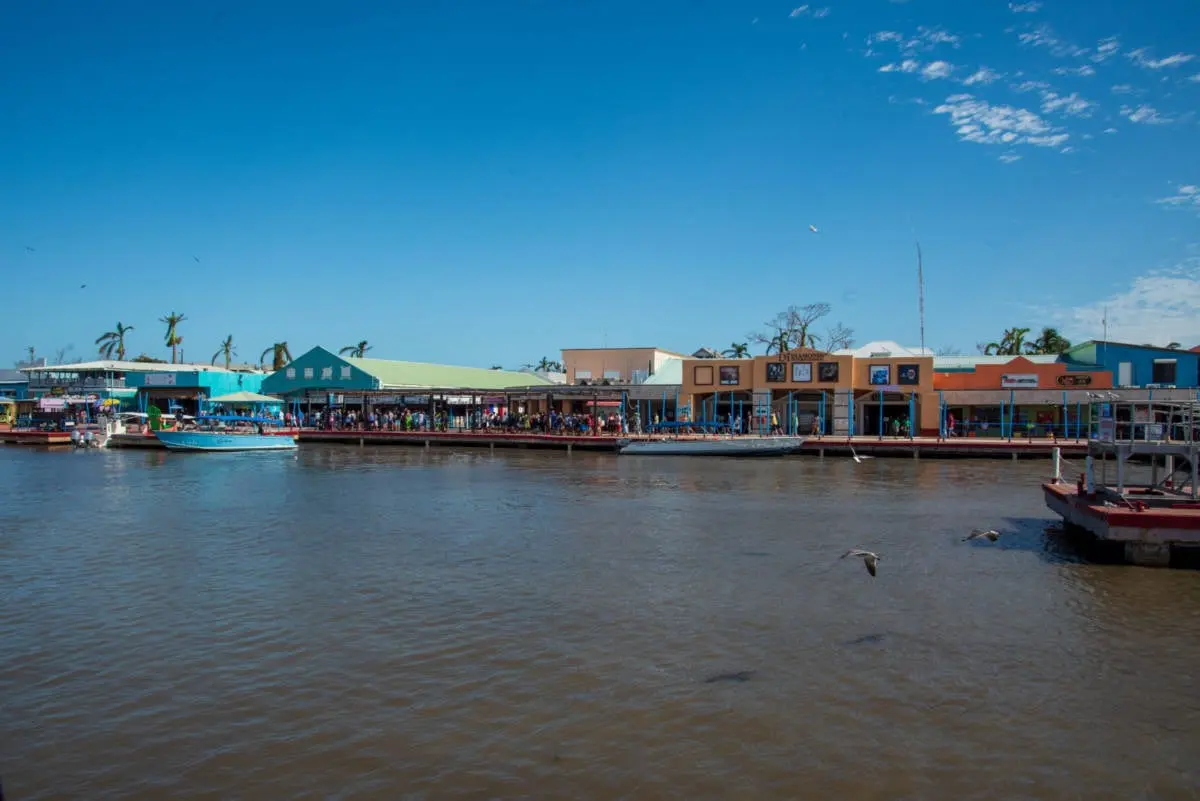
- Infrastructure & Berthing: Cruise operations center around the Fort Street Tourism Village, located in the heart of Belize City. Because the mainland coast features extensive shallow barrier systems, the port relies on tender operations to transfer passengers from ships anchored offshore to the fully equipped village terminal, which houses informational desks, restaurants, and retail spaces.
- Excursions & Culture: Belize is globally renowned for its aquatic and jungle ecosystems. The country features the longest barrier reef in the Western Hemisphere, offering world-class diving at sites such as the legendary Blue Hole. Inland excursions take adventurous travelers deep into the tropical rainforest for cave tubing, ziplining, and exploration of ancient Mayan archaeological sites such as Altun Ha and Xunantunich.
10. Key West, Florida
Positioned at the absolute southernmost tip of the continental United States, Key West serves as an American domestic port of call frequently integrated into Western Caribbean itineraries.
- Infrastructure & Berthing: Larger commercial cruise vessels dock at the deepwater Pier B, whereas smaller vessels and regional ships utilize the city-owned Mallory Square Dock. Both terminals place visitors within immediate walking distance of Key West’s historic downtown core.
- Excursions & Culture: Known for its laid-back island lifestyle, pastel-colored Victorian architecture, and rich literary history, Key West offers effortless independent exploration. Travelers can visit the Ernest Hemingway Home and Museum, stroll down bustling Duval Street, tour the Harry S. Truman Little White House, or participate in the nightly Sunset Celebration at Mallory Square, complete with street performers and local artisans.
Supporting Context & Metrics
Evaluating the Western Caribbean cruise market requires an understanding of scale, economic impact, and vessel distribution:

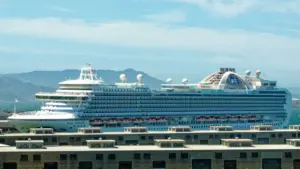
- Vessel Class Compatibility: Ports like Falmouth and Cozumel are optimized for modern Oasis- and Icon-class megaships exceeding 220,000 gross registered tons. Conversely, tender ports like Grand Cayman and Belize City present distinct operational constraints, where adverse weather conditions or high sea states can occasionally force itinerary modifications or port omissions.
- Economic Footprint: The Western Caribbean accounts for a multi-billion-dollar segment of the Caribbean tourism economy. Shore excursion expenditure remains exceptionally high here due to the unique concentration of adventure tourism (zip-lining, cave tubing, and scuba diving) and UNESCO-recognized archaeological sites.
Future Outlook
The trajectory of Western Caribbean cruising points toward increased corporate destination management and infrastructure modernization. As demonstrated by Royal Caribbean’s ongoing efforts in Costa Maya and Carnival Corporation’s investments in Roatán, major cruise lines are aggressively seeking to secure exclusive or semi-exclusive destination ecosystems.
At the same time, regional authorities are placing renewed emphasis on sustainable tourism management, environmental protection of fragile barrier reef systems, and regulatory compliance. For the modern cruiser, understanding the nuances of these 10 essential ports ensures a more seamless, well-informed, and deeply rewarding travel experience across one of the world’s premier maritime corridors.