






Executive Overview
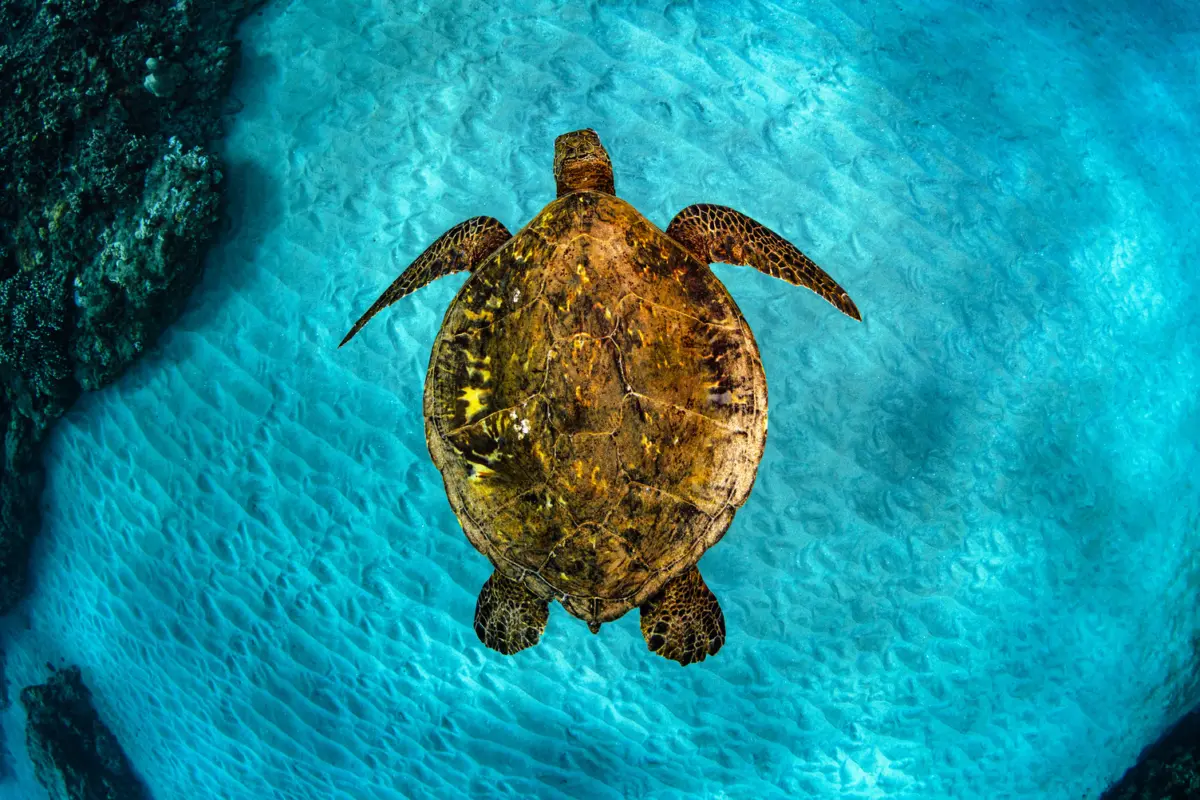
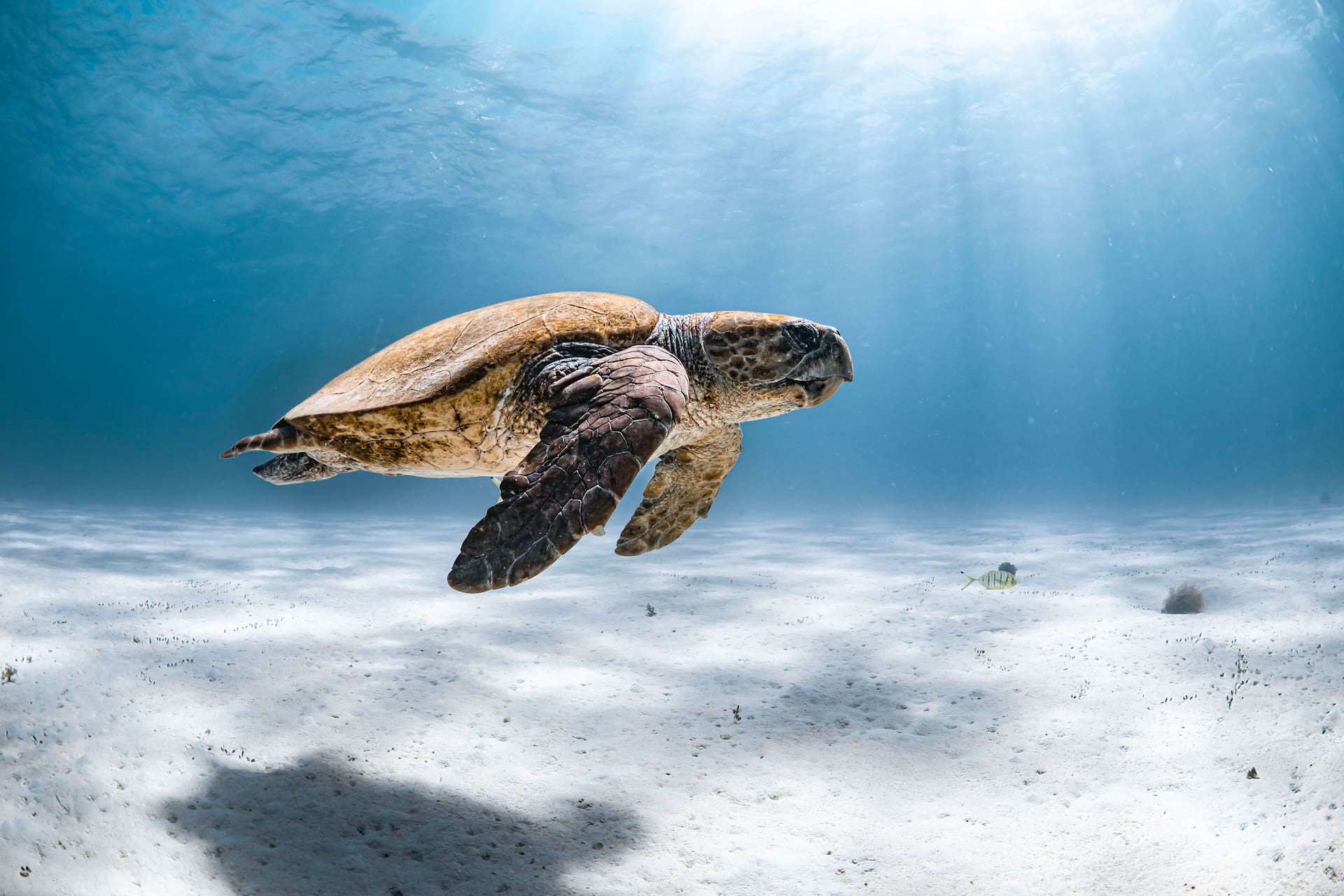
For over 100 million years, sea turtles have traversed the planet’s oceans, surviving cataclysms that wiped out the dinosaurs and enduring epochs of dramatic climatic shifts. Among the most awe-inspiring migrations in the animal kingdom are those undertaken by female sea turtles, which cross thousands of miles of open ocean to nest on or near the exact beaches where they hatched.
Consider the leatherback sea turtle (Dermochelys coriacea). Pacific leatherbacks nesting in Indonesia have been documented migrating more than 10,000 kilometers (approx. 6,200 miles) across the vast expanse of the Pacific Ocean to reach the West Coast of the United States. This represents the longest migration of any air-breathing marine vertebrate. Performing this feat without modern cartography, compasses, or global positioning systems has long fascinated marine biologists.
Recent breakthroughs in marine biology and satellite telemetry reveal that these reptiles utilize an intricate, built-in biological guidance system based on Earth’s geomagnetic field. However, this ancient evolutionary map is increasingly pitted against modern, human-induced threats. From light pollution that disorients vulnerable hatchlings to an ocean choked with persistent micro- and macro-plastics, sea turtles face unprecedented hurdles. While their internal compasses can direct them across thousands of miles of open blue, it is up to humanity to ensure that safe habitats and functional ecosystems remain waiting for them at the end of their journey.
Detailed Chronology: From Hatchling Emergence to Epic Open-Ocean Odysseys
To understand the scope of sea turtle navigation, scientists trace their lives through distinct, highly specialized behavioral stages spanning decades.
Stage 1: The Perilous Midnight Dash (Natal Homing and Hatchling Orientation)
The life cycle of a migratory sea turtle begins on nocturnal shores. Historically, hatchlings emerge from underground nests under the cover of darkness, relying on a profound evolutionary cue: moving toward the brightest natural horizon. On a pristine, undeveloped beach, this horizon is light reflecting off the open ocean water.
Once they reach the surf, hatchlings enter a phase known as "swim frenzy," swimming continuously for 24 to 48 hours straight to propel themselves away from the dangerous, predator-dense nearshore waters and out into the open pelagic zones.
Stage 2: The Lost Years and Pelagic Drifting
For many species, such as loggerheads (Caretta caretta) and green sea turtles (Chelonia mydas), the subsequent phase of life is often referred to as the "lost years." Carried away by powerful ocean currents—such as the North Atlantic Gyre—these juveniles spend years living in floating seaweed mats (like Sargassum). During this time, they feed on small invertebrates and continuously calibrate their internal guidance systems.
Stage 3: The Magnetically Guided Return
As juveniles mature into sub-adults and adults, they transition from passive drifters to active navigators. When the time comes to reproduce, females (and, to a lesser extent, males returning to breeding grounds) exhibit natal homing—the ability to navigate back to their exact natal region.
Scientists have confirmed that sea turtles read Earth’s magnetic field lines, which intersect the globe at varying angles and intensities. Because both the magnetic intensity and the magnetic inclination angle change predictably with latitude and longitude, these subtle variations act as a living, global coordinate system. By sensing these fields via microscopic magnetite crystals embedded in their tissues (particularly around the brain and skull), sea turtles can pinpoint their geographic location with astonishing accuracy.
Supporting Context & Metrics: The Scale of Survival and Modern Hazards
Despite possessing one of the most sophisticated navigation suites in the natural world, sea turtles are increasingly falling victim to anthropogenic stressors that evolutionary history did not prepare them to handle.
1. The Light Pollution Trap
Coastal development has transformed once-dark coastlines into glowing strips of urban illumination. Artificial lighting from streetlamps, beachfront properties, and vehicle headlights overwhelms the subtle natural light cues that guide hatchlings toward the ocean. Instead of heading to the sea, disoriented hatchlings crawl inland toward coastal roads, where they face exhaustion, dehydration, predation, or vehicular strikes. Similarly, artificial glow deters gravid (pregnant) females from coming ashore to nest entirely, forcing them to drop their eggs in suboptimal marine environments.
2. Acoustic Pollution in the Marine Realm
The ocean is an increasingly noisy medium. Sea turtles possess internal ears capable of detecting low-frequency sounds transmitted through water. Human-induced noise generated by commercial vessel traffic, offshore oil and gas seismic surveys, coastal construction, and military sonar creates persistent auditory disruptions. NOAA and academic studies indicate that anthropogenic noise causes acute stress responses in marine animals, disrupting foraging behaviors, altering migratory paths, and forcing sea turtles out of preferred habitats.
3. The Plastic Crisis: An Evolutionary Mismatch
Perhaps the most ubiquitous and devastating threat is plastic pollution. Sea turtles evolved over millions of years to locate drifting, gelatinous prey, such as jellyfish. However, widespread mass production of synthetic plastics began a mere 60-plus years ago—a fraction of a second in evolutionary time.
To a hungry sea turtle, a floating plastic grocery bag, a deflated Mylar balloon, or translucent plastic packaging looks indistinguishable from a meal.
- Ingestion Metrics: A landmark study published by Ocean Conservancy, analyzing more than 10,000 marine animal autopsies, revealed that nearly 50% of the sea turtles studied had ingested plastic.
- Lethal Thresholds: Most alarming are the findings regarding adult loggerhead turtles; researchers discovered that swallowing just one and a half times the plastic volume equivalent to a standard golf ball was sufficient to kill 50% of these creatures, typically by blocking their digestive tracts, causing internal punctures, or inducing fatal gas buildups.
Official Statements and Expert Perspectives
Marine conservation organizations and regulatory bodies emphasize that while the scientific marvel of turtle migration is well-documented, the regulatory and grassroots actions required to protect them are equally clear.
Experts from organizations like Ocean Conservancy stress that the survival of these ancient species depends on a dual-pronged approach: protecting critical coastal habitats and curbing upstream waste.
"Sea turtles survived the extinction event that wiped out dinosaurs. They’ve outlasted shifting continents and dramatic changes to our planet. But surviving millions of years doesn’t make them invincible," notes marine conservation literature from Ocean Conservancy. "Today, they’re facing threats that appeared in the blink of an evolutionary eye: plastic pollution, habitat loss, vessel strikes, fishing gear entanglement, and climate change. The remarkable thing is that many of these challenges aren’t inevitable. They’re problems we can all help solve."
Federal agencies echo these concerns. The National Oceanic and Atmospheric Administration (NOAA) underscores that protecting critical marine corridors—especially migratory paths crossing international boundaries—requires global cooperation, stringent vessel speed limits in sensitive zones, and the enforcement of dark-sky ordinances along major nesting beaches.
Future Outlook: Charting a Safe Passage for Tomorrow
The narrative of the sea turtle is ultimately one of resilience, but resilience has its limits. The challenges facing these mariners—ranging from shoreline armoring and habitat reduction to microplastic contamination and ocean warming—require immediate, decisive intervention from policymakers, conservationists, and everyday citizens alike.
The roadmap for securing a future for sea turtles involves several critical initiatives:
- Strengthening Coastal Protections: Implementing mandatory dark-sky lighting policies in coastal communities to safeguard nesting females and emerging hatchlings.
- Mitigating Plastic Pollution: Reducing single-use plastics at the legislative and consumer levels to prevent debris from entering coastal watersheds and pelagic zones.
- Regulating Marine Soundscapes: Implementing strict noise-reduction protocols for commercial shipping and industrial offshore operations to keep migratory corridors open and undisturbed.
- Habitat Restoration: Preserving and restoring natural sand dunes, removing unnecessary shoreline armoring (like concrete seawalls), and protecting crucial coral reef ecosystems where sub-adult turtles forage.
As sea turtles continue their monumental voyages across the globe, their survival is a barometer for the health of the world’s oceans. They possess the biological engineering required to find their way home across trackless seas; it remains our collective responsibility to ensure that a habitable, safe home still exists when they arrive.