






Published by: Marine Accident Investigation Branch (MAIB)
Date of Publication: 20 August 2026
Incident Date: 20 December 2025
Location: South-east of Montrose, Scotland
Executive Overview
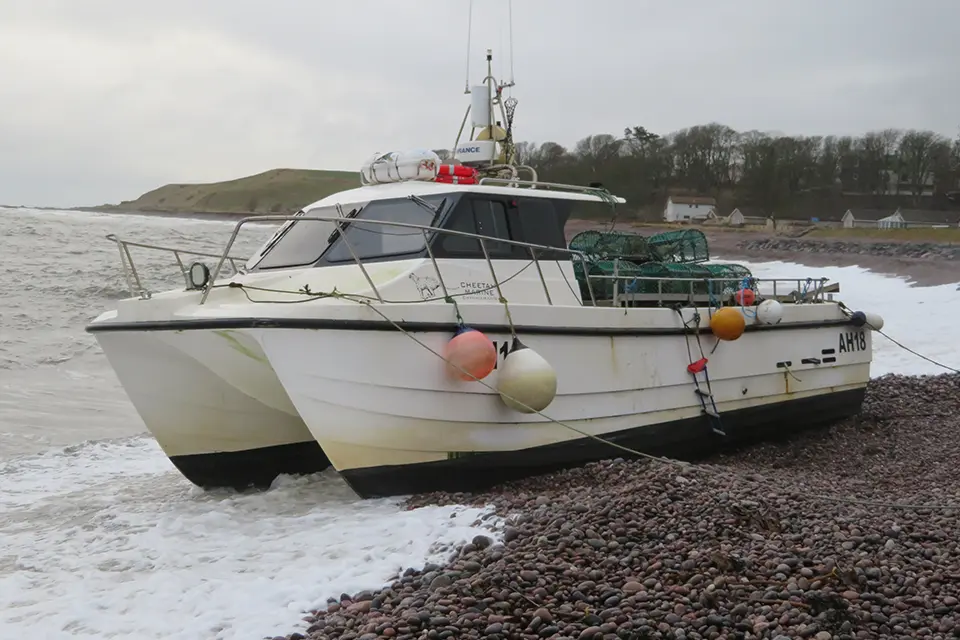
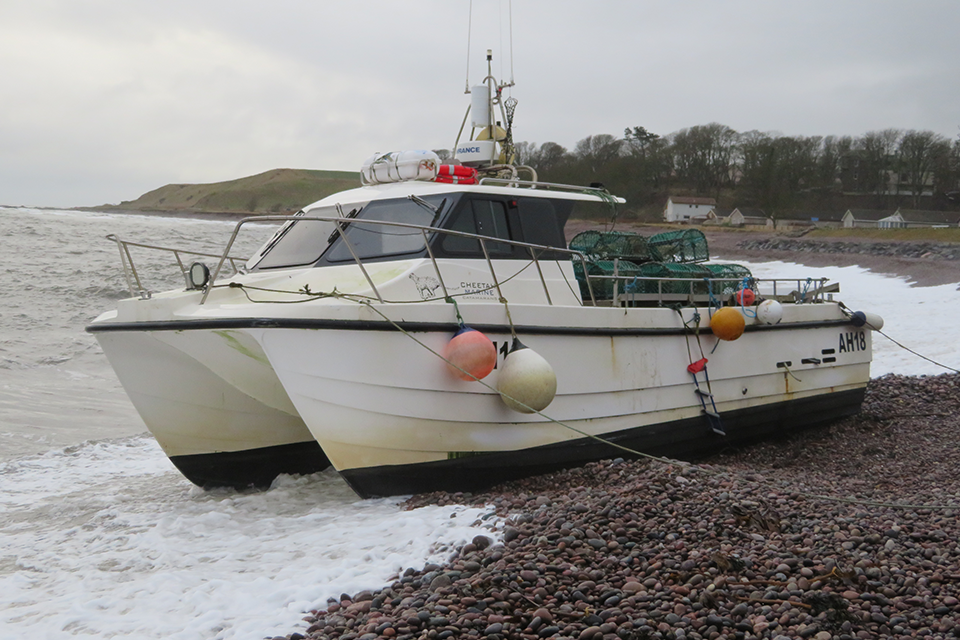
In a stark reminder of the inherent dangers facing the commercial fishing industry, the Marine Accident Investigation Branch (MAIB) has officially released its comprehensive accident investigation report regarding a fatal "man overboard" incident. The tragedy unfolded on 20 December 2025, claiming the life of a single fisherman operating the creel fishing vessel Sea Eagle (registered as AH18). The vessel was operating alone in cold, unforgiving waters located south-east of Montrose, Scotland, when the catastrophic event occurred.
The publication of the report brings to light a meticulous reconstruction of the final moments of the operation, detailing the sequence of mechanical and human factors that precipitated the tragedy. Single-handed commercial fishing operations—where a skipper works entirely without crew—represent a notoriously high-risk sector within maritime commerce. This incident underscores the precarious nature of solo fishing and highlights critical vulnerabilities in vessel design, deck safety gear, personal flotation device (PFD) utilization, and emergency recovery mechanisms.

While the physical body of the operator was not recovered during the immediate search and rescue phase, official assessments have classified the event as a presumed fatality. The MAIB’s findings are intended not only to establish the factual chain of events leading up to the disaster but also to drive systemic change across the UK fishing fleet. By issuing targeted safety recommendations to industry bodies, regulators, and vessel owners, the MAIB aims to prevent similar tragedies from recurring on Britain’s coastal waters. This investigative report serves as a profound call to action for the enhancement of onboard safety protocols, particularly for the vulnerable demographic of single-handed operators who form the backbone of many local fishing communities.
Detailed Chronology of Events
The Pre-Departure Phase
On the morning of 20 December 2025, the skipper of the Sea Eagle prepared for a routine day of creel fishing. Weather conditions in the North Sea off the coast of Angus were typical for the winter season: cold, with moderate swells and a brisk wind that tested the limits of small-scale maritime operations. The Sea Eagle, a dedicated creel fishing boat optimized for catching shellfish such as crabs and lobsters, was structurally equipped for solo operations, meaning all hauling, sorting, and baiting tasks fell squarely on the shoulders of the lone skipper.
Pre-departure checks appeared to have been completed in standard fashion. The vessel cleared the harbor, making its way to established fishing grounds located south-east of Montrose. For independent fishermen, these winter voyages are often characterized by tight schedules dictated by daylight constraints and market demands, placing immense physical and psychological pressure on lone operators.
Arrival at the Fishing Grounds and Deployment
Upon arriving at the designated grounds, the Sea Eagle commenced the hauling and shooting of its creel strings. Creel fishing involves deploying heavy wire- or net-mesh pots connected by a continuous groundline. As the vessel moves down the line, the pots are hauled aboard via a hydraulic hauler, emptied, re-baited, and shot back into the water.

For a solo operator, this process requires moving rapidly back and forth between the wheelhouse and the working deck. The skipper must simultaneously steer the vessel, manage the hydraulic hauling equipment, handle heavy, waterlogged gear, and sort the catch—all while the boat is subjected to the motion of the sea.
The Critical Incident
While exact eyewitness accounts are absent due to the single-handed nature of the voyage, the MAIB’s forensic reconstruction provides a chillingly clear picture of how the accident likely materialized. Investigators analyzed the vessel’s electronic tracking data, the physical layout of the deck, the condition of the fishing gear, and the operational status of the machinery to piece together the final moments.
It is surmised that during the hauling operation, a snag or an unexpected surge of movement involving the groundline or a creel created a high-tension hazard on deck. In such scenarios, a loose rope, a bight, or the sudden momentum of heavy gear can sweep an unwary crew member overboard in a fraction of a second. Without a second pair of eyes on deck or a crew member stationed at the helm to instantly cut power or put the vessel into a recovery maneuver, the skipper would have entered the water instantly.
Compounding the crisis, the Sea Eagle continued underway or drifted while unmanned, quickly separating the vessel from the person in the water. The shock of immersion in the freezing December waters of the North Sea would have been immediate, triggering cold water shock—a physiological response characterized by involuntary gasping, hyperventilation, and rapid panic, which drastically reduces an individual’s ability to swim or activate emergency beacons without prior preparation.
The Emergency Response and Search
When the Sea Eagle failed to return at its expected time, and subsequent attempts to establish radio contact failed, concern escalated rapidly within the local maritime community. Maritime Rescue Coordination Centre (MRCC) Aberdeen was alerted, triggering a multi-agency search and rescue (SAR) operation.
The rescue effort saw the deployment of:
- All-weather and inshore lifeboats from the Royal National Lifeboat Institution (RNLI).
- Coastguard rescue helicopter assets equipped with thermal imaging technology.
- Vessels of opportunity operating in the vicinity of the Montrose grounds.
Despite an exhaustive search grid covering vast expanses of the North Sea south-east of Montrose, hampered by fading light and deteriorating winter weather, neither the skipper nor any active personal locator beacon signal was detected. The operation eventually transitioned from a rescue mission to a recovery search, and ultimately, as the hours elapsed with no sign of the missing fisherman, the search was suspended. The incident left the local community in deep mourning and initiated the thorough regulatory investigation that has now culminated in the published MAIB report.
Supporting Context & Metrics
The Perils of Lone-Operated Fishing Vessels
The tragedy involving the Sea Eagle is far from an isolated incident; rather, it highlights a persistent, systemic hazard within the commercial fishing sector. Statistically, fishing remains one of the most dangerous civilian occupations in the world, and single-handed operations carry an exponentially higher risk profile.
According to data compiled by maritime safety authorities and labor organizations:
- Disproportionate Fatality Rates: Solo operators account for a significant percentage of man-overboard fatalities in the UK fishing fleet. Because there is no one else on board to raise the alarm, stop the vessel, or throw a life ring, a simple slip on a wet deck or a snagged line routinely translates into a fatal outcome.
- The "Vessel Separation" Problem: When a lone fisherman goes overboard, the vessel frequently continues moving under autopilot, throttle setting, or environmental drift. Even if the individual survives the initial fall and cold water shock, watching their livelihood and only means of rescue sail away into the distance presents an unsurmountable survival barrier.
- Fatigue and Ergonomic Stress: Solo operators often work punishingly long hours to make their ventures economically viable. Physical exhaustion degrades reaction times, decision-making capabilities, and balance—all of which are critical when working on a compact, rolling deck surrounded by heavy machinery and snagging hazards.
Personal Flotation Devices (PFDs) and Safety Culture
A central theme in maritime safety discussions—and one heavily scrutinized in the Sea Eagle investigation—is the wearing of Personal Flotation Devices (PFDs) equipped with integrated Personal Locator Beacons (PLBs).
While regulations and safety campaigns by bodies like the MAIB, the Maritime and Coastguard Agency (MCA), and the Fishermen’s Mission have driven an increase in PFD compliance across the UK, resistance remains stubborn among a subset of older or fiercely independent fishermen. Common complaints historically included claims that PFDs are bulky, restrict movement, or get caught in working gear. However, modern inflatable PFDs are lightweight and ergonomic.
In a man-overboard scenario in cold North Sea waters, a PFD is quite literally the difference between life and death. It keeps the airway clear of water during the initial stages of cold water shock, conserves precious energy, and—if paired with an automatic AIS (Automatic Identification System) or DSC (Digital Selective Calling) beacon—transmits an immediate distress signal directly to the vessel and nearby shipping traffic.
Official Statements
The release of the MAIB report has prompted solemn reflections from maritime officials, safety advocates, and representatives of the fishing community.
An unnamed spokesperson for the Marine Accident Investigation Branch stated:
"The loss of the skipper of the Sea Eagle is a devastating blow to his family, friends, and the wider Scottish fishing community. Our investigation has been thorough, impartial, and focused entirely on understanding the precise mechanics of how this tragedy occurred so that we can prevent others from suffering the same fate. Working alone at sea strips away the safety nets that multi-crew vessels take for granted. This report details critical lessons regarding deck safety, man-overboard recovery, and the absolute necessity of wearing reliable, equipped personal flotation devices. We urge all single-handed operators to review our findings and seriously evaluate their onboard safety management systems."
Industry organizations have also echoed these sentiments, emphasizing that economic pressures must never compromise basic safety practices.
A representative from the Scottish Fishermen’s Federation commented:
"Every fisherman lost at sea leaves a void that can never be filled. The independent creel sector is vital to our coastal heritage and economy, but the vulnerabilities of solo fishing have been laid bare once again. We must move past the culture of ‘it will never happen to me.’ The recommendations issued by the MAIB today must serve as a catalyst for every skipper to inspect their gear, adopt modern man-overboard prevention technology, and ensure they are never complacent when working the decks alone."
Future Outlook & Recommendations
The publication of the MAIB report on the Sea Eagle is not merely a retrospective accounting of a disaster; it is a forward-looking roadmap designed to enact meaningful, lasting safety improvements within the fishing industry.
Key Recommendations Outlined in the Report
While the full technical breakdown and specific administrative recommendations are housed within the official document linked by the MAIB, investigations of this nature typically center on several vital pillars:
- Mandatory Technological Safeguards for Solo Operations: There is an ongoing push within maritime safety circles to mandate or heavily incentivize dead-man switches, engine kill-cords linked directly to the operator’s body, or wearable electronic man-overboard alarm systems that automatically cut engine power the moment a skipper leaves the vicinity of the wheelhouse or falls into the sea.
- Enhanced PFD and PLB Adoption: The report reinforces the non-negotiable requirement for commercial fishermen—particularly solo operators—to wear functional, serviced PFDs at all times while on deck, integrated with active signaling technology to drastically reduce search radiuses in the event of an immersion.
- Improved Deck Layout and Hazard Mitigation: Vessel designers and marine surveyors are urged to evaluate creel handling systems to minimize pinch points, snag hazards, and the physical strain associated with hauling gear manually or via semi-automated winches on compact vessels.
- Regulatory Oversight and Safety Education: Continued collaboration between the MCA, safety charities, and fishermen’s associations to deliver targeted safety training, emphasize fatigue management, and foster an industry-wide culture where reporting near-misses is encouraged without fear of punitive measures.
Conclusion
The tragedy of the Sea Eagle on 20 December 2025 will forever remain a sobering chapter in the history of Scotland’s coastal fisheries. As the maritime community digests the findings and recommendations of the MAIB report published on 20 August 2026, the ultimate tribute to the fallen skipper will be measured in lives saved through proactive change. For the thousands of fishermen who head out alone into the unpredictable waters of the British Isles, the message is unmistakably clear: safety is not an impediment to livelihood; it is the ultimate prerequisite for survival.