




Published by the Marine Accident Investigation Branch (MAIB)
Date of Publication: 20 August 2026
Executive Overview
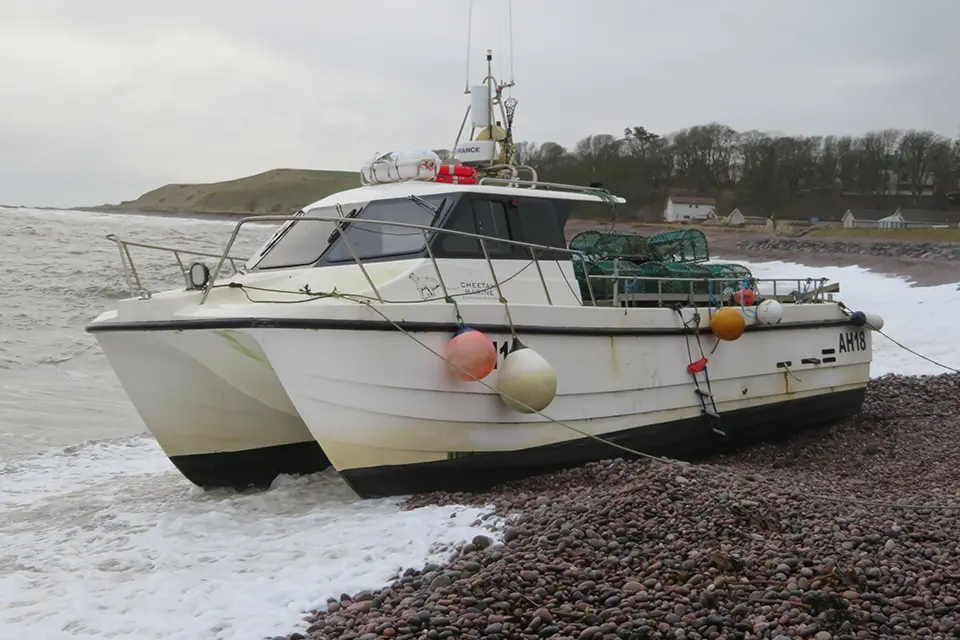
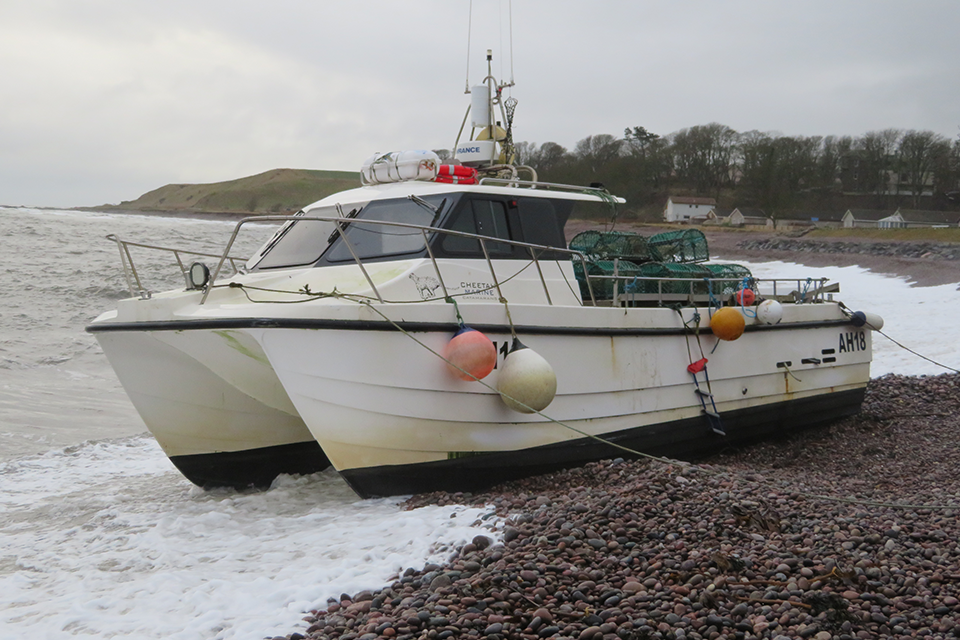
The Marine Accident Investigation Branch (MAIB) has officially released its comprehensive accident investigation report regarding a fatal man overboard incident that occurred off the coast of Scotland. The tragedy involved the lone-operated creel fishing vessel Sea Eagle (Registration: AH18), which was operating in waters approximately south-east of Montrose. The incident, which took place on 20 December 2025, tragically resulted in one presumed fatality.
The publication of this report marks a critical milestone in understanding the sequence of events that led to the accident, shedding light on the inherent vulnerabilities faced by single-handed commercial fishermen operating in unforgiving North Sea conditions. The Sea Eagle accident underscores the profound risks associated with lone-operator commercial fishing, a sector long recognized by maritime safety authorities as one of the most hazardous occupations globally.

Through meticulous analysis, the MAIB report reconstructs the final operational hours of the vessel, examines the human and mechanical factors that contributed to the crew member entering the water, and evaluates the efficacy of safety gear and emergency response protocols. Furthermore, the report outlines crucial safety recommendations aimed at preventing similar tragedies, urging a re-evaluation of how single-handed operations are regulated, monitored, and equipped across the United Kingdom’s extensive fishing fleet.
Detailed Chronology: The Final Voyage of the Sea Eagle
Operational Context and Departure
On the morning of 20 December 2025, the creel fishing vessel Sea Eagle (AH18) set out from port to service strings of creels deployed in the rich fishing grounds located south-east of Montrose, Scotland. Creel fishing—primarily targeting shellfish such as crabs and lobsters—is characterized by intensive, repetitive physical labor. Hauling, baiting, and resetting heavy wire or plastic-mesh traps typically requires fishermen to work close to the vessel’s working deck and hauling machinery, often in close proximity to open water.
Operating as a single-handed venture, the skipper of the Sea Eagle bore the full spectrum of responsibilities aboard the vessel, navigating, maintaining a lookout, operating the hydraulic hauling equipment, and handling the catch without the assistance of a deckhand. This operational model places extraordinary demands on the individual, leaving little margin for error when adverse environmental factors or mechanical hitches arise.
The Incident: 20 December 2025
While working the creel strings in the designated operational area south-east of Montrose, an emergency situation unfolded aboard the Sea Eagle. Although specific details regarding the precise trigger—such as a bight of rope catching the operator, a sudden shift in vessel stability, or a loss of footing on a wet deck—are meticulously detailed in the full MAIB report, the immediate consequence was catastrophic: the lone operator went overboard into the cold, choppy waters of the North Sea.
Because the vessel was operating with a crew of one, there was no immediate onboard witness to the fall, nor was there anyone immediately available to maneuver the vessel back toward the victim, deploy a recovery system, or initiate a distress call from the wheelhouse before the operator became separated from the boat.
The Emergency Response
Following the realization that the Sea Eagle was operating without a skipper or that an emergency had occurred, a multi-agency search and rescue (SAR) operation was rapidly mobilized. Maritime rescue coordination centers, RNLI all-weather and inshore lifeboats, and search and rescue helicopter assets were dispatched to the last known position of the vessel south-east of Montrose.
Despite intensive air and sea searches covering a wide maritime grid, the missing fisherman was not recovered during the initial operational window. Environmental conditions at the time—including sea temperature, wave height, and wind velocity—severely compounded the challenges of locating a person in the water. Consequently, the operation transitioned from a rescue mission to a recovery operation, ultimately resulting in the classification of the incident as a presumed fatality.
Supporting Context & Metrics: The Hazards of Single-Handed Commercial Fishing
The Perils of Lone Operations in the UK Fishing Fleet
The tragedy involving the Sea Eagle is far from an isolated incident within the broader context of the United Kingdom fishing industry. Commercial fishing consistently ranks as one of the most dangerous civilian occupations. According to historical safety data compiled by the MAIB, the Maritime and Coastguard Agency (MCA), and the Fishermen’s Mission, commercial fishermen face fatality rates significantly higher than construction or agricultural workers.
Within this high-risk sector, single-handed or lone-operated vessels represent a particularly vulnerable demographic. Economic pressures, rising operational costs, and crew shortages have driven an increasing number of skippers to operate smaller vessels entirely on their own. While lone operation maximizes the financial return for the individual owner-operator, it entirely eliminates the vital safety net provided by a multi-person crew.
- Lack of Immediate Aid: In a multi-crew vessel, a man overboard event triggers immediate shouting, the deployment of life rings, and the execution of a "Man Overboard" recovery maneuver (such as a Williamson turn). On a lone-operated vessel, the boat continues on its course or drifts, leaving the person in the water with virtually no chance of self-recovery unless they possess a trailing safety line or boarding ladder.
- Communication Deficits: If a lone operator falls overboard without a Personal Locator Beacon (PLB) securely fastened to their working clothes, alerting the emergency services relies entirely on automated systems (such as Float-Free EPIRBs or Vessel Monitoring Systems) or delayed shore-side concern when the vessel fails to return at its expected time.
Environmental Factors off the Scottish Coast
The waters off Montrose and the broader eastern coast of Scotland are notoriously demanding. The North Sea environment is characterized by:
- Low Water Temperatures: During December, sea temperatures plunge to single digits, drastically accelerating the onset of cold water shock and incapacitation. Within minutes of immersion without specialized thermal protection or immersion suits, a person’s ability to swim, grasp lines, or activate safety gear diminishes rapidly.
- Dynamic Sea States: Choppy waters, swell, and unpredictable weather severely reduce visibility and increase the physical instability of working decks. Wet wooden or fiberglass decks covered in slime, bait, and water create high-risk slip and trip hazards.
Official Statements and Investigation Findings
Insights from the Marine Accident Investigation Branch
The publication of the Sea Eagle investigation report provides deep technical insight into the systemic and operational factors that allowed this tragedy to occur. The MAIB operates independently of the transport department and regulatory bodies, ensuring that its findings offer an objective, unvarnished look at maritime safety failures with the sole objective of preventing future loss of life.
While the full report explores the exact sequence of events, subsequent actions, and formal safety recommendations, the overarching narrative emphasizes the critical need for a cultural and regulatory shift regarding personal safety equipment (PSE) and fail-safe engineering controls on small fishing vessels.
In previous safety bulletins and investigative summaries, the MAIB has repeatedly highlighted several core defenses that can drastically improve survival rates for lone operators:
- Personal Flotation Devices (PFDs) and Personal Locator Beacons (PLBs): Wearing an inherently buoyant PFD integrated with an automatic PLB ensures that even if a lone operator falls overboard unobserved, their position is immediately broadcast to rescue authorities, and they remain afloat regardless of cold water incapacitation.
- Engine Kill Cords and Deadman Switches: Just as powerboat operators and personal watercraft users utilize kill cords, adapting engine immobilization systems or remote alarm triggers for commercial deck machinery and vessel propulsion can prevent a boat from steaming away from a man overboard.
- Vessel Recovery Aids: Equipping small vessels with readily accessible boarding ladders or scrambling nets deployed close to the waterline enables an individual who has managed to stay near the vessel to haul themselves back aboard.
Future Outlook: Preventing Future Tragedies
The sinking of a life or the loss of a fisherman off the coast of Montrose reverberates deeply through tight-knit coastal communities across Scotland. The release of the Sea Eagle report serves as both a solemn memorial to the deceased skipper and an urgent call to action for the entire maritime community.
Regulatory and Industry Implications
Moving forward, maritime safety advocates, fishermen’s federations, and regulatory agencies are expected to scrutinize the MAIB’s recommendations closely. Key areas of focus for future policy development include:
- Stricter Enforcement of PFD Wearing Cultures: While campaigns such as "Sea Safety – It’s Your Life" have made headway in encouraging fishermen to wear lifejackets on deck, compliance remains variable, particularly during routine hauling operations in calm-appearing weather. Industry stakeholders are pushing for mandatory, zero-tolerance wear policies reinforced by vessel inspections.
- Technological Innovation: Research and development into wearable man overboard alert systems—such as deck-sensor loops that automatically cut engine power or sound an alarm if the wearer’s proximity transponder loses connection with the wheelhouse—must become more affordable and widely adopted across the under-15-meter fleet.
- Safety Culture and Training: Enhancing safety management systems tailored specifically for self-employed, single-handed skippers. Training programs must emphasize hazard identification, emergency egress, and the rigorous maintenance of lifesaving appliances.
Conclusion
The accident investigation report into the Sea Eagle (AH18) is a sobering reminder of the unyielding hazards of commercial fishing. By laying bare the facts of the 20 December 2025 incident, the MAIB provides the maritime industry with the critical knowledge required to enact meaningful change. It is only through the rigorous application of these lessons—embracing advanced safety technology, enforcing personal protective equipment usage, and rethinking the operational realities of lone-handed fishing—that the industry can hope to protect its workforce and prevent future tragedies in the perilous waters around the British Isles.
For further details, access the full report via the official MAIB report portal.