









Executive Overview
The stewardship of public infrastructure funds sits at the heart of sustainable urban development, economic mobility, and public trust. Across the United States, municipal and federal transit funding mechanisms are designed to foster equitable access, reduce carbon emissions, and streamline movement through densely populated corridors. However, systemic inefficiencies, administrative missteps, and questionable capital allocations continue to drain vital resources away from communities that need them most.
When transit funds are wasted—whether through inflated construction budgets, poorly planned rail expansions, or neglected bus networks—the repercussions ripple far beyond municipal ledger books. They erode public faith in governance, strand marginalized populations in transit deserts, and stall the national transition toward sustainable mobility.
This investigative report examines the recurring patterns of transit fund mismanagement, analyzes the underlying structural vulnerabilities that permit such waste, and highlights the urgent demand for stringent oversight from transit advocates, watchdog organizations, and local communities. Drawing on insights from national transit reporting and policy analysis, we explore why financial accountability remains the missing link in American public transit and what stakeholders are doing to demand systemic reform.
Detailed Chronology: The Anatomy of Transit Mismanagement
To understand how public transportation funding goes awry, it is necessary to trace the lifecycle of a typical capital or operational transit project. The breakdown of financial integrity rarely happens overnight; rather, it is usually the result of incremental policy oversights, misaligned incentives, and deferred maintenance priorities that compound over decades.
Phase 1: Planning and Grant Acquisition
The process typically begins with the identification of a regional mobility challenge. Federal grants—often administered through the Federal Transit Administration (FTA)—are pursued by regional transportation authorities. During this initial phase, demand projections are frequently overstated to secure higher funding tiers. Cost estimates, conversely, are frequently underestimated to ensure political buy-in from local legislators and taxpayers.
Phase 2: Design and Scope Creep
Once federal, state, and local funds are secured, projects enter the engineering and design phase. "Scope creep"—the gradual expansion of a project’s original objectives without a corresponding increase in budget—frequently occurs here. Transit agencies often yield to political pressure to incorporate luxury stations, redundant architectural features, or unnecessary underground tunneling, driving up capital costs exponentially compared to international benchmarks.

Phase 3: Construction Delays and Contractor Overruns
As construction commences, delays become a primary driver of financial hemorrhage. Bureaucratic hurdles, litigation, utility relocation complications, and labor disputes push project timelines years past their original deadlines. Because transit contracts are rarely structured with enforceable financial penalties for chronic delays, contractors face minimal incentive to accelerate delivery. Consequently, millions of dollars in operational subsidies are diverted simply to keep stalled projects alive.
Phase 4: Operational Neglect and Capital Cannibalization
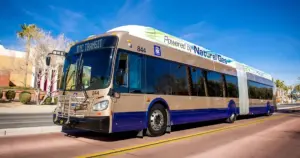
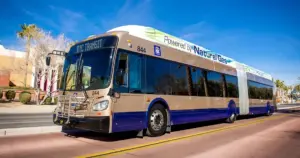
Perhaps the most damaging form of transit waste occurs after major capital projects are completed. Agencies routinely pour massive capital budgets into flashy, low-ridership rail expansions while neglecting their core bus networks—the true workhorses of urban mobility. To cover operating deficits on underperforming rail lines, agencies engage in "capital cannibalization," shifting funds away from vehicle maintenance, ADA compliance upgrades, and transit safety protocols.
Supporting Context & Metrics: The Cost of Inefficiency
The fiscal health of American transit systems cannot be viewed in a vacuum. A confluence of economic, structural, and cultural factors exacerbates the misuse of public dollars.
Capital Cost Disparities
Comparative infrastructure studies consistently reveal that the United States spends significantly more per mile on rail and transit construction than any other developed nation. While European and Asian transit agencies construct light rail and subway lines for a fraction of American costs, U.S. projects are burdened by:
- Excessive Consultant Fees: Heavy reliance on private engineering and management consultants who bill exorbitant hourly rates.
- Redundant Environmental Reviews: Prolonged legal challenges and overlapping state and federal environmental mandates that stretch pre-construction phases into decades.
- Labor and Procurement Rules: Rigid domestic sourcing requirements and outdated labor frameworks that inflate material and workforce expenses without guaranteeing superior outcomes.
The Opportunity Cost for Communities
Every dollar wasted on administrative bloat, mismanaged construction, or ghost trains is a dollar denied to high-frequency bus corridors, pedestrian safety initiatives, and micro-mobility infrastructure. In many American cities, low-income neighborhoods rely entirely on bus networks that suffer from chronic underfunding, infrequent service, and deteriorating fleet conditions.
When regional planners prioritize prestige projects over equitable service delivery, transportation equity is severely compromised. Riders are left waiting longer in adverse weather conditions, missing job opportunities, and facing prolonged commutes—all while billions of dollars are locked into underutilized capital assets.

Official Statements and Stakeholder Perspectives
As public frustration mounts, transit advocacy groups, federal regulators, and municipal leaders are increasingly vocal about the need for immediate fiscal correction.
Watchdog organizations, including networks like Streetsblog, have long maintained that transparency is the primary defense against administrative waste. Industry analysts argue that institutional reform must begin with rigorous project auditing.
"When transit funds are wasted, the cost is paid by the daily rider who is left stranded, the taxpayer whose contributions are squandered, and the climate which continues to suffer from our collective failure to build efficient, functional alternatives to car dependency." — Transit Policy Analyst & Regional Advocate
Federal transportation officials have similarly emphasized the importance of data-driven oversight. In recent policy directives, transit agencies applying for competitive federal grants have faced tighter scrutiny regarding their lifecycle maintenance plans and cost-benefit projections. Regulators are increasingly demanding that grant recipients prove not only that they can build a project, but that they possess the long-term operational revenue to sustain it without cannibalizing existing services.
Furthermore, local transit unions and labor representatives have called for cooperative planning models that prioritize workforce training and operational efficiency over expensive, outsourced mega-projects. By empowering frontline transit workers—who understand the daily bottlenecks and maintenance realities of their systems—agencies can identify operational savings before budgets spiral out of control.
Future Outlook: Pathways to Fiscal Accountability
Addressing the systemic waste within American public transit requires a fundamental shift in how projects are conceptualized, funded, and monitored. Several key reforms are essential for restoring fiscal integrity to the sector:

1. Standardization and Modular Design
To curb runaway capital costs, American transit agencies should embrace standardized station designs, modular components, and proven international construction techniques. By moving away from custom, one-off architectural designs for every station, cities can drastically reduce engineering expenses and construction timelines.
2. Prioritizing Core Networks over Prestige Projects
Urban planners must refocus funding priorities on "fix-it-first" maintenance strategies and high-frequency surface transit. Expanding and accelerating dedicated bus lanes, upgrading traffic signal priority systems, and maintaining existing fleets yield immediate, cost-effective mobility improvements for the greatest number of riders.
3. Enhanced Community Oversight and Transparency
Digital transparency portals that track transit expenditures in real time can empower citizens and local journalists to monitor project budgets. When procurement contracts, change orders, and spending reports are publicly accessible, the risk of unchecked cost overruns decreases significantly.
4. Enforceable Accountability Mechanisms
Federal and state funding bodies must implement stricter performance milestones for grant recipients. Agencies that chronically miss deadlines or mismanage funds should face delayed disbursements or mandatory independent audits, ensuring that public money is safeguarded at every level of government.
Conclusion
The mismanagement of public transit funds is not merely a bureaucratic inconvenience; it is a critical barrier to sustainable urban futures. By confronting the structural drivers of waste—ranging from bloated capital projects to neglected operational maintenance—policymakers and transit advocates can build a more transparent, equitable, and efficient transportation network. Restoring fiscal responsibility ensures that every public dollar invested truly serves the communities that depend on it.