









Executive Overview
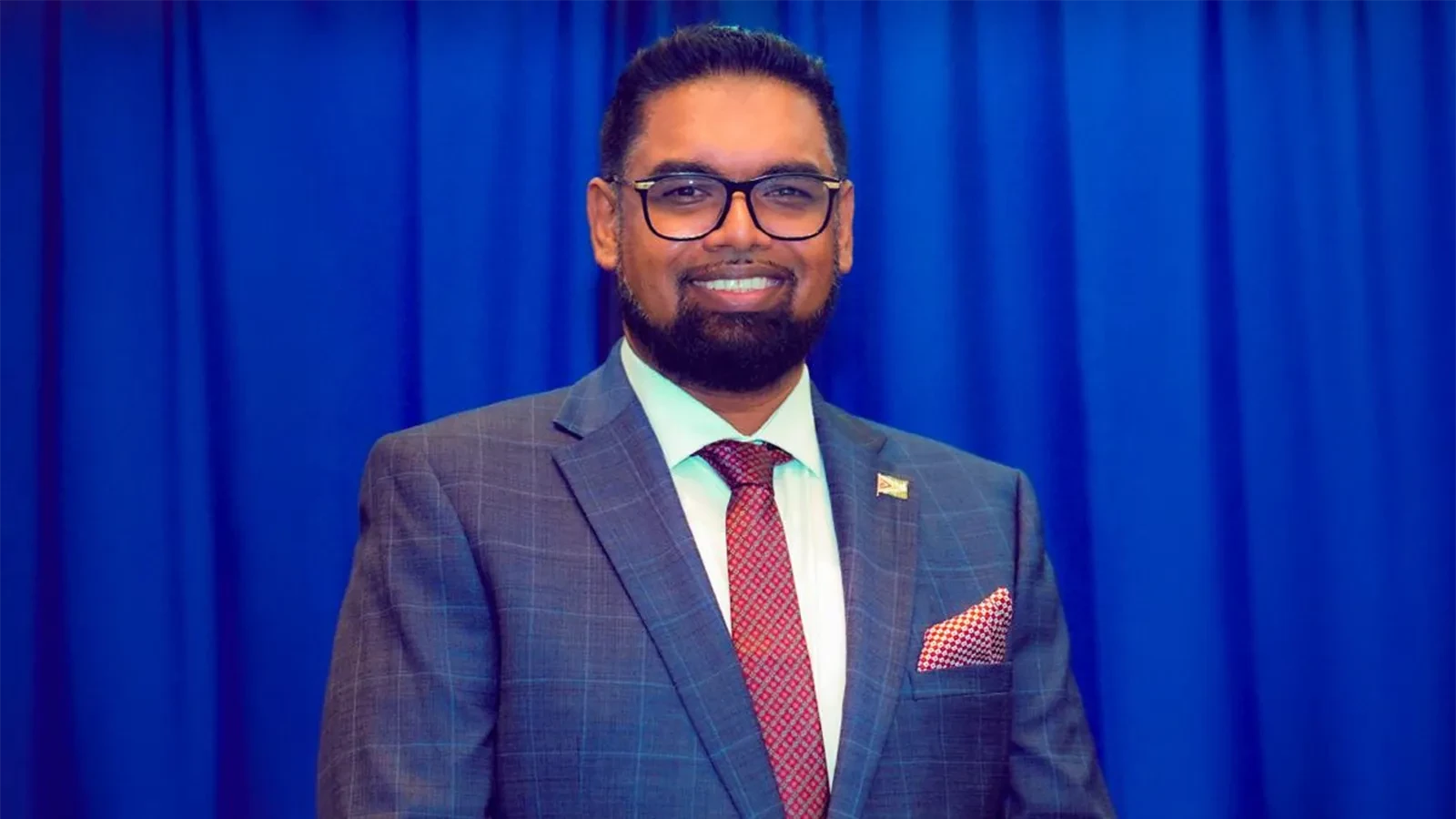
In what marks a historic milestone for both the nation and the wider Caribbean, Guyanese President Irfaan Ali is set to deliver the keynote address at the Caribbean Tourism Organization’s (CTO) premier regional summit, the State of the Tourism Industry Conference (SOTIC). Scheduled to take place in the capital city of Georgetown from October 5 to October 9, this year’s conference carries the forward-looking theme: “Tourism Futures: Smart, Sustainable and Inclusive.”
This year’s summit is particularly significant as it represents the first time Guyana has ever hosted SOTIC—a coup that underscores the country’s meteoric rise on the global travel map. Once primarily recognized for its vast rainforests, petroleum reserves, and agricultural output, Guyana is rapidly transforming into one of the most compelling and dynamic tourism destinations in the Western Hemisphere.
President Ali’s keynote address, slated for the main conference program, is expected to synthesize his administration’s bold vision for national development with the broader imperatives of Caribbean regional integration. Given his deep-rooted background in governance—including his tenure as Guyana’s Minister of Tourism, Industry and Commerce prior to assuming the presidency in 2020, and the commencement of his second presidential term in September 2025—Ali brings an authoritative, practitioner’s lens to the discourse on sustainable development.
Industry leaders anticipate that his address will tackle the existential challenges and unprecedented opportunities facing the Caribbean travel sector. Key focal points will include the integration of cutting-edge travel technology, the acceleration of climate resilience mechanisms, and the strategic diversification of local economies through community-led tourism frameworks.
As the CTO gathers its membership, regional ministers, private-sector executives, and international media in Georgetown, the spotlight will shine brightly on a nation that is successfully marrying rapid economic expansion with an uncompromising commitment to environmental conservation and cultural authenticity.
Detailed Chronology: The SOTIC 2026 Roadmap
The five-day conference is meticulously structured to balance high-level governance, strategic business negotiations, youth engagement, and media dissemination. The official schedule is broken down into distinct phases to maximize productivity and stakeholder collaboration.
Phase I: CTO Business Meetings (October 5 – October 6)
The opening days of the summit are dedicated to internal governance, strategic planning, and administrative reviews by the Caribbean Tourism Organization.

- Council of Ministers and Commissioners Meeting: Regional tourism ministers and directors of tourism will convene behind closed doors to assess regional travel metrics, address post-pandemic recovery strategies, and vote on collaborative marketing initiatives for the upcoming year.
- Board of Directors Sessions: Private-sector partners and public-sector representatives will review ongoing public-private partnerships (PPPs) aimed at improving intra-regional airlift, reducing taxation on travel, and streamlining border controls.
- Working Group Debriefs: Committees focusing on sustainable tourism standards, cruise tourism guidelines, and digital transformation will present their annual reports to chart the operational path forward for the CTO network.
Phase II: The Main Conference Program (October 7 – October 8)
The core of SOTIC 2026 opens to the broader delegate body, featuring keynote presentations, interactive panel discussions, and high-level plenary sessions.
- Day One (October 7): The summit officially kicks off with the grand opening ceremony, culminating in President Irfaan Ali’s much-anticipated keynote address. Afternoon sessions dive deep into "Tourism Intelligence and Data," exploring how big data analytics, predictive consumer behavior, and AI-driven market intelligence can optimize marketing spend for small island and mainland destinations alike.
- Day Two (October 8): Sessions pivot toward structural resilience and competitiveness. Panels will deconstruct climate-proofing strategies for coastal and interior infrastructure, examine financing models for green tourism initiatives, and discuss how destination marketing organizations (DMOs) can foster more equitable, inclusive economic growth that directly benefits local communities.
Phase III: Regional Tourism Youth Congress (October 8)
Running concurrently with the latter half of the main conference, the Regional Tourism Youth Congress serves as the emotional and inspirational heartbeat of SOTIC.
- Bringing together bright young minds from across CTO member countries who serve as "Junior Ministers of Tourism," this dynamic forum challenges the next generation to debate pressing industry issues.
- Topics this year are expected to center on sustainable innovation, the preservation of indigenous heritage in the digital age, and the role of youth entrepreneurship in shaping the future of Caribbean hospitality.
Phase IV: Destination Media Briefings & Technical Tours (October 9)
The final day of the conference transitions from indoor panel rooms to the vibrant landscapes of Guyana itself.
- Global Press Conferences: International travel journalists and regional media outlets will participate in targeted destination briefings, gathering exclusive updates on emerging airlift agreements, upcoming hotel pipelines, and conservation milestones.
- Post-Conference Immersive Tours: Delegates and media will be invited to experience Guyana’s world-class eco-tourism offerings firsthand. Excursions will highlight community-owned lodges in the Rupununi savannahs, guided wildlife tracking expeditions, and cultural heritage tours through Georgetown’s colonial-era architecture.
Supporting Context & Metrics: Guyana’s Tourism Renaissance
To understand the weight of Guyana hosting SOTIC 2026, one must examine the staggering macroeconomic and tourism-specific transformation the country has undergone over the past half-decade. Historically, Guyana’s tourism footprint was a niche market, overshadowed by the mass-tourism sun-and-sand models of its Caribbean neighbors. Today, it stands as one of the most vibrant tourism growth stories in the Americas.
Rising Visitor Arrivals and International Interest
According to recent tourism performance indicators, visitor arrivals to Guyana have experienced a sustained upward trajectory. This surge is driven by a confluence of factors:
- Expanded Airlift: Major international carriers have increased flight frequencies into Cheddi Jagan International Airport (CJIA) and Eugene F. Correia International Airport, dramatically improving connectivity with North America, Europe, and neighboring South American hubs.
- Global Brand Recognition: International media outlets and travel evaluators have increasingly spotlighted Guyana as a premier "bucket-list" destination. The country’s distinct positioning—offering a seamless blend of Caribbean culture and South American adventure—has resonated deeply with modern travelers seeking authentic, off-the-beaten-path experiences.
The Hospitality Infrastructure Boom
To accommodate the influx of leisure travelers, business executives, and conference delegates, Guyana’s hospitality sector is undergoing an unprecedented construction boom. Georgetown and its surrounding regions are rapidly expanding their bed-capacity with internationally branded properties:
- The Marriott Milestone: Earlier this year, Marriott International made headlines by opening its third hotel property in Guyana, signaling immense institutional confidence in the country’s long-term economic stability.
- The Hyatt Push: Following hot on the heels of the Marriott expansion, hospitality giant Hyatt has officially entered the Guyanese market, initiating plans for a major development that will further elevate the country’s profile among global business travelers.
- Boutique and Eco-Lodge Expansion: Beyond urban high-rises, investment is pouring into community-owned eco-lodges, sustainable river resorts, and boutique properties across Guyana’s ten administrative regions, ensuring that tourism dollars penetrate deep into rural and indigenous economies.
Official Statements: Perspectives on Leadership and Vision
The convergence of regional leadership in Georgetown has elicited strong, forward-looking statements from the architects of the event and national stakeholders alike.
Dona Regis-Prosper, Secretary-General and CEO of the Caribbean Tourism Organization, emphasized the unique value that President Ali brings to the table:
"President Ali’s participation brings an important dimension to SOTIC. His extensive background in national development, combined with his hands-on understanding of sustainable tourism economics, positions him as a visionary leader for our region. As the Caribbean navigates a complex global landscape defined by digital disruption and climate vulnerabilities, having a head of state who actively champions smart, inclusive growth will undoubtedly elevate the strategic dialogue at this year’s conference."
CTO leadership has repeatedly noted that SOTIC 2026 is designed not merely as a networking event, but as an action-oriented laboratory where policy meets execution. The choice of Guyana as the host country serves as a living case study of how a developing nation can leverage natural capital, strategic infrastructure investment, and progressive leadership to build a resilient, multi-pillared tourism economy.
Future Outlook: The Next Frontier for Caribbean Tourism
As the countdown to October 5 begins, the broader implications of SOTIC 2026 extend far beyond the borders of Guyana. The conference’s central theme—“Tourism Futures: Smart, Sustainable and Inclusive”—serves as an urgent blueprint for the entire Caribbean basin.
1. Technology and Innovation as Economic Multipliers
The integration of digital infrastructure into travel and tourism is no longer optional. Discussions in Georgetown are expected to yield actionable frameworks for deploying AI-driven customer service tools, blockchain-backed supply chain transparency in the hospitality sector, and improved regional data-sharing mechanisms. By embracing "smart" tourism, destinations can optimize visitor flows, reduce environmental degradation, and enhance traveler satisfaction.
2. Climate Resilience as an Existential Imperative
For island and low-lying coastal nations in the Caribbean, climate change is an immediate threat to economic survival. President Ali’s keynote is expected to reiterate Guyana’s pioneering stance on environmental stewardship—exemplified by its landmark Low Carbon Development Strategy (LCDS)—and challenge regional counterparts to forge aggressive, collective adaptation policies. Protecting coral reefs, preserving rainforest carbon sinks, and transitioning hotel operations to renewable energy sources will top the operational agenda.
3. Fostering Inclusive Economic Opportunities
True sustainability cannot be achieved without social equity. SOTIC 2026 will place heavy emphasis on ensuring that tourism revenues do not remain concentrated in corporate hands, but instead cascade down to local artisans, farmers, tour guides, and indigenous communities. By prioritizing community-based tourism models, the Caribbean can safeguard its cultural identity while lifting up marginalized populations.
In summary, SOTIC 2026 in Georgetown is poised to be a watershed moment for the Caribbean Tourism Organization. Under the intellectual and political stewardship of President Irfaan Ali and regional tourism executives, the summit will challenge stakeholders to rethink conventional paradigms, embrace technological disruption, and chart a fearless, sustainable course for the future of travel in the region.