





Executive Overview
The European short-sea shipping sector is undergoing a profound structural transformation, driven by tightening environmental regulations, evolving cargo profiles, and the urgent need for fleet renewal. At the vanguard of this transition is the VINGA series of energy-efficient, ice-class product tankers. In a major joint expansion, a consortium of four prominent shipowners from Sweden, Norway, and Canada has placed orders for four additional 17,999-dwt VINGA-class product tankers. Scheduled for delivery in 2028 and 2029, these newbuildings will expand the Furetank-developed vessel series to an unprecedented 26 ships.
The contract, finalized with China Merchants Jinling Shipyard in Yangzhou, China, reflects a highly collaborative approach to maritime asset ownership and commercial operations. Two of the vessels will be owned by FureBear, a joint venture between Sweden’s Furetank and Canada’s Algoma Central Corporation. Norway’s O.H. Meling and Sweden’s Älvtank will each take ownership of one vessel. Notably, this order marks O.H. Meling’s entry into the VINGA-class ecosystem, while Älvtank continues its long-term commitment, having been an early adopter of the design.
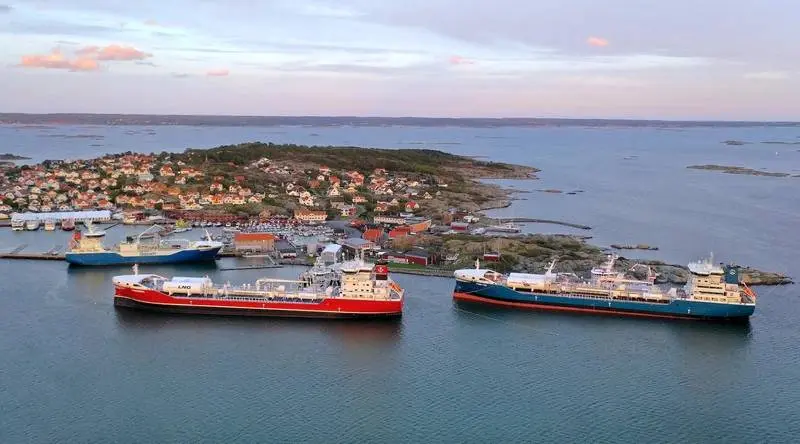
Upon delivery, all four vessels will be registered under the Swedish flag, integrated into the Gothia Tanker Alliance, and commercially managed by Furetank Chartering. Optimized for ice-class 1A operations, these dual-fuel vessels represent a major leap forward in environmental performance, utilizing liquefied biomethane (LBM), liquefied natural gas (LNG), or gasoil, alongside battery-hybrid technology and shore-power capabilities.
Detailed Chronology
The Genesis of the VINGA Design (2015–2018)
The origins of the VINGA-class design trace back to the mid-2010s, when Swedish shipowner Furetank, in collaboration with the domestic naval architecture firm FKAB Marine Design, sought to address a glaring gap in the European short-sea market: the lack of highly efficient, environmentally sustainable intermediate product tankers capable of navigating the harsh winters of the Baltic and North Seas.
The design phase culminated in the first VINGA order, placed at the China Merchants Jinling Shipyard (formerly Avic Dingheng). The inaugural vessels of the series were delivered in 2018, immediately setting new benchmarks for fuel efficiency and emissions reductions in the regional product tanker segment. Älvtank was a founding partner in this initial program, recognizing early on that regulatory pressures would eventually penalize older, less efficient tonnage.
The Rise of Strategic Alliances and the FureBear JV (2018–2022)
Following the successful deployment of the first generation of VINGA tankers, Furetank sought to scale the concept to maximize commercial efficiencies. This led to the expansion of the Gothia Tanker Alliance, a platform designed to pool marketing and chartering resources to offer charterers a modern, highly flexible fleet.
In 2022, the scaling strategy gained significant momentum when Furetank entered into a 50/50 joint venture with Canadian shipping giant Algoma Central Corporation. Named FureBear, the joint venture was designed to co-finance and deploy VINGA-class vessels in both European and international trade lanes, leveraging Algoma’s robust balance sheet and Furetank’s operational expertise.
The 2024 Expansion and the Road to 2029
The latest order of four vessels, announced for delivery in 2028 and 2029, represents the latest chapter in this multi-year fleet expansion strategy. The timeline of this newbuilding program is carefully structured:
[2024: Order Placed] ──> [2025-2027: Engineering & Steel Cutting] ──> [2028: Delivery of First Batch] ──> [2029: Final Deliveries & Alliance Integration]By securing slots at China Merchants Jinling Shipyard for 2028 and 2029, the partners have insulated themselves against the current shipyard capacity crunch, which has seen container ship and LNG carrier orders dominate global shipbuilding capacity.
Supporting Context & Metrics
To understand the strategic significance of this order, it is necessary to examine the technical specifications and operational metrics of the VINGA-class design.
| Metric | Specification |
|---|---|
| Deadweight Tonnage (DWT) | 17,999 tons |
| Ice Class | 1A (Swedish/Finnish Ice Class) |
| Cargo Capacity | 12 epoxy-coated cargo tanks; multi-cargo flexibility |
| Shipyard | China Merchants Jinling Shipyard (Yangzhou), China |
| Classification | Bureau Veritas / DNV (Optimized for European trade) |
| Flag State | Sweden |
| Commercial Manager | Furetank Chartering (Gothia Tanker Alliance) |
Propulsion & Green Technology Suite
The VINGA-class is engineered to exceed current and upcoming international environmental mandates, including the International Maritime Organization’s (IMO) Carbon Intensity Indicator (CII) ratings and the European Union’s FuelEU Maritime and Emissions Trading System (EU ETS) regulations.
                  ┌──────────────────────────────┐
                  │   Dual-Fuel Engine (9G20DF)  │
                  └──────────────┬───────────────┘
                                 │
         ┌───────────────────────┼───────────────────────┐
         ▼                       ▼                       ▼
┌────────────────┐      ┌────────────────┐      ┌────────────────┐
│   Bio-LNG /    │      │  Fossil LNG    │      │  Low-Sulfur    │
│  Biomethane    │      │                │      │    Gasoil      │
└────────────────┘      └────────────────┘      └────────────────┘
         │                       │                       │
         └───────────────────────┼───────────────────────┘
                                 │
                                 ▼
                  ┌──────────────────────────────┐
                  │    DC-Grid Battery Hybrid    │
                  └──────────────┬───────────────┘
                                 │ (Peak Shaving & Port Operations)
                                 ▼
                  ┌──────────────────────────────┐
                  │   High-Voltage Shore Power   │
└──────────────────────────────┘- Dual-Fuel Propulsion: The vessels are equipped with a high-efficiency main engine capable of burning Liquid Biomethane (LBM), Liquefied Natural Gas (LNG), or conventional marine gasoil (MGO). When running on LBM, the vessels achieve near-zero net carbon emissions.
- Battery-Hybrid System: The integration of a battery pack allows for "peak shaving" during voyages, smoothing out load fluctuations on the main engine to optimize fuel consumption. Furthermore, the battery system can power auxiliary systems, reducing the need to run diesel generators.
- Shore-Power (Cold Ironing): The vessels feature full shore-power connectivity, allowing them to shut down all combustion engines while berthed in ports equipped with high-voltage shore connections, eliminating local emissions of sulfur oxides ($SO_x$), nitrogen oxides ($NO_x$), and particulate matter.
- Cargo Flexibility: Featuring 12 epoxy-coated cargo tanks, the vessels can handle a highly diverse range of liquid cargoes, including biofuels, lighter chemicals, and traditional petroleum products. This multi-grade capability allows the vessels to execute complex parcel trades, discharging smaller volumes at multiple terminals during a single voyage.
Official Statements
The motivations behind this massive capital expenditure are best understood through the strategic commentary provided by the executive leadership of the participating shipowning companies.
Addressing the European Age Limit: O.H. Meling
For Norway’s O.H. Meling, entering the VINGA program is an essential move to protect its market share in the highly regulated European short-sea tanker sector. Olav H. Meling, CEO of O.H. Meling, highlighted the commercial realities driving this fleet renewal:
"We are renewing our fleet, as our two current intermediate tankers soon will pass the 20-year age limit for trading in the European tanker market. The VINGA vessels have proven themselves in the market over many years — technically robust, efficient and consistently in demand. We have strong faith in good vessels, good management and a solid collaboration between our companies. The conditions for this investment could not be better."
Meling’s reference to the "20-year age limit" underscores a critical structural hurdle in the European shipping industry. Major charterers—particularly multinational oil majors and chemical producers—frequently enforce strict vetting policies (such as SIRE 2.0 and individual company vetting protocols) that penalize or outright ban vessels older than 15 to 20 years. By securing a VINGA-class newbuilding for delivery in 2028, O.H. Meling ensures a seamless transition, replacing aging tonnage with a vessel that is immediately compliant with the most stringent environmental and safety criteria.
Navigating the Energy Transition: Älvtank
Sweden’s Älvtank, which has been involved with the VINGA platform since the first deliveries in 2018, views this order as a long-term play on the shifting composition of liquid cargoes in Europe. Christian Nilsson, CEO of Älvtank, detailed how cargo demand is evolving:
"The need for vessels of this size will remain for many years to come, even as volumes of petrol and diesel decline. We are already seeing an increasing share of other liquid cargoes such as lighter chemicals and biofuels. With twelve cargo tanks, we can load and discharge several smaller cargoes at different terminals with the same vessel. I believe demand for significantly larger vessels will decrease in Europe going forward."
Nilsson’s insights point to a broader macroeconomic trend: as European nations accelerate their transition away from fossil fuels, the regional trade in bulk crude oil and heavy refined products is expected to contract. In its place, a more fragmented, complex trade in biofuels, synthetic fuels, and specialized chemical feedstocks is emerging. This shift favors highly flexible, intermediate-sized vessels like the VINGA class over larger, single-grade tankers.
Future Outlook
The expansion of the VINGA series to 26 vessels will have lasting implications for the European short-sea tanker market.
Consolidation through the Gothia Tanker Alliance
By channeling these newbuildings into the Gothia Tanker Alliance, the participating shipowners are strengthening their collective market position. The alliance format allows independent shipowners to achieve the scale necessary to secure long-term Contracts of Affreightment (COAs) with major industrial charterers who require a continuous, reliable supply of modern tonnage. This commercial structure minimizes ballast legs, optimizes fleet utilization, and provides charterers with a highly flexible logistics solution.
Navigating Regulatory Headwinds
As the European Union intensifies its legislative focus on maritime emissions, the VINGA-class vessels are strategically positioned to outperform older, conventional tonnage.
                               ┌───────────────────────────────┐
                               │     FuelEU Maritime & ETS     │
                               └──────────────┬────────────────┘
                                              │
                     ┌────────────────────────┴────────────────────────┐
                     ▼                                                 ▼
┌──────────────────────────────────────────┐     ┌──────────────────────────────────────────┐
│             Fossil Tonnage               │     │           VINGA-Class Fleet              │
├──────────────────────────────────────────┤     ├──────────────────────────────────────────┤
│ • Rising carbon tax liabilities          │     │ • Multi-fuel flexibility (LBM/LNG)       │
│ • Operational penalties under FuelEU     │     │ • Zero-emission port stays (Shore power) │
│ • Early retirement due to oil major bans │     │ • Premium charter rates & high compliance│
└──────────────────────────────────────────┘     └──────────────────────────────────────────┘
The introduction of the EU ETS for maritime transport means that shipowners must buy allowances for their carbon emissions on voyages within, to, and from the EU. Concurrently, the FuelEU Maritime regulation, which takes effect in 2025, mandates a systematic reduction in the greenhouse gas (GHG) intensity of energy used on board ships.
With their ability to run on zero-carbon LBM and utilize shore power, VINGA vessels will allow their operators to avoid heavy financial penalties, securing a distinct competitive advantage over operators of conventional, heavy-fuel-oil-burning vessels.
Conclusion
The order of four additional VINGA product tankers by FureBear, O.H. Meling, and Älvtank is more than a simple fleet expansion; it is a calculated response to the changing realities of maritime commerce in Europe. By investing in proven, flexible, and future-proofed technology, these shipowners are ensuring their relevance and profitability in a decarbonizing world. As the industry approaches the late 2020s, the VINGA series stands as a prime model of how collaborative investment and forward-looking design can successfully navigate the complexities of the global energy transition.