










Executive Overview
Lexington, Kentucky, stands at a pivotal crossroads in its municipal energy evolution. On Thursday, the Lexington-Fayette Urban County Council is scheduled to hear a transformative zoning ordinance text amendment (ZOTA) that could redefine the region’s approach to land use, agriculture, and renewable energy. If approved, the measure would open a strictly limited footprint—no greater than one percent of Fayette County’s total land area, including agriculturally zoned acreage—to large-scale solar energy development.
Crucially, the legislation introduces a mandate that positions Lexington at the bleeding edge of sustainable municipal planning: any large-scale solar project approved under the ZOTA must be "agrivoltaic." This designation ensures the simultaneous, dual-use optimization of the land for both agricultural production and photovoltaic electricity generation. By integrating activities such as rotational livestock grazing and native pollinator habitat preservation beneath and around solar arrays, the ordinance aims to protect vulnerable soil quality, bolster farm revenue, and insulate the county’s rich agricultural heritage from industrial encroachment.
This legislative push is not happening in a vacuum. It is a cornerstone of Lexington’s "Race to Net Zero," an ambitious municipal strategy designed to slash greenhouse gas emissions and guide the city toward complete carbon neutrality by 2050. With over 90% of Kentucky’s current energy matrix tethered to fossil fuels, local leaders, environmental advocates, and forward-thinking farmers view this ZOTA as an indispensable lever for regional decarbonization, economic diversification, and long-term energy equity.

Detailed Chronology: The Path to the Council Hearing
The journey toward Thursday’s pivotal Urban County Council hearing has been characterized by years of meticulous coalition-building, policy drafting, and intense stakeholder negotiation.
For decades, Fayette County has maintained fiercely guarded boundaries designed to protect its world-renowned horse farms and rich agricultural acreage from unchecked urban sprawl. While these protective zoning laws have successfully preserved the picturesque rural character of central Kentucky, they have simultaneously created rigid structural barriers against utility-scale renewable energy development. Traditional zoning frameworks failed to distinguish between destructive industrial development and low-impact, dual-use green energy projects, effectively shutting the door on commercial solar installations.
Recognizing the escalating urgency of the climate crisis and the financial pressures facing local farm families, municipal leaders and grassroots organizations began laying the groundwork for reform. Over the past two years, the dialogue shifted from whether renewable energy had a place in Fayette County to how it could be integrated without compromising the agricultural economy.
Spearheaded by policymakers like Councilwoman Liz Sheehan, in close collaboration with grassroots environmental advocacy groups such as Sierra Club Kentucky, the ZOTA was meticulously crafted to establish what proponents call "smart guardrails." The text amendment was refined through a series of committee discussions and public workshops, ultimately striking a delicate balance between aggressive climate action and the preservation of arable land. Thursday’s upcoming council hearing represents the culmination of this intensive legislative journey—a make-or-break moment where theory meets formal municipal policy.

Supporting Context & Metrics: The Imperative for Agrivoltaics in Central Kentucky
To understand the weight of Thursday’s decision, one must examine the stark energy and environmental realities facing the Commonwealth of Kentucky.
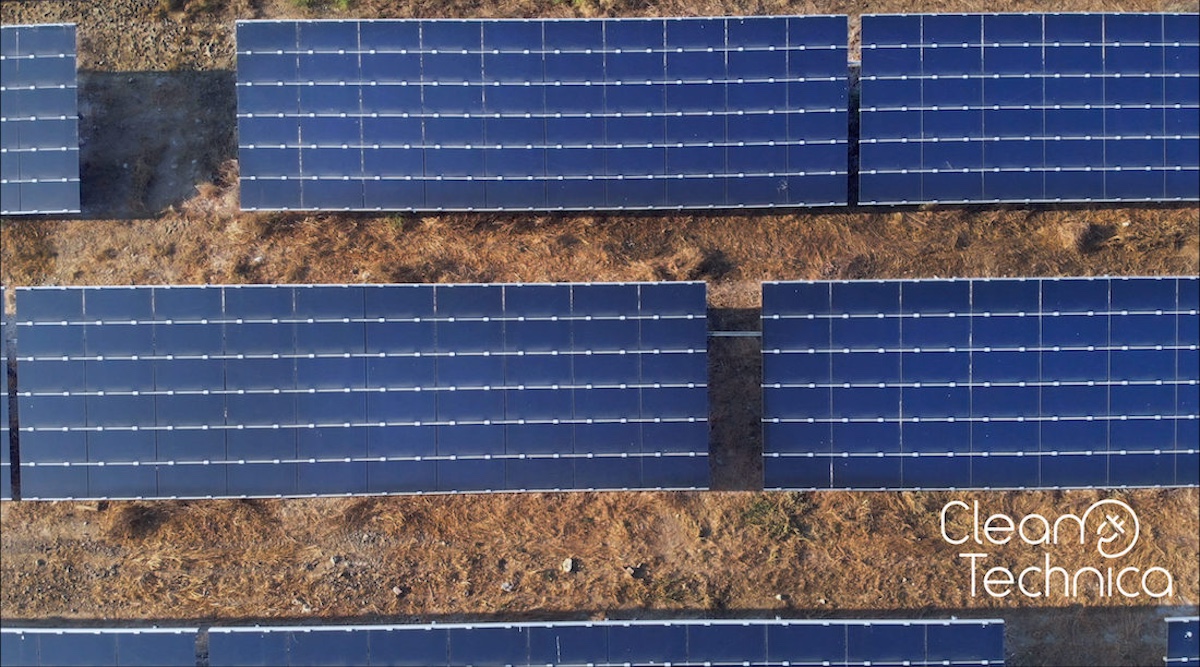
The Fossil Fuel Dependency Trap
Kentucky remains heavily dependent on fossil fuels for its electricity generation. According to regional energy data, over 90% of the state’s power is derived from coal and natural gas. This heavy reliance exposes Kentucky residents and businesses to several systemic vulnerabilities:
- Economic Volatility: Fluctuating global fossil fuel markets frequently translate to unpredictable, high energy bills for local ratepayers.
- Environmental Degradation: Traditional generation methods contribute disproportionately to poor air quality and localized pollution.
- Climate Vulnerability: The compounded impacts of greenhouse gas-driven climate change threaten regional agriculture, water resources, and public health.
Independent energy analysts have consistently shown that the most cost-effective trajectory for the Commonwealth involves a rapid pivot toward a diversified energy portfolio dominated by renewables and efficiency measures. However, deploying renewable energy at scale presents unique spatial challenges in a county prized for its agricultural output.
The Mathematics of One Percent
The proposed ZOTA addresses this spatial dilemma through a targeted, high-efficiency approach. By permitting large-scale solar development on a maximum of one percent of Fayette County’s land area, the city can unlock massive generation capacity.
To put this in perspective, utility-scale solar installations operating on this one percent footprint would generate an equivalent amount of clean electricity as over 30,000 smaller, individual rooftop solar installations. While rooftop solar and photovoltaic parking structures remain vital components of a comprehensive clean energy strategy, they are frequently bottlenecked by prohibitive upfront costs, structural roof limitations, and restrictive homeowner association policies. The large-scale agrivoltaic approach bypasses these hurdles, delivering a rapid, high-impact injection of clean energy directly to the regional grid.
What is Agrivoltaics?
Agrivoltaics—the symbiotic integration of agriculture and solar photovoltaic generation—solves the false dichotomy of "food versus fuel." Rather than forcing landowners to choose between farming their acreage or leasing it out for energy production, agrivoltaics allows both activities to occur simultaneously on the exact same parcel of land.
Key configurations permissible under the proposed ZOTA include:
- Solar Grazing: Utilizing sheep or other small livestock to naturally manage vegetation beneath and between solar panels, eliminating the need for fossil-fueled mowing while providing the livestock with valuable shade and forage.
- Pollinator Corridors: Planting native grasses and flowering perennials around photovoltaic arrays to restore degraded soils, sequester carbon, and rebuild collapsing populations of bees and other vital agricultural pollinators.
- Microclimate Optimization: Studies have demonstrated that the partial shade cast by solar panels can reduce thermal stress on certain crops and decrease water evaporation rates in the soil, creating resilient growing conditions amidst increasingly erratic weather patterns.
Official Statements: Perspectives from the Front Lines
The debate surrounding the Fayette County ZOTA has drawn national attention as a potential blueprint for balancing agricultural preservation with the green energy transition. Key stakeholders have articulated clear visions for what this ordinance means for the region’s future.
The Environmental Advocacy Perspective
Sierra Club Kentucky has been a driving force behind the mobilization of community support for the ZOTA. Highlighting the economic and ecological benefits of the framework, Judy Humble, Sierra Club Kentucky Executive Committee Member, shared this statement ahead of Thursday’s hearing:

"Agrivoltaic Solar is an exciting innovation that maintains farmland in agricultural production, with options including solar grazing and pollinator habitat, while also creating a dependable income stream for farmer partners. This opportunity for Fayette County comes at a time when visions of rooftop solar and photovoltaic parking structures are prohibited by barriers of policy and cost. With the well-crafted guardrails created by Council, this is not an existential threat to our agricultural lands, but rather a win-win opportunity in our Race to Net Zero."
Humble’s remarks underscore a critical economic reality for modern farmers: input costs are rising, and weather volatility is threatening traditional crop yields. Integrating agrivoltaics introduces a drought-resistant, predictable revenue stream—land lease payments from solar developers—that can help family farms remain solvent across generations without forcing them to pave over their topsoil.
The Legislative Vision
The architect of the ordinance, Councilwoman Liz Sheehan, emphasized the inevitability of the energy transition and praised the proactive stance taken by municipal government in establishing rigorous standards:
"It’s not a matter of if solar projects will come to central Kentucky but when, and Council has put the necessary guardrails in place to make sure we become more sustainable while also protecting farmland and enriching the agricultural economy."
Sheehan’s perspective reframes the conversation from defense to management. By establishing proactive, highly regulated pathways for solar development, the Urban County Council ensures that Lexington dictates the terms of its energy future, rather than reacting reactively to poorly planned sprawl or heavy-handed state-level preemption.
Future Outlook: Lexington as a Regional Clean Energy Catalyst
Thursday’s Urban County Council hearing is much more than a routine municipal zoning vote; it is a bellwether for how traditional, agriculture-centric communities across the American South and Midwest can navigate the energy transition.
If the ZOTA passes, Lexington will instantly transform from a renewable energy lagger into a regional leader in progressive land-use planning. The successful deployment of agrivoltaics across a fraction of Fayette County will provide a tangible, data-backed case study for neighboring counties grappling with identical pressures: how to diversify energy sources, combat climate change, and support rural economies simultaneously.
Key Milestones to Watch Post-Hearing:
- Council Vote and Adoption: Following Thursday’s hearing, the council will move toward formal readings and a final binding vote on the ZOTA text.
- Implementation of Guardrails: Should the measure pass, municipal planners will begin finalizing the strict ecological, structural, and agricultural oversight mechanisms designed to govern project applications.
- Pilot Project Proposals: Landowners and renewable energy developers are expected to quickly bring forward pilot agrivoltaic proposals, testing the waters of solar grazing and crop cultivation under panels in central Kentucky soils.
- Grid Integration and Emissions Tracking: As projects come online, municipal analysts will measure their direct impact against Lexington’s Race to Net Zero benchmarks, tracking reductions in local air pollution and carbon intensity.
Ultimately, the decisions made in Lexington this week will ripple outward. By proving that clean energy development and agricultural stewardship are not mutually exclusive, the city is offering a masterclass in resilient governance—proving that a community can honor its historical roots while actively engineering a sustainable future.