







Executive Overview
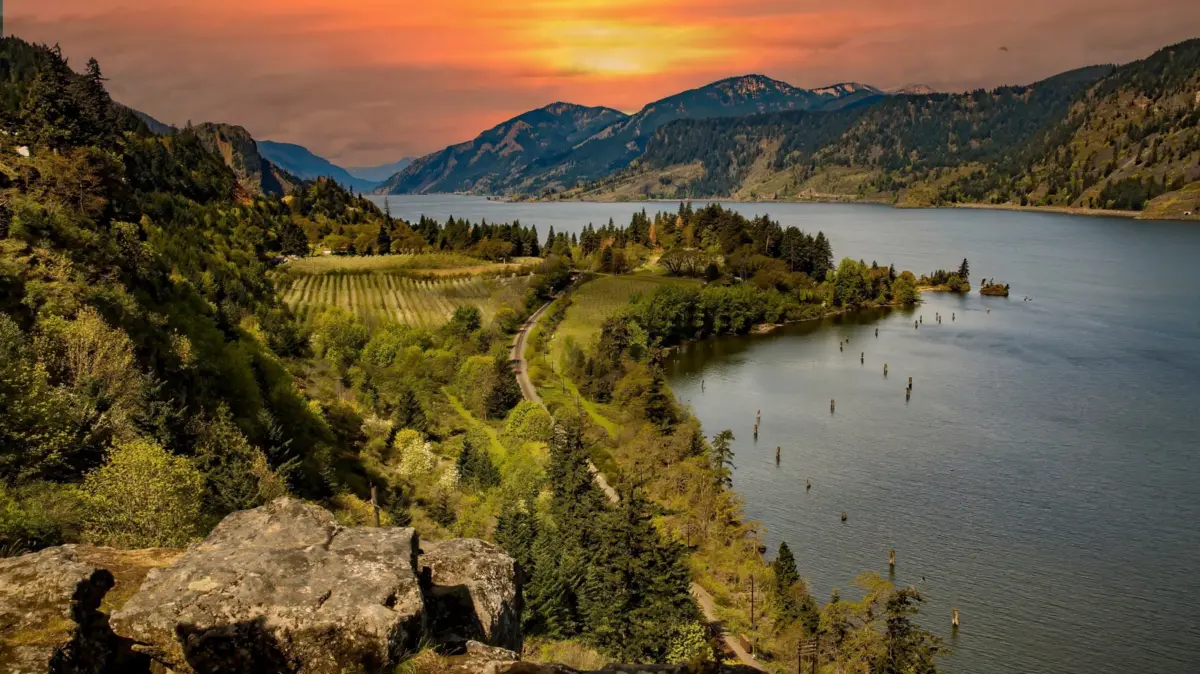
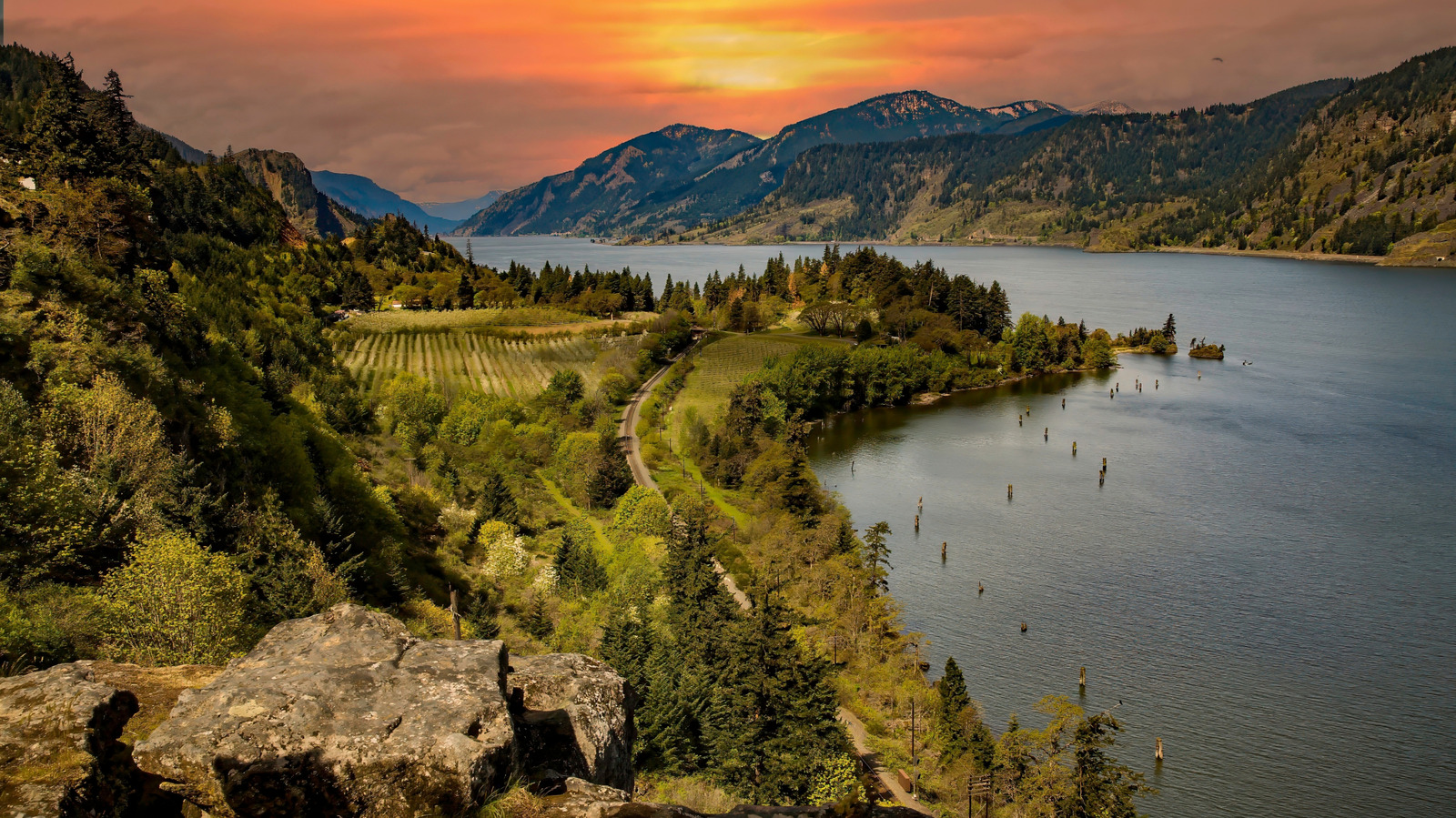
The Pacific Northwest (PNW) stands as one of the most ecologically diverse and visually dramatic regions in the United States. Spanning Washington, Oregon, and Idaho, this geographic cross-section delivers an astonishing array of ecosystems: primordial rainforests so dense they filter out the midday sun, jagged volcanic spires armored in ancient glaciers, and windswept coastlines shaped by relentless marine forces.
For decades, the public imagination has fixated on the "Big Three" of the regional park system: Olympic, Mount Rainier, and Crater Lake National Parks. In recent years, these heavy hitters have drawn millions of visitors seeking iconic vistas—Olympic alone welcomed roughly 3.6 million guests, while Mount Rainier and Crater Lake accounted for another 2.4 million and 630,000 visitors, respectively. These destinations are indisputably magnificent, anchoring the conservation legacy of the PNW.
Yet, treating these three parks as the definitive boundary of regional exploration misses a vast, quieter wilderness. Across Washington, Oregon, and Idaho, a collection of lesser-known national parks and national monuments offers comparable—and often superior—solitude, raw geological history, and ecological integrity. Often overlooked due to a lack of marquee branding, remote placement within larger national forests, or challenging topography, these eight underrated sites offer everything from subterranean lava tubes and International Dark Sky reserves to 45-million-year-old fossil beds and nuclear-buffer-zone ecosystems.
Drawing from field data, recreational forums, and official resource metrics, this report examines the Pacific Northwest’s most undervalued natural sanctuaries.
Detailed Chronology and Historical Context
The landscapes of the Pacific Northwest are dynamic archives of Earth’s history, shaped by tectonic violence, glacial retreat, volcanic upheavals, and human stewardship spanning millennia.
- Pre-1874 – Indigenous Eras and Early Exploration: Indigenous nations—including the Coast Salish peoples, the Shoshone, and regional tribes—served as the original stewards of these lands for upwards of 12,000 years. Their histories, oral traditions, and subsistence patterns are deeply embedded in formations like the San Juan archipelago and the obsidian-rich slopes of Newberry Volcano.
- 1874 – Discovery of Oregon Caves: Euro-American explorers formally documented the marble cave networks in the Siskiyou Mountains, setting the stage for early conservation movements in the region.
- May 18, 1980 – The Mount St. Helens Cataclysm: A 5.1-magnitude earthquake triggered a massive structural collapse and lateral blast that obliterated 150,000 acres of southwest Washington in seconds. This violent event created a living geological laboratory where natural ecological succession has unfolded completely uninterrupted by human replanting.
- 2000–2013 – Modern Monument Designations: Recognizing the ecological fragility and historical significance of neglected federal lands, executive proclamations established protections for sites like Hanford Reach (2000) and the San Juan Islands National Monument (2013), safeguarding rare desert shrub-steppes and scattered marine archipelagos.
Supporting Context & Metrics: The Eight Underrated PNW Sites
1. North Cascades National Park, Washington
Often styled the "American Alps," North Cascades National Park spans over 504,000 acres of jagged peaks, deep valleys, and alpine meadows. Despite its proximity to Seattle—roughly a 2.5-hour drive—it remains one of the least-visited national parks in the contiguous United States, recording just 46,925 visitors in 2025.
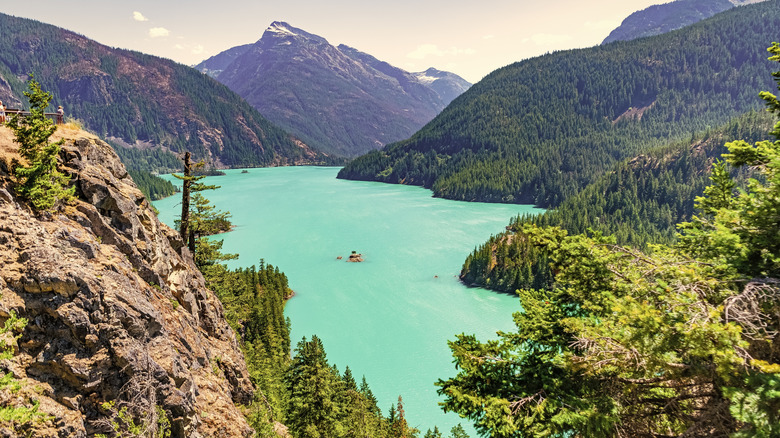
The park contains more than 300 glaciers, representing the highest concentration of glacial ice in the Lower 48. However, due to rising temperatures, these ice fields are receding rapidly; scientific projections estimate that major features like the Columbia Glacier will vanish entirely by 2050. Visitors traversing the North Cascades Highway can experience destinations like the electric-green Diablo Lake, alongside more than 400 miles of backcountry trails.
2. Mount St. Helens National Volcanic Monument, Washington
Encompassing 110,000 acres within the Gifford Pinchot National Forest, this monument preserves the blast zone of the 1980 eruption. Despite offering year-round access, rigorous hiking trails to the crater rim, exploration of Ape Cave (one of North America’s longest lava tubes), and pristine mountain kayaking, it sees a fraction of the foot traffic directed toward Mount Rainier. The monument’s policy of non-intervention—allowing forests and wildlife like Roosevelt elk to recover naturally without human interference—provides an extraordinary case study in ecological resilience.
3. Oregon Caves National Monument, Oregon
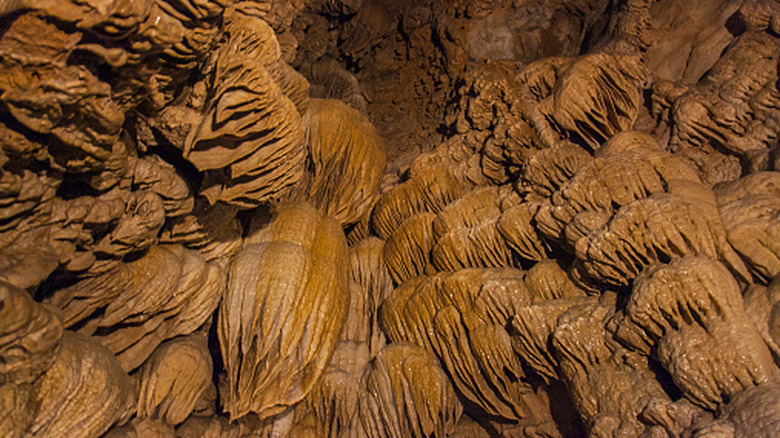
Tucked away in the rugged Siskiyou Mountains near the California border, the Oregon Caves system is a stark geological anomaly. Unlike the majority of the National Park System’s solution caves, which are carved out of limestone, this three-mile labyrinth is formed entirely of marble. Protected by presidential decree since 1909, the monument recorded a modest 64,350 visitors in 2025. Visitors can choose between standard ranger-guided geological tours and lantern-lit spelunking adventures that navigate amber flowstone, delicate stalactites, and textured mineral deposits known as "cave popcorn."
4. Craters of the Moon National Monument, Idaho
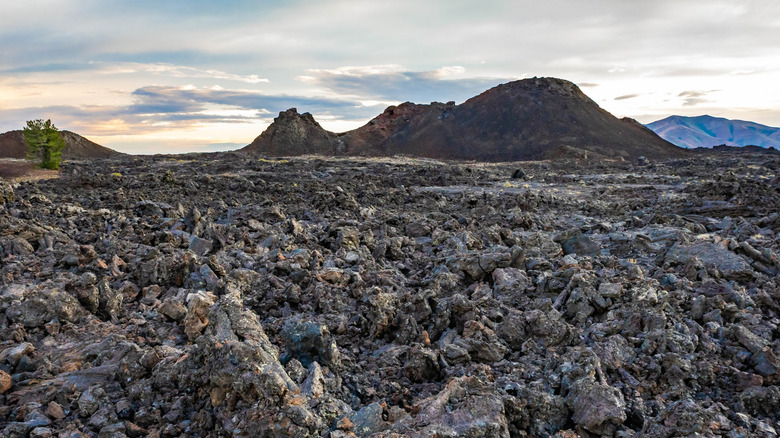
Spanning nearly 400,000 acres of the Snake River Plain, Craters of the Moon features twisted basaltic lava flows, cinder cones, and subterranean fissures formed across eight eruptive phases over a 13,000-year period. Its stark, lunar-like landscape was utilized by NASA to train Apollo astronauts in field geology. Designated an International Dark Sky Park, its high-altitude vantage points and minimal light pollution offer some of the clearest views of the Milky Way in North America. Despite its surreal landscapes, it drew only 260,000 visitors in 2025.
5. John Day Fossil Beds National Monument, Oregon
Spanning three distinct units (Clarno, Sheep Rock, and Painted Hills), this 45-million-year-old paleontological treasure trove records dramatic shifts in ancient climates, transitioning from subtropical rainforests populated by ancient camels, rhinos, and oreodonts to temperate highlands. The Painted Hills unit features striking, multi-colored claystone strata recording millions of years of shifting climate history in vivid bands of red, gold, and green. The monument recorded 131,100 visitors in 2025, leaving its rich fossil deposits and active paleontology labs at the Thomas Condon Paleontology Center refreshingly uncrowded.
6. San Juan Islands National Monument, Washington
Managed by the Bureau of Land Management (BLM), this monument comprises 84 distinct parcels of undeveloped islands, rocks, and reefs scattered across 450 islands in the Salish Sea. Designated by President Barack Obama in 2013 to protect Coast Salish heritage and fragile marine habitats, the sanctuary is a primary sanctuary for endangered Southern Resident killer whales, harbor seals, and migrating humpbacks. Accessible primarily via ferry and private watercraft, the monument recorded 240,449 visitors in 2024, benefiting from a surprisingly dry regional microclimate boasting up to 247 sun-filled days a year.
7. Newberry National Volcanic Monument, Oregon
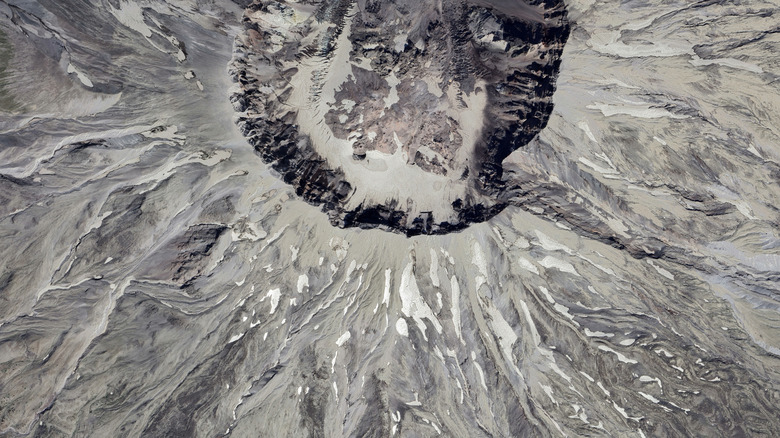
Covering 55,500 acres within the Deschutes National Forest near Bend, the Newberry Caldera protects the features of a massive 600,000-year-old volcano. The monument preserves expansive obsidian fields, the one-mile-long Lava River Cave (Oregon’s longest underground lava tube), and the Lava Cast Forest, where tree impressions were preserved by flowing basalt 7,000 years ago. Twin crater lakes—Paulina and East Lake—sit within the caldera, framed by snow-capped peaks of the broader Cascade Range.
8. Hanford Reach National Monument, Washington
Encompassing 195,000 acres of pristine desert shrub-steppe, Hanford Reach owes its biological preservation to an unintended historical quirk: for over 50 years, the land served as an enforced security buffer surrounding the Hanford Nuclear Reservation. Because public access was barred from 1943 onward, its arid plains and the 51-mile un-dammed stretch of the Columbia River remained untouched by agricultural conversion. Today, it hosts world-class Chinook salmon fisheries, unique fossil-bearing sedimentary cliffs (the White Bluffs), and profound ecological isolation, featuring virtually no commercial tourist infrastructure.
Official Statements & Expert Analysis
Resource managers and conservation scientists emphasize that the value of these secondary parks lies not in mass tourism, but in resource protection and immersive wilderness experiences.
"The Pacific Northwest’s ecological narrative cannot be told through three parks alone," notes a regional conservation briefing from conservation non-profits operating within the Cascades corridor. "When visitors crowd into high-impact zones like Mount Rainier, they miss the geological and biological complexity preserved in places like the North Cascades’ receding glaciers or the undisturbed desert ecosystems of Hanford Reach. True preservation requires distributing public appreciation across these fragile, under-studied landscapes."
Park superintendents across the region have increasingly highlighted the necessity of sustainable visitation models. At sites like Craters of the Moon and the Oregon Caves, low visitor density is viewed as an asset that protects delicate subterranean formations and dark-sky integrity from over-commercialization.
Future Outlook
As traditional gateway national parks face mounting pressures from overcrowding, traffic congestion, and ecological wear, travelers are shifting their focus toward off-the-beaten-path destinations. The Pacific Northwest’s underrated parks and monuments offer a sustainable alternative, provided visitors adhere to rigorous "Leave No Trace" principles.
Looking forward to the coming decades, several challenges and opportunities define the horizon for these eight locations:
- Climate Impacts: Glacial recession in the North Cascades will continue to reshape alpine hydrology, making scientific documentation urgent before physical features vanish.
- Infrastructure Balancing: Managing agencies must balance the desire to keep these monuments wild and uncommercialized with the rising demand for safe public access, particularly at remote sites like Hanford Reach and the San Juan Islands.
- Stewardship Expansion: Collaborative management models involving local Indigenous tribes and federal agencies will play a growing role in interpreting and protecting these cultural landscapes for future generations.
For travelers willing to trade gift shops and paved overlooks for primitive trails, dark skies, and raw geological history, the lesser-known monuments of Washington, Oregon, and Idaho provide the ultimate Pacific Northwest experience.