








Executive Overview
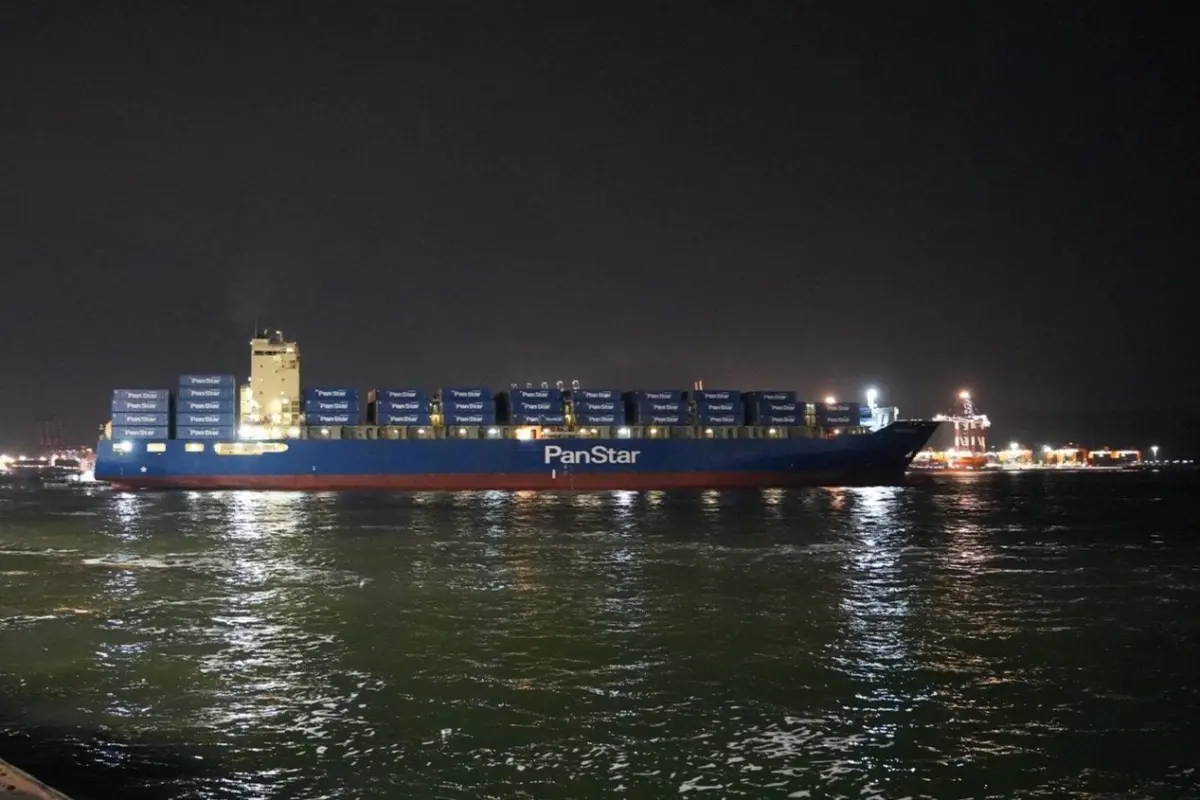
In an era defined by geopolitical instability at traditional maritime chokepoints, the allure of a shorter, safer alternative has turned global attention toward the Arctic. South Korea recently embarked on a historic maritime experiment: its first commercial container trial through the Northern Sea Route (NSR). Orchestrated by the Ministry of Oceans and Fisheries and operated by the regional shipping line PanStar, the voyage of the PanStar Acro was designed to test the commercial and operational viability of bypassing the Suez Canal in favor of the icy passages north of Russia.
However, the maiden voyage has quickly run into both commercial and physical headwinds. The trial secured just 737 twenty-foot equivalent units (TEUs) of loaded cargo—falling far short of the government’s initial target of 1,300 TEUs. Combined with 100 empty containers carried for ballast and repositioning, the vessel’s total load stands at a mere 30% of its nominal capacity.
To compound these commercial shortcomings, the physical realities of the Arctic have already disrupted the voyage’s schedule. Encountering denser sea ice than anticipated along Russia’s northern coastline, the PanStar Acro has been forced to repeatedly adjust its speed and heading. Consequently, its scheduled arrival at the Port of Felixstowe in the United Kingdom has been pushed back by five days, laying bare the profound unpredictability that continues to challenge the Arctic’s viability as a reliable, "just-in-time" global trade corridor.
Detailed Chronology of the Maiden Voyage
The path to South Korea’s historic Arctic transit began months before the PanStar Acro weighed anchor, starting with a meticulous administrative and logistical planning phase.
[June 2024] Cargo Demand Survey (Est. 1,300 TEUs)
       │
       ▼
[July–Aug 2024] Vessel Acquisition & Arctic Retrofitting (PanStar Acro)
       │
       ▼
[Aug 22, 2024] Departure from Port of Busan
       │
       ▼
[Aug 31, 2024] Entry into Arctic Waters (NSR Gateway)
       │
       ▼
[Early Sept 2024] Sea Ice Encounters & Speed Reductions
       │
       ▼
[Sept 14, 2024 (Est.)] Delayed Arrival at Felixstowe (Originally Sept 9)
Vessel Selection and Preparation
In late spring, the South Korean government actively sought a domestic vessel operator capable of executing the trial. PanStar was selected to lead the initiative. The operator initially sought to charter a container vessel with a capacity of approximately 3,000 TEUs.
Ultimately, PanStar acquired the PanStar Acro, a 2,758-TEU sub-panamax container ship built in 2011. Previously operated by South Korea’s flagship carrier HMM under the name HMM Mombasa, the vessel underwent rapid technical assessments and operational retrofitting to prepare for the sub-zero temperatures and ice-navigation requirements of the high latitudes.
Cargo Sourcing and the June Survey
In June, the Ministry of Oceans and Fisheries conducted a comprehensive market demand survey. The findings were highly encouraging, indicating a potential cargo pool of approximately 1,300 TEUs from regional exporters eager to test a shorter route to Northern Europe.

However, the tight timeline required to drydock, secure ice-class certifications, and complete administrative preparations for the PanStar Acro severely truncated the commercial booking window. By the time the vessel was legally and operationally cleared to accept cargo, many shippers had already committed their freight to traditional, albeit longer, southern routes.
Transit and Ice Confrontation
- August 22, 2024: The PanStar Acro departed the Port of Busan, carrying a specialized cargo of chemical products, used cars, and automotive components destined for European markets.
- August 31, 2024: The vessel officially entered Arctic waters, passing the geographical thresholds of the Northern Sea Route under close monitoring by South Korean maritime authorities and Russian ice-routing services.
- Early September 2024: As the vessel progressed westward along the Siberian coast, it encountered localized ice fields and drifting floes. To ensure hull integrity, the command crew reduced speed and altered course to navigate around the hazards.
- The Delay: These necessary safety maneuvers dismantled the vessel’s tight transit schedule. Originally slated to arrive at the Port of Felixstowe on September 9, the estimated arrival was revised to September 14, representing a five-day delay that directly impacts subsequent port calls at Rotterdam and Gdansk.
Supporting Context & Metrics: The Hard Economics of Arctic Transit
To understand the challenges facing South Korea’s Arctic ambitions, one must analyze the stark contrast between the theoretical benefits of the Northern Sea Route and the operational realities of container shipping.
The Utilization Disconnect
In the container shipping industry, voyage profitability is dictated by slot utilization. On established East-West trade lanes (such as Asia-Europe via the Suez Canal or the Cape of Good Hope), mega-alliances operate at utilization rates of 85% to 90%. Globally, the baseline fleet utilization fluctuates between 70% and 80%.
| Metric | Global Average (East-West Lanes) | PanStar Acro Trial Voyage |
|---|---|---|
| Nominal Vessel Capacity | Varies (up to 24,000 TEU) | 2,758 TEU |
| Loaded Cargo Volume | N/A | 737 TEU |
| Empty Containers (Ballast) | Minimal | 100 TEU |
| Total Capacity Utilization | 85% – 90% | 30.3% |
| Loaded Cargo Utilization | 70% – 80% | 26.7% |
Operating a 2,758-TEU vessel with only 737 loaded TEUs (a 26.7% loaded utilization rate) is a commercial deficit. Under normal market conditions, such a low utilization rate would result in catastrophic financial losses for the carrier.
The Distance-Cost Paradox
On paper, the Northern Sea Route offers an elegant solution to the geographic bottlenecks of global trade.
Busan to Rotterdam via Suez Canal:  ~~~~~~~~~~~~~~ 11,000 nm (Approx. 35 Days)
Busan to Rotterdam via Arctic (NSR): ~~~~~~~ 7,000 nm (Approx. 21-25 Days)
                                    [Savings: 4,000 nm / 10-14 Days]
A voyage from Busan to Rotterdam via the NSR is approximately 7,000 nautical miles, compared to 11,000 nautical miles via the Suez Canal. This 4,000-nautical-mile reduction theoretically cuts transit times by 10 to 14 days and slashes fuel consumption.
However, the financial savings from reduced fuel burn are often offset by unique Arctic operating costs:
- Icebreaker Escort Fees: Russia’s state-owned Rosatom charges substantial tariffs for mandatory or precautionary icebreaker escorts through key straits.
- Insurance Premiums: Underwriters charge steep, specialized ice-risk premiums for hull and machinery coverage.
- Lack of Wayports: Unlike the Suez route, which features lucrative stopovers in Southeast Asia, the Indian subcontinent, and the Mediterranean, the NSR offers virtually no intermediate cargo-handling hubs, forcing carriers to rely entirely on end-to-end cargo.
State Subsidies as a Financial Buffer
Recognizing these financial barriers, the South Korean government stepped in to underwrite the trial. The Korea Shipowners’ Association provided a direct subsidy of over $2 million to guarantee the completion of the one-way westbound voyage.
To incentivize a return leg, the association offered an additional $700,000 if the eastbound voyage back to Asia could secure a more robust cargo load exceeding 2,000 TEUs. This heavy state intervention highlights that, at present, South Korean Arctic container shipping is a subsidized research project rather than a self-sustaining commercial enterprise.
Official Statements and Diplomatic Tightropes
Despite the low cargo volumes and scheduling delays, South Korean maritime officials have maintained a positive public posture, framing the voyage as a necessary learning curve.
Lee Soo-ho, the head of the Ministry of Oceans and Fisheries’ Arctic Shipping Route Promotion Headquarters, addressed the cargo shortfall during a press briefing:
"For a first voyage, I think it is also meaningful that we prepared roughly this amount of cargo, marketed it, and secured it. The government plans to use this voyage to identify the specific cargo types and customer profiles that are best suited to the unique demands of the Arctic route."
The ministry also emphasized that the physical delays caused by sea ice are valuable data points. By analyzing fuel consumption, structural stress, ice-navigation maneuvers, and schedule reliability under real-world Arctic conditions, South Korea will be better positioned to design future vessels and establish realistic transit windows.
                  ┌─────────────────────────────────────┐
                  │ South Korea's Delicate Position     │
                  └──────────────────┬──────────────────┘
                                     │
            ┌────────────────────────┴────────────────────────┐
            ▼                                                 ▼
┌──────────────────────────────────────┐            ┌───────────────────────────────────┐
│ Global Geopolitical Alignment        │            │ National Strategic Imperatives    │
├──────────────────────────────────────┤            ├───────────────────────────────────┤
│ • G7-aligned sanctions on Russia     │            │ • Securing future shipping lanes  │
│ • Condemnation of Northern war effort│            │ • Mitigating Red Sea vulnerabilities│
│ • Strict compliance with export laws │            │ • Utilizing Russian-managed NSR   │
└──────────────────────────────────────┘            └───────────────────────────────────┘
Beyond the ice, South Korea must navigate a complex diplomatic landscape. The NSR is strictly managed by Russia, which claims jurisdiction over the route’s key straits. As a Western-aligned nation enforcing sanctions against Moscow, South Korea must balance its long-term Arctic shipping ambitions with geopolitical realities, ensuring that its transactions with Russian entities for icebreaker services and transit permits do not breach international sanctions.
The Competitive Landscape: China’s "Polar Silk Road"
While South Korea approaches the Arctic with cautious, subsidized trials, its regional competitors are moving at a much faster pace. China has officially integrated the Northern Sea Route into its broader Belt and Road Initiative under the banner of the "Polar Silk Road."
                 ┌──────────────────────────────────────┐
                 │    Arctic Container Service Models   │
                 └──────────────────┬──────────────────┘
                                    │
           ┌────────────────────────┴────────────────────────┐
           ▼                                                 ▼
┌──────────────────────────────────────┐           ┌──────────────────────────────────┐
│        South Korean Approach         │           │         Chinese Approach         │
├──────────────────────────────────────┤           ├──────────────────────────────────┤
│ • Highly cautious, state-subsidized  │           │ • Aggressive commercial expansion│
│ • Single-vessel scientific trials    │           │ • Regularized, seasonal loops    │
│ • Strict adherence to Western norms  │           │ • Dedicated Arctic-class fleets  │
│ • Focus on long-term 2030 readiness  │           │ • Deep integration with Rosatom  │
└──────────────────────────────────────┘           └──────────────────────────────────┘
Chinese operators like NewNew Shipping Line and Sea Legend have transitioned past the trial phase, establishing regular seasonal container services linking major Chinese hubs with Murmansk, St. Petersburg, and Northern European ports.
- Sea Legend launched a seasonal China-Europe service this summer, utilizing specialized vessels like the Dubai Tower.
- NewNew Shipping Line has expanded its Arctic operations, running weekly container transits through the summer and autumn months, with services scheduled to continue into October.
These Chinese carriers benefit from close administrative alignment with Russia, granting them streamlined transit approvals, preferential tariff structures, and prioritized icebreaker support. This active commercial corridor gives Chinese shipping companies a distinct advantage in gathering operational data and building Arctic-seasoned crew pools.
Future Outlook: South Korea’s 2030 Arctic Ambition
The PanStar Acro trial represents the opening chapter of a long-term strategic master plan. South Korea has set an official target to establish regularized, commercially viable Arctic container services by the year 2030. Under this vision, the Port of Busan—already one of the world’s busiest transshipment hubs—is being positioned as the primary gateway for Asia-Europe Arctic traffic.
To transform this vision into reality, South Korean maritime planners are focusing on three key pillars:
                  ┌─────────────────────────────────────┐
                  │    Pillars of South Korean Arctic   │
                  │              Strategy               │
                  └──────────────────┬──────────────────┘
                                     │
         ┌───────────────────────────┼───────────────────────────┐
         ▼                           ▼                           ▼
┌──────────────────┐       ┌──────────────────┐       ┌──────────────────┐
│ Technical        │       │ Commercial       │       │ Environmental    │
│ Evolution        │       │ Viability        │       │ Stewardship      │
├──────────────────┤       ├──────────────────┤       ├──────────────────┤
│ Building modern, │       │ Transitioning    │       │ Preparing for    │
│ purpose-built    │       │ away from state  │       │ zero-emission    │
│ Ice-Class        │       │ subsidies toward │       │ fuels and strict │
│ container ships. │       │ market pricing.  │       │ polar codes.     │
└──────────────────┘       └──────────────────┘       └──────────────────┘
1. Technical Evolution and Ship Design
The PanStar Acro is a standard sub-panamax vessel without advanced ice-strengthening features, limiting its transit to a narrow late-summer window. For year-round or extended-season operations, South Korea’s world-class shipbuilders—such as HD Hyundai, Samsung Heavy Industries, and Hanwha Ocean—are developing specialized, high-capacity Ice-Class container ships capable of maintaining transit schedules through moderate ice cover without constant icebreaker escorts.
2. Commercial Viability
For the NSR to compete with traditional shipping lanes, carriers must secure high-value, time-sensitive cargoes that benefit from shorter transit times. However, shippers of high-value goods (like consumer electronics) demand absolute schedule reliability, which the Arctic cannot currently guarantee due to unpredictable ice conditions. Until carriers can ensure consistent arrival windows, the cargo mix will likely remain limited to lower-value, less time-sensitive industrial goods.
3. Environmental and Regulatory Compliance
The Arctic ecosystem is highly fragile, and the maritime industry faces growing scrutiny over the environmental impact of polar shipping. The International Maritime Organization (IMO) is progressively tightening its Polar Code, with a looming ban on the use of Heavy Fuel Oil (HFO) in Arctic waters.
Future South Korean Arctic services will need to utilize cleaner alternative fuels, such as Liquefied Natural Gas (LNG), methanol, or ammonia. This transition will require significant investments in alternative-fuel bunkering infrastructure at Arctic gateway ports like Busan.
Conclusion
While the voyage of the PanStar Acro has highlighted the logistical and environmental hurdles of the far north, it remains a vital step forward for South Korea’s maritime strategy. By documenting the real-world friction of ice delays and low cargo yields, South Korea is collecting the essential operational data required to turn the Northern Sea Route from a highly subsidized gamble into a dependable corridor for global trade.