




Executive Overview
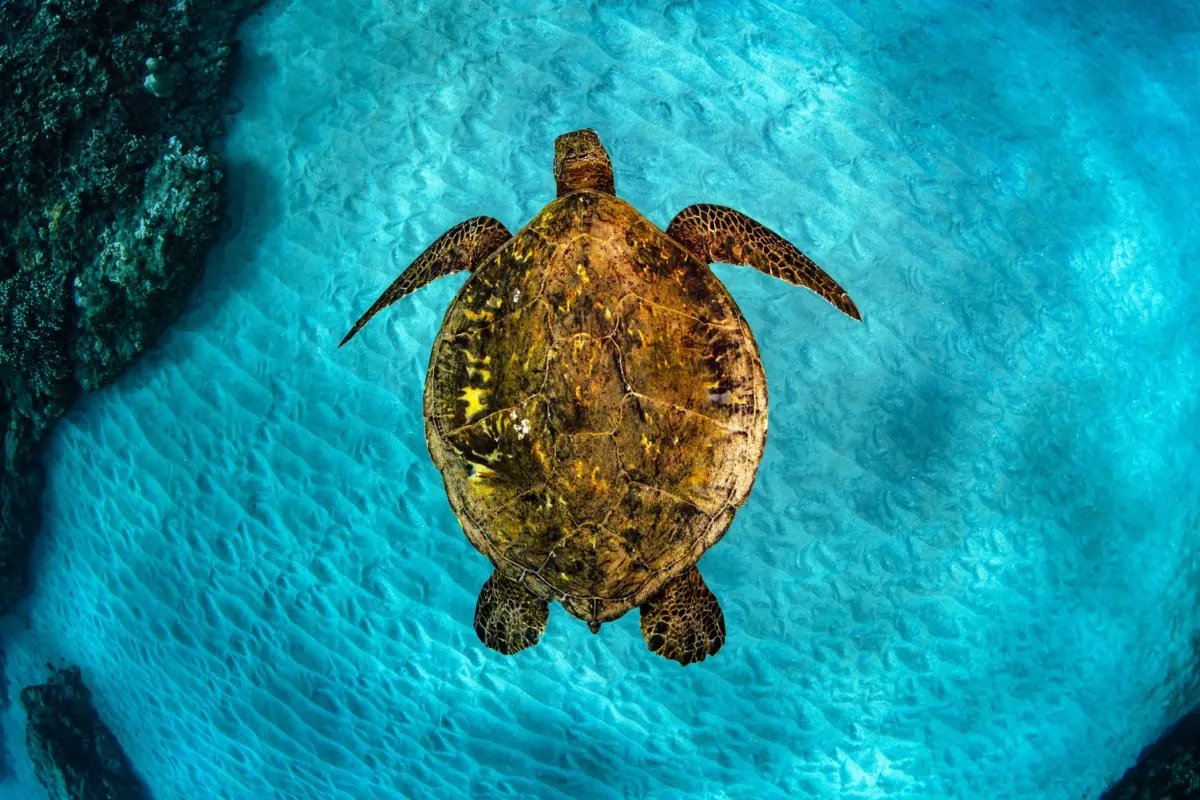
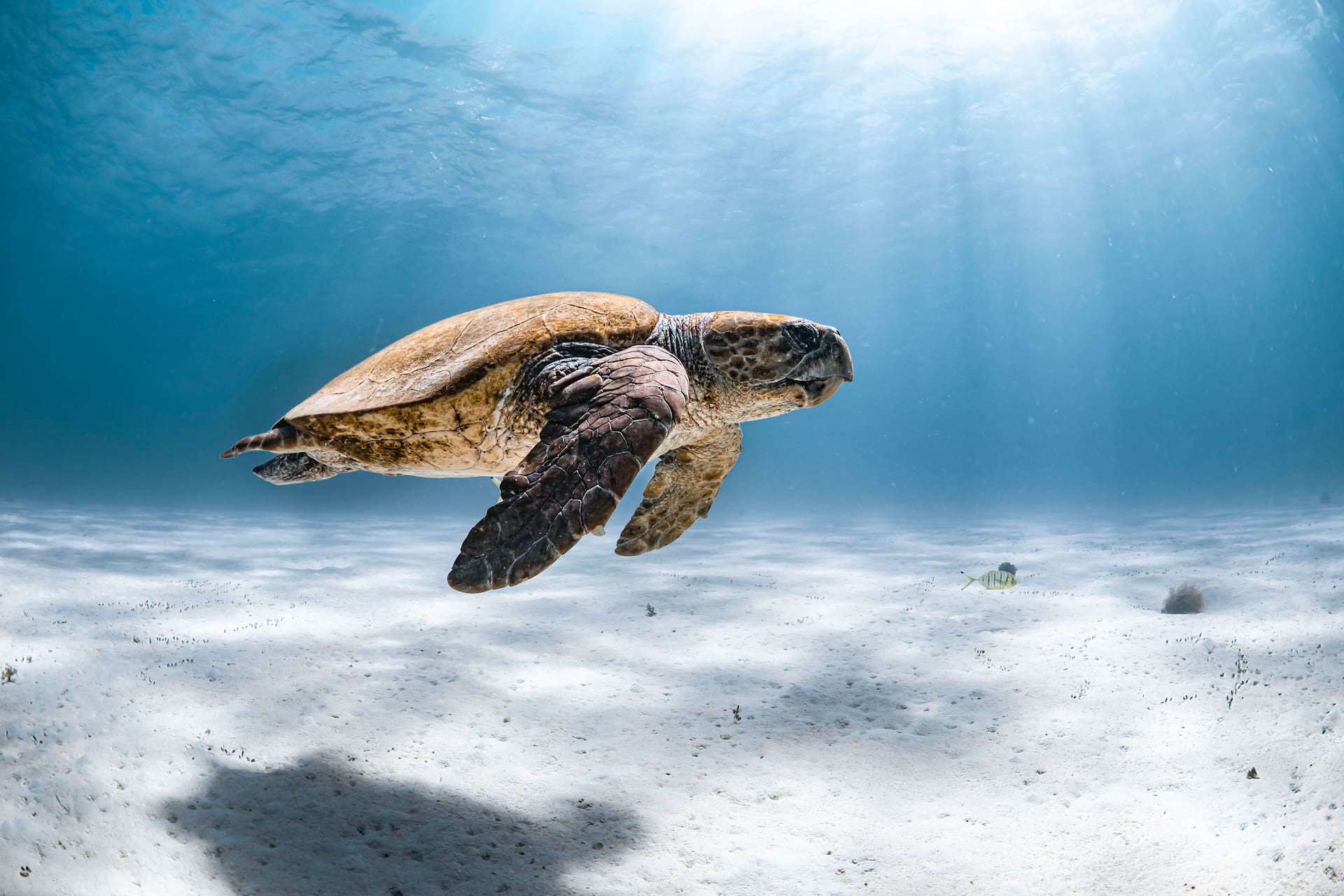
For over 100 million years, sea turtles have charted courses across the globe’s vast oceans, surviving catastrophic prehistoric extinction events that wiped out the dinosaurs and outlasting shifting tectonic plates. Among the most awe-inspiring migrations in the natural world are those undertaken by female sea turtles. Driven by an ancient biological imperative, these marine reptiles travel hundreds—and sometimes thousands—of miles through open, featureless waters before returning to nest on or near the exact beaches where they hatched.
Consider the Pacific leatherback (Dermochelys coriacea). Nesting populations in Indonesia have been documented migrating more than 10,000 kilometers (approx. 6,200 miles) across the open Pacific to the West Coast of the United States. This remarkable journey stands as the longest migration of any air-breathing marine vertebrate. Without the aid of modern instruments, GPS technology, or visible landmarks, these animals cross planetary distances with pinpoint accuracy.
However, marine biologists and conservationists emphasize that while these ancient navigators possess an evolutionary compass finer than any human invention, their internal maps are increasingly mismatched against modern, human-dominated landscapes. Today, these ancient mariners face a gauntlet of anthropogenic obstacles that appeared in the blink of an evolutionary eye. From coastal light pollution and ocean noise to pervasive plastic debris, sea turtles are finding that their extraordinary navigation skills are no match for human-driven disruption. Ensuring their survival requires more than just marveling at their biology; it demands an immediate, coordinated global response to safeguard the marine and coastal ecosystems they depend upon.
Detailed Chronology: The Journey of a Migratory Masterpiece
To understand the scope of sea turtle navigation, one must trace the multi-stage lifecycle of these creatures, which balances epic open-ocean transits with precise coastal homing.
Phase 1: The Hatchling’s Perilous Sprint
The journey begins at midnight on a dark, undisturbed sandbar. Hatchlings break through their leathery eggshells, claw their way upward through the sand, and emerge into the night. Historically, their survival depended on a simple, foolproof heuristic: crawl toward the brightest horizon. On pristine, undeveloped beaches, moonlight and starlight reflecting off the open ocean create the brightest horizon, guiding the newborns swiftly into the surf.
Phase 2: The "Lost Years" and the Open Ocean Loop
Once in the water, infant turtles enter what scientists refer to as the "lost years." Carried away by powerful ocean currents, juvenile turtles vanish into the open gyres of the world’s oceans, spending years drifting, feeding, and growing in pelagic habitats. During this stage, they are entirely dependent on instinct and environmental cues to keep them within favorable thermal and current corridors.
Phase 3: Coastal Foraging and Maturity
As juveniles mature into sub-adults and adults, they transition from open-ocean drifters to coastal foragers. Green turtles graze on seagrass meadows, loggerheads crush mollusks with powerful jaws, and hawksbills forage among coral reefs. Yet, despite occupying vast foraging grounds far from their origins, a profound psychological switch occurs when they reach sexual maturity.
Phase 4: Natal Homing and the Pilgrimage Home
When it is time to reproduce, adult females abandon their foraging grounds and embark on targeted migrations back to their specific natal regions—a phenomenon known as natal homing. They navigate across thousands of miles of dynamic ocean water, bypassing countless alternative coastlines, to nest on the very stretch of sand where they hatched decades prior.
Supporting Context & Metrics: The Science of the Geomagnetic Compass
How do sea turtles accomplish feats of navigation that continually baffle human sailors? Decades of rigorous scientific research have unraveled the mystery: sea turtles read the Earth’s invisible magnetic grid.
The Earth’s Magnetic Signature
Earth acts as a giant bar magnet, generating a magnetic field characterized by two primary features that vary predictably across the globe:
- Magnetic Field Intensity (Strength): The strength of the magnetic pull changes depending on your latitude, being stronger near the poles and weaker near the equator.
- Inclination Angle (Dip Angle): The angle at which magnetic field lines intersect the Earth’s surface varies from parallel at the magnetic equator to vertical at the magnetic poles.
Scientists have discovered that sea turtles possess specialized biological receptors—likely containing microscopic crystals of biogenic magnetite—embedded within their tissues, particularly in their head and brain regions. These receptors allow turtles to detect subtle spatial variations in magnetic intensity and inclination.
The Magnetic Map vs. The Magnetic Compass
Researchers distinguish between two distinct magnetic capabilities in marine turtles:
- A Magnetic Compass: Allows turtles to determine direction (e.g., heading north or south), which is vital for keeping a straight course during pelagic migrations.
- A Magnetic Map: A more sophisticated system that allows animals to determine their geographic position relative to a goal. Because different geographical locations possess unique combinations of magnetic intensity and inclination angle, the Earth essentially provides a personalized coordinate system.
For species practicing natal homing, this magnetic map is indispensable. Young turtles imprint on the unique magnetic "signature" of their natal beach before they leave as hatchlings. Decades later, when maturity calls, they use their internal magnetic archive to retrace those geochemical and geomagnetic coordinates across ocean basins.
Official Statements and Research Findings: Modern Threats to an Ancient Mariner
Despite their sophisticated sensory systems, sea turtles face unprecedented anthropogenic pressures upon reaching their destinations. Conservation organizations and wildlife agencies have highlighted three primary vectors of human-caused decline:
1. The Light Pollution Crisis
Coastal development has transformed the nocturnal shoreline. Artificial lighting from beachfront properties, streetlights, and vehicular traffic completely upends the visual cues hatchlings rely on.
According to guidelines and reports from the U.S. Fish and Wildlife Service (USWS) and marine researchers, artificial light discourages adult females from coming ashore to nest, often causing them to return to the sea without laying their eggs (a phenomenon known as a "false crawl"). More critically, artificial light disorients newly emerged hatchlings. Instead of crawling toward the moonlit ocean, newborns are drawn inland toward parking lots, roads, and seawalls, where they frequently succumb to dehydration, exhaustion, predation, or vehicular strikes before dawn.
2. Acoustic Pollution in the Marine Realm
While much attention is paid to what can be seen on the surface, the underwater soundscape has grown drastically louder. Sea turtles possess internal ears capable of detecting low-frequency vibrations and acoustic waves underwater.
According to findings highlighted by the National Oceanic and Atmospheric Administration (NOAA), human-generated noise from commercial vessel traffic, marine construction, seismic airgun surveys for oil and gas exploration, and naval sonar operations significantly degrade marine habitats. This persistent noise pollution induces chronic physiological stress, disrupts critical foraging and mating behaviors, and can drive sea turtles to abandon preferred habitats or divert entirely from their ancestral migratory corridors.
3. The Plastic Inundation
Perhaps the most insidious modern threat is the ubiquity of plastic pollution. Sea turtles evolved over tens of millions of years to identify and consume drifting, gelatinous prey such as jellyfish. Plastic packaging, grocery bags, balloons, and microplastics entered the global marine ecosystem merely six decades ago—a timeframe far too brief for evolutionary adaptation.
To a hungry sea turtle, a floating plastic bag is visually indistinguishable from a jellyfish. A recent comprehensive study by Ocean Conservancy, which analyzed more than 10,000 marine animal autopsies, revealed that nearly half of all sea turtles studied had ingested plastic.
The physiological consequences are devastating. Ingested plastics can cause fatal blockages in the gastrointestinal tract, puncture internal organs, or create a false sense of fullness that leads to starvation. Most shockingly, researchers found that for adult loggerhead turtles, swallowing a volume of plastic equivalent to just one and a half times the size of a golf ball carries a 50% mortality rate.
"It’s a heartbreaking reminder that something we use for minutes can threaten an animal that’s been roaming Earth’s ocean for more than 100 million years," notes marine conservation literature from Ocean Conservancy.
Future Outlook: Protecting the Pathway Home
Sea turtles have weathered asteroid strikes, ice ages, and dramatic continental drifts. Yet, their historic resilience does not guarantee their future survival against the cumulative weight of modern human impacts.
The encouraging reality is that the threats facing sea turtles are not inevitable forces of nature; they are problems created by human choices, meaning they can be solved through intentional human action. Conservation strategists emphasize several vital fronts where global citizens, policymakers, and scientists must unite:
- Mitigating Light Pollution: Coastal communities must adopt "turtle-friendly" lighting ordinances, utilizing amber or red LED bulbs and shielding fixtures during nesting seasons to ensure hatchlings can safely locate the ocean horizon.
- Tackling Plastic at the Source: Reducing single-use plastics, supporting robust municipal waste management, and participating in coastal cleanups directly reduces the volume of lethal debris entering marine environments.
- Defending Coastal and Marine Habitats: Preserving undeveloped nesting beaches, limiting destructive shoreline armoring (such as concrete seawalls), and enforcing regulations to quiet anthropogenic ocean noise are critical steps in maintaining safe migratory corridors.
- Advocating for Policy Change: Supporting legislative actions that mandate sustainable fishing gear (such as Turtle Excluder Devices, or TEDs) and expand marine protected areas ensures that ocean ecosystems remain resilient.
Conclusion
Do sea turtles get lost? When left to the natural rhythms of the earth, almost never. Their internal compasses remain one of the most sublime evolutionary achievements on the planet.
However, the defining question of our era is not whether sea turtles can find their way across the ocean, but whether we can make the ocean and coastal zones safe for them when they arrive. Sea turtles may know precisely where they are going, but it is our collective responsibility to ensure that the home they return to is still standing, still quiet, and still clean. Through sustained commitment from organizations like Ocean Conservancy and individuals worldwide, we can ensure that these ancient mariners continue their epic journeys for millions of years to come.