




Executive Overview
On August 27, 2026, the global marine energy sector crossed a historic threshold with the official ribbon-cutting ceremony for PacWave South. Located off the rugged coastline of Oregon near Seal Rock and Newport, this landmark facility is the United States’ first grid-connected, internationally accredited, pre-permitted open-ocean wave energy test facility. Following 15 years of exhaustive planning, stakeholder engagement, engineering design, and heavy construction, the multi-million-dollar infrastructure is officially open for business.
Led by Oregon State University (OSU) in close collaboration with the National Laboratory of the Rockies (NLR), the U.S. Department of Energy (DOE), and various state and federal legislators, PacWave South is designed to solve one of the greatest hurdles in clean tech development: the commercialization "valley of death." By offering pre-permitted deep-water test berths and a robust, ISO-accredited testing framework, PacWave South allows wave energy converters (WECs) to transition from theoretical lab prototypes into grid-integrated commercial power plants without having to independently navigate years of complex regulatory hurdles.
When operating at peak capacity, PacWave South can transmit up to 20 megawatts (MW) of clean wave energy directly into the local utility grid. As nations search aggressively for diversified, reliable, and baseload-adjacent renewable energy sources to complement wind and solar, PacWave South stands ready to launch a brand-new frontier in marine power generation.
Detailed Chronology: 15 Years in the Making
The realization of PacWave South did not happen overnight. The facility represents a 15-year masterclass in persistence, regulatory navigation, and inter-agency collaboration.
Phase 1: Conceptualization and Site Selection (Early 2010s)
More than a decade ago, researchers and engineers recognized that while the theoretical potential of ocean wave energy along North America’s West Coast was immense, developers lacked a dedicated, high-energy proving ground. Laboratory flumes and wave tanks could only simulate so much; scaling up required exposure to the raw, unforgiving power of the open Pacific Ocean. Oregon State University emerged as the natural institutional anchor for the project, given its proximity to high-energy wave climates and its pre-existing marine research infrastructure.
Phase 2: Regulatory Framework and Federal Licensing (Mid-to-Late 2010s)
One of the most formidable barriers for marine energy developers has historically been the labyrinthine federal permitting process. Deploying hardware in federal and state waters requires navigating strict environmental impact assessments, fisheries consultations, and navigational safety reviews. To eradicate this barrier for incoming innovators, OSU and its partners spent years securing a comprehensive 25-year Federal Energy Regulatory Commission (FERC) operating license. This master permit pre-authorizes the site to host up to 20 WECs simultaneously, sparing individual developers from shouldering the immense time and financial burden of individual environmental licensing.
Phase 3: Infrastructure Engineering and Subsea Installation (2020–2026)
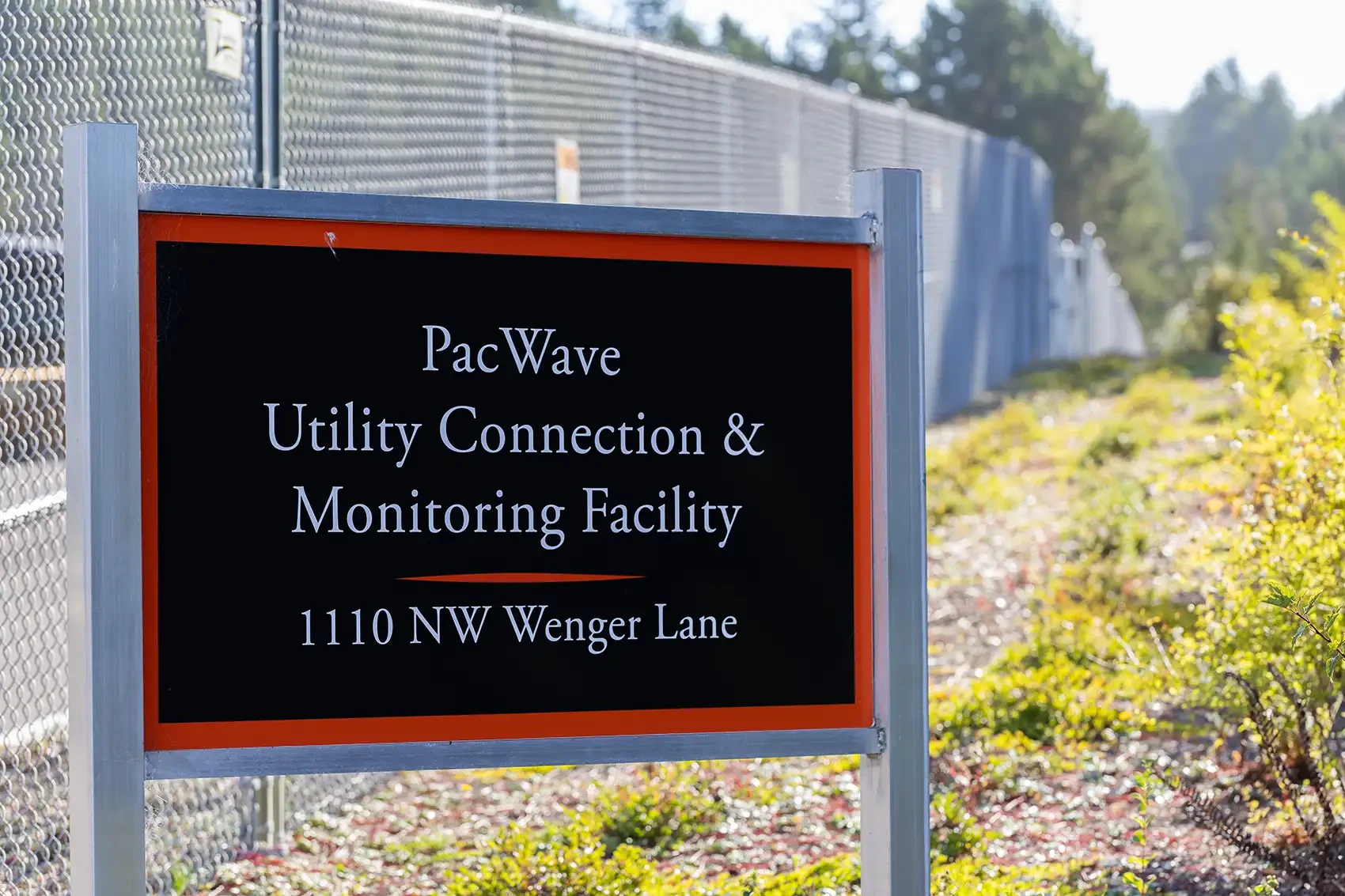
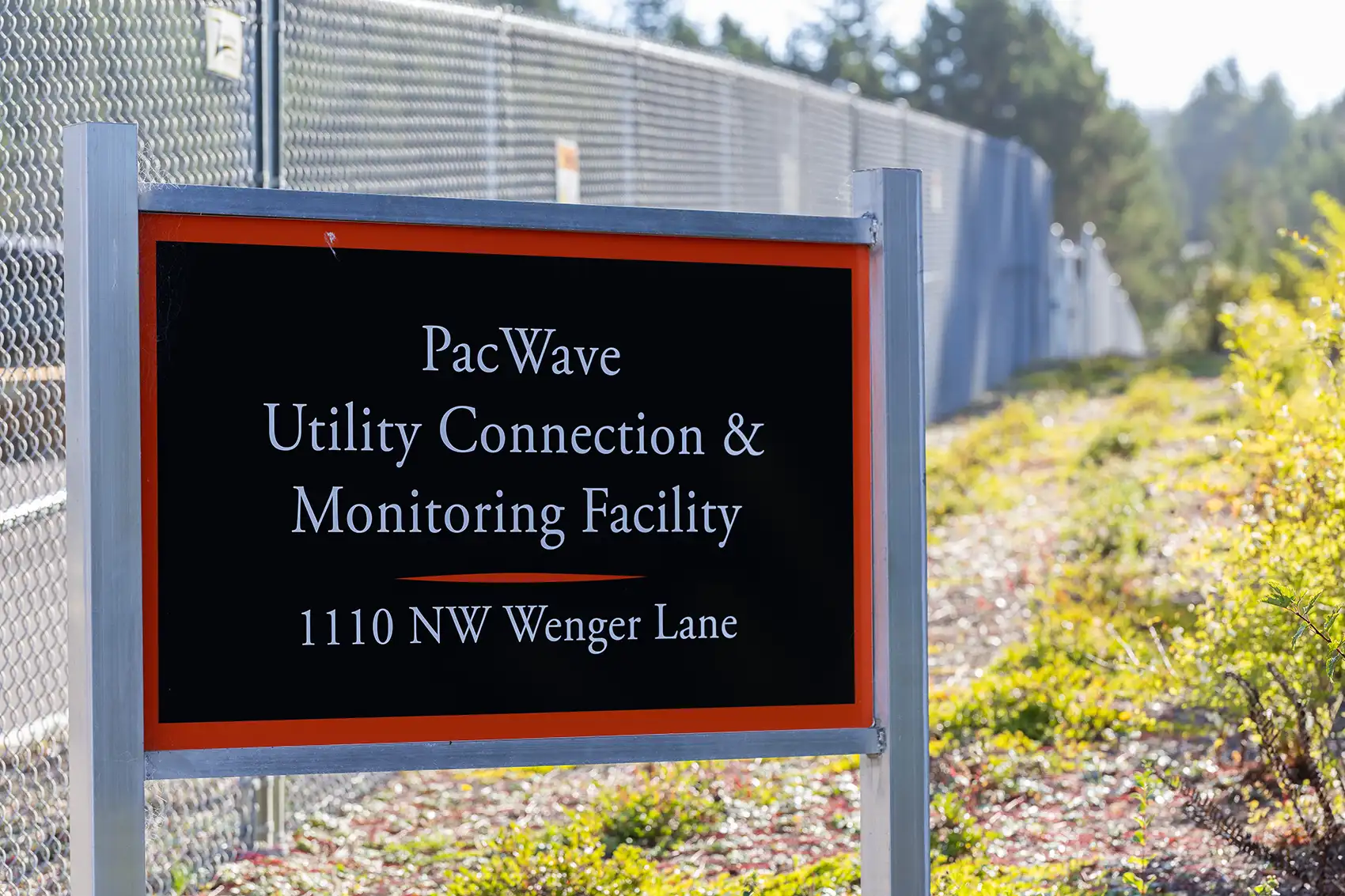
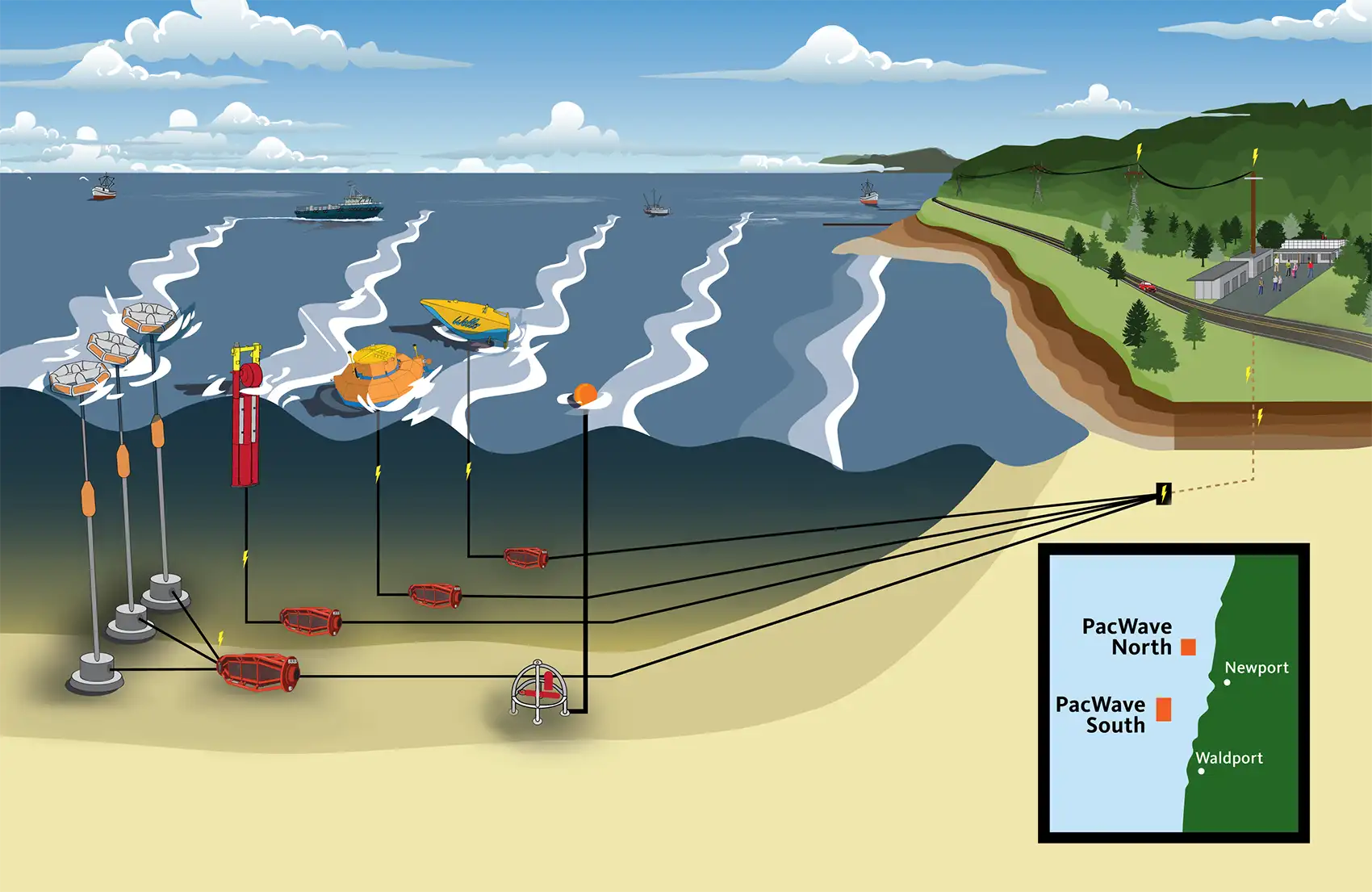
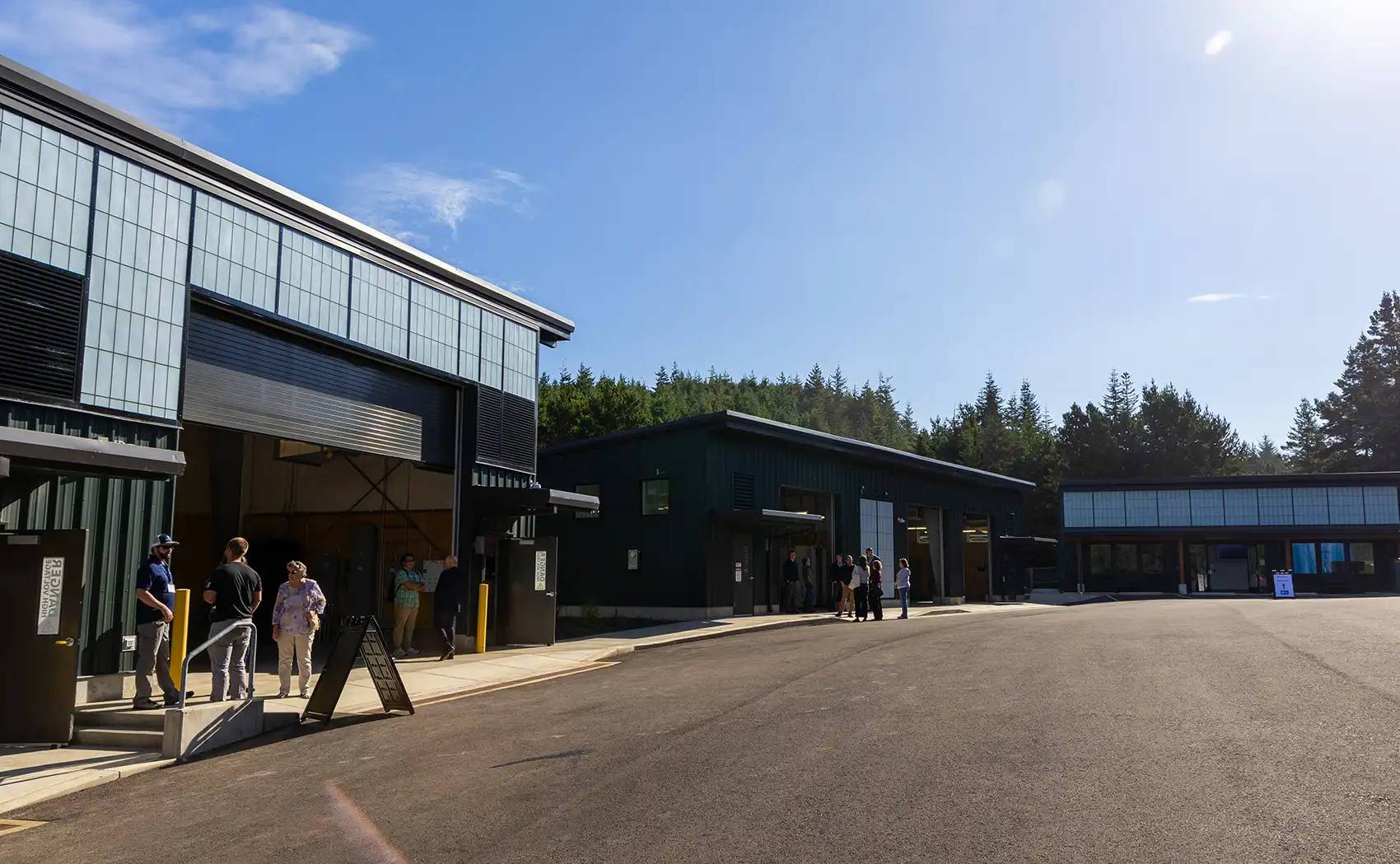
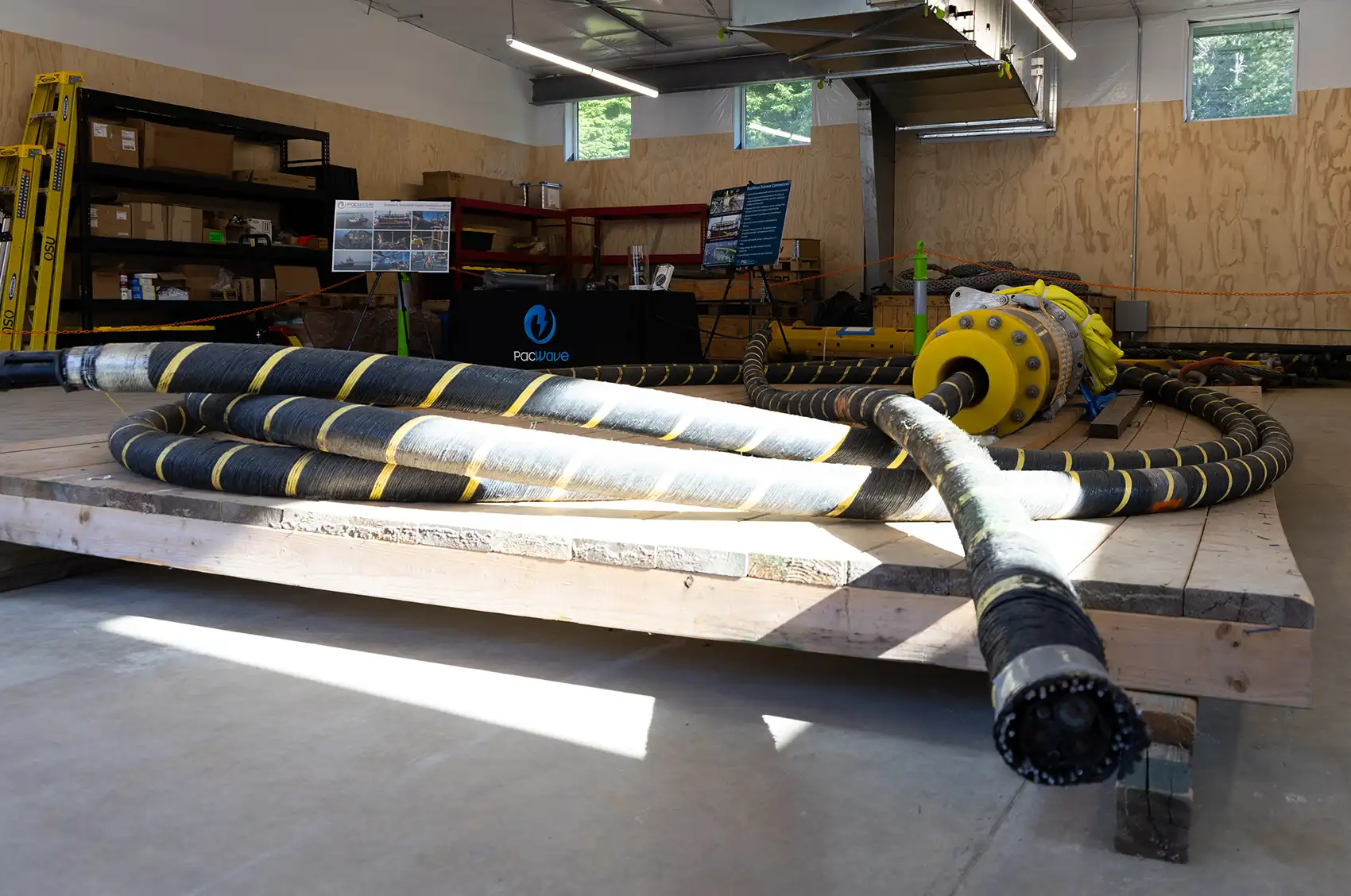
Construction of the physical infrastructure involved monumental feats of marine and civil engineering. The project team laid nearly 50 miles of specialized subsea data and power cables to link the deep-water ocean berths to the onshore Utility Connection and Monitoring Facility near Driftwood Beach State Park.

Situated approximately 7 miles offshore on the Outer Continental Shelf at depths ranging from 213 to 256 feet, PacWave South was purposefully engineered to subject WECs to extreme open-ocean conditions. This deep-water deployment zone provides the ultimate litmus test for device durability, hydrodynamic resilience, and power delivery performance.
Phase 4: International Accreditation and Grand Opening (August 2026)
In the months leading up to its debut, NLR leveraged its ISO/IEC 17025-accredited status—covering wave performance testing, mechanical load measurements, and electrical power quality—to establish PacWave’s rigorous testing framework. Collaborating with entities like the European Marine Energy Centre, the project team ensured the facility met global standards for inspection and quality control.
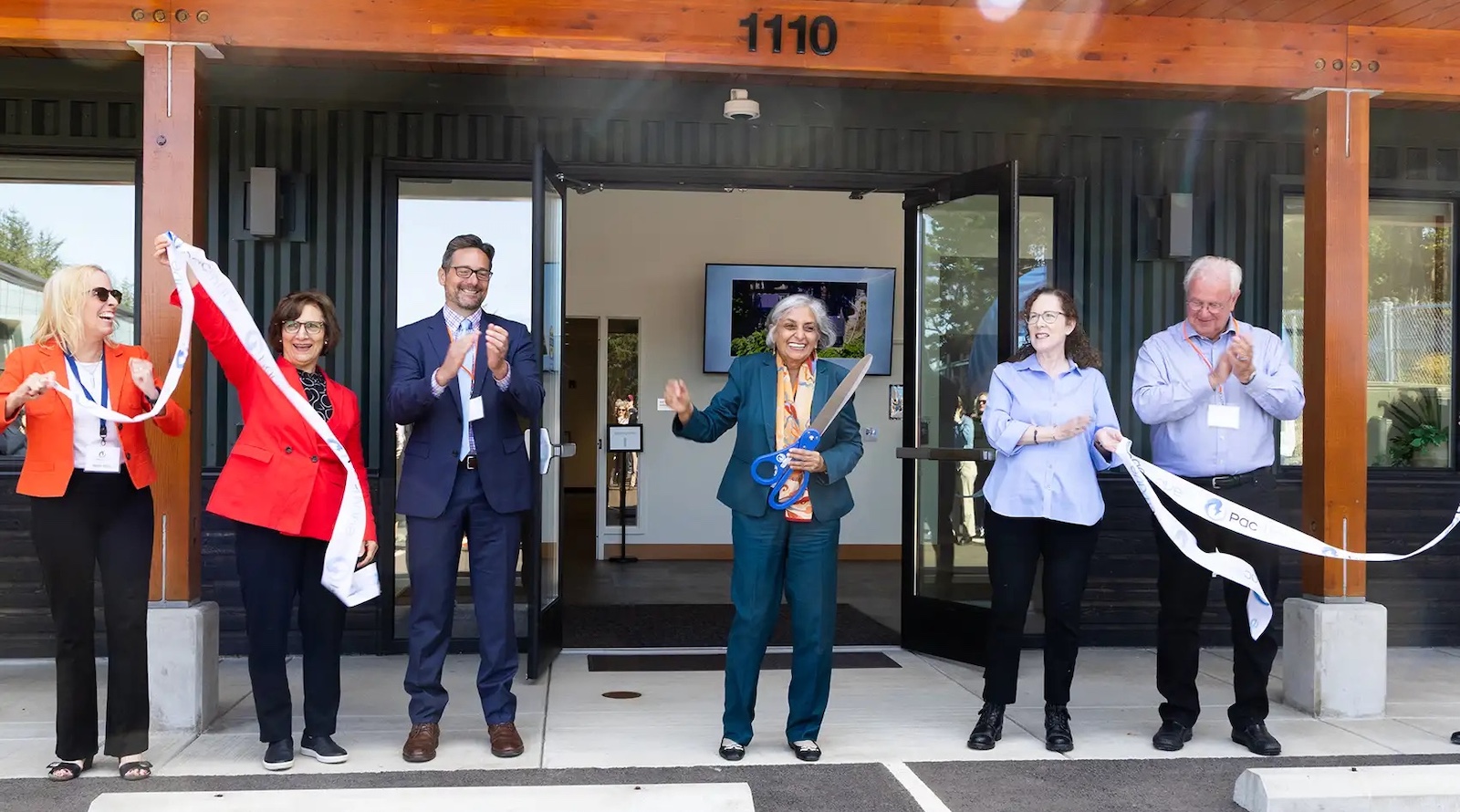
On August 27, 2026, the culmination of these efforts was celebrated with an official ribbon-cutting ceremony. Leaders from OSU, the DOE, the U.S. Congress, the Oregon Legislature, and project directors gathered to mark the dawn of a new era for American marine energy.
Supporting Context & Metrics: Breaking Down the Infrastructure
To truly understand the technical magnitude of PacWave South, one must examine the specific architecture, geography, and performance metrics that govern the site.
+-------------------------------------------------------------------------+
                    PACWAVE SOUTH INFRASTRUCTURE MAP
+-------------------------------------------------------------------------+

  [ Open-Ocean WECs ]  --->  [ 4 Berths & 5-MW Subsea Cables ]
  (213-256 ft deep)               (7 miles offshore)
          |
          v
  [ Nearly 50 Miles of Total Cabling ]
          |
          v
  [ Onshore Utility Connection & Monitoring Facility ]
  (Driftwood Beach State Park, OR)
          |
          v
  [ Local Electrical Grid (Up to 20 MW Total Capacity) ]

+-------------------------------------------------------------------------+
Key Facility Metrics
- Total Capacity: Up to 20 megawatts (MW) of grid-connected wave energy.
- Test Berths: Four distinct commercial-scale berths.
- Transmission Infrastructure: Each berth is equipped with a dedicated 5-megawatt subsea transmission cable, backed by nearly 50 miles of total cabling infrastructure connecting offshore deployment zones to onshore facilities.
- Water Depth: 213 to 256 feet on the Outer Continental Shelf.
- Distance Offshore: Approximately 7 miles from the deep-water commercial port of Newport, Oregon.
- Regulatory Security: Backed by a 25-year FERC operating license and pre-permitted for up to 20 WECs at any given time.
The Engineering of Risk Mitigation
Wave energy conversion is uniquely challenging because devices must operate continuously in one of the most corrosive, high-fatigue environments on Earth while maintaining high reliability and low maintenance costs.
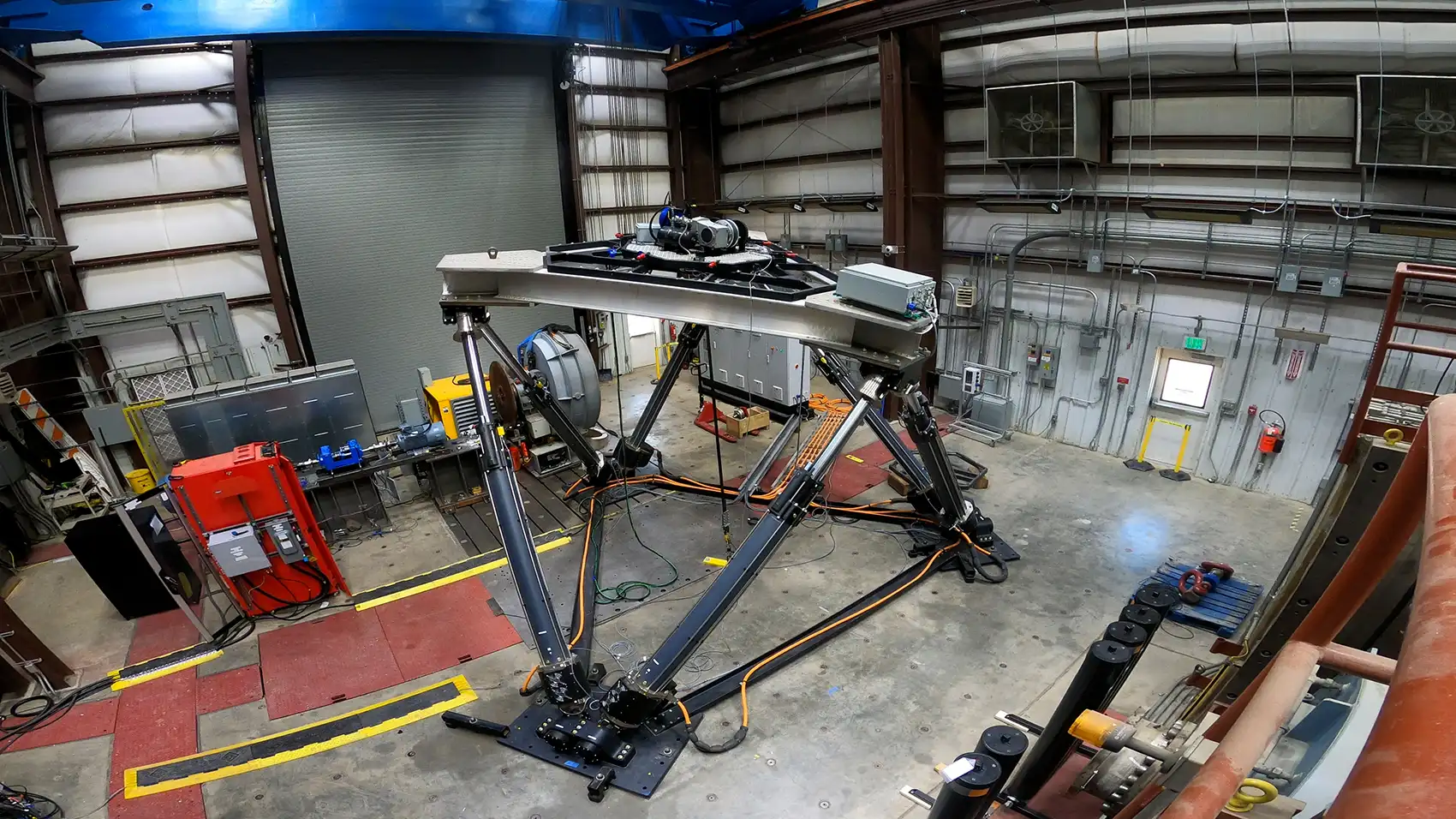
NLR’s contributions to PacWave have focused heavily on integrating decades of institutional experience in testing novel energy technologies to meet strict international benchmarks. Before developers ever wet a blade or hull in the Pacific, many utilize NLR’s Flatirons Campus in Colorado—featuring large-amplitude motion platforms and advanced hardware-in-the-loop testing facilities—to evaluate components like hydraulic systems, electric generators, and reverse-osmosis wave converters under simulated loads.
Furthermore, NLR’s push to align PacWave with ISO/IEC 17025 and ISO/IEC 17020 standards solves a critical financing problem. In the words of NLR Emeritus Researcher Bob Thresher:
"In the marine energy sector, accreditation is the holy grail on the path to commercialization. For developers looking to secure the backing of private investors and insurance underwriters, self-reported test numbers don’t cut it."
By anchoring PacWave South to an internationally recognized testing framework, third-party validation generated at the site carries immediate weight with global commercial markets, private equity firms, and insurance underwriters.
Official Statements & Industry Perspectives
The opening of PacWave South drew widespread acclaim from government, academic, and scientific leaders who view marine energy as a vital pillar of the global clean energy transition.
-
Arlinda Huskey, NLR PacWave Lead:
"This milestone highlights the collective engineering and operational achievements that have delivered a world-class test facility poised to accelerate innovation and advance the marine energy industry."
-
Kelly Gjestvang, NLR PacWave Project Manager:
"The systems tested at PacWave will be able to test—and prove—their technologies on the way to commercialization. Not only will they be testing their devices’ ability to perform in the open ocean off the coast of Oregon, but they will also be proving their devices’ ability to safely send power to the grid."
-
Bob Thresher, NLR Emeritus Researcher:
"NLR’s most significant technical contribution to the design and development of PacWave has been to ensure that the facility incorporates NLR’s decades of experience in testing novel energy technologies to meet international standards. As PacWave opens for business, this provides its customers with the benefit of unparalleled testing expertise, assuring high-quality testing and global acceptance of the results."
Federal and state lawmakers attending the August ceremony echoed these sentiments, emphasizing that ocean wave energy represents an untapped domestic energy resource capable of creating high-paying green jobs in coastal communities while enhancing regional grid resilience.
Future Outlook: Launching the Marine Energy Moonshot
With PacWave South officially open and welcoming its first cohorts of technology developers, the marine energy sector stands at an unprecedented crossroads.
The transition from lab-scale experiments to open-ocean validation is no longer hindered by the paralyzing expense and administrative delays of federal permitting. By streamlining regulatory access, providing world-class subsea transmission infrastructure, and enforcing rigorous, globally trusted data collection protocols, PacWave South has effectively removed the bottleneck obstructing marine energy commercialization.
Looking forward, NLR and Oregon State University plan to maintain active oversight of the facility through continuous data collection, expert performance analysis, and periodic field audits. These efforts will ensure that PacWave maintains strict adherence to global benchmarks for resource assessment, power quality, and environmental safety.
As startups and established research institutions deploy their next-generation wave energy converters into the rolling swells of the Pacific, the data gathered off the coast of Oregon will reverberate globally. PacWave South is not merely a regional testing site; it is the commercial launchpad designed to unlock the vast, untapped power of the world’s oceans and drive marine technology into a prosperous, decarbonized future.