







Executive Overview
In what could easily become the most transformative and largest corporate transaction in cruise industry history, the Royal Caribbean Group is reportedly engaged in advanced-stage negotiations to acquire a majority stake in Sandals Resorts International (SRI). According to industry insiders and reports originating from the Financial Times, the potential valuation of the Caribbean-centric resort empire exceeds a staggering $6 billion USD.
Should these confidential discussions successfully cross the finish line, the deal would fundamentally redefine the global tourism landscape. It would bridge the traditional divide between nautical cruising and all-inclusive land-based hospitality, creating an unprecedented leisure powerhouse capable of controlling a traveler’s journey from the moment they step off an airplane to the time they board an ocean liner or check into an overwater bungalow.
While neither corporate entity has officially confirmed the transaction—and financial advisors close to the negotiations caution that talks remain fluid and could still collapse—the sheer scale of the potential venture has sent shockwaves through the travel and hospitality sectors. Acquiring a controlling interest in Sandals would instantly hand Royal Caribbean Group an empire of 20 ultra-luxury, all-inclusive resorts scattered across the most coveted islands of the Caribbean.
For decades, the major cruise lines and land-based resort operators have functioned as parallel tracks in the vacation economy, often competing for the exact same demographic of tropical-seeking travelers. A merger of these magnitude-scale models would effectively merge those tracks, offering a synchronized ecosystem of sea and shore that no other competitor in the global cruise market could currently replicate.
Detailed Chronology and Transaction Framework
The whispers of a potential multibillion-dollar union first leaked via financial intelligence channels, rapidly gaining traction in international publications such as the Financial Times and regional outlets like the Jamaica Gleaner. While details remain tightly guarded behind corporate non-disclosure agreements, financial analysts have begun piecing together the structural framework of how such an acquisition would unfold.
The Anatomy of the Deal
- Valuation Baseline: Sandals Resorts International commands a valuation in excess of $6 billion USD, driven by its prime real estate holdings, high brand equity, and consistent financial performance.
- Proposed Ownership Structure: Royal Caribbean Group is reportedly targeting a controlling majority stake in the resort giant. This structure would allow RCG to consolidate Sandals’ financial performance into its portfolio while leaving the door open for a complete takeover down the line.
- Negotiation Status: High-level executives from both companies have been meeting behind closed doors. However, both RCG and SRI have maintained a strict corporate policy of silence. When pressed for comment by regional press, representatives for Sandals reiterated their standard stance that the company does not comment on ongoing market speculation.
The timeline for a final decision remains uncertain. Industry watchers note that due to the sheer financial complexity, regulatory hurdles across multiple island nations, and the operational integration required for a hospitality asset of this scale, any formal announcement could take months—or quietly dissolve if key valuation metrics cannot be met.
Supporting Context & Metrics: Royal Caribbean’s Land-Based Expansion
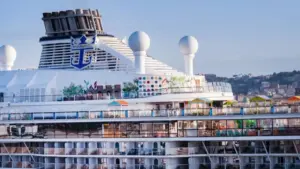
To understand why Royal Caribbean is aggressively pursuing a $6 billion terrestrial investment, one must examine the cruise line’s shifting strategic playbook over the last half-decade. RCG has signaled a clear, unmistakable pivot away from merely operating floating hotels toward owning and curating proprietary destinations on solid ground.
The Evolution of "Ultimate Destinations"
The blueprint for this strategy can be observed in the colossal success of Perfect Day CocoCay in the Bahamas. What was once a standard private cruise destination has been transformed into a hyper-profitable, multi-million-dollar waterpark and beach paradise. The staggering return on investment at CocoCay proved to RCG executives that modern travelers are willing to pay a heavy premium for controlled, frictionless, branded environments.
Building upon this momentum, Royal Caribbean has systematically expanded its land-based footprint:
- Royal Beach Club Paradise Island (Nassau): Designed to offer cruise guests an immersive, upscale beach day directly integrated into their itinerary.
- Global Beach Club Expansion: RCG has actively pursued further beach club concepts slated for international hotspots, including Santorini, Greece; Cozumel, Mexico; and Lelepa, Vanuatu.
Diversifying Revenue Streams
Beyond enhancing the guest experience, land-based investments act as a vital financial hedge for cruise operators. Traditional cruise lines are inherently tied to vessel deployment schedules, weather disruptions, and fluctuating maritime fuel costs.
By acquiring or building land-based assets, RCG unlocks entirely new, resilient revenue streams:
- Non-Cruise Visitors: Beach clubs and resorts can host day-pass visitors, local tourists, and independent travelers who arrived via commercial airlines rather than cruise ships.
- High-Yield Charters: Dedicated land venues allow the company to host lucrative corporate buyouts, music festivals, and private chartered events without tying up multimillion-dollar marine tonnage.
- Maximized Brand Synergy: An integrated guest can theoretically book a Royal Caribbean cruise, spend a day at a Royal Beach Club, and finish their holiday at a Sandals resort—all while remaining firmly within a single loyalty and marketing ecosystem.
Would Sandals Fit the Royal Caribbean Brand?
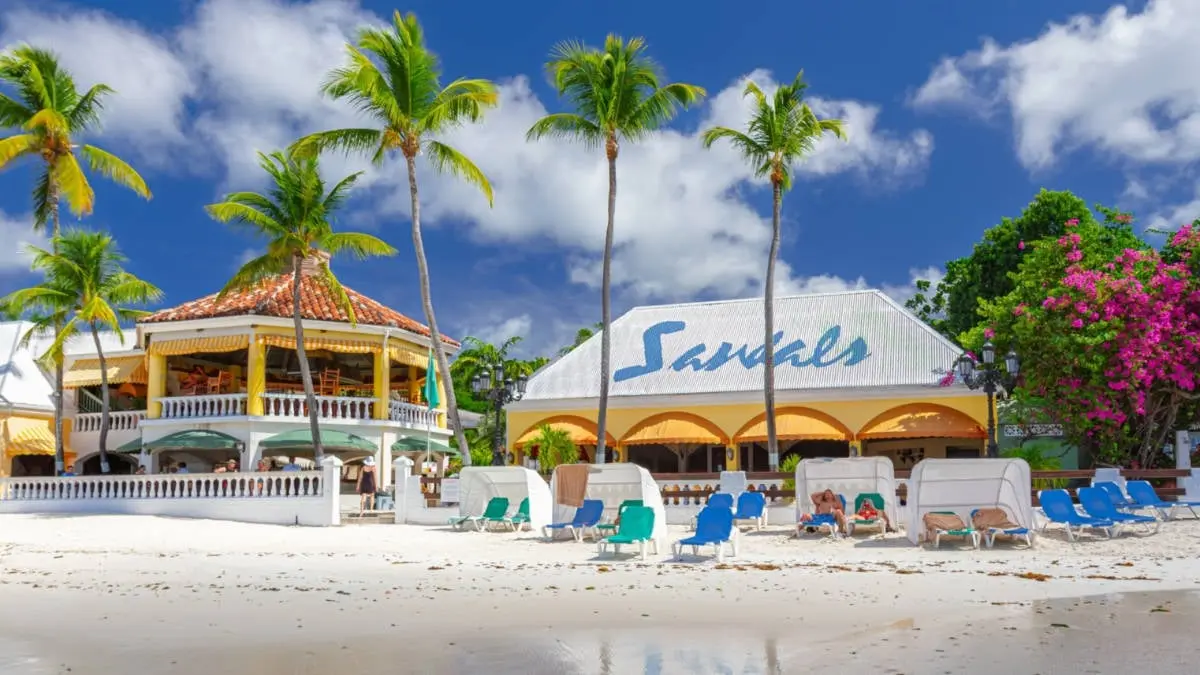
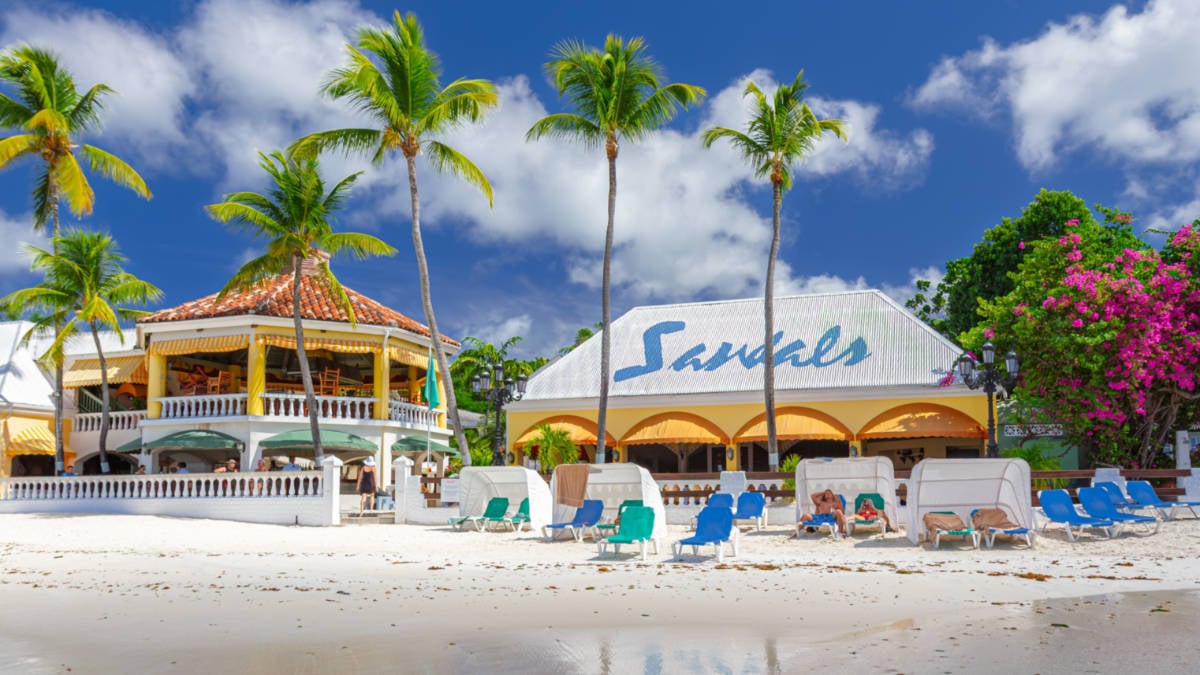
Founded in Montego Bay, Jamaica, in 1981 by the legendary visionary Gordon “Butch” Stewart, Sandals Resorts International has spent over four decades perfecting the formula for couples-only luxury. Today, the portfolio spans across Jamaica, Saint Lucia, Barbados, the Bahamas, Antigua, Curacao, Grenada, and Saint Vincent, pioneering innovations such as the Caribbean’s first swim-up pool bars and iconic overwater private villas.
A merger between a global cruise giant and a premier all-inclusive resort network might initially appear unconventional, but a closer look reveals profound operational and cultural synergies.
The All-Inclusive Synergy
While Royal Caribbean operates as a family-friendly cruise brand rather than an adults-only line, the company has increasingly catered to travelers seeking exclusive, high-end environments. Features like The Key (RCG’s VIP guest program) and its comprehensive dining and beverage packages are direct attempts to mirror the seamless, friction-free nature of all-inclusive resorts.
Sandals has mastered the art of bundling vacation costs into a single upfront fee, covering:
- Gourmet dining across multiple specialty restaurants
- Premium liquors and unlimited bar service
- Land and water sports, including scuba diving certifications
- High-speed Wi-Fi access
- Roundtrip airport transfers and all resort gratuities
This philosophy maps directly onto the modern consumer’s desire for predictable, stress-free travel budgeting—a psychological comfort zone that both cruise lines and all-inclusive resorts heavily leverage.
Market Demographics and Shared Footprints
Furthermore, the target demographics of both brands overlap significantly. Sandals Resorts are globally renowned as premier destinations for weddings, honeymoons, and milestone wedding-anniversary celebrations—high-value leisure segments that also form the lifeblood of cruise line group bookings.
It is also worth noting that alongside its flagship couples-only properties, Sandals operates Beaches Resorts, its family-oriented sister brand. Together, these entities represent one of the single largest private employers in the Caribbean, giving them deep-rooted geopolitical ties, regulatory expertise, and local infrastructure across the region that would take a cruise line decades to build from scratch.
Official Statements and Industry Reaction
As the financial markets digest the implications of a potential $6 billion acquisition, industry analysts, travel advisors, and regional tourism boards have weighed in on what this could mean for the future of global travel.
The Wall Street Perspective
Financial analysts covering the leisure sector have pointed out that post-pandemic consumer behavior favors experiential travel and frictionless booking.
"Travelers are no longer just buying a ticket from point A to point B; they are buying an end-to-end lifestyle experience," notes a senior leisure analyst. "If Royal Caribbean can successfully integrate Sandals, they create an impenetrable moat around their customer base. A loyal cruiser can be seamlessly funneled into a land resort, keeping their travel spend entirely within the corporate family for 365 days a year."
Caribbean Regional Impact
Given that Sandals is deeply woven into the economic fabric of Jamaica and several other island nations, regional stakeholders are watching the negotiations closely. Local business associations in Jamaica have expressed cautious optimism, noting that a partnership with a publicly traded titan like Royal Caribbean Group could inject massive capital improvements into the local tourism infrastructure, driving employment and direct foreign investment higher.
However, consumer advocacy groups and independent travel advisors have also raised questions regarding potential pricing power. A combined entity controlling both cruise itineraries and prime land-based resorts across the Caribbean could wield immense pricing influence over regional tourism, potentially squeezing out smaller, independent operators.
Future Outlook: The Dawn of Land-and-Sea Travel
If Royal Caribbean Group successfully finalizes the acquisition of Sandals Resorts International, the vacation landscape will never be the same. The traditional boundaries separating the cruise industry from the hotel sector will officially blur, setting a new benchmark that rival cruise lines—such as Carnival Corporation and Norwegian Cruise Line Holdings—will scramble to match.
What Travelers Can Expect in the Years Ahead
- Unified Loyalty Programs: Imagine utilizing Royal Caribbean Crown & Anchor Society points for a free week at a Sandals overwater bungalow, or earning resort perks while sailing the Southern Caribbean. Cross-brand loyalty integration would be an instant game-changer.
- Seamless Multi-Modal Itineraries: Travel agencies could soon package "Sail & Stay" vacations effortlessly, where a 7-night Eastern Caribbean cruise seamlessly connects to a 4-night stay at a Sandals resort, managed under a single itinerary management system.
- Co-Branded Marketing and Exclusive Access: Passengers sailing on Royal Caribbean ships could receive priority booking windows, exclusive excursions, or private transfer options to Sandals properties located near major cruise ports of call.
For now, the travel industry holds its collective breath. While the ink is far from dry and the hurdles remaining are substantial, the mere prospect of this $6 billion alliance proves that the future of travel belongs to those bold enough to conquer both the open ocean and the sandy shores.