For decades, the standard retirement playbook for North Americans seeking sun, sand, and slow-paced living pointed decisively toward Florida. The Sunshine State has long held a near-monopoly on retirees dreaming of warm winters, palm trees, and coastal strolls. However, as domestic costs of living soar, property markets tighten, and healthcare expenses escalate across the United States, an increasing number of adventurous retirees are looking far beyond domestic borders.
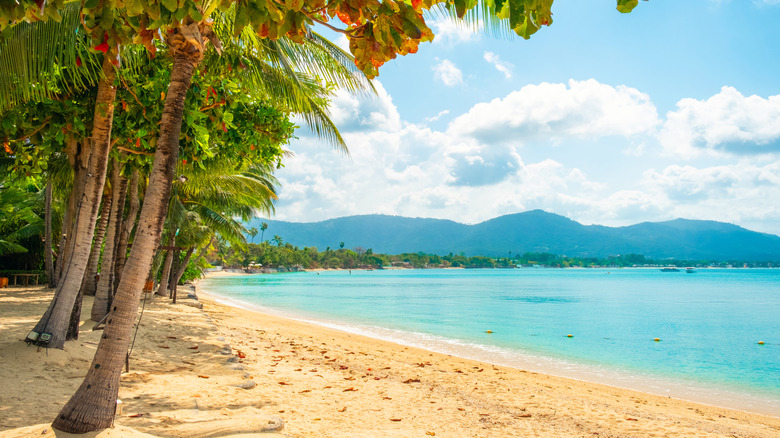
Enter Koh Samui. Situated in the Gulf of Thailand, approximately 300 miles south of Bangkok, Thailand’s third-largest island offers an enticing alternative that challenges the traditional Florida retirement model. Boasting a tropical climate with year-round temperatures hovering between 81 and 90 degrees Fahrenheit, this lush island delivers the requisite warmth and coastal lifestyle—complete with aquamarine waters and golden-sand beaches—at a fraction of the cost.
Beyond its natural beauty, Koh Samui bridges the gap between exotic escapism and modern infrastructure. Featuring a bustling international airport, world-class private medical facilities, and a diverse culinary scene, the island provides the safety net and amenities that modern retirees demand. This report explores the cultural evolution, day-to-day realities, economic metrics, and future outlook of making Koh Samui a permanent home, demonstrating why the island is rapidly becoming a premier global destination for golden-years relocation.
Detailed Chronology: From Coconut Plantations to Global Sanctuary
Understanding Koh Samui’s current appeal requires looking back at its rapid transformation over the last half-century. The island’s path from an isolated agrarian community to an international retirement sanctuary illustrates how development can preserve tradition while embracing modernity.
The Pre-Tourism Era (Pre-1970s)
For generations, Koh Samui was largely isolated from mainland Thailand’s rapid economic development. The island’s economy was anchored by two primary pillars: agriculture—specifically massive coconut plantations that supplied mainland markets—and coastal fishing. Life moved at the rhythm of the monsoons and tidal shifts. Infrastructure was minimal, roads were unpaved tracks, and travelers arrived via slow cargo boats. For the few Westerners who stumbled upon its shores, Koh Samui was the definition of an untouched tropical hideaway, accessible only to the most intrepid backpackers.
The Backpacker Frontier (1970s – 1990s)
The 1970s marked the dawn of the island’s tourism era. Early travelers, navigating rough seas and primitive accommodations, spread word-of-mouth tales of pristine white-sand beaches, friendly locals, and a remarkably low cost of living. Wooden beach bungalows sprouted along Chaweng and Lamai beaches.
Throughout the 1980s and 1990s, the Thai government and local entrepreneurs began investing in infrastructure. The construction of the island’s ring road connected previously isolated fishing hamlets. Crucially, in 1989, Bangkok Airways opened Koh Samui Airport (USM). By replacing the arduous ferry-and-bus journey from the mainland with a swift one-hour flight from Bangkok, the airport fundamentally altered the island’s trajectory, opening the door for mainstream tourism and, eventually, long-term expatriates.
Today, Koh Samui represents a unique duality. While high-end resorts, luxury beach clubs, and gourmet restaurants occupy prime coastal real estate, the island’s soul remains intact. Original coconut groves still blanket the interior hills, traditional fishing communities persist on the northern coasts, and ornate Buddhist temples dominate the local landscape.
Crucially, the 21st century brought advanced infrastructure. The arrival of multinational corporations, high-speed fiber-optic internet, and—most importantly—state-of-the-art international hospitals transformed Koh Samui from a vacation hotspot into a viable, long-term retirement destination. Retirees no longer have to sacrifice modern comforts to live in a tropical paradise.
Supporting Context & Metrics: Navigating Daily Life on the Island
Choosing to retire abroad involves navigating a complex web of logistics, geography, economics, and lifestyle choices. Koh Samui offers distinct advantages across all these categories, though prospective movers must weigh certain realities.
Geography and Infrastructure
Spanning roughly 95 square miles, Koh Samui is compact enough to navigate easily yet large enough to prevent cabin fever. A flat ring road loops around the entire coast, seamlessly connecting major commercial hubs, residential neighborhoods, and healthcare facilities. Getting around requires little effort; retirees can utilize affordable local taxis (songthaews), rent personal vehicles, or rely on motorbike rentals if they are experienced riders.
The island’s coastlines offer distinct micro-environments tailored to different retirement lifestyles:
Chaweng: The beating heart of the island’s tourism and commerce. Known for its expansive, soft-sand beach, Chaweng offers bustling nightlife, shopping malls, and proximity to major hospitals. It is ideal for retirees who crave action and convenience, though it experiences higher traffic volumes.
Maenam & Bophut (North Coast): Perfect for those seeking a slower pace. Maenam features a long, tranquil beach backed by whispering trees, while Bophut centers around the historic Fisherman’s Village, offering charming wooden storefronts, boutique dining, and serene swimming waters.
Lipa Noi (West Coast): Characterized by calm, shallow waters and a distinct lack of heavy commercial development, Lipa Noi provides an exceptionally peaceful environment, making it a favorite for retirees prioritizing mobility, accessibility, and tranquility.
Silver Beach (South-Central): An alcove-style gem offering sheltered waters and a more intimate, shaded beach experience for early morning walkers.
The Economics of Island Living: Stretching Your Dollar
One of the most compelling arguments for a Koh Samui retirement is financial freedom. While inflation and rising housing costs have squeezed fixed-income retirees in North America and Europe, Thailand continues to offer exceptional value.
According to data compiled by expatriate resources like International Living and relocation specialists such as Crown Relocations, living expenses on Koh Samui are remarkably scalable:
Lean Budget: A frugal couple living a quiet, localized lifestyle can comfortably manage on roughly $1,500 per month. This involves renting a modest one-bedroom home outside the tourist epicenters, shopping at local fresh-air markets, and primarily eating traditional Thai cuisine.
Comfortable Budget: A budget of $2,000 to $2,500 per month opens the door to a more elevated lifestyle. This tier covers a modern two-bedroom condo or house in a popular area, frequent dining at mid-range Western and fusion restaurants, social outings, private transport, and leisure activities.
Rent as a Variable: Rent is the single largest line item in any retirement budget. A simple one-bedroom apartment away from the beach can start around $450 monthly, whereas luxury two-bedroom condominiums or detached villas with private pools in prime beachfront zones can easily exceed $1,200 to $2,000+ per month.
Food and Dining: Food represents a massive area of savings. Authentic street food dishes or meals at local Thai mom-and-pop restaurants cost as little as $3 to $5. Dining at a mid-range Western restaurant typically runs $10 to $25 per person. Imported luxury goods, wine, and Western brand-name groceries carry import tariffs, making local produce and open-air markets the savvy shopper’s choice.
Official Statements and Expert Insights
Moving across the globe is a monumental step, and financial advisors, relocation experts, and international healthcare authorities closely monitor regions like Koh Samui to evaluate their long-term viability.
"For retirees looking to escape the financial crunch of Western nations, Southeast Asia offers an unmatched combination of affordability, cultural richness, and modern infrastructure," notes a senior analyst at International Living. "Koh Samui hits a sweet spot. It provides the barefoot beach lifestyle that people crave, backed by the dependable healthcare and connectivity they medically and socially require."
Healthcare, often the primary anxiety point for international retirees, is addressed robustly on the island. Medical tourism and expat-focused care have spurred the establishment of premier facilities on Koh Samui, including branches of major Thai hospital networks.
According to Crown Relocations, "The standard of medical care on islands like Koh Samui surprises many first-time visitors. English-speaking, internationally trained physicians utilize state-of-the-art diagnostic equipment at a fraction of North American costs."
Financial planners frequently highlight that comprehensive health insurance tailored for expat couples can be secured for as little as $2,600 annually, depending on age and coverage tiers—a stark contrast to soaring domestic insurance premiums in the United States. Furthermore, the Thai government continues to refine its long-term residency and retirement visa pathways (such as the Non-Immigrant O-A and O-X visas), signaling a welcoming regulatory stance toward financially self-sufficient seniors.
Future Outlook: Is Koh Samui Right for Your Retirement?
As we look toward the horizon, Koh Samui stands at a fascinating crossroads. The island is no longer a well-kept secret, and municipal authorities face the ongoing challenge of balancing infrastructure expansion with ecological preservation. Waste management, water supply sustainability, and traffic management remain focal points for local governance as the expat and tourist populations grow.
However, the fundamental appeal of Koh Samui remains unshakeable. For the modern retiree, the island offers a compelling antidote to the pressures of Western living. It trades high-stress, high-cost environments for a climate of perpetual warmth, a community of welcoming locals and seasoned expatriates, and an economy where hard-earned savings stretch exponentially further.
Key Takeaways for Prospective Expatriates:
Do Your Homework on Visas: Research Thailand’s various retirement visa requirements, including mandatory financial proof (such as bank deposit thresholds or monthly income verification).
Test Before You Invest: Spend an extended trial period (e.g., three to six months during both the dry and monsoon seasons) living on the island before committing to long-term property purchases or leases.
Embrace the Local Rhythm: Success as an expat relies heavily on cultural adaptation—embracing local customs, learning basic Thai phrases, and adjusting to the relaxed island pace.
Ultimately, while Florida will always retain its charm for millions of retirees, Koh Samui offers a vibrant, exotic, and financially liberating alternative. For those willing to venture across the globe, this tropical Asian island proves that your golden years can be defined by adventure, comfort, and extraordinary value.