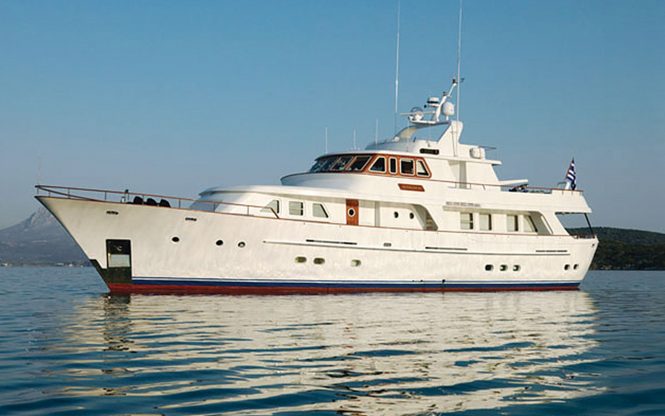
In the high-stakes, fast-paced world of luxury maritime tourism, the obsession with brand-new, freshly delivered superyachts has long dominated headlines. However, the recent international boat show circuit and industry gatherings have revealed a fascinating paradigm shift. Seasoned brokers, astute charterers, and veteran industry insiders are increasingly turning their backs on the shipyard frenzy, instead championing meticulously maintained and expertly refitted classic charter yachts.
This is not merely a nostalgic retreat into the past, but a sophisticated realignment of luxury values. The modern luxury consumer is discovering that some of the most admired, comfortable, and technically advanced vessels on the water are not fresh from the build sheds, but proven hulls elevated through visionary refits. This growing preference has been officially validated by the introduction of dedicated refit categories at prestigious global yacht awards. These categories celebrate the profound craftsmanship, structural longevity, and irreplaceable soul that these seasoned vessels embody.
Far from being outdated relics, established yachts represent a masterclass in nautical engineering, offering superior spatial volume, unparalleled historical pedigree, and exceptional value for money—all paired with contemporary connectivity and state-of-the-art amenities. For the discerning charterer willing to look past a launch year, these vessels offer an unmatched, authentic maritime experience.
Detailed Chronology & Evolution: The Life Cycle of a Classic Superyacht
To understand the enduring appeal of established charter yachts, one must examine the eras from which they hail. Many of the finest luxury vessels available for charter today were constructed fifteen, twenty, or even thirty years ago. This period coincided with a golden era of custom yacht building, when structural integrity, rugged endurance, and lavish spatial proportions frequently outweighed the pressures of rapid production schedules.
The Engineering Pedigree of the Late 20th Century
Built during an era when shipyards prioritized heavy-gauge steel hulls, thick aluminum superstructures, and timeless exterior silhouettes, these older yachts were engineered to circumnavigate the globe safely and comfortably.
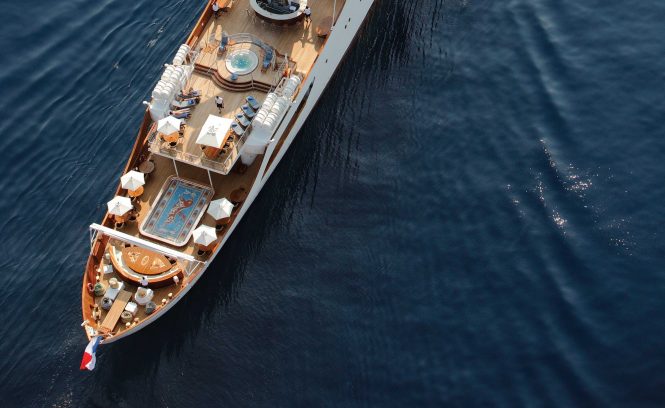
1943 – The Historic Genesis: Vessels like the legendary 99-meter CHRISTINA O prove that true pedigree transcends generations. Originally built by Canadian Vickers as a Canadian frigate, she was transformed under the Onassis dynasty into a floating palace that hosted global royalty, dignitaries, and icons of the 1950s and 60s. Following a massive rebuild in the early 2000s and a comprehensive technical refit in 2022, she continues to command awe with her rising mosaic-floored pool and glamorous lounges.
1963 – Adaptive Re-engineering: The 32-meter TEMPEST WS, constructed by Chantiers Navals De Lesterel in France, began her life as a military patrol boat before undergoing an inspired conversion into a deluxe charter yacht in 2003. Her meticulous updates preserve the retro chic of 1960s styling while seamlessly integrating modern environmental controls, entertainment systems, and fixtures.
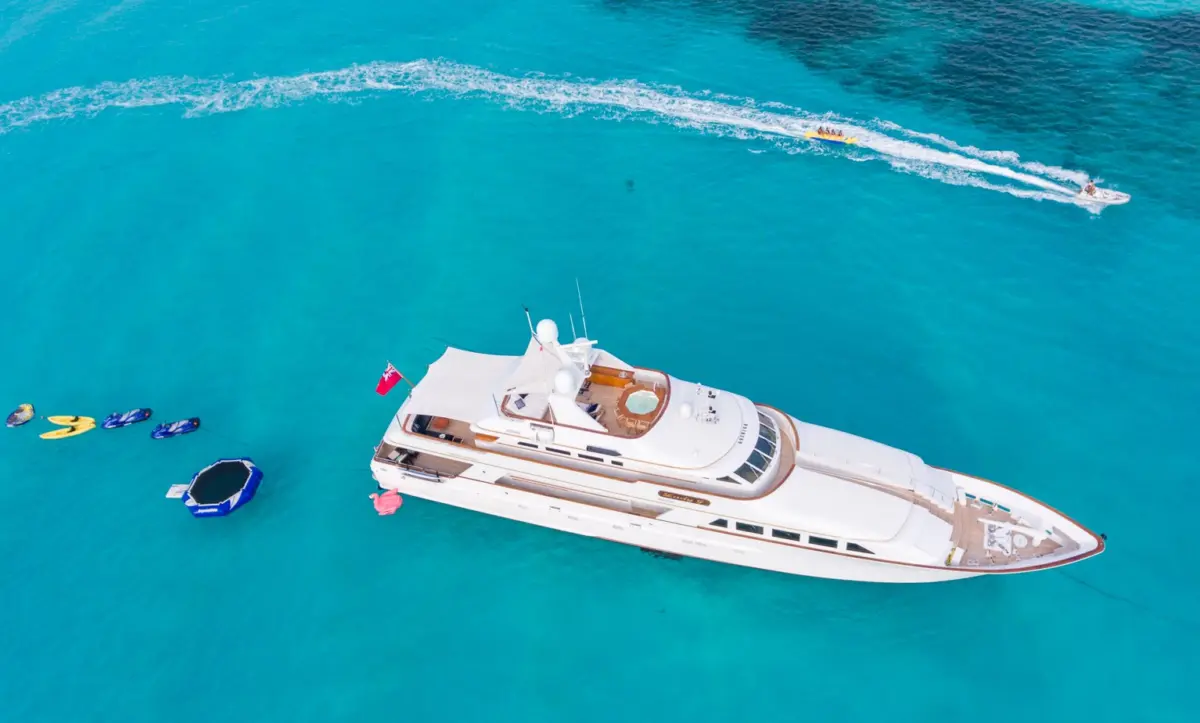
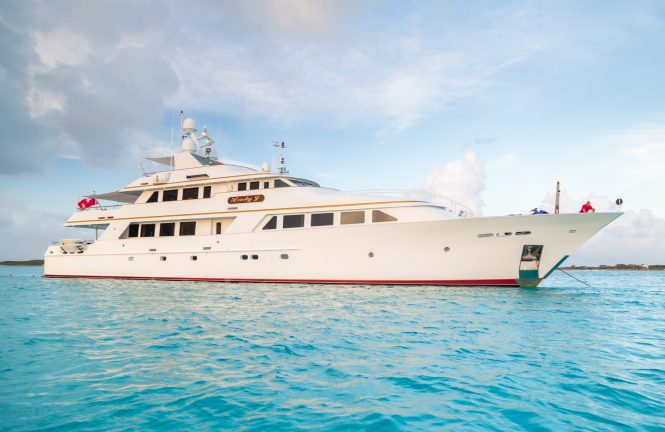
1992 to 1997 – The Golden Age of Custom Dutch and American Builds: Masterpieces like the 38-meter Heesen motor yacht MAGIX (launched in 1992) and the 43-meter Palmer Johnson classic LADY J (launched in 1997) demonstrate the apex of late-century custom manufacturing. These shipyards laid down platforms with structural bones so robust that subsequent owners could easily refresh their interiors multiple times without ever compromising the vessel’s seaworthiness.
The Modern Refit Renaissance
What separates a forgotten older boat from a premier charter yacht is continuous, uncompromising capital investment. Modern owners of seasoned yachts frequently pour millions into multi-year refit programs. These works do not merely update soft furnishings; they gut engineering spaces, install zero-speed stabilization systems, upgrade propulsion to meet modern environmental standards, and integrate lightning-fast Starlink satellite communications.
Today, a yacht built in the 1990s can feature an interior aesthetic that rivals a newly delivered vessel, while retaining the deep, stable hulls and sprawling deck layouts that modern naval architecture rarely replicates due to shifting regulatory and economic constraints.
Supporting Context & Metrics: Value, Space, and Operational Harmony
Choosing an established charter yacht over a brand-new delivery unlocks several distinct advantages that savvy consumers increasingly recognize.
1. Exceptional Space-to-Value Ratio
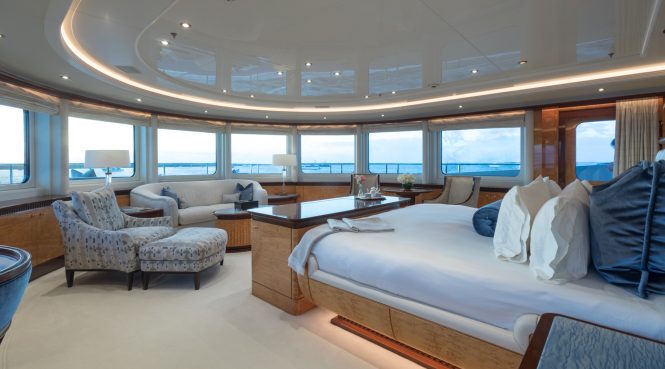
In the contemporary superyacht market, weekly charter rates for brand-new builds carry a steep "novelty premium." Conversely, mature yachts offer a vastly superior volume-to-price ratio. Guests frequently enjoy significantly larger staterooms, wider side decks, expansive saloon areas, and dedicated wellness spaces (such as onboard saunas, gyms, or extensive beach clubs) for a fraction of the charter fee commanded by a newer vessel of equivalent length.
This financial efficiency does not mean a compromise on luxury. For multi-generational families or large groups, the sprawling layouts of classic yachts provide privacy and room to breathe that modern, more densely packed designs often struggle to match.
2. The Power of Crew Longevity
Perhaps the most understated yet critical asset of an established charter yacht is its crew stability. While brand-new yachts often suffer from high crew turnover as captains and stews trial new programs, seasoned charter yachts frequently boast institutional memory.
Operational Harmony: On vessels like the 43-meter LADY J, where the captain has served onboard for over a decade, the crew operates with the seamless synchronicity of a well-rehearsed orchestra. Every mechanical quirk is known, every service flow is second nature, and safety protocols are instinctual.
Deep Local Knowledge: Long-standing captains have spent decades cultivating relationships in hidden Mediterranean coves, secluded Caribbean archipelagos, and remote South Pacific anchorages. Their ability to pivot an itinerary away from crowded tourist hotspots into untouched anchorages transforms a good holiday into an extraordinary journey.
Official Statements & Industry Perspectives
The maritime community is increasingly vocal about the superiority of well-maintained classic tonnage. LJ Houghting, an esteemed Charter Manager overseeing an elite fleet of superyachts, sheds light on the reality behind launch dates:
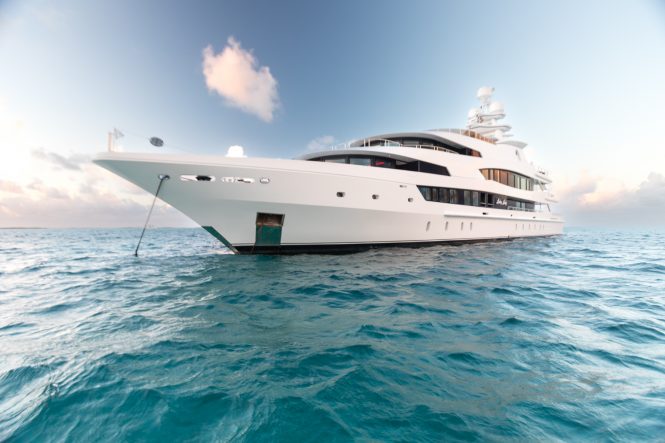
"Often, a yacht’s launch year bears little resemblance to the sophistication of her interiors or the modern comforts she offers today," explains Houghting. "Many of these beautifully seasoned vessels have been continuously refined over the years, blending timeless craftsmanship with contemporary amenities such as Starlink connectivity and state-of-the-art upgrades. What people sometimes overlook is the extraordinary passion their owners have for preserving these classics—investing in them not simply out of necessity, but out of genuine love and admiration for the vessel herself. You can truly feel that devotion the moment you step aboard yachts like the 42m LADY J and the 62m LUCKY LADY."
This sentiment is echoed by charter guests who have dared to venture outside the "new build only" mindset. As one seasoned charterer remarked:
"Many charterers who exclude yachts that are over 20 years old miss the opportunity to stay on the most delightful, comfortable, well-appointed, luxurious pleasure craft."
Industry validation is further underscored by the international awards circuit. Leading refit contenders such as the 43-meter TALIA—led notably by Greece’s sole female charter captain—and the stunning 54-meter SOJO have earned coveted nominations at the World Superyacht Awards. These nominations prove that the global maritime elite recognizes that creative reinvention is just as prestigious as fresh innovation.
Future Outlook: The Path Forward for Sustainable and Soulful Yachting
As the global luxury sector increasingly embraces sustainability, authenticity, and conscious consumerism, the future outlook for established charter yachts has never been brighter.
Building a brand-new, multi-meter superyacht incurs a massive carbon footprint, from the extraction of raw materials to the intensive industrial processes of modern shipyards. By contrast, choosing to charter an established, refitted yacht is an inherently more sustainable choice. It maximizes the lifecycle of existing high-grade materials—steel, aluminum, and rare hardwoods—while supporting the specialized artisans, maritime engineers, and historic shipyards dedicated to preservation.
Furthermore, the fast-moving luxury market is witnessing a fatigue with homogeneous interior designs. Many ultra-modern yachts, constructed under strict production timelines, can occasionally suffer from a sterile, minimalist uniformity. In direct contrast, established yachts offer an unmistakable sense of place, character, and narrative depth.
Whether it is the Italian elegance and sweeping profile of the 45-meter XANA, the Greek market longevity and cozy grace of the 31-meter SUNCOCO, or the legendary cinematic history of the CHRISTINA O, these vessels offer something that money alone cannot buy overnight: a soul.
Conclusion
For the next generation of charterers, the ultimate status symbol is shifting away from simply having the newest toy in the harbor. Instead, true luxury is found in deep comfort, flawless service, historical pedigree, and intelligent value. As the charter market continues to mature, the message from the docks is loud and clear: never judge a superyacht by her launch year alone. Often, the finest voyages belong to those who look back in order to sail forward.