






Executive Overview
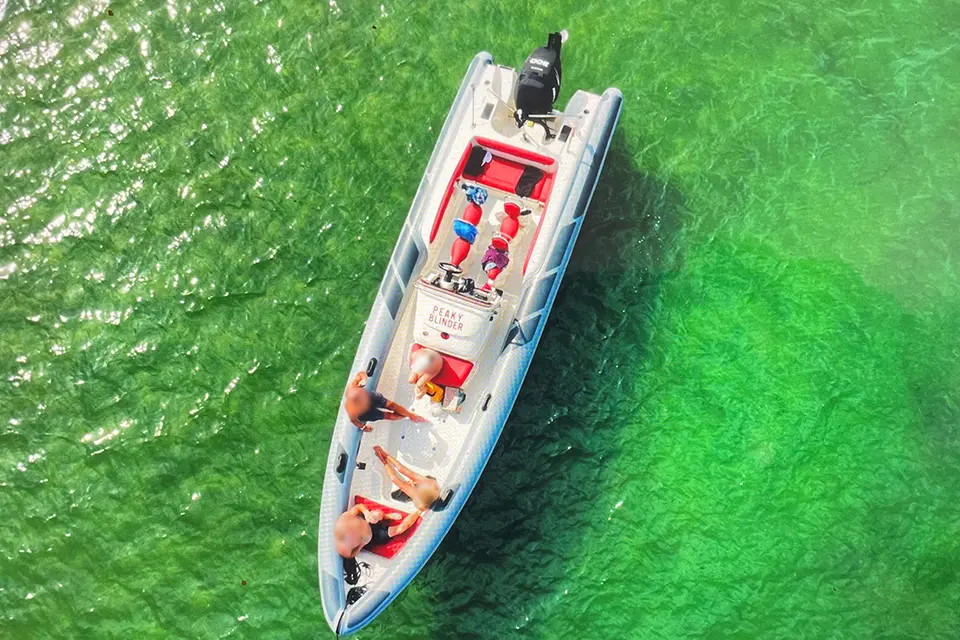
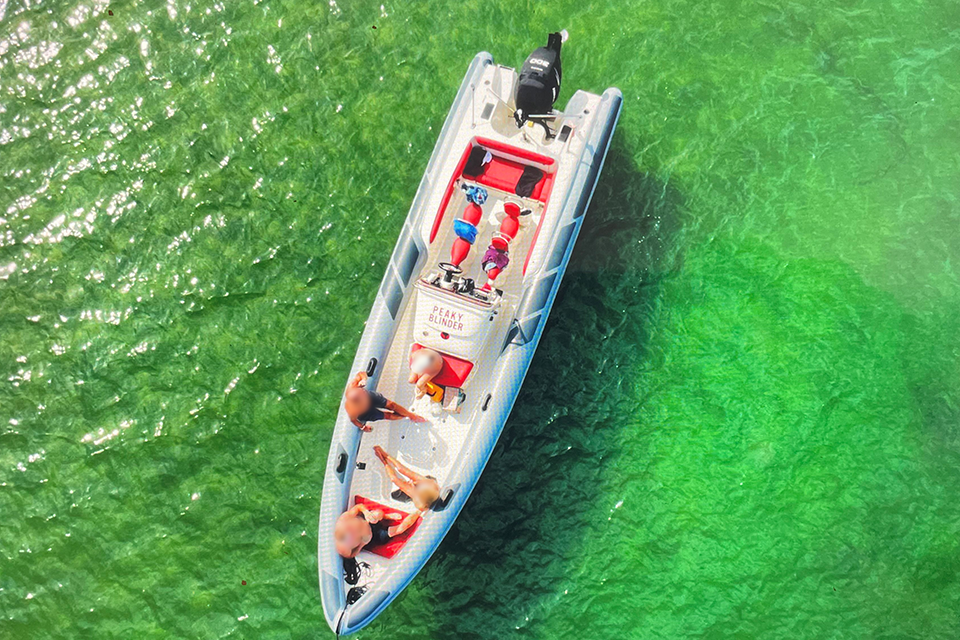
Maritime safety authorities have once again sounded a severe alarm regarding the lax regulatory framework governing recreational boating, following the publication of a harrowing accident investigation report. The Marine Accident Investigation Branch (MAIB) officially released its findings concerning the catastrophic allision of the rigid inflatable boat (RIB) Peaky Blinder with a stationary navigation beacon in Portsmouth Harbour, England.
The high-impact collision, which occurred on August 14, 2025, resulted in the immediate and tragic loss of two lives, plunging the local maritime community and the victims’ families into profound grief. More critically, the official inquiry has laid bare a disturbing underlying factor: the undeniable and pervasive role of alcohol consumption in marine recreational accidents.
Rob Loder, the Chief Inspector of Marine Accidents, did not mince words in his assessment of the tragedy. Highlighting the stark parallels between maritime laxity and strict highway laws, Loder issued a poignant call to action regarding the introduction of statutory alcohol limits for recreational boaters—a long-standing recommendation that has repeatedly faced legislative inertia.

This investigative feature examines the mechanics of the Portsmouth Harbour disaster, evaluates the systemic vulnerabilities exposed by the MAIB report, explores the broader socioeconomic and regulatory contexts of marine safety, and assesses whether this tragedy will finally force lawmakers to address the blind spots in modern maritime governance.
Detailed Chronology: The Final Voyage of the Peaky Blinder
To understand how a routine recreational excursion turned into an unmitigated disaster, investigators had to meticulously reconstruct the final hours, minutes, and seconds of the Peaky Blinder and its occupants on August 14, 2025.
The Backdrop of the Voyage
Portsmouth Harbour is one of the United Kingdom’s busiest and most strategically vital maritime hubs. Accommodating everything from massive Royal Navy aircraft carriers and commercial cross-channel ferries to a dense ecosystem of small private leisure craft, sailing dinghies, and high-powered RIBs, the harbour requires unyielding situational awareness, adherence to local bylaws, and precise navigation.
On the afternoon of August 14, weather conditions were deemed generally fair, offering good visibility across the Solent approaches and the inner harbour. The Peaky Blinder, a high-performance rigid inflatable boat known for its agility, speed, and maneuverability, was operating within these complex waters. RIBs of this class are exceptionally popular among thrill-seekers and leisure boaters due to their capability to achieve high speeds rapidly. However, this very performance profile leaves little margin for error when combined with impaired operational judgment.
The Fatal Sequence
As daylight began to wane or under clear afternoon conditions—details emphasized in the comprehensive technical timeline—the Peaky Blinder transitioned through the harbour channels. According to the MAIB’s reconstruction, the vessel deviated from safe navigational practices, moving at an unsafe speed relative to the congested and hazard-strewn environment of the inner harbour.
The climax of the voyage occurred with devastating swiftness. Without executing any apparent evasive maneuvers or deceleration, the Peaky Blinder struck a solid steel-and-concrete navigation beacon head-on. In a high-speed allision—the nautical term for a moving vessel striking a stationary object—the kinetic energy transfer is catastrophic. The rigid hull absorbed the brunt of the impact, but the deceleration forces exerted upon the occupants were immense, leading to fatal traumatic injuries.
Emergency services, including the Portsmouth RNLI lifeboats, Hampshire Constabulary marine units, and local harbour master patrol vessels, responded with commendable speed to the distress reports. Despite rapid extraction, medical triage, and subsequent transfer to regional trauma centers, two individuals succumbed to their injuries. The physical wreckage of the Peaky Blinder was towed away for forensic analysis, leaving behind a scarred navigation marker and a community grappling with shock.
Supporting Context & Metrics: The Perils of Intoxication on the Water
While mechanical failure, environmental obstructions, and momentary distractions are frequent contributors to maritime incidents, the MAIB report on the Peaky Blinder places human factors—specifically alcohol impairment—under intense scrutiny.
The Science of Impairment Afloat
Driving a car under the influence of alcohol is universally recognized as a reckless and criminal act. Yet, the legal landscape surrounding the operation of leisure watercraft remains remarkably murky.
Waterborne environments present unique challenges that exacerbate the intoxicating effects of alcohol. Known collectively in maritime physiology as "boater’s hypnosis" or the stressors of the marine environment, the combination of:
- Continuous solar radiation (sun glare),
- Constant wave-induced motion and vibration,
- Wind noise and engine roar, and
- Dehydration caused by salt spray and wind,
…accelerates fatigue and amplifies the physiological impact of alcohol. Even small amounts of alcohol, which might leave a driver legal on the roads, can severely degrade a skipper’s balance, reaction time, depth perception, and cognitive processing speed while navigating a fast-moving vessel.
A Regulatory Vacuum
In commercial shipping, strict blood-alcohol concentration (BAC) limits are enforced globally under the STCW (Standards of Training, Certification and Watchkeeping) conventions and national legislation like the UK’s Railways and Transport Safety Act 2003 (which sets a limit of 0.02% BAC for professional commercial mariners and port pilots).
However, for the operator of a private recreational vessel—such as the skipper of the Peaky Blinder—no equivalent national statutory limit exists in England and Wales unless the operator is visibly "impaired to such an extent as to be incapable of taking proper control." Proving this legal threshold post-accident is notoriously difficult, creating a regulatory vacuum that safety advocates have criticized for decades.
Official Statements and Institutional Responses
The release of the MAIB accident report has triggered widespread discussions across the maritime industry, law enforcement agencies, and government departments. The authoritative voice of the branch serves not only to apportion accountability but to guide legislative reform.
Chief Inspector Rob Loder’s Diagnostic Critique
In his formal commentary accompanying the report, Chief Inspector Rob Loder did not pull punches. His words reflect a growing frustration within marine safety organizations over the slow pace of legal reform:
"It is well understood that consumption of alcohol results in an elevated risk of having an accident. The introduction of alcohol limits for recreational boaters has been the subject of previous MAIB recommendations. It is to be hoped that action will now be taken, such that fatal accidents in which excessive alcohol consumption is a contributing factor become a thing of the past."
Loder’s statement underscores a crucial institutional frustration: the MAIB is an investigative body, not a legislative one. It possesses the statutory authority to investigate accidents and issue recommendations to the government, the Maritime and Coastguard Agency (MCA), and industry stakeholders, but it lacks the power to unilaterally enact laws. For years, the MAIB has flagged the dangers of recreational boating under the influence, only for its recommendations to languish in bureaucratic review cycles.
Industry and Community Reactions
Local maritime associations in Portsmouth, alongside national bodies like the Royal Yachting Association (RYA) and British Marine, have responded to the report with measured reflection. While the recreational boating community overwhelmingly supports safe practices and responsible seamanship, the debate over mandatory statutory limits versus voluntary codes of conduct has long divided stakeholders.
Proponents of statutory limits argue that voluntary guidelines are failing to protect reckless individuals from themselves and innocent passengers from harm. Conversely, traditionalists have historically raised concerns regarding the enforcement logistics of policing vast coastal waters and inland waterways. However, tragedies like the Peaky Blinder allision are increasingly shifting public consensus toward the necessity of clear, enforceable legal boundaries.
Future Outlook: Charting a Safer Course for Recreational Boating
As the ink dries on the MAIB’s Peaky Blinder report, the critical question remains: Will this tragedy finally serve as the catalyst for meaningful legislative change?
The Path to Legislative Reform
The momentum for introducing statutory alcohol limits for recreational boaters has gained significant renewed traction. Lawmakers in Westminster are facing mounting pressure from safety campaigners, bereaved families, and marine safety officials to amend existing transport legislation.
Key areas targeted for reform include:
- Establishment of a Fixed BAC Threshold: Aligning recreational boating limits with the driving limit (or the stricter commercial maritime limit of 0.02% or 0.05%), making it an explicit offense to operate a pleasure vessel above a specific blood-alcohol concentration.
- Empowering Law Enforcement: Equipping marine police units and harbour masters with the statutory powers to administer roadside-style breathalyzers to vessel operators suspected of operating under the influence without needing to first prove overt impairment.
- Enhanced Public Awareness Campaigns: Launching national educational initiatives targeting coastal communities, yacht clubs, and boat rental agencies to demystify the dangers of combining alcohol with high-speed water sports.
Technological and Cultural Shifts
Beyond legislation, the maritime community must foster a cultural shift. Just as designated driving has become a deeply ingrained social norm over the last half-century, the concept of a "designated skipper"—a completely sober operator responsible for the safe return of a recreational vessel—must become the gold standard of modern boating culture.
Modern RIBs and leisure craft are becoming increasingly powerful, accessible, and technologically advanced. With this democratization of speed comes an elevated personal and collective responsibility. Navigation beacons, channel markers, and breakwaters will always remain fixed hazards in dynamic marine environments; it is the human element that must adapt to ensure these hazards do not become monuments to preventable grief.
Conclusion
The loss of two lives aboard the Peaky Blinder in Portsmouth Harbour is a stark, heartbreaking reminder that the water commands absolute respect. The MAIB’s comprehensive investigation has shone an uncompromising light on the lethal cocktail of high-speed navigation and alcohol impairment. As Chief Inspector Rob Loder poignantly emphasized, the tools to prevent these tragedies are well-known. It is now up to lawmakers, regulators, and the boating community to ensure that the lessons learned from this disaster are translated into decisive, life-saving action.