



Executive Overview
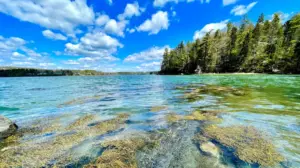
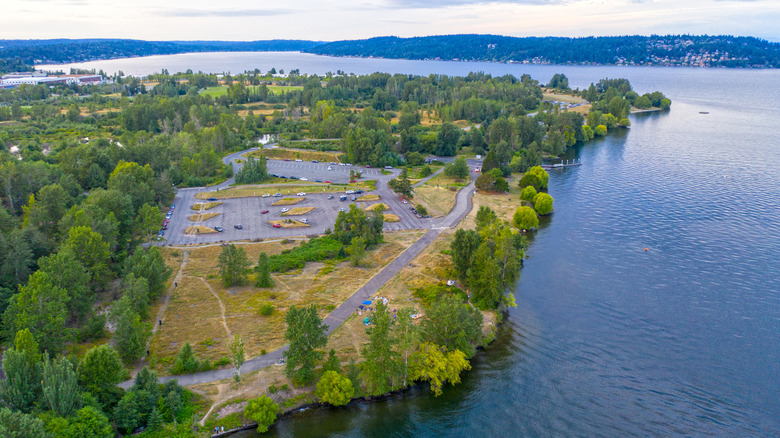
Nestled along the shimmering western shores of Lake Washington lies a sprawling urban sanctuary that bridges the gap between Pacific Northwest natural beauty and historic military infrastructure. Warren G. Magnuson Park, spanning an impressive 350 acres on the Sand Point peninsula, stands today as Seattle’s second-largest public green space—surpassed only by the 560-acre Discovery Park.
However, beneath the canopy of deciduous and evergreen trees, the network of serene walking paths, the bustling off-leash dog areas, and the sandy stretches of its seasonal swimming beach lies a fascinating past. Long before it was a haven for weekend picnickers, runners, and dog walkers, Magnuson Park was the Sand Point Naval Air Base—a strategic military installation whose runways and hangars played a pivotal role in American aviation history, most notably as the launch point for the historic first aerial circumnavigation of the globe.
Today, this dynamic landscape serves as a premier destination for recreation, community programming, and historical exploration. Located roughly 20 minutes northeast of downtown Seattle, the park successfully balances its industrial aviation heritage with ecological restoration projects, public art installations, and modern recreational amenities. As urban centers across the United States increasingly seek innovative ways to repurpose decommissioned federal lands, Magnuson Park stands out as an enduring model of successful adaptive reuse.
Detailed Chronology: From Indigenous Grounds to Naval Base and Public Park
The transformation of the Sand Point peninsula spans over a century of profound geopolitical, environmental, and social shifts. To understand modern Magnuson Park, one must trace its journey through distinct historical epochs.
Pre-Military Era and Indigenous Stewardship
Long before the arrival of European settlers, the shores of Lake Washington were inhabited by Coast Salish peoples, specifically bands of the Duwamish Tribe. The Sand Point area—named for its distinct geological formation jutting into the lake—served as a rich harvesting ground for fishing, foraging, and seasonal encampments. The abundant waters of Lake Washington provided a steady supply of salmon and other aquatic resources, anchoring generations of Indigenous communities to the local ecosystem.
The Aviation Epoch: The Sand Point Naval Air Base (1920s–1970)
The modern footprint of the park began to take shape following World War I. Recognizing the strategic value of the flat, expansive peninsula on Lake Washington, the federal government acquired the land to establish the Sand Point Naval Air Station.
- 1924 – The Around-the-World Flight: Sand Point’s most significant historical claim to fame occurred on April 6, 1924. Four Douglas World Cruiser aircraft took off from the airfield on a grueling, historic attempt to circumnavigate the globe by air. Two of the planes, the Chicago and the Boston, successfully completed the 27,534-mile journey, returning to Sand Point on September 28, 1924, after 175 days. This monumental aviation milestone cemented the base’s place in global aviation history.
- World War II and the Cold War: Throughout World War II, the base expanded significantly, serving as a vital training and logistical hub for naval aviators. During the post-war era and the Cold War, the facility continued operations, housing various naval reserve units, supply depots, and administrative offices until military downsizing rendered the airfield obsolete.
Transition to Public Ownership and Renaming (1970–1977)
By the late 1960s, the U.S. Navy began phasing out operations at Sand Point, declaring portions of the land surplus property. Recognizing a rare opportunity to secure a massive waterfront green space for a rapidly growing Seattle, local civic leaders, conservationists, and politicians lobbied aggressively for public acquisition.
A central figure in this legislative battle was U.S. Senator Warren G. "Maggie" Magnuson, who played an instrumental role in securing the federal funds and administrative approvals necessary to transfer the land to the city of Seattle. Initially dubbed Sand Point Park, the property was officially renamed Warren G. Magnuson Park in 1977 to honor the Senator’s tireless advocacy for public recreation and conservation.
Supporting Context & Metrics
Magnuson Park is not merely a passive green space; it is a complex, multi-use urban ecosystem supported by substantial physical infrastructure and community-oriented programming.
Geographical and Recreational Metrics
- Total Acreage: 350 acres, making it Seattle’s second-largest park.
- Trail Network: More than 4 miles of paved and unpaved multi-use trails, including the Frog Pond-Wetlands Path, the Beach Walk, the Cross Park Trail, and the Wetlands Trail.
- Lake Washington Shoreline: Features miles of accessible waterfront, boat launches, and a designated seasonal swimming beach.
- Accessibility: Located 20 minutes northeast of downtown Seattle, featuring multiple free parking lots distributed strategically across the park to ensure barrier-free access to its various zones.
Natural Features and Ecological Restoration
A significant portion of Magnuson Park’s 350 acres has been dedicated to ecological restoration. The park features robust wetland areas, notably the Promontory Point and wetland mitigation sites designed to filter urban runoff before it reaches Lake Washington. These habitats attract a diverse array of local wildlife, turning the park into a premier destination for bird watchers and nature enthusiasts within the metropolitan area.
Community Amenities
Magnuson Park functions as a neighborhood anchor, offering a diverse array of facilities:
- The Swimming Beach: Open seasonally from late June to late August (typically June 27 through August 23), offering lifeguard-supervised swimming, spectacular vistas of Mount Rainier across Lake Washington, and free swimming lessons for children ages six to 16.
- Off-Leash Dog Areas: A widely popular, fully fenced dog park featuring separate enclosures for different-sized dogs, as well as a dedicated water-access area where pets can swim off-leash.
- Recreational Fields & Indoor Spaces: Extensive athletic fields for soccer, rugby, and ultimate Frisbee, alongside repurposed historic hangars and barracks that now host community events, indoor sports, farmers markets, and local businesses.
Architectural Heritage and Public Art
What sets Magnuson Park apart from conventional municipal parks is its unique synthesis of mid-20th-century military architecture and public art.
Historic Architecture
Wandering through the park reveals a stark contrast between natural wetlands and industrial military design. Magnuson Park is home to more than 20 historic buildings dating back to the 1930s and 1940s. These structures prominently display the architectural styles of the era:
- Art Deco Structures: Industrial hangars and administrative buildings exhibit classic Art Deco geometric detailing and robust masonry.
- Colonial Revival Barracks: Situated just north of the main entrance, the former military housing units reflect the Colonial Revival style, providing a fascinating architectural timeline of interwar military expansion.
Public Art Installations
Echoing the cultural integration seen at downtown Seattle’s Olympic Sculpture Park, Magnuson Park weaves artistic expression directly into its natural landscape.
- World Flight Monument: Located near the N.E. 74th Street entrance, this monumental installation commemorates the 1924 around-the-world flight, anchoring the park’s identity in early aviation history.
- Sculptures by Alonzo Victor Lewis: Visitors navigating the trails will encounter works by the acclaimed Pacific Northwest sculptor Alonzo Victor Lewis, celebrated during his lifetime as "Washington’s Sculpture Laureate." His pieces add a layer of classic artistic dignity to the serene, wooded pathways.
Future Outlook
As Seattle continues to experience rapid population growth and urban densification, the value of large-scale open spaces like Warren G. Magnuson Park cannot be overstated. City planners, park administrators, and environmental advocates are continuously looking toward the future to ensure the park remains resilient, accessible, and historically rich.
Climate Resilience and Ecological Management
Future initiatives at Magnuson Park focus heavily on climate adaptation. Urban planners are prioritizing the expansion of the park’s native tree canopy and the enhancement of its stormwater management systems. As Pacific Northwest weather patterns shift, the park’s wetlands will play an increasingly critical role in mitigating urban heat island effects and managing stormwater runoff from adjacent neighborhoods.
Historic Preservation vs. Modern Adaptation
One of the ongoing challenges for Seattle Parks and Recreation is balancing the costly maintenance of aging military infrastructure with the public demand for recreational space. While several historic hangars and buildings have been successfully rehabilitated into community centers, event venues, and breweries, conversations regarding the long-term adaptive reuse of remaining vacant structures continue among city stakeholders.
Expanding Community Access
Efforts are also underway to improve multi-modal transit connections to Magnuson Park. With regional transit expansions improving connectivity across the Puget Sound region, city officials aim to make the park even more accessible via public transit, cycling networks, and pedestrian pathways, reducing reliance on personal vehicles and ensuring that this historic waterfront sanctuary remains open and welcoming to all residents and visitors for generations to come.