











Executive Overview
Marine flares are a cornerstone of maritime safety, acting as a critical lifeline for boaters facing distress situations on the water. However, because these essential safety devices rely on volatile pyrotechnic materials to generate high-intensity light, smoke, and heat, they demand a level of respect and careful management that extends far beyond simply tossing them into a locker. Improper storage can compromise their performance when seconds matter most, while careless disposal methods pose severe environmental, legal, and physical risks.
As regulatory bodies enforce strict compliance regarding visual distress signals, boaters must adopt a proactive approach to safety equipment lifecycle management. This involves understanding the nuanced requirements of flare maintenance—ranging from strategic onboard placement and rigorous inspection protocols to navigating the often-complex landscape of hazardous waste disposal. Furthermore, with the rise of modern alternatives such as electronic visual distress signals, the maritime community is experiencing a paradigm shift in how safety is perceived and executed. This report provides an authoritative examination of marine flare management, equipping vessel operators with the knowledge necessary to protect their crew, comply with regulations, and maintain peak emergency readiness.
Detailed Chronology: The Lifecycle of a Marine Flare
Understanding the trajectory of a marine flare from manufacture to disposal is essential for maintaining onboard safety. The operational timeline of a pyrotechnic distress signal follows a strict, predictable progression that requires vigilance at every stage.
Phase 1: Acquisition and Onboard Integration
The lifecycle begins the moment a flare kit is purchased and brought aboard a vessel. During this initial phase, the primary objective is strategic integration. Boaters must review manufacturer guidelines, verify that the kit complies with U.S. Coast Guard or local regulatory carriage requirements, and establish a dedicated storage location. This location must balance protection from environmental hazards—such as ambient moisture and salt spray—with immediate accessibility during a high-stress emergency.
Phase 2: The Active Service Window
Most marine pyrotechnic flares feature a mandated lifespan, typically expiring 42 months (3.5 years) from the date of manufacture. Throughout this active window, the flare is legally compliant and presumed functional. However, this status is contingent upon continuous maintenance. Periodic inspections at the start of each boating season and prior to extended voyages ensure that the seals remain intact, labels are legible, and no structural degradation has occurred.
Phase 3: Expiration and Transition
Once the expiration date passes, the chemical composition within the pyrotechnic material begins to degrade or become unstable. While some jurisdictions or individual vessel owners consider expired flares useful secondary backups, they no longer fulfill legal carriage requirements. At this critical juncture, expired units must be segregated from active safety gear, clearly marked to prevent confusion during an emergency, and prepared for safe retirement.
Phase 4: Authorized Decommissioning and Disposal
The final phase of the flare’s lifecycle is decommissioning. Because pyrotechnics remain volatile even after expiration, this phase cannot be managed through standard municipal waste streams. It requires active coordination with specialized municipal services, hazardous waste programs, or law enforcement agencies. Safe transportation and adherence to strict handling protocols ensure that the lifecycle concludes without environmental contamination, property damage, or personal injury.

Supporting Context & Metrics: The Science and Hazards of Pyrotechnics
To fully appreciate why marine flares require specialized handling, one must examine the chemistry and mechanics that make them effective. A standard marine red handflare or aerial parachute flare is engineered to ignite rapidly and sustain combustion temperatures exceeding 1,500°F (815°C). Depending on the classification, these devices generate intense luminous output ranging from several thousand to tens of thousands of candelas, alongside chemical byproducts that include corrosive residues and dense smoke.
The Dangers of Chemical Instability
Pyrotechnic compositions typically consist of an oxidizer (such as potassium perchlorate), a fuel, and various colorants or binders. Over time, exposure to fluctuating temperatures, humidity, and vibration can cause microscopic fissures in the fuel grain or weaken the igniter assembly.
When a flare exceeds its expiration date, it does not become benign; rather, it transitions into an unpredictable state. An unstable chemical grain can burn erratically, explode upon ignition, or fail entirely. Consequently, unauthorized disposal methods—such as attempting to burn them in a campfire, soaking them in water, crushing them, or firing them off recreationally—carry catastrophic risks. Firing an expired flare recreationally is not only illegal in many jurisdictions due to the false alarms it triggers for search-and-rescue (SAR) authorities, but it also exposes the operator to severe thermal burns and shrapnel injuries if the casing ruptures.
Regulatory Metrics and Compliance
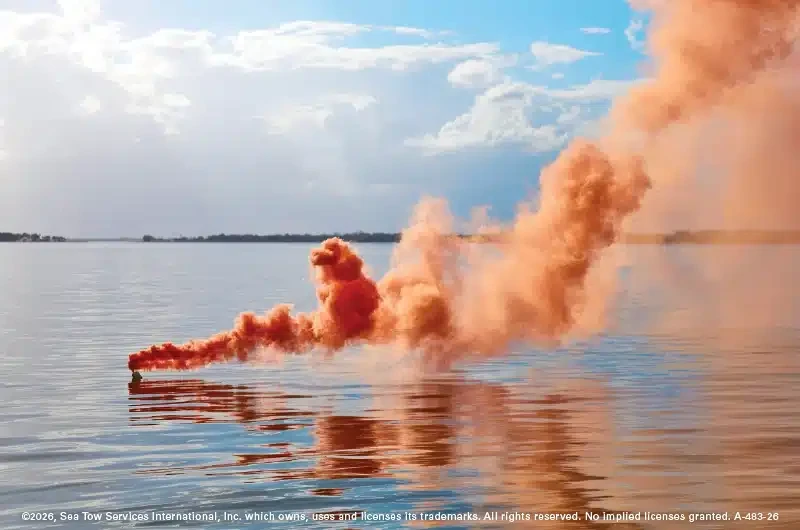
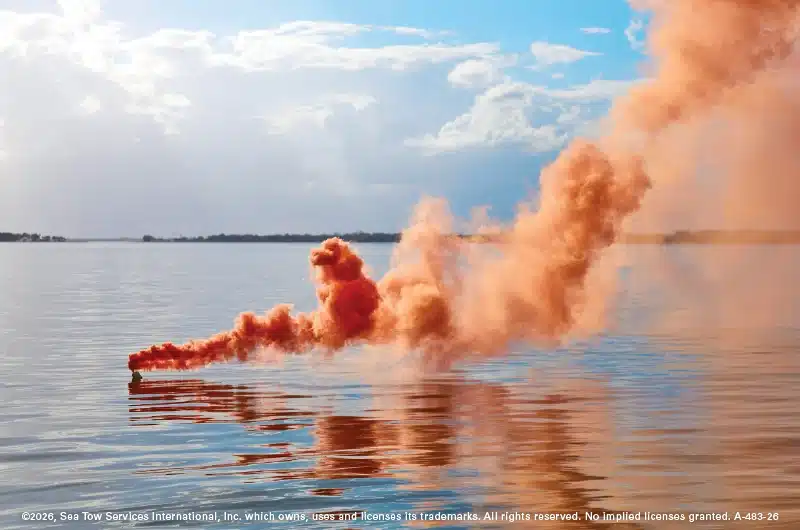
Maritime authorities enforce strict rules regarding visual distress signals. For vessels operating on coastal waters and the Great Lakes, regulations generally require unexpired visual distress signals—both for day use (such as orange flags or daylight smoke signals) and night use (such as red flares)—stored in a readily accessible location. Failure to maintain unexpired, approved signals can result in heavy fines, voyage termination, or, worst of all, a fatal inability to communicate distress to passing vessels or rescue aircraft.
Official Statements and Best Practices
Industry leaders, maritime rescue organizations, and environmental agencies have established clear protocols for managing marine flares. Adhering to these official recommendations ensures maximum safety and legal compliance.
Storage Protocols
The U.S. Coast Guard and organizations like Sea Tow emphasize that storage locations must meet two often-competing criteria: robust protection and rapid accessibility.
- Environmental Shielding: Flares should be housed in water-resistant or waterproof containers that shield them from ambient moisture, spray, and direct sunlight. They must be kept physically isolated from loose tools, heavy gear, batteries, and corrosive cleaning supplies that could puncture or crush the casings.
- Accessibility: Even the most advanced flare kit is useless if trapped beneath heavy gear during an emergency. Crew members must be thoroughly briefed on the exact location of the distress signals.
Comprehensive Inspection Guidelines
Boaters should implement a rigorous inspection checklist at least once per season, prior to long passages, and immediately following any severe weather event or knockdown:
- Expiration Verification: Check the printed dates. If a flare is approaching its expiration month, procure a replacement immediately.
- Structural Integrity: Examine the casing for cracks, dents, swelling, rust, or missing end caps. Any physical deformation warrants immediate retirement.
- Moisture and Corrosion: Look for salt crusts, discoloration of the casing, or damp labels. Moisture intrusion can ruin the propellant powder long before external signs become glaringly obvious.
- Legibility: Ensure instructions and expiration markings remain crisp and easy to read under low-light conditions.
Navigating Disposal Options
Disposing of marine flares remains one of the most challenging administrative hurdles for recreational boaters, largely because municipal waste facilities vary widely in their capabilities.
- Household Hazardous Waste (HHW) Programs: Many county or municipal waste authorities host periodic HHW collection events. Boaters must contact these entities in advance to verify whether pyrotechnics are accepted.
- Law Enforcement and Fire Departments: Certain local fire stations or maritime law enforcement offices occasionally sponsor flare collection drives or possess the containment protocols necessary to safely accept expired units.
- Manufacturer Take-Back Schemes: Some progressive manufacturers and marine retailers offer mail-in or drop-off recycling programs for spent pyrotechnics.
When transporting flares to an approved facility, operators must keep them in their original packaging, secure them against shifting, avoid leaving them unattended in hot vehicles, and strictly respect quantity limits agreed upon with the receiving facility.
Future Outlook: The Rise of Electronic Visual Distress Signals
As technology advances and environmental consciousness grows, the maritime safety sector is witnessing a transformative shift away from single-use pyrotechnics and toward sustainable alternatives.
Electronic Solutions (eVDSDs)
Approved electronic visual distress signals—often utilizing high-intensity LED arrays programmed to flash the internationally recognized SOS distress pattern—are rapidly gaining popularity. Unlike traditional pyrotechnic flares, electronic devices offer significant operational advantages:
- Reusability and Longevity: eVDSDs do not expire in the chemical sense; their lifespan is tied to battery health, which can be easily monitored and maintained.
- Enhanced Safety: They produce no open flame, smoke, or searing hot residue, virtually eliminating the risk of accidental burns or onboard fires.
- Extended Signaling Time: While a traditional handheld flare burns out in a matter of minutes, an electronic signal can operate continuously for hours, providing a reliable beacon over an extended search operation.
Regulatory Adaptations
Navigational authorities increasingly recognize electronic distress signals as meeting carriage requirements, provided they comply with specific standards (such as RTCM standard 13200.0) and are paired with an approved daytime visual signal, such as an orange distress flag bearing the black square and ball motif.
Looking forward, the integration of smart marine electronics, GPS-enabled signaling beacons, and eco-friendly pyrotechnic compositions will continue to redefine the landscape of marine safety. However, until pyrotechnics are entirely phased out, the responsibility remains on the modern mariner to handle, inspect, and dispose of traditional flares with the utmost diligence. By combining meticulous maintenance habits with an openness to modern electronic alternatives, boaters can ensure they remain prepared for any emergency while safeguarding the marine environment they cherish.


