











Executive Overview
In the hyper-connected digital landscape of the mid-2020s, the boundary between reality and synthetic fabrication has eroded to a dangerous degree. For high-end independent properties and global hospitality conglomerates alike, social media platforms have long served as powerful engines of aspiration, discovery, and direct bookings.
However, a sinister new phenomenon has emerged: the proliferation of artificial intelligence-generated viral hoaxes explicitly targeting luxury hotels and resorts.
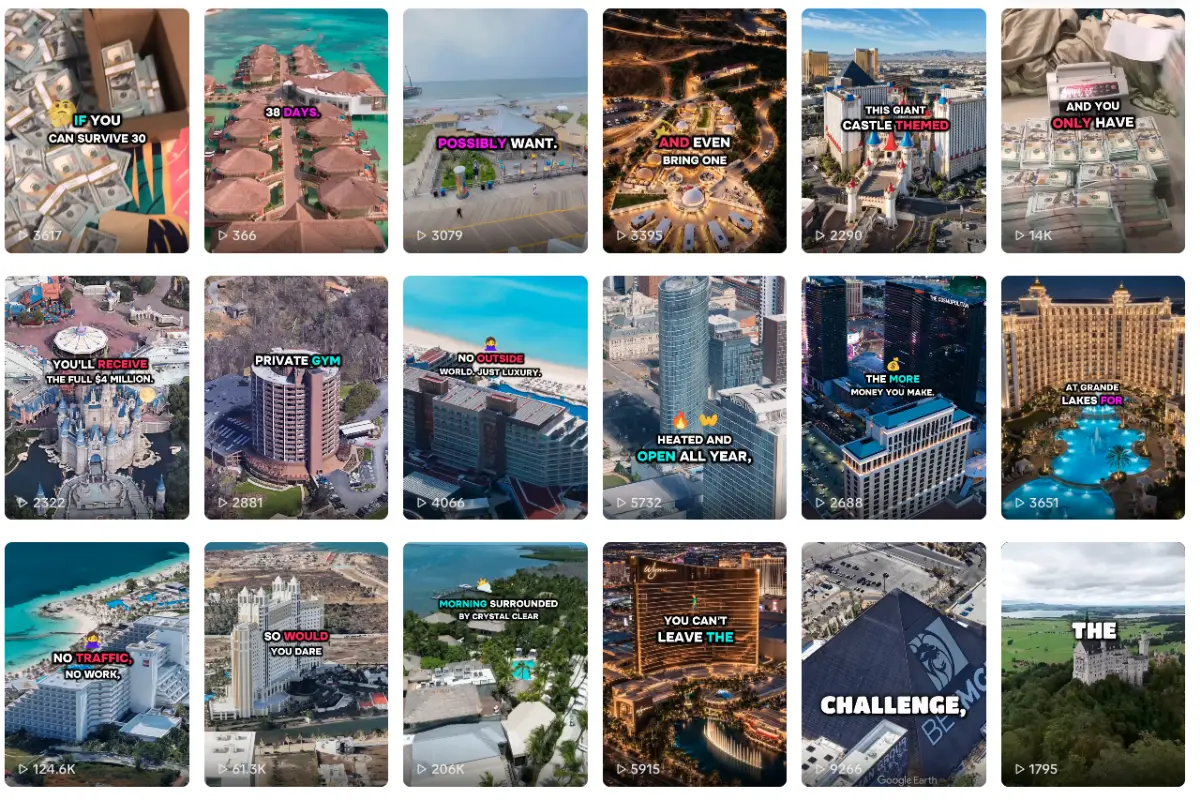
The mechanics of these campaigns are simple yet devastatingly effective. Bad actors utilize advanced text-to-video tools, cloned voices, and generative deepfake imagery to fabricate too-good-to-be-true promotions.
In the case of the Ambiente Sedona, a pristine luxury landscape in the red rocks of Arizona, the premise was a seductive modern-day fable: stay on the resort grounds continuously for 30 days without stepping foot outside its perimeter, and walk away with a life-changing cash prize scaling into the millions.
What began as a spurious video on TikTok rapidly metastasized into a logistical nightmare for property management. Front desk agents found themselves besieged by phone calls; international luxury travel advisors reached out on behalf of eager, confused clients; and prospective guests flooded digital channels demanding to know how to "enroll" in a contest that existed solely in the fevered algorithms of content farmers seeking engagement metrics.
This investigative report examines the Anatomy of the Ambiente Sedona hoax, traces the chronology of a viral disinformation loop, explores the broader socioeconomic and technological context enabling these scams, details the official responses from impacted stakeholders, and projects what this ominous trend means for the future of digital trust in the travel ecosystem.
Detailed Chronology: Anatomy of a Resort Hoax
The timeline of the Ambiente Sedona misinformation wave illustrates how rapidly synthetic media can bypass traditional gatekeepers and weaponize consumer credulity.

Phase One: The Synthetic Genesis (Late September 2026)
The campaign did not originate from a disgruntled former employee or a genuine marketing oversight. Instead, forensic analysis of the initial TikTok uploads points toward automated content farms—entities that leverage generative AI to churn out high-volume, low-effort videos designed strictly to exploit platform algorithms.
Using commercially available AI video generation suites, creators synthesized footage of the Ambiente Sedona, pairing it with robotic or cloned voiceovers and bold, sensationalized text overlays. The core narrative was engineered for maximum virality: a high-stakes endurance challenge promising immense financial rewards for anyone willing to isolate themselves within the luxury confines of the property for one month.
Phase Two: The Front Desk Onslaught (Early October 2026)
The digital fabrication quickly spilled over into the physical world. In early October, the front desk at Ambiente Sedona received its first inquiry. A caller, having ingested the viral TikTok video at face value, dialed the resort to request the official rules, registration forms, and entry requirements for the million-dollar endurance challenge.
Property owner Jennifer May and her operational staff initially treated the call as an isolated quirk—an eccentric traveler misinterpreting a piece of marketing satire or creative fiction.
However, the cadence of disruption quickly accelerated. Over a single weekend, the property logged a flurry of redundant inquiries. Four distinct individuals contacted the front desk specifically to interrogate staff about the non-existent challenge.
Phase Three: The International Spillover
The hoax quickly transcended domestic borders, demonstrating the borderless, high-velocity nature of social media virality. The misinformation campaign reached international travel networks when a prominent luxury travel agency based in South Korea contacted the resort.
The agent reported that "several" high-net-worth U.S. clients had approached the agency expressing serious interest in booking stays specifically to participate in the viral challenge. What started as a low-tier internet prank had successfully infiltrated professional travel intermediaries, threatening to disrupt actual bookings and confuse legitimate clientele.
Phase Four: Public Exposure and Institutional Fatigue
Faced with mounting operational friction, property leadership was forced to divert valuable human resources away from guest services to manage public relations triage. Jennifer May, who had previously locked horns with generative AI platforms over inaccurate visual depictions of her property, found herself once again sounding the alarm.
By detailing the incident publicly, May underscored a terrifying new reality for hospitality executives: properties no longer just have to manage their reputations based on actual guest experiences; they must now actively police and debunk entirely fabricated, algorithmically engineered alternative realities projected onto their brand assets without consent.
Supporting Context & Metrics: The Algorithmic Architecture of Misinformation
To understand why the Ambiente Sedona incident is not an isolated anomaly, one must examine the intersection of generative artificial intelligence, social media platform economics, and modern consumer psychology.
The Rise of Synthetic Travel Content
The accessibility of sophisticated generative tools has democratized media creation, but it has also democratized deception. Bad actors can now generate hyper-realistic video walkthroughs of luxury resorts that do not exist, or overlay false narratives onto real properties with terrifying fidelity.
According to digital forensics experts tracking travel-sector misinformation, AI-generated travel hoaxes have surged by over 300% year-over-year. These scams generally fall into three categories:
- The Phantom Sweepstakes: Fabricated contests offering exorbitant cash or luxury prizes for completing bizarre endurance or isolation tasks at real hotels.
- The Deepfake Celebrity Endorsement: Fictionalized videos of high-profile influencers or billionaires claiming to sponsor all-expenses-paid stays at specific properties.
- The Phantom Property: Entirely fictitious luxury resorts marketed aggressively via social ads, taking deposits from unsuspecting travelers for hotels that physically do not exist.
Platform Economics and the Incentive to Deceive
Why do content creators fabricate these scenarios? The answer lies in the attention economy. Platforms like TikTok, Instagram Reels, and YouTube Shorts reward engagement—views, comments, shares, and watch time—with financial payouts through creator funds or ad-revenue sharing models.
Sensationalized, unbelievable claims ("Win $2 million by staying at this hotel for a month!") naturally trigger high comment volume as users argue in the threads about whether the video is real or fake. Ironically, even the comments pointing out that the video is a hoax feed the algorithm, pushing the content to an even broader audience and magnifying the misinformation loop before platform moderators can intervene.
The Vulnerability of Luxury Hospitality
Luxury resorts are uniquely vulnerable to these campaigns for several reasons:
- High Aspirational Value: Properties like Ambiente Sedona feature stunning architecture, dramatic natural landscapes, and exclusive amenities that naturally capture the human eye, making them prime visual targets for content scrapers.
- The High-End Consumer Profile: Scammers recognize that audiences scrolling through luxury travel content are often primed to think about wealth, exclusivity, and premium experiences, making them more susceptible to narratives involving high-stakes financial payouts.
- Global Reach, Local Operations: Because luxury resorts draw clientele from all over the world, managing the fallout requires round-the-clock, multi-lingual crisis communication capabilities that standard front-desk teams are rarely staffed to handle.
Official Statements and Industry Impact
The fallout from the Ambiente Sedona hoax has sparked urgent conversations among hospitality associations, digital platform regulators, and independent hoteliers regarding the urgent need for defensive measures.
Property Leadership Speaks Out
Jennifer May’s public recounting of the incident serves as a bellwether for an industry waking up to synthetic threats. In statements following the incident, May highlighted the exhausting operational toll exacted by digital falsehoods.
"When people are calling your front desk asking if they can win millions of dollars by locking themselves in a villa for a month, it pulls our team away from what truly matters: delivering an exceptional, authentic experience for our actual guests," industry analysts summarizing the property’s response noted.
May’s previous encounters with AI-generated misrepresentations of her property, combined with this latest sweepstakes hoax, point to a disturbing systemic pattern: bad actors are repeatedly using Ambiente Sedona’s distinctive aesthetic as a canvas for digital fabrication.
The Travel Advisor Dilemma
The involvement of the South Korean travel agency underscores a critical vulnerability in the B2B travel distribution chain. Travel advisors pride themselves on being trusted curators of bespoke experiences. When clients approach them with viral trends seen on social media, advisors are placed in an uncomfortable position: either spend uncompensated time verifying the legitimacy of internet rumors or risk looking uninformed.
The Family and Luxury Travel Association (FLTA) has noted an uptick in inquiries regarding social media-driven travel anomalies. Industry leaders are now urging travel advisors to implement strict verification protocols, ensuring that any promotion or special rate mentioned by a client originates directly from official hotel channels rather than third-party social media feeds.
Future Outlook: Securing the Travel Ecosystem Against Synthetic Threats
As generative artificial intelligence continues to evolve at an exponential pace, the hospitality industry must transition from a reactive posture to a proactive defense strategy. Protecting brands, consumers, and operational integrity from synthetic hoaxes will require a multi-layered approach involving technology, policy, and consumer education.
1. Technological Countermeasures and Watermarking
Tech companies and social media platforms are under mounting regulatory and public pressure to implement robust provenance tools. The adoption of cryptographic content credentials—such as those championed by the Coalition for Content Provenance and Authenticity (C2PA)—will become essential.
Hotels will increasingly look for ways to cryptographically sign their official digital media assets, allowing platforms and consumers to instantly verify whether a video or image associated with a property is authentic or synthetically generated.
2. Proactive Brand Monitoring and Rapid-Response Protocols
Hospitality groups are beginning to integrate advanced AI-driven brand monitoring tools that track not just text mentions, but visual and video content across global social platforms. When a deepfake or false promotion begins to trend, automated alert systems can notify property management within hours, allowing marketing teams to issue preemptive digital corrections before front desk staff are overwhelmed.
3. Clearer Consumer Touchpoints and Direct Communication
Hotels must optimize their digital front doors—their official websites, verified social media handles, and direct booking engines—to make it unequivocally clear what promotions are active. Prominent, easily searchable FAQ sections regarding current offers can intercept confused consumers before they feel compelled to dial the front desk or consult a third-party agent.
4. Regulatory Accountability for Platforms
Ultimately, mitigating the synthetic hoax economy will require legislative action holding social media platforms accountable for the unchecked spread of economically disruptive misinformation. If platforms continue to financially reward engagement driven by fraudulent commercial claims, governments may impose stricter liabilities for failing to moderate AI-generated impersonations and commercial hoaxes.
Conclusion
The strange case of the Ambiente Sedona million-dollar isolation challenge is a cautionary tale for the digital age. It demonstrates that the threats facing modern hospitality no longer stem solely from economic fluctuations or physical weather events, but from the invisible, pervasive currents of synthetic disinformation.
As artificial intelligence grows more sophisticated, the line between aspiration and deception will only blur further. For hoteliers, travel advisors, and travelers alike, the imperative moving forward is clear: cultivate a healthy skepticism toward digital miracles, verify through official channels, and build a resilient defense against an increasingly fabricated world.


