Executive Overview
Nestled mere miles from the Missouri-Kansas border, Webb City, Missouri, stands as a living testament to the enduring American spirit of reinvention. While countless settlements along the legendary 2,200-mile stretch of Route 66 faded into ghost towns or withered into roadside blips after the highway was bypassed by modern interstates, Webb City has carved out a vibrant, modern identity.
Once crowned the "Zinc Capital of the World," this historic 19th-century boomtown has gracefully transitioned from an extraction-driven powerhouse into a bustling cultural destination. Today, its population hovers around 13,459—matching its early-20th-century zenith—while maintaining an authentic small-town charm that draws road-trippers, history buffs, and culture seekers alike. Boasting an entire downtown district listed on the National Register of Historic Places, a thriving year-round agricultural market, a revived slate of community festivals, and a meticulously preserved 1920s Art Deco cinema, Webb City offers an indispensable stop for anyone navigating America’s most iconic highway.
Detailed Chronology: From Miner’s Camp to Route 66 Hub
To understand the architectural splendor and economic resilience of modern Webb City, one must trace a timeline defined by two transformative forces: the discovery of rich mineral deposits in the late 19th century and the birth of the "Mother Road" in 1926.

The 1870s–1910s: The Zinc and Lead Boom
The trajectory of the region shifted forever in the 1870s when John C. Webb discovered rich deposits of zinc and lead on his farmland. What began as a modest rural homestead rapidly metastasized into a frantic mining camp. Prospectors, laborers, and entrepreneurs flooded the area, giving rise to a tent-and-shack settlement that quickly evolved into a permanent municipality.
By the turn of the century, the region was generating unprecedented wealth. Webb City earned the moniker "Zinc Capital of the World," supplying vital industrial metals that fueled America’s rapid industrialization. Fortunes were made overnight, transforming the dusty frontier town into a sophisticated urban center complete with multi-story brick commercial buildings, opulent opera houses, and sprawling Victorian mansions built by wealthy mining barons. By 1910, the local population had surged to approximately 12,000 residents—an impressive tally for an inland Midwestern settlement of that era.
The 1920s–1950s: The Arrival of the Mother Road
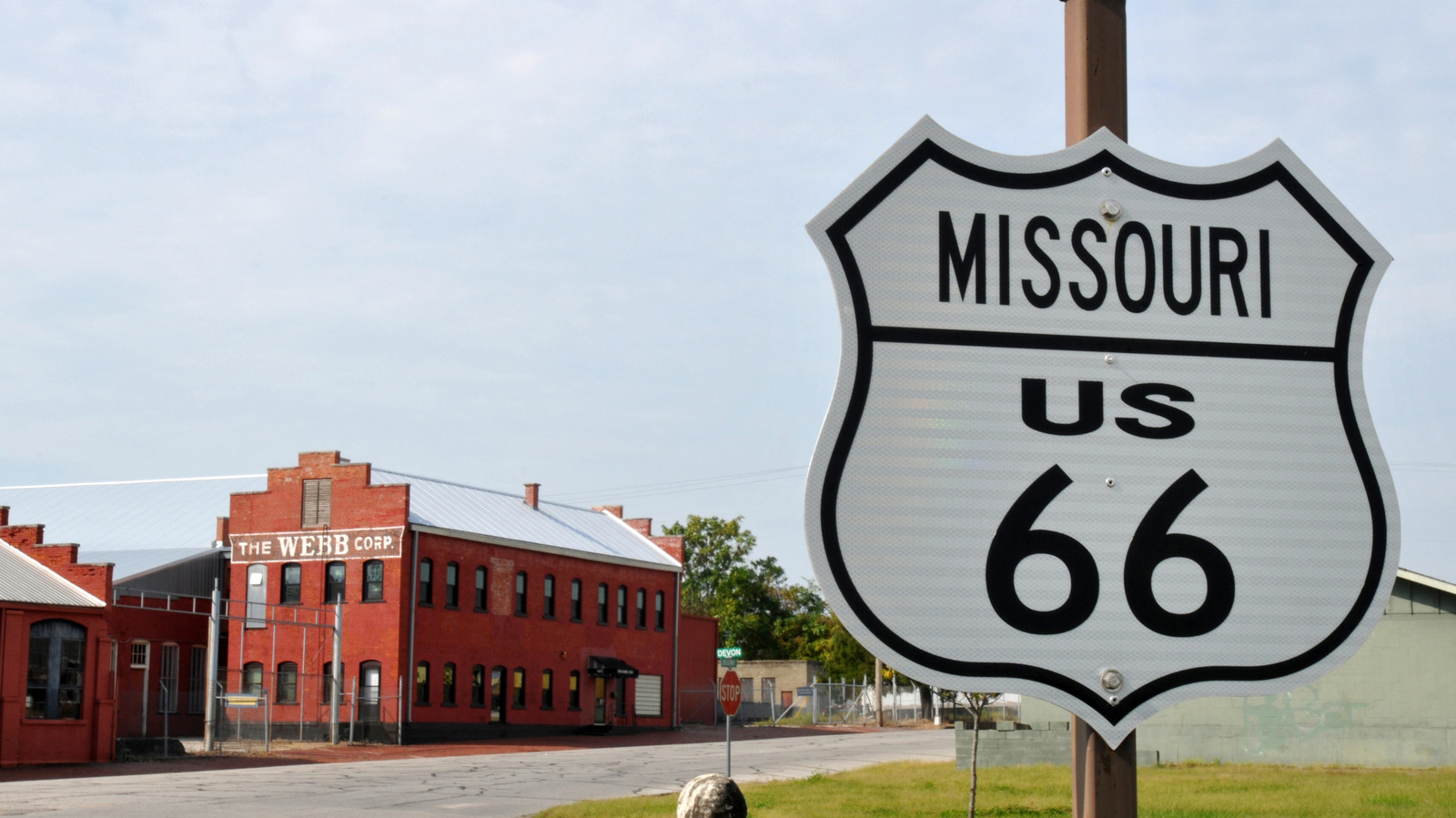
As the underground mineral deposits began to deplete following World War I, the local economy faced an existential threat. However, salvation arrived in tangible, asphalt form with the establishment of U.S. Route 66 in 1926. Cutting directly through the region, the highway injected new economic lifeblood into the community.
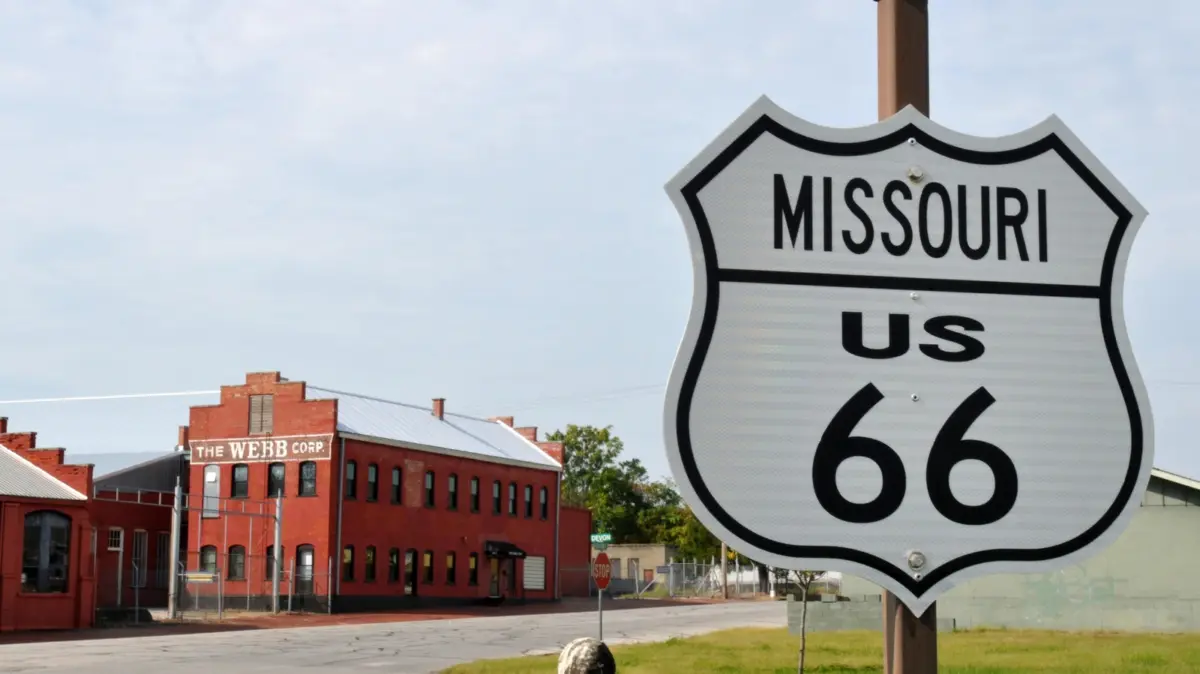
Instead of drying up, Webb City adapted to serve the burgeoning class of American motorists. The town became a crucial waypoint for cross-country travelers, prompting the construction of early motels, diners, and a uniquely prolific collection of automotive service stations. Among these was a historic structure that uniquely combined a federal post office with an operating gas station—a testament to the town’s innovative adaptation to the automotive age.

The Modern Era: Preservation and Cultural Revival
As interstate highways diverted long-haul traffic away from Main Street in the latter half of the 20th century, Webb City experienced the economic lulls familiar to many Rust Belt and Midwestern communities. However, rather than demolishing its architectural legacy, civic leaders and preservationists chose to protect it.
The systematic listing of downtown Webb City on the National Register of Historic Places safeguarded its late-Victorian and early-20th-century commercial buildings. In recent years, local investments have breathed new life into these historic spaces, culminating in the revival of community traditions, the restoration of landmark properties, and an intentional embrace of heritage tourism centered around the upcoming Route 66 Centennial.
Supporting Context & Metrics
Evaluating Webb City’s contemporary position reveals a stable, growing Midwestern municipality strategically situated within a dynamic regional tourism corridor.
Demographic and Geographic Snapshot
- Current Population: Approximately 13,459 residents (U.S. Census Bureau estimates), reflecting a steady baseline comparable to its 1910 historical peak of 12,000.
- Geographic Proximity: Located just 7 miles from the arts-centric city of Joplin, Missouri, and less than 5 miles from Joplin Regional Airport (JLN).
- Regional Connectivity: Situated roughly 75 miles west of Springfield, Missouri—the largest metropolitan hub within a two-hour radius—and less than a two-hour drive from the outdoor recreation and entertainment mecca of Branson in the Ozark Mountains.
Architectural Heritage and Preservation Metrics
- National Register Status: Virtually the entire commercial core of downtown Webb City is protected under the National Register of Historic Places.
- Building Typology: The urban landscape is characterized by red-brick masonry structures topping out at two to three stories, primarily constructed between the 1880s and the 1940s.
- Landmark Properties: Notable historical assets include:
- The Middle West Hotel: Originally opened in 1883 as an elite local opera house before its adaptive reuse as a hotel.
- Aylor House and Webb Mansion: Exemplars of turn-of-the-century opulence built during the height of the mining boom.
- The Route 66 Welcome Center: Housed within a restored 1950s-era filling station, serving as an informational hub for travelers.
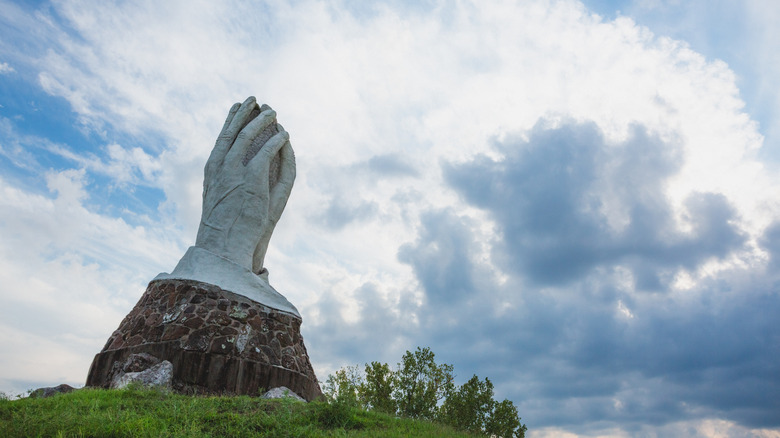
- The "Praying Hands" Monument: A striking, locally sculpted art piece erected in King Jack Park during the early 1970s, representing the town’s mid-century cultural output.
Official Statements and Civic Perspectives
Local leaders, regional tourism boards, and historic preservation advocates have increasingly emphasized the synergistic relationship between historical preservation and economic vitality.
Civic planners in Jasper County note that heritage tourism serves as the primary engine for small business growth along this stretch of Route 66. "When travelers step off the interstate and onto our brick-paved streets, they aren’t just looking for a photo opportunity; they are seeking an authentic connection to America’s past," stated a representative from the regional tourism coalition. "Webb City delivers that connection through tangible preservation—from our storefronts to our community-driven markets."
Furthermore, organizers behind the town’s cultural revivals point to community engagement as the cornerstone of their success. The restoration of long-dormant traditions—such as the late-summer Mining Days Festival, which returned after a two-decade hiatus—demonstrates a unified municipal commitment to honoring industrial roots while welcoming a new generation of visitors.
Future Outlook: The Route 66 Centennial and Beyond
As the United States approaches the historic 2026 Centennial of Route 66, Webb City is uniquely positioned to capture a significant share of heritage tourism revenue. National and international road-trippers are actively seeking out authentic, unvarnished stops that have maintained their mid-century and turn-of-the-century character without succumbing to excessive commercialization.
Initiatives such as the ongoing operations of the single-screen, Art Deco Route 66 Movie Theater—which expertly bridges the gap between vintage neon nostalgia and contemporary first-run programming—exemplify the town’s forward-looking preservation model. Similarly, the continuous weekly operation of the Webb City Farmers Market ensures that downtown remains a functional, lived-in community space rather than a static museum exhibit.
For travelers mapping out their next Midwestern excursion, Webb City offers an irreplaceable synthesis of industrial history, architectural grandeur, and vibrant community life. As infrastructure investments and centennial promotions ramp up, this historic zinc capital is poised to shine brighter than ever along the open highway.