











Executive Overview
The United States National Park Service (NPS) oversees more than 85 million acres of federal land, spanning extreme environments, fragile ecosystems, and globally significant historic monuments. From the aquatic wilderness of Biscayne National Park to the rugged peaks of Glacier and the dense urban security perimeter of the Statue of Liberty, the scope of the national park system is immense.
However, managing millions of visitors annually requires rigid regulatory boundaries. While iconic destinations like Yellowstone and Yosemite often rely on ranger patrols rather than airport-style security checkpoints, the prohibition of specific items remains absolute across many federal properties. Failing to understand these regulations can result in immediate confiscation, steep fines, mandatory court appearances, park bans, or even criminal charges.
Understanding what is permitted—and what is strictly barred—is essential for avoiding legal trouble. This report details 11 categories of items that are routinely confiscated, restricted, or outright banned across National Park Service properties, exploring the legal frameworks, safety hazards, and conservation imperatives that dictate these policies.
Detailed Chronology: The Evolution of Park Enforcement and Restricted Gear
For decades, the standard visitor ethos of national parks was simple: "Leave only footprints, take only pictures." Yet, as visitor numbers have surged into the hundreds of millions annually, technological advancements and shifting recreational habits have forced the NPS to tighten compendiums and park-specific regulations.
- The Security Shift (Post-2001): High-traffic, geopolitically sensitive sites like the Statue of Liberty, Ellis Island, and the Gateway Arch introduced strict federal checkpoint screenings. The definition of prohibited items expanded drastically to mirror aviation security standards.
- The Technological Disruption (2010s–Present): The mainstream commercialization of uncrewed aerial systems (drones), high-powered handheld spotlights, and all-terrain vehicles necessitated sweeping national bans to protect wildlife and preserve acoustic and visual wilderness.
- The Environmental Crusades (Recent Years): Increased awareness of invasive species and microplastic pollution led to widespread prohibitions on imported firewood, helium balloons, and non-certified outdoor gear, shifting park enforcement toward active habitat preservation.
Supporting Context & Metrics: The 11 Prohibited Items
1. Weapons and Firearms
The legal status of weapons within national parks is nuanced, creating frequent confusion among travelers. At high-security federal monuments like the Statue of Liberty, the definition of a weapon is comprehensive: firearms, tasers, replica weapons, and martial arts gear are entirely banned. There are no lockers provided, and security personnel will seize unauthorized items immediately.
In wide-open natural parks, however, federal law permits visitors to carry firearms if they possess a legal right to do so under applicable state and federal laws. Despite this, federal statutes strictly prohibit fully automatic weapons, short-barreled shotguns, and assault-style firearms (such as AR-15s) in states where they are illegal. Furthermore, firearms are permanently banned inside all federal facilities, including visitor centers and ranger stations, and can never be discharged.

2. Drones and Uncrewed Aircraft Systems
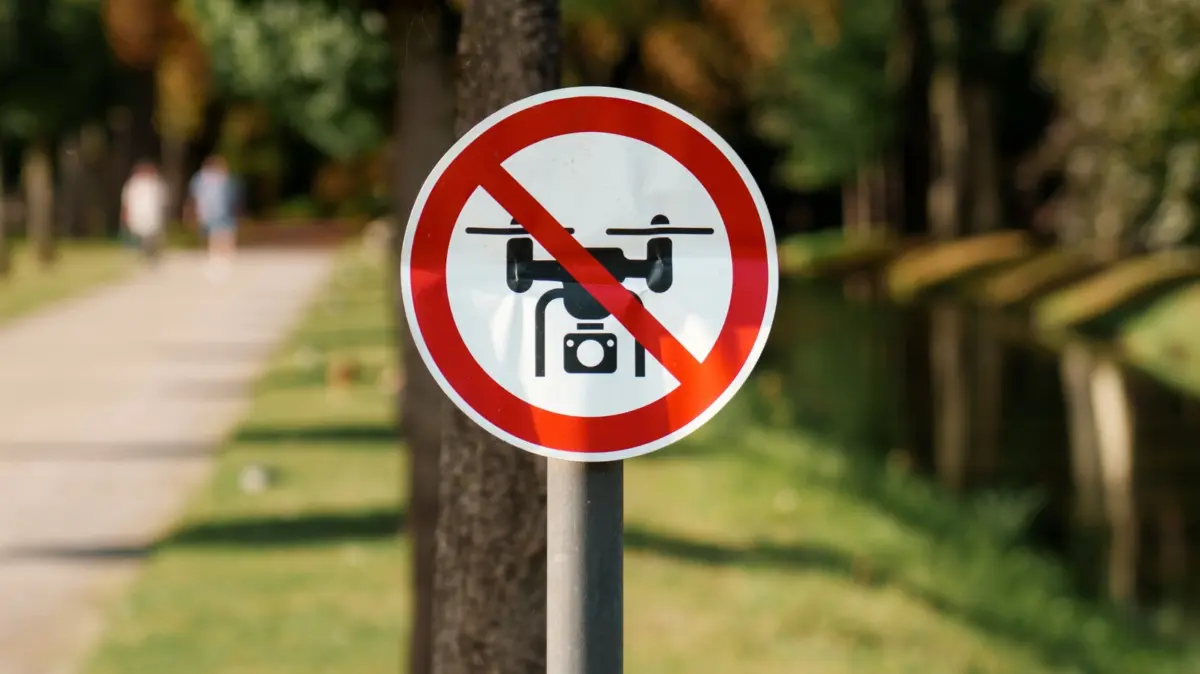
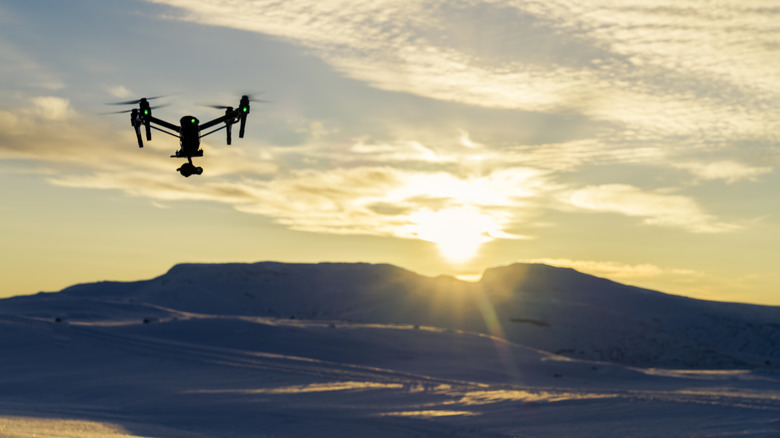
The pursuit of cinematic social media footage has made drones a primary target for park rangers. The NPS enforces a blanket prohibition on operating uncrewed aircraft systems (drones) across all land and water boundaries.
The rationale is threefold:

- Wildlife Protection: Drones frequently harass foraging or nesting animals. Incidents involving operators flying dangerously close to grizzly bears and their cubs in Yellowstone have sparked widespread outrage.
- Acoustic Conservation: The high-pitched, buzzing noise profile of drones shatters the natural soundscape, violating the contemplative experience of other visitors.
- Safety and Environmental Hazards: Drones frequently crash into fragile, protected zones, such as Yellowstone’s Grand Prismatic Spring.
Note: Simply possessing a drone packed inside a vehicle during a road trip is typically allowed, but operating one will result in immediate seizure and heavy fines.
3. Balloons and Kites
While balloons may seem harmless at celebratory gatherings, their environmental impact is devastating. A study conducted at Saguaro National Park discovered the remnants of nearly 17,000 degraded balloons scattered across cacti and rocky terrain. Helium balloons frequently get ingested by wildlife or entangle nesting birds. Consequently, releasing balloons is banned across all NPS properties, with some locations—such as Joshua Tree National Park—banning inflated balloons entirely.
Kites occupy a gray area. While permitted in wide-open, non-sensitive areas (like Acadia National Park under optimal conditions), they are strictly prohibited at historical monuments and temporarily banned on coastal beaches during shorebird nesting seasons to protect vulnerable species like the piping plover.
4. Controlled Substances, Including Marijuana
Federally managed lands adhere strictly to federal law. While recreational and medical marijuana has been legalized across numerous states, it remains classified as a Schedule I controlled substance under federal law due to its THC content.
Possessing, consuming, or distributing marijuana—including edibles, beverages, and concentrates—on NPS property is illegal and subject to federal prosecution. Harder illicit drugs (cocaine, methamphetamine, heroin) result in immediate confiscation, arrest, and severe criminal charges.
5. Fireworks and Explosives
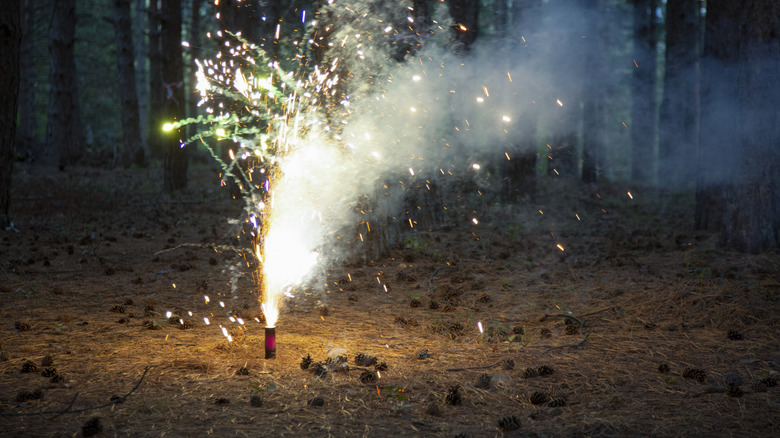
Pyrotechnics of any kind—including sparklers, firecrackers, and small fountain fireworks—are prohibited on all NPS properties. This ban applies to both detonation and mere possession.

According to data from the National Fire Protection Association (NFPA) cited by the NPS, fireworks cause tens of thousands of outdoor and structure fires annually. In arid parks or during peak summer drought seasons, an errant spark can trigger catastrophic wildfires, making zero-tolerance enforcement imperative.
6. Bear Spray
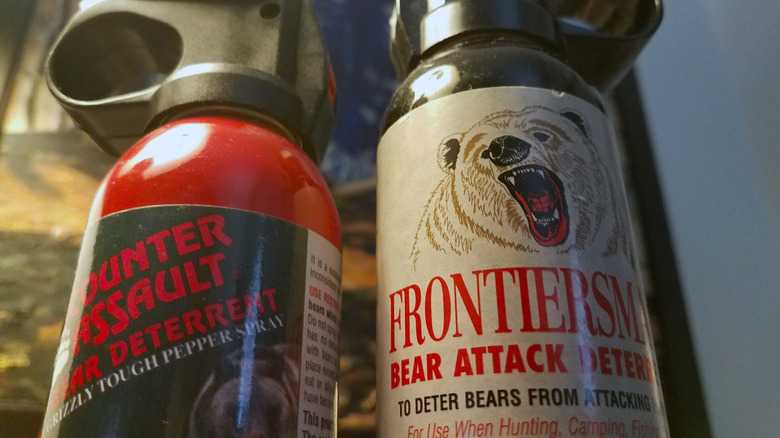
Bear spray presents a geographic paradox: some parks mandate its carry, while others ban it outright.
In California national parks (such as Yosemite, Sequoia, and Kings Canyon), bear spray is classified as a lethal weapon under state law and is prohibited. Because the local black bear population is generally skittish and easily deterred by human noise and posturing, bear spray is unnecessary. Conversely, in grizzly-heavy ecosystems like Glacier, Yellowstone, and Grand Teton, carrying EPA-approved bear spray is strongly recommended. Visitors must research regional wildlife protocols before packing deterrents.

7. Firewood From Home
Transporting untreated firewood across state or regional lines poses a catastrophic threat to North American forests. Invasive pests—such as the emerald ash borer, spotted lanternfly, spongy moth, and goldspotted oak borer—bore deep into timber and remain hidden within raw logs.
Parks with high biodiversity, such as the Great Smoky Mountains, Shenandoah, and Cuyahoga Valley, strictly confiscate and ban imported firewood. Campers must purchase certified, heat-treated firewood locally or within the park boundaries.
8. Marking Instruments and Vandalism Tools
Urban-adjacent national parks featuring security checkpoints, such as St. Louis’s Gateway Arch, carefully screen for items that can be used to deface public property. Spray paint cans, liquid paint containers, chisels, and permanent markers are frequently seized.
The NPS treats vandalism and the defacement of irreplaceable natural and archaeological assets (such as ancient petroglyphs and rock art) with maximum severity. Attempting to carve or tag federal property results in severe felony charges, heavy financial restitution, and potential multi-year prison sentences.
9. All-Terrain Vehicles (ATVs)
While off-road vehicle enthusiasts enjoy exploring rugged terrain, formal national parks (such as Zion and Canyonlands) strictly prohibit ATVs, UTVs, and off-highway vehicles (OHVs) on park roads and trails. Operating an ATV within park boundaries will lead to immediate citation and vehicle impoundment.
Travelers seeking off-road adventures should instead look to adjacent public lands managed by the Bureau of Land Management (BLM) or specific national recreation and monument areas that explicitly designate routes for motorized recreation.
10. Metal Detectors
The Archaeological Resources Protection Act makes looting, excavating, or disturbing federal land strictly illegal. Metal detectors are prohibited in all national parks, and simply possessing one inside a vehicle within park boundaries can draw suspicion and citation.
Unauthorized digging or artifact hunting carries severe penalties, with fines reaching up to $250,000 and prison sentences of up to 10 years for severe cases of site destruction.
11. Handheld Spotlights and Laser Pointers
While standard flashlights and headlamps (emitting up to 1,000 lumens) are necessary safety tools for navigating campsites after dark, high-intensity handheld spotlights (ranging from 1,000 to over 10,000 lumens) are designed for hunting and wildlife harassment. Spotlighting animals or shining laser pointers disrupts nocturnal ecosystems and irritates fellow visitors, making these items subject to confiscation if used improperly.

Official Statements
The National Park Service routinely issues guidance emphasizing resource protection and visitor safety:
"Visitors should not consider firearms as protection from wildlife… Defacing any part of the national park or other public land you visit hurts, and it degrades the experience of other visitors." — National Park Service Official Policy Statements
Conservation researchers echo these sentiments regarding airborne and invasive trash:

"Helium-filled balloons easily get stuck on plants, in nests, or accidentally ingested by animals, transforming celebratory decorations into long-lasting ecological hazards." — Dr. Erin Zylstra, Ecological Researcher
Future Outlook
As climate pressures mount, visitor numbers reach unprecedented highs, and new recreational technologies emerge, the National Park Service faces compounding challenges in balancing public access with resource preservation.
Looking forward, park management frameworks are expected to lean toward even stricter digital monitoring, increased drone-detection technologies, and expanded educational campaigns at entry points. For travelers, the overarching mandate remains clear: thorough preparation, respect for federal boundaries, and a commitment to leave natural wonders untouched are the ultimate prerequisites for experiencing America’s national parks.


