











Executive Overview
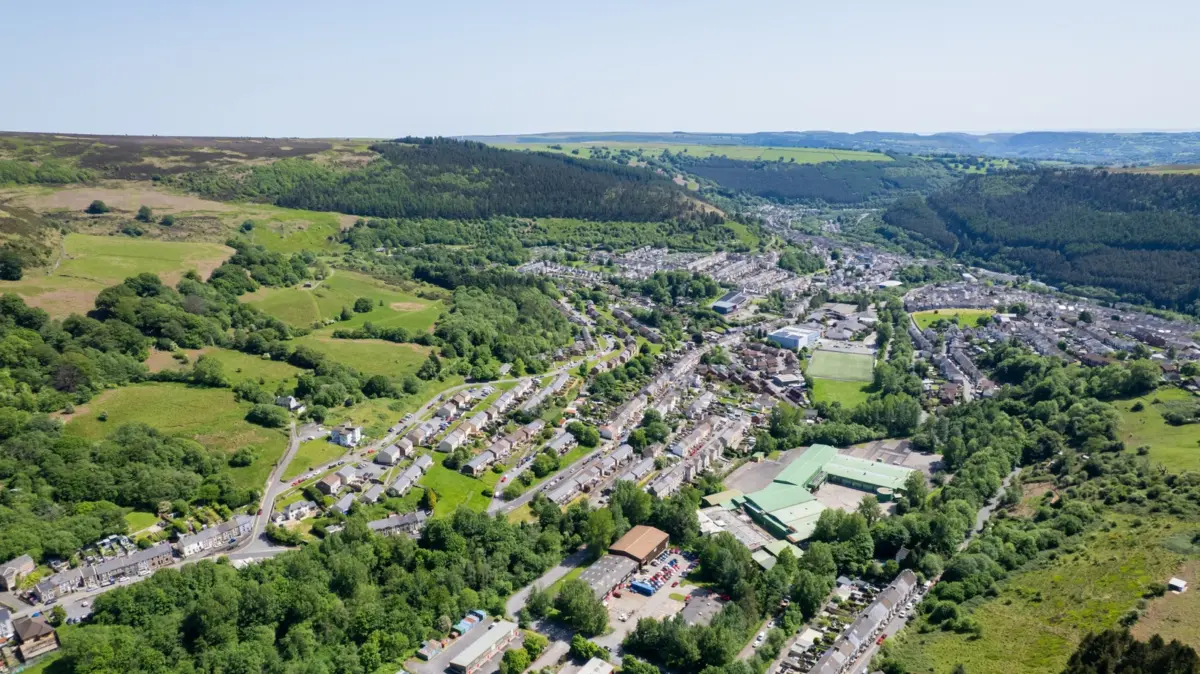
Just an hour’s drive north of the Welsh capital of Cardiff lies a landscape where the echoes of the Industrial Revolution harmonize with the wind-swept solitude of untamed mountain ranges. The county borough of Blaenau Gwent (pronounced blai-nai), spanning the rolling river valleys and undulating highlands of South Wales, presents travelers with a compelling duality. Here, bustling urban centers are traded for steep, intersecting river valleys, and remnants of the coal and iron age sit shoulder-to-shoulder with the dramatic, wide-open vistas of the Bannau Brycheiniog National Park (formerly known as the Brecon Beacons).
For decades, international tourists visiting Wales have gravitated toward the coastal stretches, the castles of the north, or the metropolitan vibrancy of Cardiff. Yet, Blaenau Gwent offers an alternative narrative—one of grit, transformation, and deep historical resonance. From its roots as a cornerstone of global coal and steel production to its modern incarnation as an accessible haven for hikers, historians, and nature lovers, this region serves as a living museum. This report provides a comprehensive examination of Blaenau Gwent’s geographic positioning, its rich industrial evolution, its burgeoning outdoor adventure tourism, and its roadmap for sustainable regional development.
Detailed Chronology: From Industrial Titans to Modern Landscapes
To understand the unique topography and cultural identity of Blaenau Gwent, one must examine the chronological milestones that shaped the region from a quiet rural expanse into a global industrial powerhouse, and finally into a protected ecological and cultural destination.
The Pre-Industrial Epoch
Before the late 18th century, the valleys of the Ebbw Fach, Ebbw Fawr, and Sirhowy rivers were largely agrarian and pastoral. Sparsely populated, the steep terrain supported sheep farming and forestry. The local economy was localized, tied closely to seasonal agricultural cycles and traditional Welsh trade routes winding through the mountains toward the medieval market town of Abergavenny and beyond.
The Industrial Revolution and the Age of Iron and Coal (Late 18th to Early 20th Century)
The discovery of rich mineral deposits—specifically iron ore, limestone, and vast seams of high-grade coal—fundamentally transformed Blaenau Gwent. Towns such as Ebbw Vale, Abertillery, and Tredegar rapidly emerged as epicenters of the Industrial Revolution.
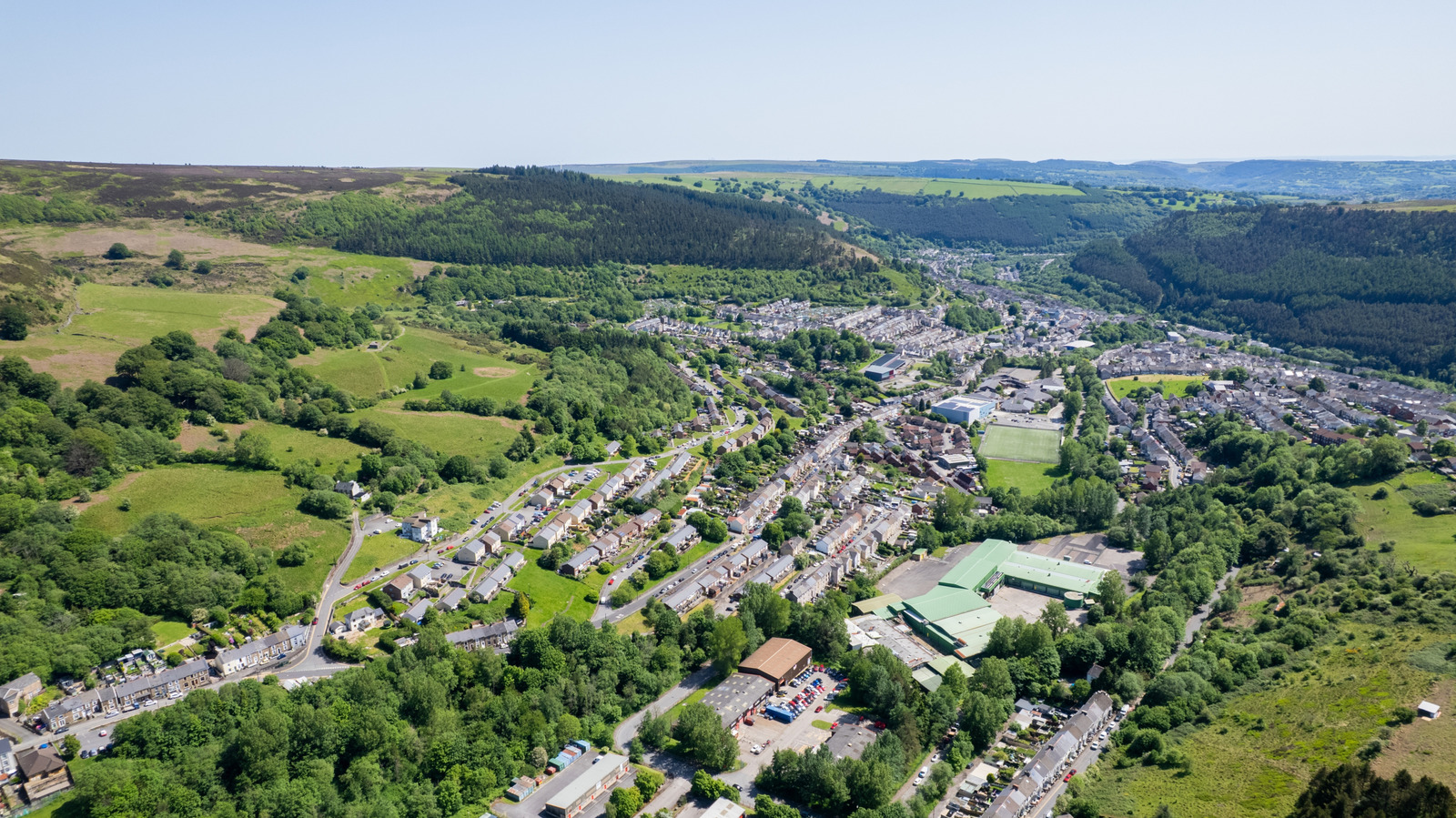
- Ebbw Vale evolved into a metallurgical titan, home to one of the largest integrated ironworks and steelworks complexes in the world.
- Tredegar expanded exponentially as a boomtown fueled by coal extraction, attracting workers from across the British Isles and establishing itself as a crucible of social and political organizing.
During this era, Wales supplied the raw materials that powered the British Empire, laying down railways, fueling steamships, and constructing infrastructure worldwide. The valleys were heavily industrialized, crisscrossed by canals, mineral tramways, and eventually railways that carried millions of tons of steel and coal southward to the ports of South Wales.
The Mid-20th Century: Social Reform and Industrial Decline
Even as heavy industry brought wealth and global significance, it exacted a heavy toll in human lives and environmental degradation. The year 1960 marked a somber milestone for the region, highlighting the extreme dangers inherent in mining communities. Yet, it was also during this period of industrial hardship that Blaenau Gwent made its most enduring contribution to modern British society. In Tredegar, the local medical aid society pioneered a prepaid healthcare model that directly inspired Aneurin Bevan, the Minister of Health in the post-WWII Labour government, to establish the United Kingdom’s National Health Service (NHS) in 1948.

By the latter half of the 20th century, global economic shifts, resource depletion, and modernization rendered the deep-pit coal mines and traditional steel mills economically unviable. The closure of the Ebbw Vale steelworks in the 2000s marked the end of an era, leaving behind vast tracts of industrial brownfield sites and a community searching for a renewed economic identity.
The Ecological and Cultural Renaissance (21st Century)
Over the past two decades, Blaenau Gwent has undergone a profound physical and cultural transformation. Through extensive land reclamation projects, former industrial scars have been systematically rehabilitated. Steelworks and colliery sites have been converted into public parks, nature reserves, and heritage trails. Today, the region leverages its dramatic geography and historical significance to attract a new wave of visitors, positioning itself as an essential inland destination within the Welsh tourism ecosystem.
Supporting Context & Metrics: Geography, Infrastructure, and Tourism Economics
Geographic and Strategic Positioning
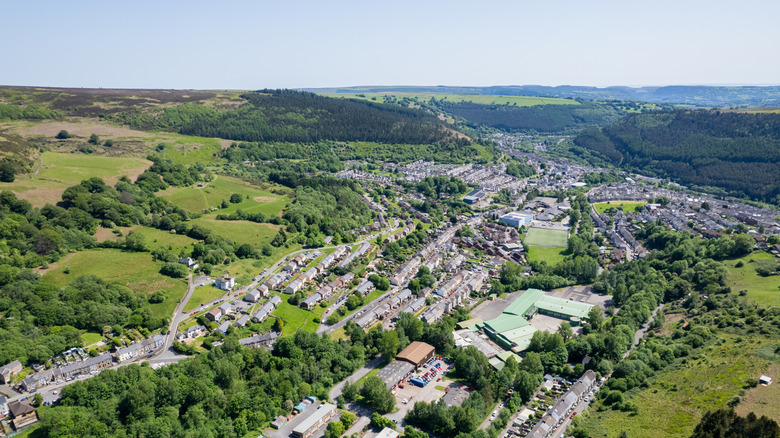
Blaenau Gwent occupies a strategic inland corridor in South Wales. Bordered by Monmouthshire, Powys, Caerphilly, and Merthyr Tydfil, the county borough sits directly along the path of the Heads of the Valleys Road (A465). This vital arterial route weaves through the heart of the Welsh backcountry, providing seamless connectivity from the English borderlands and the Midlands through to the western reaches of South Wales.
- Distance from Cardiff: Approximately 25 to 30 miles north (roughly a 60-minute drive).
- Primary International Gateway: Cardiff Airport (CWL), situated approximately one hour’s drive to the south.
- Secondary International Gateway: London Heathrow (LHR), located approximately a three-hour drive eastward via the M4 corridor.
Infrastructure and Accessibility Metrics
The modernization of regional transport networks has been central to Blaenau Gwent’s economic regeneration. The duplication and upgrading of the A465 Heads of the Valleys Road have significantly reduced transit times for commercial freight and tourists alike. Furthermore, investments in public transit—including enhanced rail links connecting Ebbw Vale directly to Cardiff Central—have improved labor mobility and tourism accessibility for visitors arriving without personal vehicles.
Tourism and Heritage Statistics
- Heritage Assets: The region boasts dozens of officially recognized industrial monuments, including the Guardian monument in Six Bells (a 65-foot weathering-steel sculpture commemorating the 1960 colliery disaster) and the extensive archives of the Ebbw Vale Works Museum.
- Green Space Recovery: Over 40% of the land within the county borough is classified as open access land, woodland, or restored parkland, demonstrating a successful transition from heavy industry to ecological stewardship.
- Proximity to National Parks: The southern boundary of Blaenau Gwent abuts the Bannau Brycheiniog National Park, placing hikers within a 30-minute drive of iconic trailheads such as the Pen y Fan Horseshoe route—the highest peak in South Wales, which attracts over 300,000 visitors annually.
Official Statements and Stakeholder Perspectives
Local government officials, heritage preservationists, and tourism authorities have increasingly emphasized the importance of balancing industrial heritage preservation with environmental sustainability.
Statement from Regional Tourism Development Officials:
"Blaenau Gwent represents the authentic soul of post-industrial Wales. We are not erasing our past; rather, we are reframing it. The very furnaces and tramways that fueled the British Empire now serve as the foundation for ecological recovery, educational tourism, and outdoor recreation. Visitors are continually surprised by the seamless transition from our rich social history into the breathtaking wilderness of the surrounding highlands."
Perspective from Environmental and Conservation Groups:
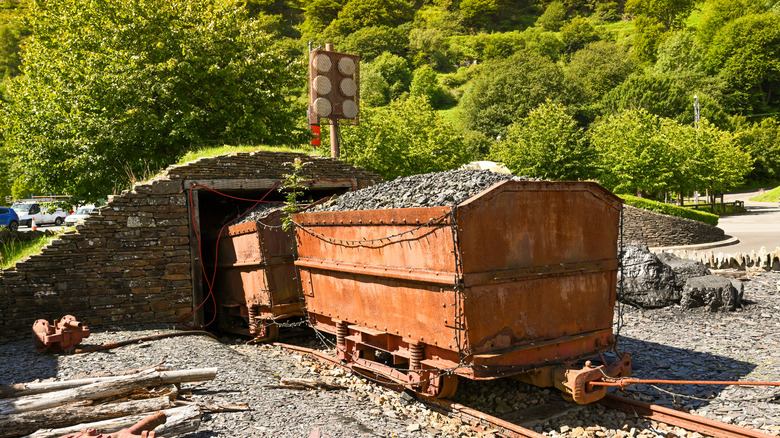
"The rehabilitation of sites like the Silent Valley Nature Reserve and Festival Park demonstrates that industrial land can be successfully returned to nature. Ancient beech woodlands, thriving bird populations, and pristine mountain streams now coexist with the stone ruins of our manufacturing legacy. Our objective is to ensure that future generations understand both the ecological value of these hills and the human labor that shaped them."
Community and Cultural Historians on the Aneurin Bevan Legacy:
"Tredegar is sacred ground for public health advocates worldwide. The principles of universal care forged here by working-class communities changed the course of global medical history. Through the Aneurin Bevan Heritage Trail, we are ensuring that the world recognizes not just our contribution to steel and coal, but our foundational contribution to social justice and human welfare."
Future Outlook: Sustainable Tourism and Regional Development
As South Wales looks toward a diversified economic future, Blaenau Gwent stands as a model for post-industrial regeneration. The strategic trajectory for the region focuses on three core pillars:
- Sustainable Adventure Tourism: Building upon its proximity to Bannau Brycheiniog National Park, local authorities are expanding mountain biking networks, hiking trails, and eco-lodging facilities. Initiatives like the Ebbw Fach Trail and regional cycling paths are being integrated into wider national trail networks, encouraging low-impact, active travel.
- Heritage Preservation and Educational Outreach: Plans are underway to further digitize and expand local museum archives, ensuring that the oral histories of miners, ironworkers, and social reformers are preserved for international researchers and cultural tourists. The expansion of heritage tourism trails, particularly around the NHS centenary milestones, is expected to draw steady streams of history enthusiasts.
- Green Energy and Environmental Stewardship: Moving away from its carbon-intensive past, the region is positioning itself as a leader in renewable energy generation, utilizing its high-altitude winds and open topography for modern green initiatives while strictly protecting its designated nature reserves and ancient woodlands.
By honoring its gritty industrial foundations while embracing the vast, restorative power of its surrounding mountains, Blaenau Gwent offers travelers an enriching, multi-layered Welsh experience—proving that beauty, history, and resilience can be found just an hour beyond the capital.


