





Executive Overview
As the global cruise industry faces an increasingly volatile meteorological landscape, severe weather events continue to test the operational resilience of major cruise lines. While widespread industry attention has recently focused on powerful nor’easters disrupting shipping lanes and cruise itineraries along the U.S. Atlantic coast, alongside Hurricane Polo churning near Baja, the Pacific theater has presented its own distinct challenges. In the central Pacific, Hurricane Nolo has emerged as a formidable meteorological threat, forcing cruise operators to proactively pivot.
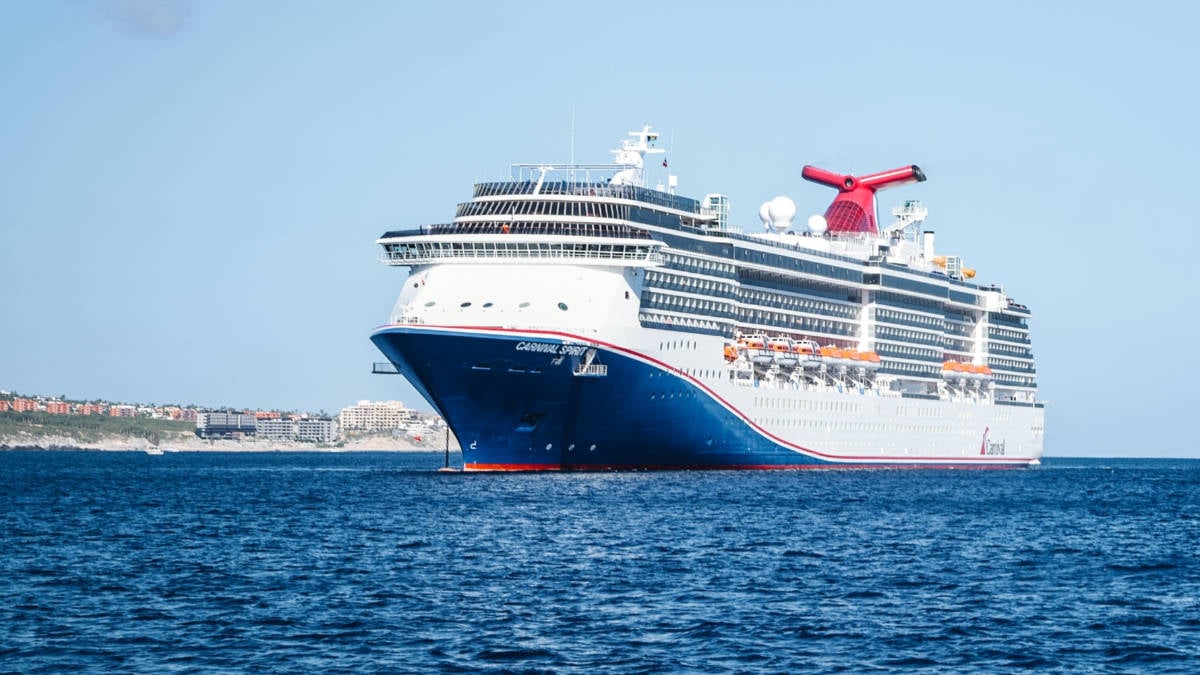
For the guests currently booked aboard the 2,124-guest Carnival Spirit, this atmospheric disturbance has translated into a complete structural reversal of their Hawaiian port calls. Departing Seattle on Wednesday, September 23, for an ambitious 15-night roundtrip voyage to the Aloha State, travelers quickly learned that their original route could not be safely or comfortably executed as planned.
Rather than canceling the long-awaited vacation altogether, Carnival Cruise Line executed a strategic itinerary shuffle. While all originally scheduled Hawaiian destinations remain on the manifest, the sequence of ports has been entirely inverted. By adjusting the ship’s course to prioritize passenger safety, crew comfort, and the overall guest experience, Carnival aims to outpace the storm’s projected trajectory. This authoritative report details the chronology of the decision, examines the meteorological context surrounding Hurricane Nolo, outlines the revised port schedules, and explores the broader implications of weather-related cruise modifications in an era of intensifying tropical systems.
Detailed Chronology: The Carnival Spirit Journey and the Pivot
The voyage began with high spirits as the Carnival Spirit departed the Pacific Northwest port of Seattle on September 23. The 15-night itinerary is a crown jewel for travelers seeking a comprehensive exploration of the Hawaiian Islands without the hassle of flying long distances. However, modern cruise navigation requires constant monitoring of real-time oceanic and atmospheric data. As the ship pressed south and westward into the Pacific, meteorological updates regarding the rapid intensification and tracking of Hurricane Nolo prompted urgent discussions among Carnival’s marine operations team in Miami and the ship’s bridge command.
By the time guests received formal notification via a letter delivered to their staterooms, the decision to alter the voyage path had been solidified. The communication distributed to travelers framed the operational adjustments through a lens of absolute transparency and care.
"Based on the storm’s forecasted track, we have adjusted our itinerary to prioritize the safety and comfort of everyone on board while also helping to provide the best possible experience in port," the official Carnival notification explained. "While we still expect to visit all scheduled ports, the sequence of our calls has changed."
Under the original operating plan, the Carnival Spirit was scheduled to approach the Hawaiian archipelago from the northwest, making its maiden stop in Honolulu on the island of Oahu, followed sequentially by Nawiliwili (Kauai), Kahului (Maui), and finally Hilo on the Big Island of Hawaii.
However, with Hurricane Nolo tracking dangerously close to the remote, northwestern stretches of the island chain, maintaining the original sequence would have placed the vessel directly in the path of deteriorating sea states and heavy swells. Consequently, the operational team orchestrated a tactical inversion of the route. The ship’s course was adjusted to bring it first to the easternmost edge of the state, reversing the geographic flow of the cruise.
Supporting Context & Metrics: Tracking Hurricane Nolo
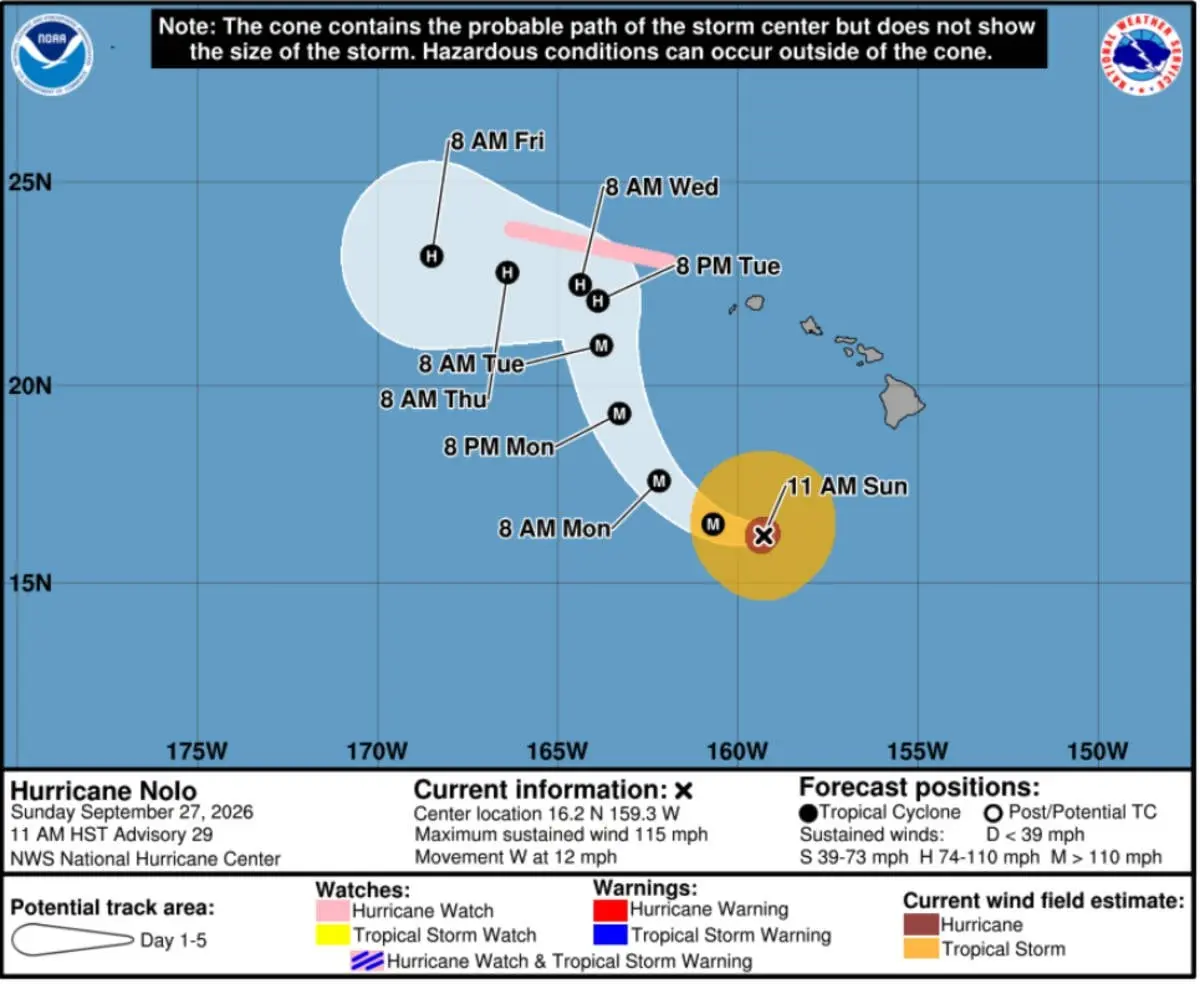
To understand the necessity of Carnival’s adjustments, one must examine the hard metrics provided by the National Hurricane Center (NHC). According to official advisories issued from the NHC, Hurricane Nolo represents a significant severe weather threat in the Central Pacific basin.
At the time of key operational evaluations, Nolo was positioned approximately 365 miles south-southwest of Honolulu, tracking toward the west at a steady forward speed of 12 miles per hour. Packing maximum sustained winds of 115 miles per hour, the system was classified as a potent Category 3 hurricane on the Saffir-Simpson scale, with meteorological models predicting continued intensification.
[Meteorological Snapshot: Hurricane Nolo]
--------------------------------------------------
Classification:  Category 3 Major Hurricane
Wind Speeds:     115 mph maximum sustained winds
Location:        365 miles south-southwest of Honolulu
Heading:         West at 12 mph (expected northwest turn)
Primary Threat:  Papahanaumokuakea Marine National Monument
                 & Northwest Hawaiian waters
According to the advisory discussion released by meteorological experts: "A turn toward the northwest is expected by tonight, with this general motion continuing through Tuesday. On the forecast track, the center of Nolo will remain well south and southwest of the main Hawaiian Islands but will approach the Papahanaumokuakea Marine National Monument in a couple of days."
While no direct hurricane watches or warnings were posted for the heavily populated main islands or the specific ports on the Carnival Spirit’s revised itinerary—and with Hilo sitting a reassuring 212 miles southeast of Honolulu—the indirect impacts of the storm posed legitimate operational concerns. Swells and gusty squalls generated by a Category 3 system can propagate hundreds of miles from the storm’s center. These swells directly impact east- and south-facing shores, creating dangerous harbor conditions, turbulent docking scenarios, and uncomfortable sea days for passengers.
By keeping a safe operational distance from the core of the storm’s track, the Carnival Spirit effectively insulated its passengers from the worst of the maritime turbulence while preserving the integrity of the shore-side vacation experience.
Official Statements and Operational Adjustments
Carnival Cruise Line’s swift execution of the itinerary changes highlights the rigorous protocols cruise operators follow when responding to developing weather systems. The cruise line’s primary objective during severe weather is twofold: safeguarding human life and property at sea, and mitigating the disappointment of vacationers by salvaging as much of the itinerary as logistically feasible.
The revised operational schedule for the Carnival Spirit ensures that guests will still step foot on every intended island, albeit on a re-sequenced timeline. The updated port call metrics are as follows:
- Port 1: Hilo (Big Island of Hawaii)
- Revised Date: Tuesday, September 29
- Port Hours: 8:00 AM – 4:00 PM
- Significance: Serving as the initial port of entry, Hilo places the ship safely on the eastern flank of the island chain, far removed from the northwestern storm activity.
- Port 2: Kahului (Maui)
- Revised Date: Wednesday, September 30
- Port Hours: 9:00 AM – 9:30 PM
- Significance: Offering an extended evening stay, this stop allows guests ample time to explore the Valley Isle without rushing.
- Port 3: Honolulu (Oahu)
- Revised Date: Thursday, October 1
- Port Hours: 9:00 AM – 10:00 PM
- Significance: Shifting this major metropolitan hub toward the latter half of the Hawaiian leg ensures stable harbor conditions.
- Port 4: Nawiliwili (Kauai)
- Revised Date: Friday, October 2
- Port Hours: 8:00 AM – 5:00 PM
- Significance: Concluding the island tour on the Garden Isle, bringing the ship back out of the western sectors before the storm’s closest point of approach to the remote marine monuments.
Beyond the physical port timings, Carnival’s shore excursion department moved swiftly to manage logistics behind the scenes. All official shore excursions purchased directly through Carnival were automatically transferred to match the new calendar dates. In instances where specific tour operators could not accommodate the schedule shift, affected guests were notified individually and issued prompt refunds or alternative options.
Furthermore, downstream elements of the voyage remain entirely unaffected. The ship’s final port of call—a brief, scenic stop in Victoria, British Columbia, scheduled for Wednesday, October 7, from 8:00 PM to 11:59 PM—will proceed precisely as planned. The Carnival Spirit remains on track to conclude its 15-night journey with a smooth return to Seattle for scheduled passenger debarkation on Thursday, October 8.
Carnival management continues to advise passengers to monitor the dedicated "Good to Know Channel" on their stateroom televisions for real-time updates, ensuring absolute clarity and open lines of communication throughout the remainder of the voyage.
Future Outlook: Meteorological Resilience in Modern Cruising
The redirection of the Carnival Spirit due to Hurricane Nolo serves as a textbook example of modern maritime adaptability. As global weather patterns become increasingly unpredictable and severe storms grow more frequent during peak tropical seasons, the cruise industry’s sophisticated dispatch and routing infrastructure faces continuous stress tests.
For passengers, the incident underscores the fundamental reality of ocean travel: flexibility is paramount. While cruise lines design meticulously timed itineraries to maximize vacation value, the ultimate authority on any voyage rests with the captain and corporate marine operations teams, whose decisions are guided strictly by meteorological data and safety mandates.
Looking ahead, cruise operators are heavily investing in advanced onboard weather-tracking technology, artificial intelligence-driven routing software, and enhanced satellite communication systems. These tools allow bridge officers to anticipate storm tracks days in advance, turning potential maritime crises into managed, minor inconveniences.
For the guests aboard the Carnival Spirit, a temporary rearrangement of island visits proved to be a small price to pay for uninterrupted safety and uncompromised exploration. As Hurricane Nolo eventually spends its fury over the open waters of the remote Pacific, the passengers will return home with unforgettable memories of the Aloha State—and a newfound appreciation for the quiet, vigilant expertise operating behind the scenes on the bridge.