











EXECUTIVE SUMMARY
As public transportation agencies nationwide grapple with an aging workforce, institutional brain drain, and fierce competition from the private sector for top-tier talent, the imperative to cultivate a robust talent pipeline has never been more urgent. For decades, transit internships were treated as seasonal administrative fixes—a revolving door of temporary student labor brought on to stuff envelopes, digitize archives, or fetch coffee during the busy summer months.
However, modern transit executives increasingly recognize that these transactional engagements represent a missed strategic opportunity. To successfully attract and retain the next generation of civil engineers, data analysts, urban planners, and operations managers, agencies must fundamentally redesign their approach to experiential learning.
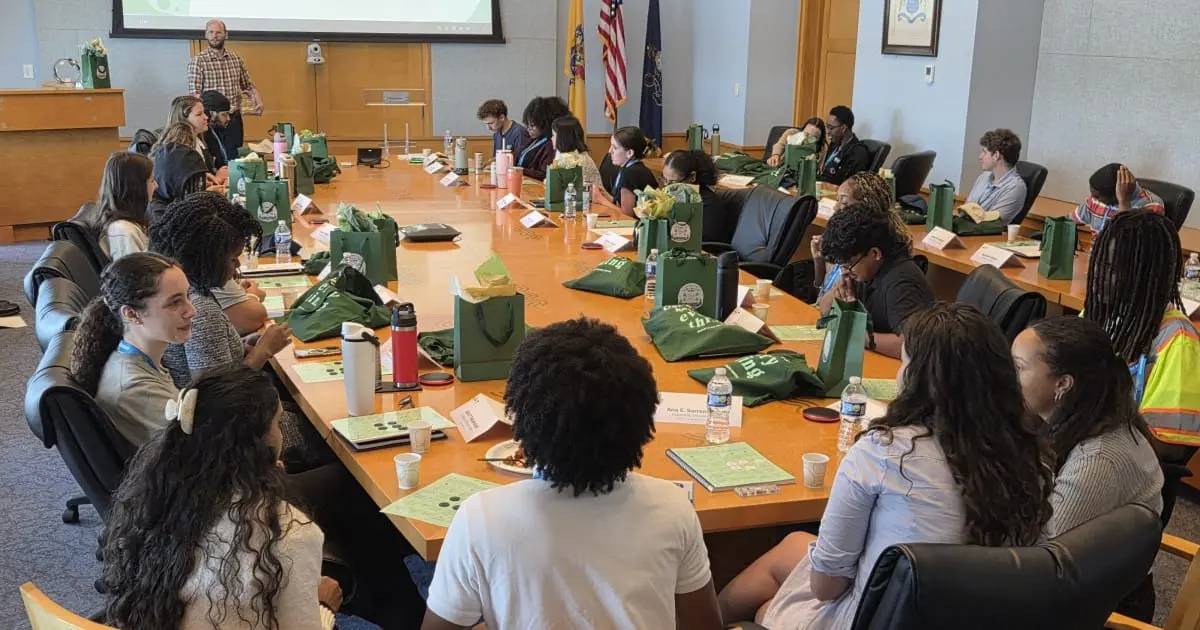
A prime exemplar of this paradigm shift can be found along the Eastern Seaboard, where the Delaware River Port Authority (DRPA) and its high-speed transit subsidiary, the Port Authority Transit Corporation (PATCO), have reimagined the traditional internship framework. Rather than viewing students as low-cost seasonal help, the DRPA and PATCO have engineered a comprehensive, immersive talent incubator. Their model treats interns as prospective full-time colleagues, embedding them directly into high-stakes engineering projects, financial planning initiatives, and day-to-day transit operations.
By analyzing the operational blueprint of the DRPA/PATCO initiative—alongside insights recently spotlighted by METRO Magazine—this report provides an investigative look into the seven strategic pillars required to build an optimal, high-impact transit internship program. From intentional recruitment and cross-departmental exposure to dedicated mentorship and iterative feedback loops, these strategies offer a definitive roadmap for transit agencies seeking to future-proof their workforce.
1. Executive Overview: The Workforce Crisis in Public Transit
The American public transportation sector stands at a critical historical crossroads. According to data from the American Public Transportation Association (APTA) and the Transportation Research Board (TRB), the public transit industry faces a looming demographic cliff. A significant percentage of senior engineers, maintenance technicians, control center operators, and executive leadership are nearing retirement age.
Concurrently, public agencies struggle to shed outdated perceptions of being bureaucratic, slow-moving, and technologically stagnant. Today’s graduates—particularly those emerging from top-tier engineering, public policy, and computer science programs—are heavily courted by tech giants, private consulting firms, and green-energy startups that offer rapid career progression, cutting-edge technology, and lucrative compensation packages.
To compete effectively, transit agencies must leverage their greatest unique selling proposition: civic impact. Unlike private-sector enterprises driven purely by profit margins, transit systems offer young professionals the chance to do work that directly touches millions of lives, drives regional economic development, combats climate change, and ensures equity in urban mobility.
Yet, communicating this value proposition requires more than marketing brochures; it demands direct, immersive engagement through meticulously structured internship programs. When an agency invites students into its ecosystem, it is effectively executing a multi-month interview and brand-building campaign. If the experience is superficial, the talent walks away. If the experience is transformative, the agency secures a dedicated advocate and a future employee who already understands the intricacies of regional transit networks.
2. Detailed Chronology: The Evolution of Transit Talent Pipelines
To understand how the DRPA and PATCO reached their current standard of internship excellence, it is useful to examine the broader historical evolution of workforce development within the public transportation sector.
Phase 1: The Administrative Era (Late 20th Century)
Historically, transit internships were decentralized and informal. Departments within an agency would independently request summer help to clear backlogs of paperwork or assist with manual data entry. Little thought was given to educational outcomes, networking opportunities, or post-graduation employment conversions. Interns were viewed as a seasonal utility rather than a strategic asset. Consequently, retention rates were negligible, and the programs failed to serve as a reliable workforce pipeline.
Phase 2: The Compliance and Project-Based Shift (Early 2000s)
As federal funding guidelines evolved and human resources departments matured, agencies began formalizing their internship offerings. Programs started aligning with university civil engineering and urban planning curriculums. Interns were increasingly assigned to specific, scoped projects—such as bridge inspections or schedule optimization reviews. However, these programs often remained siloed within individual departments. An engineering intern rarely interacted with the finance, legal, or executive management teams, leaving them with a fragmented understanding of how a transit agency actually operates as a cohesive business entity.
Phase 3: The Modern Talent Incubator (Present Day)
Today, forward-thinking organizations like the DRPA and PATCO have moved beyond project-based silos. Modern internship programs are now holistically designed as "talent incubators." This phase is characterized by:
- Targeted Outreach: Proactive recruitment partnerships with regional universities, technical schools, and diverse student organizations.
- Holistic Professional Development: Structured training modules covering public sector finance, labor relations, communications, and executive leadership visibility.
- Intentional Conversion Strategies: Utilizing the internship as a structured runway toward full-time employment, offering graduating seniors accelerated pathways into civil service positions or agency rotational programs.
3. Supporting Context & Metrics: Why Structure Matters
Data consistently underscores the return on investment (ROI) of structured, high-engagement internship programs compared to ad-hoc seasonal hiring. According to research from the National Association of Colleges and Employers (NACE), conversion rates for interns transitioned into full-time employees are significantly higher than traditional external hires, and retention rates for former interns after five years are markedly superior.
The Cost of Turnover vs. Investment in Talent
Replacing a mid-level transit engineer or operations manager can cost tens of thousands of dollars in recruitment fees, lost institutional knowledge, and onboarding time. Conversely, investing time and resources into training an intern yields a known entity: a candidate whose cultural fit, technical capabilities, and dedication have been rigorously tested over several months.
Furthermore, transit agencies operate within complex regulatory and political environments. Mastery of public procurement rules, federal transit administration (FTA) grant compliance, and labor union dynamics cannot be taught in a traditional university classroom. By providing structured, hands-on exposure to these realities, agencies drastically reduce the learning curve for entry-level staff, ensuring that new hires are productive from day one.
4. The 7 Pillars of an Optimal Transit Internship Program
Drawing from the successful frameworks implemented by the DRPA and PATCO—and highlighted in transit industry analyses—agencies looking to overhaul their talent pipelines must institutionalize the following seven core practices:
Pillar 1: Build an Authentic Learning Experience
An internship must never be mistaken for a standard summer job. To capture the imagination of ambitious students, agencies must establish crystal-clear learning objectives right from day one.
- Actionable Strategy: Draft formal learning contracts or project charters for each intern. Define specific technical skills, regulatory frameworks, or operational insights they will master by the end of the program. Ensure that their day-to-day tasks require critical thinking rather than simple administrative upkeep.
Pillar 2: Recruit With Purpose and Intentionality
Casting too wide a net often results in generic applicant pools that fail to meet an agency’s specific technical needs. Recruitment must be targeted, strategic, and inclusive.
- Actionable Strategy: Build long-term partnerships with civil engineering departments, urban planning faculties, and technical trade schools within your region. Actively engage with student chapters of professional associations (such as the Women’s Transportation Seminar and the Conference of Minority Transportation Officials). Clearly articulate why your agency offers a compelling mission that outshines private-sector perks.
Pillar 3: Assign Meaningful, High-Impact Work
Nothing demoralizes a talented student faster than realizing their daily output holds no real organizational value. Interns want to see their efforts integrated into actual agency projects.
- Actionable Strategy: Curate a portfolio of projects that are genuinely needed by the organization but perhaps sidelined due to daily operational bandwidth constraints. Give students ownership over these projects—complete with deliverables, milestones, and presentations to department heads—while providing the necessary supervisory scaffolding to ensure their success.
Pillar 4: Institutionalize Mentorship Networks
A strong mentor-mentee relationship is frequently cited by alumni of top-tier internship programs as the single most transformative element of their experience.
- Actionable Strategy: Pair each intern with an experienced professional outside of their direct reporting line. This creates a psychological safe space where students can ask foundational questions, receive candid career advice, and gain unfiltered insights into the realities of working in public transportation. Regular check-ins and shadowing opportunities deepen this connection.
Pillar 5: Reveal the Bigger Picture of Transit Operations
An engineering intern focused purely on bridge maintenance may fail to understand how their work impacts regional economic vitality, customer service, or safety compliance.
- Actionable Strategy: Break down departmental silos. Expose interns to the entirety of the agency’s ecosystem. Organize site visits to operations control centers, maintenance facilities, and board meetings. Host brown-bag lunch sessions with senior executive leadership where students can learn about the macro-challenges facing public transit, including funding legislation, technological disruptions like autonomous vehicles, and equity initiatives.
Pillar 6: Invest Heavily in Professional Development
Technical aptitude alone does not guarantee a successful career in public administration. Soft skills—such as public speaking, technical writing, cross-functional project management, and networking—are equally vital.
- Actionable Strategy: Dedicate specific hours each week or month to professional development workshops. Train interns on how to write effective executive memos, deliver polished presentations, and navigate public sector interviewing processes. Crucially, conduct intake surveys at the start of the program to ask students what specific professional competencies they want to develop.
Pillar 7: Listen, Adapt, and Iterate
An internship program should never remain static. Continuous improvement requires an open, honest, and systematic feedback loop.
- Actionable Strategy: Conduct formal mid-point and exit interviews with both the interns and their direct supervisors. Solicit granular feedback on what worked, what bottlenecks existed, and what resources were lacking. Use this qualitative and quantitative data to refine recruitment strategies, onboarding materials, and mentorship guidelines for the subsequent cohort.
5. Official Statements & Industry Perspectives
Industry leaders and workforce development experts have increasingly emphasized that talent acquisition is no longer a human resources checkbox—it is an existential operational priority.
"When we bring students into our facilities, we aren’t just filling summer rosters; we are actively introducing the next generation of public servants to the vital mission of regional mobility," notes a transit workforce strategist familiar with East Coast regional authorities. "If we do our jobs right, we show them that public transportation is not a stagnant bureaucracy, but a dynamic, fast-paced environment where innovation directly changes communities for the better."
Transit authorities that have adopted structured mentoring and professional development tracks report a dramatic shift in organizational culture. Existing staff members who serve as mentors experience renewed engagement and leadership growth, while incoming graduates inject fresh perspectives, technological fluency, and enthusiasm into legacy departments.
6. Future Outlook: Sustaining the Talent Pipeline
As public transportation systems navigate post-pandemic ridership shifts, emerging smart-city technologies, and evolving infrastructure funding packages under federal legislation, the complexity of managing transit agencies will only intensify. Meeting these challenges requires a workforce equipped with advanced analytical skills, cross-disciplinary knowledge, and deep civic commitment.
The success of the DRPA and PATCO model proves that when public agencies invest deliberate thought, capital, and mentorship into their internship programs, the return on investment is exponential. By transforming seasonal employment into structured, high-impact career pathways, transit agencies can successfully bridge the generational divide, attract top-tier multidisciplinary talent, and secure the future of public mobility for decades to come.


