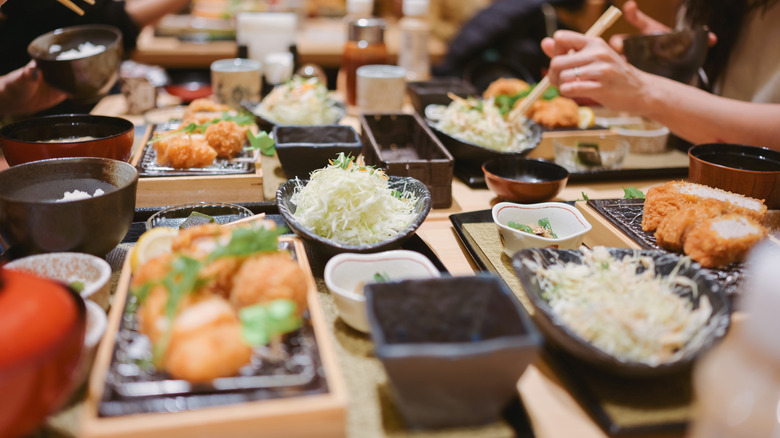
Japan remains one of the most sought-after bucket-list destinations on the global tourism map, enchanting millions each year with its seamless blend of ancient cultural heritage and hyper-modern infrastructure. From the historic shrines of Kyoto to the neon-drenched avenues of Tokyo, the country promises a transformative experience. However, beneath the romanticized surface of cherry blossoms, bullet trains, and world-class culinary arts lies a destination that can frequently test the patience, physical endurance, and logistical capabilities of even seasoned international travelers.
Recent statistical surges in international tourism have intensified structural pressures across the country. With tens of millions of visitors arriving annually, popular destinations are grappling with the friction points of overtourism, complex urban transit networks, and deep-seated cultural differences that often catch unprepared tourists off guard.
This comprehensive report examines the ten most common complaints voiced by travelers visiting Japan—drawing from official tourism data, local municipal reports, and first-hand accounts across digital travel communities. By analyzing these systemic challenges and providing actionable strategic remedies, this guide equips prospective visitors with the insight necessary to transition from a stressful vacation to a culturally immersive and harmonious journey.
Detailed Chronology: The Evolution of Japan’s Overtourism and Structural Pressures
To understand the modern friction points of traveling through Japan, one must examine how the nation’s tourism landscape has evolved over the past decade, culminating in the unprecedented pressures seen in recent years.
Pre-2020 Growth and Infrastructure Strains: Following aggressive national tourism campaigns, Japan experienced exponential year-over-year growth in international arrivals. Urban centers like Tokyo and Kyoto began registering capacity thresholds in hospitality and public transit, though systems largely absorbed the volume.
The 2023–2024 Post-Pandemic Resurgence: As global travel restrictions dissolved, Japan experienced an aggressive rebound in inbound tourism. Weakened currency exchange rates (the depreciation of the yen) dramatically enhanced the country’s affordability for Western travelers, unleashing a historic wave of visitors that overwhelmed traditional hotspots.
The 2025 Milestone: Influxes shattered previous records, with annual visitor counts surpassing 42 million travelers, according to data compiled by Nippon.com. This monumental surge pushed local infrastructure, waste management, and residential communities to their absolute limits.
The 2026 Municipal Backlash: The systemic breaking point materialized in early 2026. Facing severe disruptions, littering, and trespassing, local governments began taking unprecedented punitive and restrictive actions. Most notably, municipal officials in Fujiyoshida officially canceled the city’s iconic cherry blossom festival near Mount Fuji. Local leadership cited a severe crisis threatening the quiet lives of residents, signaling a permanent shift in how Japanese municipalities manage mass tourism.
Supporting Context & Metrics: The Anatomy of Traveler Friction Points
1. Extreme Crowding at Iconic Destinations
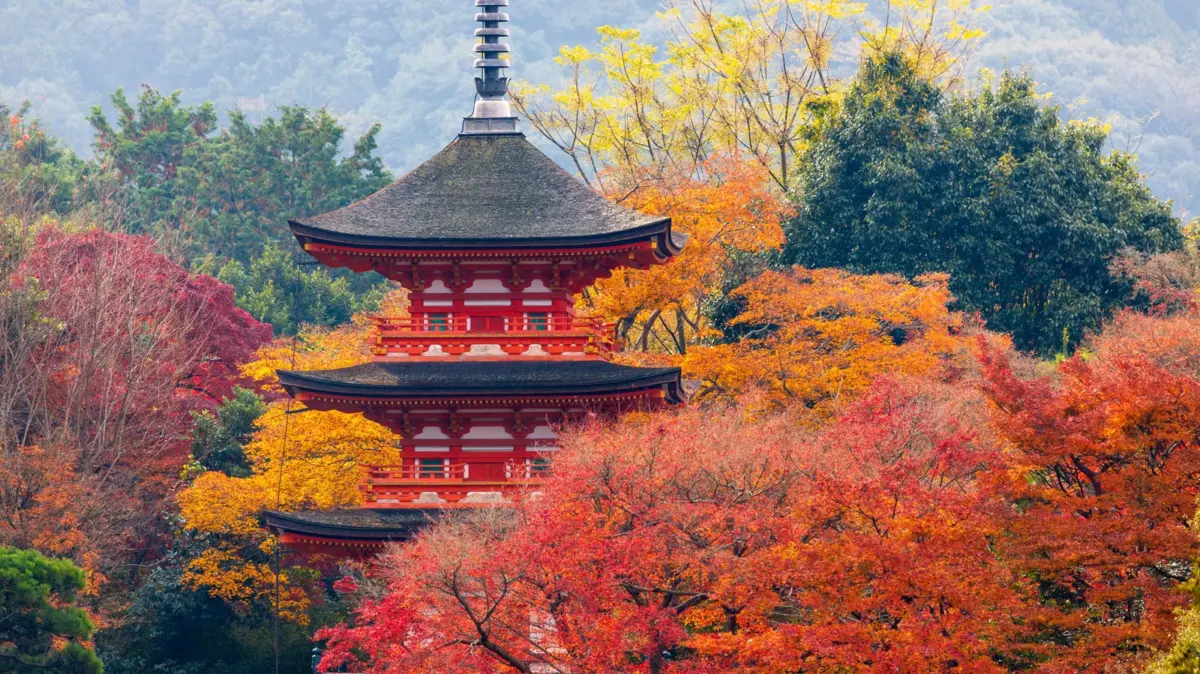
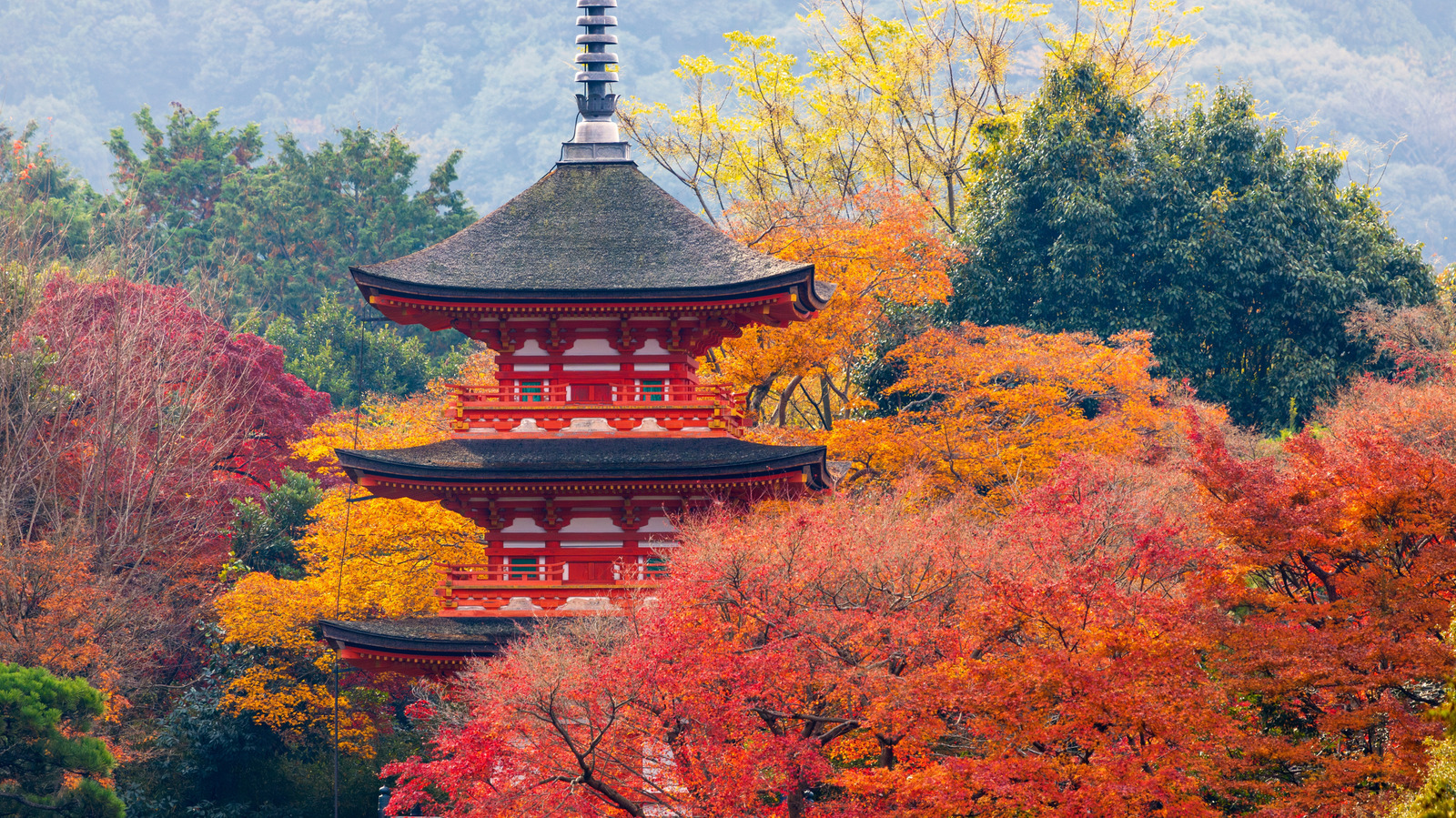
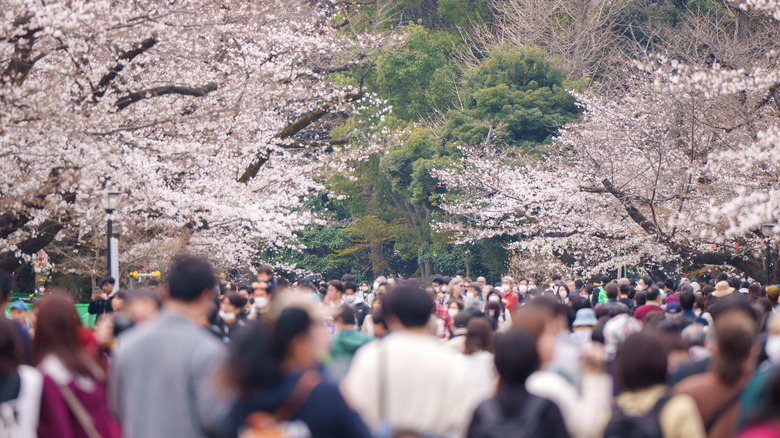
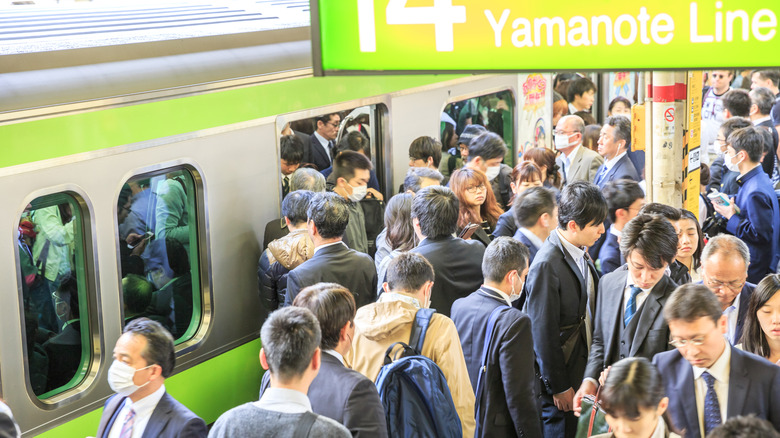
The concentration of tourists along the traditional "Golden Route" (Tokyo, Hakone, Kyoto, and Osaka) has created severe bottlenecks. Renowned vantage points—such as Fushimi Inari Shrine at midday, Kiyomizu-dera Temple, and the sprawling Shinjuku pedestrian crossing at 7 p.m.—transform into literal seas of humanity during peak hours. Overtourism peaks during three primary windows: the spring cherry blossom (sakura) season, Golden Week (late April to early May), and the autumn foliage (koyo) period.
The Strategic Pivot: Travelers can mitigate congestion by venturing off the beaten path. The Japan National Tourism Organization (JNTO) actively promotes alternative cultural hubs such as Kanazawa, Fukuoka, and Iwate Prefecture, where regional authenticity replaces manufactured tourist traps.
2. The Labyrinth of Public Transportation
Japan’s rail network is globally revered for punctuality, yet its architectural complexity routinely overwhelms first-time visitors. Major urban terminals integrate Japan Railways (JR) lines, municipal subways, and private railway corporations into monolithic subterranean complexes that frequently share platforms. Navigating these hubs during rush hour can induce severe anxiety. Furthermore, physical and digital prepaid IC cards (such as Suica, PASMO, and ICOCA) carry distinct device ecosystem rules—with mobile Suica leaning heavily toward iOS, while PASMO supports both Apple Pay and Android.
3. Logistical Nightmares with Heavy Luggage
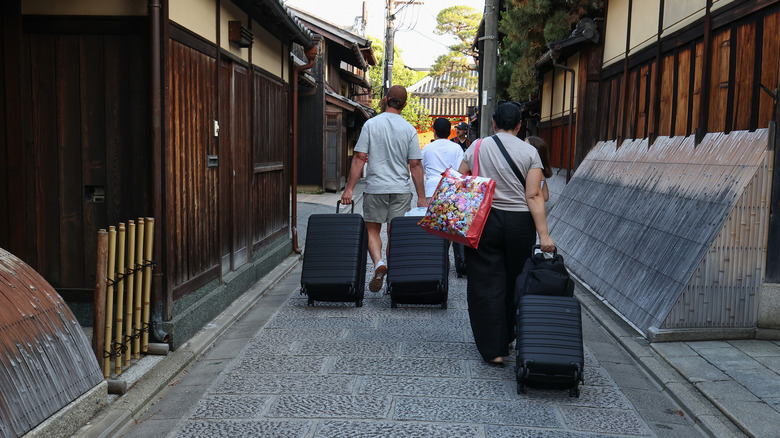
The sleek, hyper-efficient layout of Japanese bullet trains (Shinkansen) and urban subways stands in direct opposition to the realities of hauling oversized, multi-week checked luggage through multi-level subterranean stations devoid of working elevators or escalators. Central Japan Railway Company regulations explicitly classify baggage with combined dimensions exceeding 63 inches as "oversized," requiring strict pre-reservations on Tokaido Shinkansen lines.
The Strategic Pivot: Utilizing Japan’s ubiquitous luggage-forwarding infrastructure (takuhaibin), managed by providers like Yamato Transport, allows travelers to ship heavy bags directly between hotels and airports, facilitating a seamless, hands-free travel experience.
4. Excessive Advance Planning and Timed-Entry Mandates
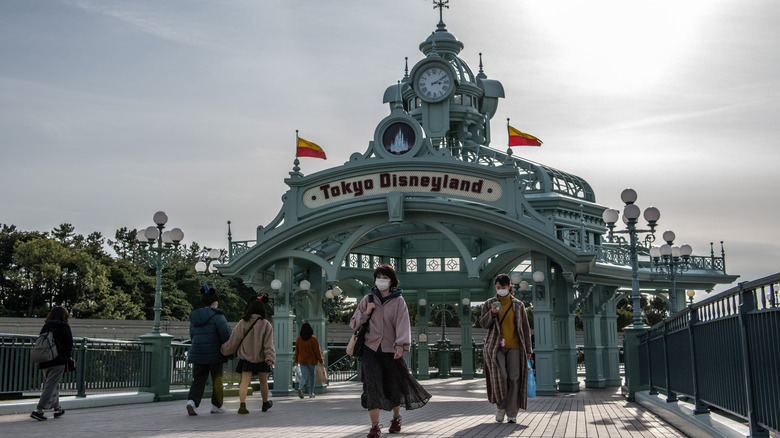
Spontaneity is virtually dead in modern Japanese tourism. Key cultural and commercial attractions—including Shibuya Sky, the Pokémon Café, the Nintendo Museum, the Ghibli Museum, and Tokyo Disney Resort—rely on rigid, highly competitive reservation windows. For instance, Ghibli Museum tickets are released on the 10th of every prior month and sell out within minutes. Major theme parks require digital ticket acquisition up to two months in advance, stripping away vacation flexibility.
5. Architectural Realities: Sub-Sized Hotel Accommodations
Travelers accustomed to expansive North American or European hotel footprints routinely experience sticker shock upon entering urban Japanese hotel rooms. A standard double room in downtown Tokyo or Osaka averages a meager 200 square feet, while budget properties regularly shrink below 150 square feet—dimensions frequently compared to a standard parking space. Navigating these spaces with open luggage requires military-grade precision.
Official Statements and Local Governance Perspectives
As the friction between international visitors and local residential communities reaches critical mass, municipal and national authorities have broken their traditional silence, issuing sharp policy warnings and shifting toward regulatory enforcement.
Addressing the cancellation of the Mount Fuji cherry blossom festival, the Mayor of Fujiyoshida released an official statement via the Japan Times and The Guardian, declaring:
"The quiet lives of citizens are threatened. We have a strong sense of crisis."
This sentiment is echoed nationwide. Japanese urban planners and transportation bureaus emphasize that cultural harmony depends entirely on visitor adaptability. The JNTO continually underscores that foreign tourists must respect unwritten local etiquette—such as the near-total absence of public trash receptacles. Because Japanese civic culture dictates that citizens carry their waste home or dispose of it at the point of purchase, the introduction of foreign trash into residential neighborhoods is viewed as a severe breach of social contract.
Regarding linguistic accessibility, linguistic experts and institutions point out that despite government initiatives in major transit hubs, broader communication remains a hurdle. As noted in studies regarding Japan’s English Proficiency Index (which has experienced downward trends for over a decade), expecting spontaneous, conversational English in rural areas or independent local establishments is unrealistic. Officials stress the utility of technological translation tools combined with basic, respectful Japanese phrases (sumimasen, arigatou gozaimasu) to bridge the gap.
Furthermore, dietary safety agencies have stepped up educational campaigns. The Consumer Affairs Agency of Japan provides comprehensive English-language food-allergy communication sheets. Because hidden allergens—such as dashi (fish stock) or soy derivatives—permeate traditional Japanese cuisine, officials strongly advise allergic travelers to present explicit, professionally translated dietary cards rather than relying on verbal translations in bustling eateries.
Future Outlook: Sustainable Tourism and the Road Ahead
As Japan looks toward the remainder of the decade and beyond, the nation’s tourism ministry is actively pivoting from a strategy of sheer volume maximization to one of sustainable, high-value regional dispersion.
Decentralizing the Tourist Footprint
Future infrastructure investments will focus heavily on incentivizing international travelers to explore secondary and tertiary regions. By upgrading regional Shinkansen connectivity, expanding English-language digital wayfinding, and promoting rural heritage trails (such as the Kumano Kodo or the lesser-known prefectures of the Tohoku region), the government hopes to alleviate the crushing demographic and structural weight currently suffocating Tokyo, Kyoto, and Osaka.
Technological Integration and Smart Regulations
Expect an increase in digital gating. Dynamic pricing models, facial recognition entry systems, and automated crowd-monitoring apps will likely become standard across major national parks, historic temples, and theme parks. These technologies will not only regulate visitor flow in real time but will also penalize disruptive behaviors, ensuring that hyper-tourism does not permanently erode the historic and cultural integrity of the destination.
The Traveler’s Mandate
Ultimately, visiting Japan in the modern era requires a profound evolution in traveler mindset. The days of treating Japan as an easily accessible, infinitely accommodating playground of spontaneous whims are over. Success in the Land of the Rising Sun now demands rigorous pre-trip logistical planning, deep cultural empathy, physical preparedness for endurance and heat, and an absolute respect for local customs. Those who embrace these realities will find that Japan’s timeless grace, unmatched hospitality, and profound cultural depth remain one of the most transformative travel experiences on Earth.