Executive Overview
Idaho is famously celebrated as a land of water and wilderness, boasting over 2,000 lakes that offer an almost limitless variety of aquatic destinations designed to help travelers escape the frantic pace of modern life. While the state’s most heavily trafficked lakes typically cluster in the verdant northern panhandle or nestle deep within the rugged, mountainous heart of the Gem State, those journeying through the arid stretches of Southern Idaho—midway between the bustling capital of Boise and the eastern hub of Idaho Falls—need not look far for a premier weekend getaway. Just a short detour off the beaten path lies Magic Reservoir, a sweeping, high-desert body of water that merges the stark beauty of volcanic terrain with the crisp, alpine runoff of the Sawtooth Mountains.
Resting where the sagebrush-draped high deserts of Southern Idaho give way to towering mountain peaks along the Big Wood River, Magic Reservoir functions as a quintessential multi-use western water body. Originally engineered more than a century ago to tame the desert and fuel regional agriculture, the reservoir has steadily evolved into a vibrant, four-season recreation destination. Here, visitors can partake in world-class trout fishing, exhilarating water sports, and tranquil camping under vast, starry skies.
However, a visit to Magic Reservoir requires a blend of adventurous spirit and pragmatic planning. Managed largely by the Bureau of Land Management (BLM), the area offers an appealing mix of rustic solitude, eclectic local resorts, and wide-open public lands currently accessible free of charge. Yet, because the lake serves a dual purpose as an agricultural water source, its surface area and water volumes can fluctuate dramatically depending on annual snowpacks, seasonal weather patterns, and local irrigation demands. For travelers willing to check water levels and plan accordingly, Magic Reservoir provides an authentic, off-the-grid Idaho experience defined by striking natural contrasts, rich angling opportunities, and a deep connection to the rugged American West.

Detailed Chronology: From Agricultural Necessity to Recreational Haven
To fully appreciate the unique character of Magic Reservoir, one must examine its historical roots and the engineering efforts that fundamentally transformed the Southern Idaho landscape.
The Early 20th Century: Taming the Arid Desert
At the turn of the 20th century, the vast expanses of Southern Idaho presented agricultural pioneers with both immense promise and formidable challenges. The soil was rich and volcanic, but the region suffered from a severe lack of reliable summer moisture, as the high desert typically receives minimal rainfall during the growing months. To unlock the agricultural potential of the Blaine County region and the surrounding Magic Valley, visionary developers and local farmers looked to the Big Wood River—a dynamic waterway fed by the heavy winter snowpacks of the towering Sawtooth Range.
In 1910, heavy construction commenced on the massive infrastructure project that would create Magic Reservoir. Engineers designed the system to capture and store spring snowmelt, holding back thousands of acre-feet of water that would otherwise rush harmlessly through the valley. By regulating the flow of the Big Wood River, the reservoir delivered a dependable, life-giving supply of water through an intricate network of canals, effectively transforming hundreds of thousands of acres of barren, sage-covered desert into fertile, productive farmland. It was this remarkable ability to work an apparent agricultural "magic" on the arid landscape that inspired the reservoir’s enduring name.
Decades of Evolution: The Shift Toward Recreation
For the first several decades of its existence, Magic Reservoir operated primarily as an industrial and agricultural asset. Water levels rose and fell strictly according to the needs of local ranchers and crop growers, with little formal attention paid to tourism or leisure infrastructure.

Nevertheless, the natural beauty of the surrounding landscape could not be ignored. Surrounded by rolling hills, ancient lava flows, and distant mountain peaks, the reservoir naturally attracted local fishermen and intrepid campers. Over the decades, private entrepreneurs recognized the potential of the shoreline, leading to the establishment of seasonal outposts such as East Side Magic and West Magic Resort. These properties slowly built out rudimentary amenities—boat ramps, small restaurants, RV hookups, and rustic cabins—transforming the working water storage facility into a treasured local recreation hub.
The Modern Era: Public Lands and Evolving Management
In recent years, Magic Reservoir has transitioned firmly into a recognized destination for regional travelers seeking affordable, accessible outdoor recreation. Managed primarily through the Shoshone Field Office of the Bureau of Land Management (BLM), the sprawling shorelines have remained largely open and undeveloped, inviting a culture of dispersed camping and self-reliant outdoor exploration.
However, the growing popularity of the reservoir, coupled with pressures on public land maintenance, has initiated a new chapter in the chronology of the site. As detailed in federal administrative records, the BLM has begun moving forward with plans to formalize and structure the recreation areas surrounding the lake, signaling a shift toward more actively managed public oversight to preserve the ecological and aesthetic integrity of this high-desert jewel.
Supporting Context & Metrics: Geography, Ecology, and Infrastructure
Understanding the ecological and geographical profile of Magic Reservoir requires examining a specific set of physical dimensions, regulatory frameworks, and environmental dynamics that influence every recreational visit.
Physical Dimensions and Water Dynamics
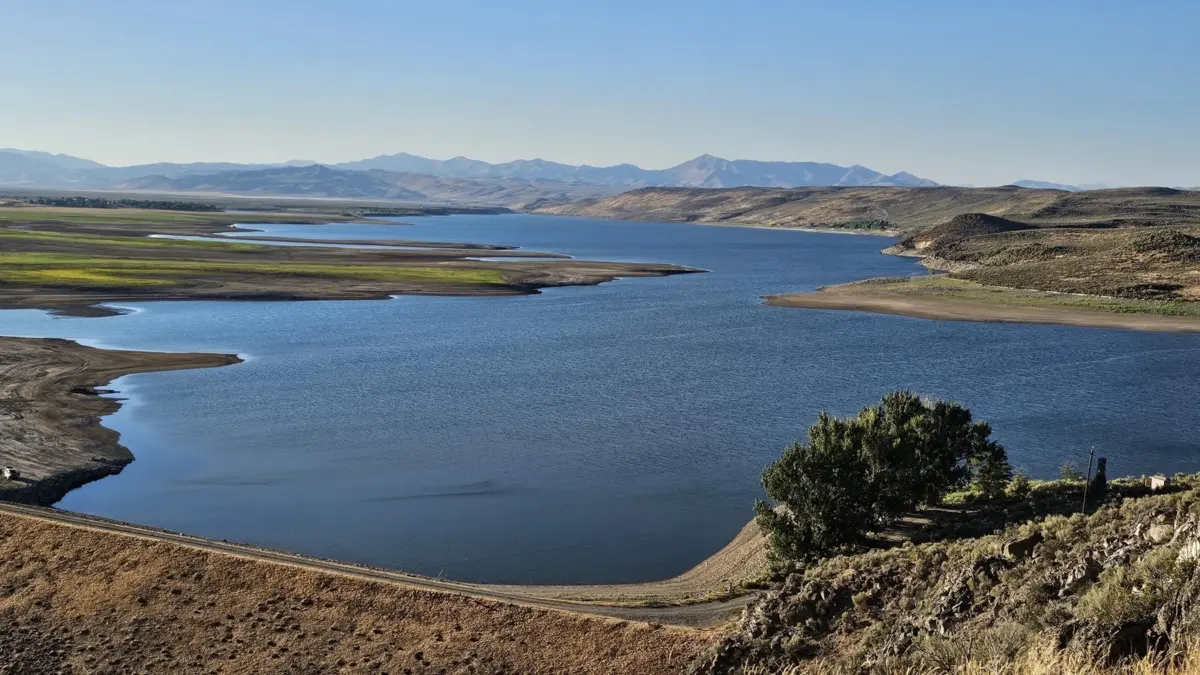
Under ideal conditions—specifically when the reservoir reaches full pool capacity—Magic Reservoir spans approximately 3,500 surface acres. However, relying on a static measurement is misleading. Because the lake’s primary function remains tied to downstream agricultural irrigation, its volume and surface area are subject to dramatic, seasonal contractions and expansions.
- Location: Situated in a quiet, secluded pocket of Southern Idaho, approximately one hour north of Interstate 84.
- Accessibility: Within a convenient two-hour drive from major population centers like Boise and Idaho Falls, making it an ideal weekend escape.
- Inflows and Outflows: Fed primarily by the Big Wood River, capturing pristine snowmelt originating high in the Sawtooth Mountains.
- Capacity Volatility: Water levels can fluctuate wildly from year to year based on winter snowpack depth. For instance, during severe drought cycles or heavy agricultural drawdown periods, storage capacity can plummet drastically—dropping as low as 7.6% capacity in recent years, which triggers localized fish salvage orders and exposes expansive lakebeds.
Angling Ecosystem and Fisheries Management
The biological health of Magic Reservoir is closely monitored and actively supported by Idaho Fish and Game (IDFG). Because natural reproduction faces hurdles due to fluctuating water levels and warm summer temperatures, IDFG maintains an aggressive stocking program.
- Stocking Schedule: Every year, before and during the peak fishing season, the agency introduces thousands of trout into the reservoir. These stocked fish range from small fingerlings to robust "keeper-size" trout measuring over a foot in length.
- Species Composition: While rainbow trout and other salmonids dominate the sport fishery, the reservoir is also home to abundant populations of yellow perch. These panfish provide steady action for anglers of all skill levels and are a staple target for winter ice-fishing enthusiasts when the reservoir freezes over.
- Thermal Refuges: During the scorching peak of summer, trout seek out cooler, deeper pockets of water or congregate near inflowing streams during the hottest hours of the day, making dawn and dusk the most productive windows for shore-based or float-tube anglers.
Land Management and Camping Infrastructure
The vast majority of the shoreline surrounding Magic Reservoir is public land overseen by the federal government. Visitors have access to a diverse array of overnight options:
- Commercial Resorts: Two established properties—East Side Magic on the eastern shore and West Magic Resort on the western side—offer seasonal RV sites, cabin rentals, dining, and boat launching facilities.
- BLM Semi-Developed Sites: Five designated primitive campgrounds managed by the Bureau of Land Management provide essential amenities, including vault toilets, fire rings, and sturdy picnic tables. Notably, these sites do not feature potable water systems, requiring campers to pack in all necessary drinking water.
- Dispersed Shoreline Camping: When water levels recede, ample space opens up across the exposed lakebed and surrounding benches for self-contained, dispersed camping under BLM guidelines.
Official Statements and Regulatory Shifts
The management of public lands around Magic Reservoir is undergoing notable administrative updates, reflecting a broader federal effort to balance public access with environmental stewardship and facility upkeep.
Federal Register Directives and Fee Implementations
According to official notices published in the Federal Register regarding public lands managed by the Shoshone Field Office in Idaho, the BLM has outlined proposals to establish new formal recreation fee areas across several public land sites, including those surrounding popular water bodies like Magic Reservoir.
Historically, visiting and camping along the expansive BLM-managed shorelines of the reservoir has been entirely free of charge for day-use visitors and overnight campers. Under the forthcoming management adjustments, the agency intends to implement structured day-use and camping fees. These funds are earmarked for direct reinvestment into the local landscape, intended to combat common public land issues such as litter accumulation, unauthorized off-road vehicle damage, and the lack of sanitation infrastructure.
Wildlife Agencies and Resource Protection
Concurrently, state natural resource agencies maintain strict oversight of the aquatic life within Magic Reservoir and its feeder streams. Idaho Fish and Game officials issue timely advisories during low-water years. When severe drought or rapid agricultural drawdowns threaten fish populations—such as the dramatic drop to 7.6% capacity recorded by local media outlet KIVI—IDFG occasionally implements emergency fish salvage orders on the Big Wood River and associated reservoirs. These temporary emergency rules allow anglers to harvest fish using liberalized bag limits, ensuring that wildlife is utilized rather than lost entirely to contracting aquatic habitats.
Future Outlook: Balancing Recreation, Conservation, and Agriculture
As Southern Idaho continues to experience rapid population growth and increasing interest in outdoor recreation, the future of Magic Reservoir hinges on a delicate multi-party balancing act between agricultural demands, ecological preservation, and recreational tourism.
Infrastructure Investments and Sustainable Access
The impending transition by the Bureau of Land Management toward fee-based recreation areas is expected to pave the way for tangible improvements in local infrastructure. Visitors in the coming years can anticipate better-maintained access roads, upgraded sanitation facilities, and clearly demarcated campsites designed to protect sensitive high-desert vegetation and prevent shoreline erosion.
However, land managers face the ongoing challenge of maintaining open, equitable access for local residents and traditional users while upgrading facilities to handle an influx of visitors from fast-growing urban centers like Boise, Meridian, and Twin Falls.
Navigating Climate and Water Variability
Perhaps the most significant factor shaping the long-term outlook of Magic Reservoir is climate variability and snowpack reliability. Because the reservoir relies entirely on natural mountain precipitation and snowmelt, shifting winter weather patterns introduce a high degree of unpredictability. Dry years will continue to test the resilience of the local fishery and constrain motorized water sports, shifting visitor activities away from boating and toward land-based adventures, such as exploring the nearby ancient lava flows, hiking rugged rock canyons, or embarking on day trips to regional landmarks like Shoshone Falls near Twin Falls and the volcanic wonderland of Craters of the Moon National Monument.
Ultimately, Magic Reservoir remains a resilient and captivating destination. Whether an angler is casting a line into the cool morning ripples of the Big Wood River, a family is setting up camp beneath the expansive desert sky, or a weary traveler is turning off Interstate 84 in search of solitude, this high-desert oasis continues to cast its unique, enduring spell on all who venture off the beaten path.