











Executive Overview
For mariners navigating coastal waters, inland lakes, and open oceans, safety equipment is the ultimate line of defense against unforeseen maritime emergencies. Among the most critical items required on board motorized vessels operating in federal waters are visual distress signals (VDS), prominently featuring pyrotechnic marine flares. Designed to pierce through darkness, heavy fog, and blinding rain, these devices signal distress to passing vessels, rescue aircraft, and Coast Guard units. However, because they rely on volatile pyrotechnic compounds to generate intense light, heat, and smoke, marine flares demand rigorous handling, meticulous maintenance, and lawful disposal protocols.
Despite their vital function in saving lives at sea, flares are frequently misunderstood and mishandled by recreational boaters. Far too often, expired or damaged flares are relegated to the back of a damp locker, tossed haphazardly into household trash, or improperly discharged into the night sky to "get rid of them." Such practices pose severe environmental hazards, violate local and federal safety ordinances, trigger false search-and-rescue operations, and risk catastrophic fires or personal injury.
This comprehensive guide delves into the structural lifecycle of marine flares. It establishes authoritative guidelines for storage, systematic inspection, regulatory compliance, legal disposal pathways, and emerging alternatives such as electronic visual distress signals. By adopting a proactive safety mindset, boaters can ensure their emergency equipment remains functional when seconds count, while upholding environmental and community stewardship.
Detailed Chronology: The Lifecycle of a Marine Flare
Understanding the lifespan of a marine pyrotechnic device—from manufacturing and on-board deployment to its ultimate retirement—is essential for every responsible skipper. The journey of a flare requires careful management at every stage to prevent premature degradation and hazardous incidents.
Phase 1: Procurement and Initial Stowage
The lifecycle begins the moment a boater purchases a certified VDS kit. Marine flares carry a mandatory expiration date, which typically ranges from 36 to 42 months (3 to 3.5 years) from the date of manufacture, as mandated by United States Coast Guard (USCG) regulations. Upon acquisition, flares must be unpacked in a clean, dry environment and transferred to an optimal storage location aboard the vessel. This location must strike a delicate balance: protected from moisture, corrosive saltwater spray, and extreme temperature fluctuations, yet immediately accessible to the crew in a high-stress emergency.
Phase 2: Active Service and Routine Maintenance
During their active window, flares must undergo periodic evaluations. Seasoned mariners do not wait for an emergency to inspect their safety gear. Best practices dictate a structured review schedule: before the launch of the primary boating season, prior to embarking on extended offshore passages, and immediately following any heavy weather event, hull impact, or potential water intrusion into the cabin or bilges. Regular audits verify that labels remain legible, expiration dates have not passed, and housings are free from hairline cracks, rust, or swelling.
Phase 3: Expiration and Status Transition
Once a flare reaches its stamped expiration date, it ceases to meet USCG carriage requirements, regardless of its physical appearance. At this juncture, the device transitions into "expired" status. Mariners face a critical decision point: remove the expired item from active service. While some regulations or jurisdictions permit keeping expired units as secondary, non-certified backups, they must never replace the primary, unexpired complement mandated by law. Expired flares must be segregated immediately and clearly labeled to eliminate panic or confusion during a crisis.

Phase 4: Safe Retirement and Lawful Disposal
The final phase of the flare’s lifecycle is retirement. Because pyrotechnics degrade chemically over time, becoming increasingly unstable or sensitive, they cannot be casually discarded. The retirement phase requires identifying an approved municipal, state, or commercial collection pathway. Transporting the flares securely to a designated hazardous waste facility or fire department ensures that the volatile materials are neutralized safely through industrial destruction processes rather than backyard burning or illegal dumping.
Supporting Context & Metrics: The Physics and Hazards of Pyrotechnics
To fully appreciate why marine flares require such stringent management, one must examine the chemical and physical properties that make them effective.
The Science of Combustion
Marine flares are essentially miniature industrial pyrotechnic engines. Most hand-held, aerial, and floating signals utilize compositions based on potassium perchlorate, strontium nitrate, and powdered metals such as magnesium or aluminum. When ignited, these chemical formulations produce an intense oxidative reaction capable of burning at temperatures exceeding 3,000°F (1,648°C).
This extreme thermal output allows the flare to pierce atmospheric obscurity, but it also creates severe collateral hazards. A burning pyrotechnic flare does not require external oxygen to sustain its reaction; it carries its own oxidizer. Consequently, attempting to extinguish a malfunctioning flare with water or smothering it is often ineffective and can lead to explosive ruptures, dangerous sputtering, or toxic smoke dispersion. Furthermore, aerial flares rely on propellant charges that launch projectiles hundreds of feet into the air, introducing significant risks of falling hot slag, structural fires on vessels, and severe burns to human flesh.
Regulatory Standards and Compliance Metrics
Under Title 33 of the Code of Federal Regulations (CFR), recreational boats operating on coastal waters, the Great Lakes, and territorial seas—as well as those connected waters up to a point where the waterway is less than two miles wide—must be equipped with visual distress signals at all times.
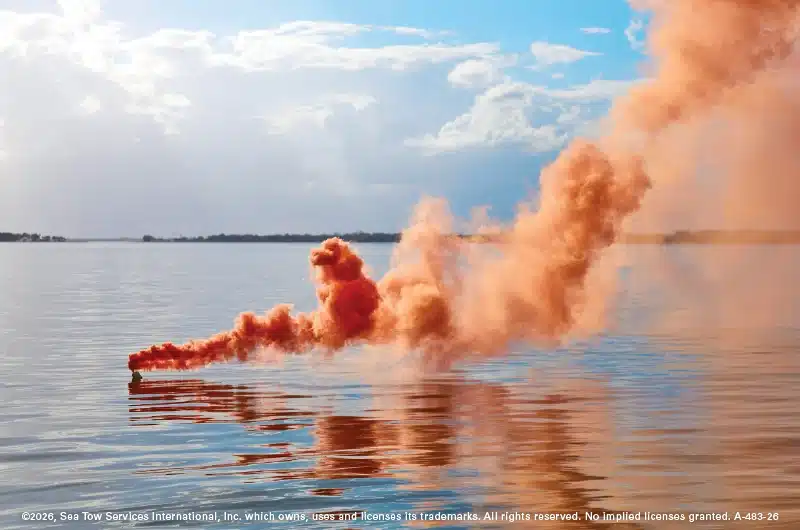
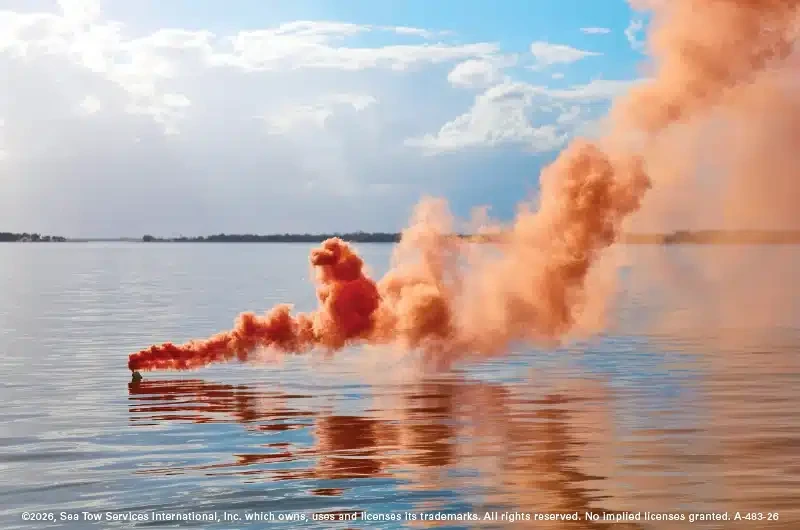
- Day vs. Night Requirements: Vessels must carry devices certified for both daytime use (such as orange smoke signals or orange flags marked with a black square and circle) and nighttime use (such as red aerial flares or red hand-held flares), or versatile combination units that satisfy both criteria.
- Carriage Quantities: Standard requirements dictate a minimum of three unexpired day-and-night-use signals, or three distinct daytime signals paired with three distinct nighttime signals.
- The Expiration Penalty: Relying on expired flares to meet these mandatory carriage quotas can result in substantial civil penalties, voyage termination by law enforcement, and, most importantly, compromised safety during a maritime emergency.
Official Statements and Industry Guidance
Maritime safety agencies, coast guards, and marine assistance organizations maintain a unified stance regarding the handling and disposal of pyrotechnic distress signals.
The United States Coast Guard (USCG) repeatedly emphasizes that expired pyrotechnics represent a persistent hazardous waste challenge. In official safety bulletins, the Coast Guard notes: "Pyrotechnic distress signals are regulated explosives and hazardous materials. Disposing of them improperly—such as throwing them in standard municipal waste streams, detonating them in open fields, or discharging them into waterways—creates severe environmental contamination risks, endangers sanitation and emergency personnel, and diverts scarce search-and-rescue assets to investigate false alarms."
Similarly, Sea Tow, a premier provider of on-water marine assistance, highlights the operational necessity of structured safety audits. A Sea Tow safety spokesperson notes: "Marine flares are an indispensable lifeline when your vessel loses power, takes on water, or suffers catastrophic communications failure. However, they are temporary assets with an expiration date for a reason. Boaters must treat safety equipment with the same rigor as their engines and hull integrity. Keeping them dry, checking them seasonally, and disposing of them responsibly are hallmarks of a truly prepared captain."
Environmental protection agencies and local fire marshals echo these sentiments, pointing out that municipal incinerators and standard trash compactors are not designed to process unexploded commercial-grade pyrotechnics. When crushed in a sanitation truck, pressurized flare bodies can detonate, causing catastrophic equipment damage and threatening the lives of sanitation workers.
Future Outlook: Electronic Alternatives and Advanced Safety Technology
As the maritime industry modernizes, traditional pyrotechnic flares are increasingly sharing deck space with innovative technological alternatives. The ongoing evolution of safety gear points toward a cleaner, safer, and more sustainable future for visual distress signaling.
The Rise of Electronic Visual Distress Signals (eVDSS)
In recent years, the USCG and international regulatory bodies have approved the use of electronic visual distress signals as a legal substitute for traditional pyrotechnic night flares, provided they meet specific performance criteria (such as flashing the SOS rescue sequence in international Morse code and meeting luminosity requirements).
Electronic distress signals offer profound advantages over chemical flares:
- Reusability and Longevity: Powered by durable LED technology and long-lasting batteries, eVDSS units can be tested repeatedly without degradation. They do not expire in the traditional sense, though internal batteries must be inspected and replaced periodically.
- Zero Thermal Hazard: Because they do not rely on open flames, chemical oxidation, or hot falling slag, electronic signals eliminate the risk of accidental onboard fires, severe burns, and explosive misfires.
- Environmental Neutrality: Electronic beacons produce no toxic smoke, chemical residue, or hazardous waste upon disposal. When a battery eventually fails, it can be recycled through standard electronics recycling programs.
Note for Mariners: While eVDSS units fulfill nighttime carriage requirements when paired with an approved daytime visual signal (such as an orange distress flag), many seasoned boaters continue to carry a hybrid suite of gear to maximize visibility across varying atmospheric conditions.
The Path Forward for Safe Disposal Infrastructure
A persistent hurdle for recreational boaters has been the scarcity of universal, standardized disposal collection points. Unlike household batteries or used motor oil, marine pyrotechnics lack a ubiquitous nationwide collection network.
Looking forward, industry advocacy groups, manufacturers, and environmental agencies are collaborating to establish permanent take-back programs, localized amnesty days, and manufacturer-sponsored mail-in recycling initiatives. As regulatory pressure mounts and environmental awareness grows, the marine industry is moving toward a closed-loop framework where expired pyrotechnics can be returned directly to suppliers for certified de-manufacturing and chemical neutralization.
Best Practices Checklist for Boaters
To operationalize the insights detailed in this guide, mariners should implement the following actionable protocols:
- Stow Securely, Access Instantly: Keep flares in a designated, water-resistant container away from loose tools, petroleum products, and batteries. Ensure every adult crew member knows precisely where the kit is housed.
- Conduct Seasonal Audits: Inspect all VDS gear prior to the boating season, before offshore voyages, and after any severe weather event. Check for cracking, rust, moisture intrusion, and expiration dates.
- Segregate Expired Units: If retaining expired flares as non-certified backups, store them in a distinctly marked, separate container to prevent confusion during an emergency.
- Never Misuse Pyrotechnics: Never discharge a flare to celebrate an event, test its functionality, or dispose of it. Doing so is illegal, dangerous, and subject to heavy fines.
- Consult Local Authorities First: When retiring old flares, contact local hazardous waste programs, fire departments, or law enforcement agencies to identify certified collection events or take-back protocols.
- Embrace Modern Tech: Supplement or transition your safety kit with USCG-approved electronic visual distress signals to reduce hazardous waste and enhance long-term operational readiness.
By treating visual distress signals with the respect, technical vigilance, and environmental responsibility they demand, boaters protect not only their vessels and crews, but the broader marine ecosystem and the dedicated emergency personnel who keep our waterways safe.


