Tucked into the rugged contours of the Borough of Pendle in Lancashire, England, the industrial-era town of Nelson offers a striking study in historical duality. Formed in 1864 through the merging of two distinct villages—Walverden and Little Marsden—Nelson occupies a landscape whose human footprint traces back deep into the Iron Age. Yet, despite its mid-nineteenth-century municipal origins, the modern identity of the town and its surrounding district is indelibly shadowed by a haunting seventeenth-century narrative: the infamous Pendle witch trials of 1612.
Today, Nelson functions as an increasingly vital regional hub, strategically situated roughly an hour’s drive from the major urban centers of Leeds and Blackpool. Far from being merely a relic of industrial manufacturing or dark folklore, the town has undergone a deliberate transformation. It now presents travelers and day-trippers with a sophisticated fusion of agrarian heritage, pristine Victorian green spaces, innovative public art installations, and a burgeoning culinary scene rooted in locally sourced British produce.
This report provides an in-depth examination of Nelson and its surrounding Pendle region, exploring the socio-historical catalysts of the 1612 witch trials, the infrastructural evolution of the area’s iconic parks, the socio-economic impact of its local gastronomy, and the future outlook for tourism and cultural preservation in this storied corner of Northern England.
Detailed Chronology: From Iron Age Settlement to Victorian Industrialization
To understand Nelson and its surrounding borough, one must view the region through a chronological lens that spans millennia. While the municipal entity known as Nelson did not officially appear on maps until the mid-19th century, the geography of Pendle has sustained human populations for thousands of years.
Pre-History and the Roman Era
Archaeological findings across the Pendle district—including hillfort remnants, scattered flint tools, and ancient burial mounds—confirm that Celtic and Iron Age tribes inhabited the sheltered valleys beneath the looming shadow of Pendle Hill. Following the Roman conquest of Britain, the region served as a rugged frontier zone. Roman roads cut through the broader Lancashire landscape, connecting military outposts, though the high moors and dense oak forests of Pendle largely remained untamed.
The Crucible of 1612: The Pendle Witch Trials
The most pivotal, albeit tragic, chapter in the region’s history unfolded during the early seventeenth century. In 1612, a convergence of religious paranoia, local feuds, and socio-economic deprivation birthed one of the most famous and meticulously documented witch trials in English history.
At the time, Lancashire was viewed by the central English authorities as a wild, remote, and heavily Catholic county—a spiritual backwater far removed from the progressive influences of London. In August 1612, local magistrates seized upon accusations brought against two rival families, the Demdikes and the Whittakers (often referred to collectively as the Pendle witches).
The Accusations: Eight women and two men were formally charged with practicing malevolent witchcraft (maleficium). They were cumulatively blamed for at least 16 mysterious deaths that had occurred across the district over the preceding decades.
The Forced March: Prior to their trial at the Lancaster Assizes, the accused prisoners were subjected to a grueling, 45-mile forced march on foot from the Pendle area over treacherous terrain to Lancaster Castle. Today, this harrowing route forms the basis of historical pilgrimage and recreational trails.
The Verdict: Tried under the Witchcraft Act of 1604, nearly all the accused were condemned to death. Days after the verdict, they were publicly hanged at Gallows Hill in Lancaster.
The 19th Century: The Birth of Nelson
For centuries following the 1612 trials, the area remained a patchwork of agrarian settlements, small weaving communities, and scattered farmsteads. However, the Industrial Revolution fundamentally reshaped the geography of Lancashire.
In 1864, the rapidly expanding villages of Walverden and Little Marsden officially merged. Taking its name from the Nelson Inn—a local public house named in honor of Admiral Horatio Nelson—the newly minted town quickly transformed into a bustling center of the cotton-weaving industry. Mills proliferated, the Leeds and Liverpool Canal brought vital commercial shipping routes, and row houses for textile workers sprang up across the valley floor.
Supporting Context & Metrics: Geography, Demographics, and Tourism Infrastructure
While Nelson’s industrial core drove its Victorian expansion, its geographic positioning makes it an ideal case study in modern post-industrial tourism revitalization.
Geographic Metrics and Accessibility
Regional Proximity: Nelson sits ideally for regional tourism, positioned approximately 35 miles north of Manchester, 30 miles west of Leeds, and 45 miles east of Blackpool.
Transit Connectivity: Accessible via the M65 motorway and the East Lancashire railway line, the town serves as a functional gateway for travelers seeking to escape urban density.
Topography: The town is cradled by the Pennine range, dominated by the iconic, flat-topped mass of Pendle Hill, which rises 557 meters (1,827 feet) above sea level.
Key Cultural and Recreational Infrastructure
Local municipal bodies and conservation groups have heavily invested in transforming post-industrial tracts into world-class green spaces and historical trails. The following metrics outline the primary points of interest within and immediately surrounding Nelson:
Attraction Name
Distance from Central Nelson
Primary Feature / Significance
Pendle Heritage Centre
2 miles (Barrowford)
17th-century barn complex housing historical archives, exhibitions on the Pendle witches, and tourist information.
Pendle Sculpture Trail
4 miles (Barley/Nick o’ Pendle)
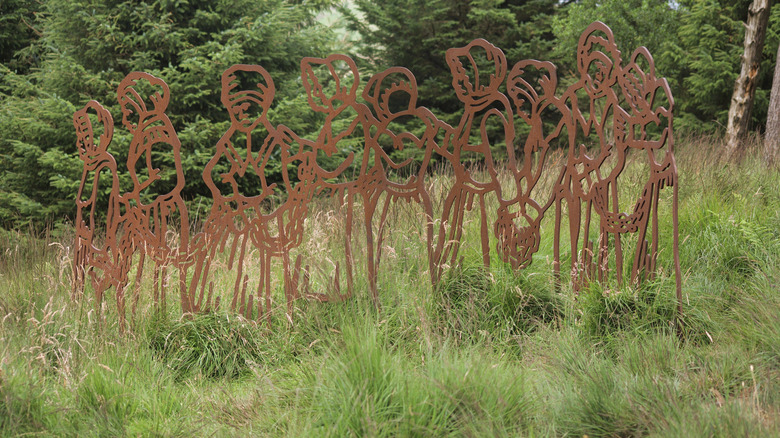
3-mile walking route featuring ceramic plaques and copper-colored sculptures dedicated to the 1612 trial victims.
Marsden Park
Central Nelson
The borough’s largest park, built around a 16th-century hall, featuring mature woodlands and an 1841 Icosahedral Sundial.
Victoria Park
Central Nelson
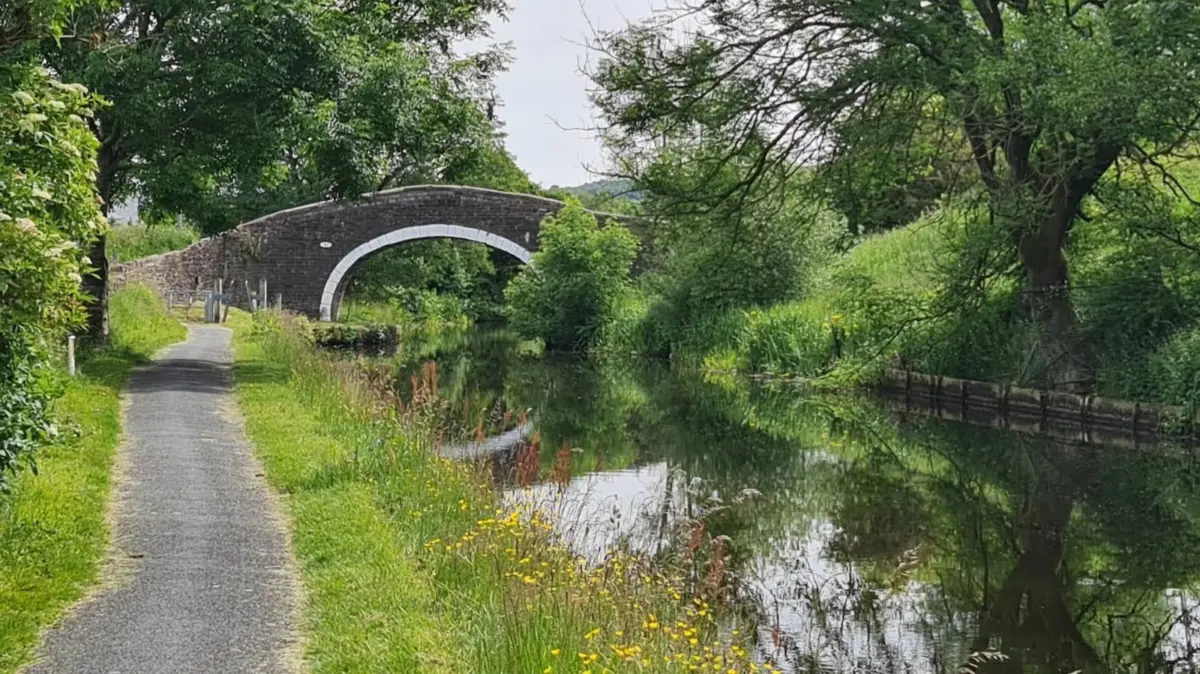
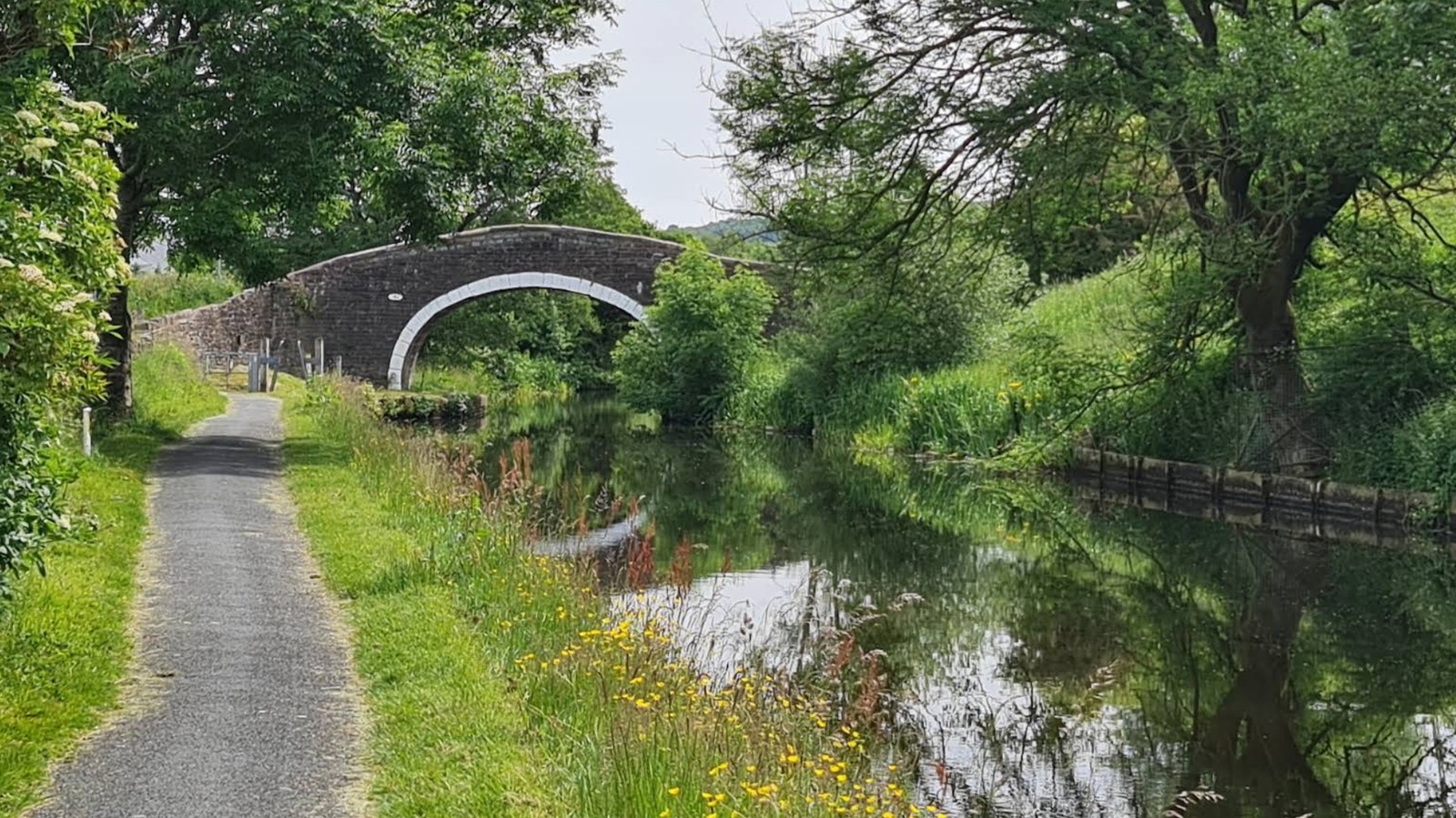
Riparian urban park featuring historic stone bridges, expansive lakes, waterfowl populations, and the Victoria Park Pavilion Café.
Official Statements and Expert Perspectives
Local historians, municipal planners, and tourism boards have increasingly emphasized the necessity of balancing dark tourism—specifically interest in the 1612 witch trials—with the preservation of the region’s natural beauty and everyday community life.
Dr. Arlene Henderson, a Lancashire-based cultural historian specializing in 17th-century legal frameworks, notes that the enduring fascination with the Pendle witches is rooted in the tragic humanity of the events:
"The trials of 1612 are frequently sensationalized in popular culture, but when you walk the landscape between Nelson and Lancaster, you are tracing the footsteps of real, marginalized people caught in a terrifying machinery of state and religious panic. The landscape acts as an open-air archive. It forces contemporary visitors to reckon with how fear of the ‘other’ shaped early modern Britain."
From a developmental perspective, Pendle Borough Council representatives have consistently highlighted the economic revitalization brought by heritage tourism. In recent municipal planning briefs, urban regeneration officers emphasized that cultural assets like the Pendle Sculpture Trail and the modernization of historic parks have directly stimulated micro-economies within hospitality and retail sectors.
A spokesperson for the local tourism initiative Visit Lancashire remarked:
"Nelson and its surrounding villages occupy a unique psychological space in the British imagination. By pairing our rich industrial heritage and our world-renowned literary and historical associations—from the Bronte country nearby to the Pendle witchcraft trials—with a modern, high-quality culinary and park infrastructure, we offer day-trippers an experience that is both intellectually engaging and deeply restorative."
Future Outlook: Sustainable Tourism and Culinary Evolution
As the tourism landscape shifts toward experiential travel and regional exploration, Nelson and the broader Borough of Pendle are well-positioned for sustainable growth. However, this growth requires careful navigation between commercialization and the preservation of ecological and historical integrity.
1. Expanding Heritage and Eco-Tourism
Plans are currently underway by local conservation trusts to further develop and maintain walking and cycling routes, including the long-distance Pendle Way. By integrating digital interpretive guides along the Pendle Sculpture Trail and the 45-mile historical trial route to Lancaster Castle, authorities aim to educate visitors without degrading the natural environment of the Forest of Bowland Area of Outstanding Natural Beauty (AONB).
2. The Rise of Artisan Gastronomy
The culinary profile of Nelson and its surrounding villages has undergone a quiet revolution. Moving away from purely traditional, heavy industrial-era fare, local establishments have embraced farm-to-table models.
Historic Longevity: Institutions like Holt’s Fish & Chips demonstrate that traditional British staples retain national acclaim when executed with rigorous quality standards.
Modern Bistos: Venues such as Northern Relish in the surrounding district highlight the growing demand for locally sourced artisan sandwiches, regional cheeses, and creative fusion dishes (such as specialty fries topped with tandoori chicken or brie).
Gastropub Culture: Classic country pubs, including the Thatch and Thistle, successfully bridge the gap between historic British hospitality and contemporary culinary diversity, offering menus that cater to both traditionalists and modern palates.
Conclusion
Nelson, Lancashire, stands as a testament to the layers of British history. From the Iron Age tribes that first looked up at Pendle Hill, to the tragic judicial tragedies of 1612, the sweat and steel of the Victorian textile boom, and finally to the contemporary resurgence of scenic parks and artisanal dining, the town offers a multifaceted narrative. For the discerning traveler seeking a day trip rich in historical depth, visual splendor, and culinary comfort, Nelson and the Borough of Pendle deliver an experience that is nothing short of bewitching.