











Executive Overview
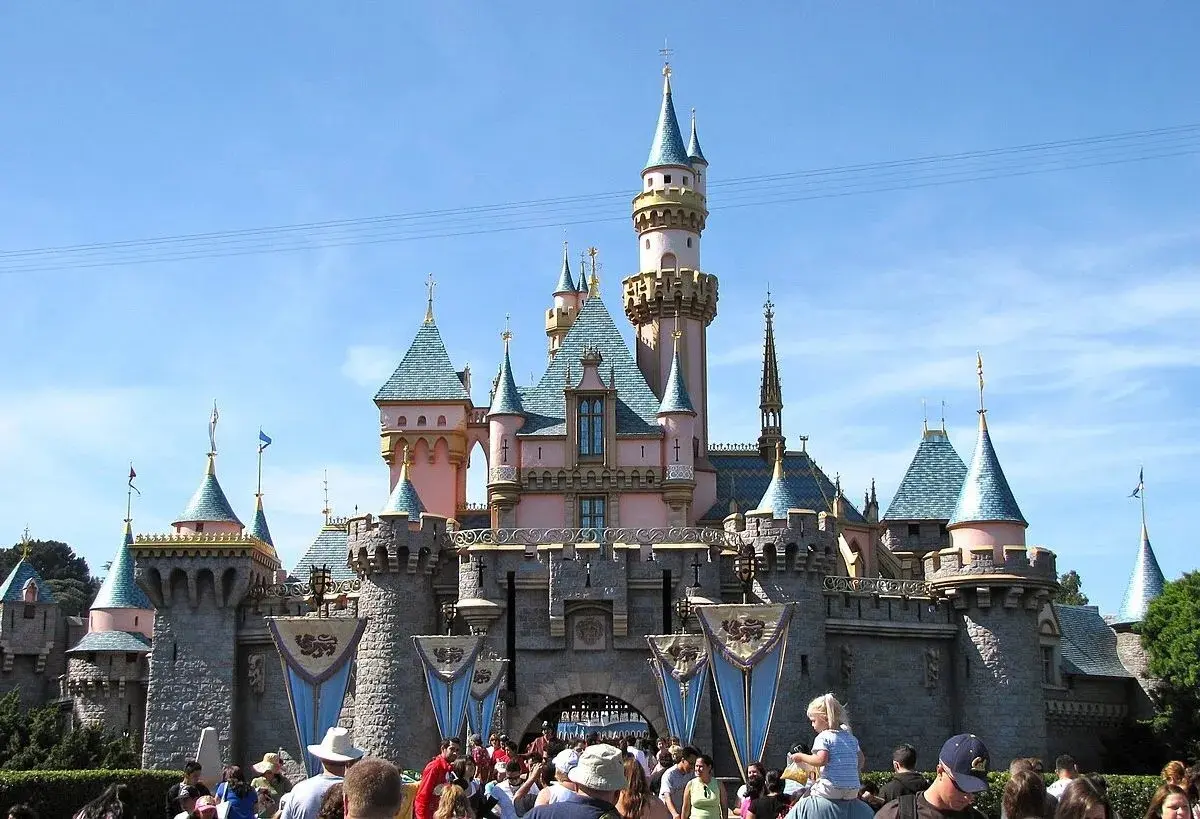
For nearly a century, the Walt Disney Company has sold a very specific, deeply ingrained cultural product: institutionalized escapism. From the moment Walt Disney welcomed the first visitors through the turnstiles of Anaheim in 1955, the proposition was straightforward: pay the price of admission, step past the berm, and leave the realities of the outside world behind.
Yet, as the global landscape of tourism, entertainment, and consumer spending shifts, the mechanics of keeping the "Happiest Place on Earth" afloat—and wildly profitable—have grown profoundly complex.
In its latest strategic pivot, Disney has introduced a nuanced round of pricing adjustments across its domestic parks. Rather than applying a blunt instrument across the board, the company has deployed a targeted approach: premium add-ons, Genie+ (now Lightning Lane) services, and peak-demand single-day tickets continue to climb, while the baseline, lowest-tier admission prices have remained remarkably stable.
This is not an accident of market forces, nor is it a sudden act of corporate benevolence. It is the execution of a sophisticated, long-range economic strategy.
Disney is betting its future on an "on-ramp" model designed to capture budget-conscious first-timers and young families, enticing them into the ecosystem early with accessible entry points, while extracting higher yields from peak periods, affluent tourists, and die-hard superfans willing to pay a premium for expedited access and exclusive experiences.
This investigative report examines the data behind Disney’s modern pricing architecture, the corporate philosophy articulated by leadership, the historical trajectory of theme park inflation, and what these trends reveal about the future of the experiential economy.
Detailed Chronology: A Decade of Escalation and Adaptation
To understand where Disney’s pricing strategy stands today, one must trace the timeline of how access to its parks has evolved over the past decade. The transformation of a standard, flat-rate admission ticket into a dynamic, hyper-segmented pricing matrix represents one of the most radical shifts in modern retail and leisure history.

2014–2016: The Shift to Tiered Pricing
For generations, a Disneyland or Walt Disney World ticket cost the same whether you visited on Christmas Day or a rainy Tuesday in February. However, surging attendance and unmanageable crowd bottlenecks forced Disney’s hand.
In early 2016, Disneyland officially abandoned flat-rate single-day tickets in favor of a tiered system. Days were categorized into "Value," "Regular," and "Peak" periods. This move marked the psychological watershed moment: Disney formally tied the cost of admission directly to supply and demand, setting the stage for aggressive, algorithm-driven pricing structures.
2019: Freezing the Floor
By 2019, single-day entry prices had steadily climbed, causing growing friction among middle-class families. In response to mounting public relations pressures—and a nascent realization that pricing out families permanently damages the lifelong loyalty pipeline—Disney made a surprising strategic choice.
The lowest-tier ticket price for Disneyland was set at $104. Remarkably, through successive waves of inflation and post-pandemic economic volatility, that baseline price has remained untouched. While higher tiers escalated rapidly, Disney deliberately preserved a $104 anchor to maintain its identity as an accessible destination for budget-conscious planners.
2020–2022: The Pandemic Disruption and the Death of Free FastPass
The COVID-19 pandemic threw the travel industry into unprecedented chaos. When the parks reopened, Disney implemented strict capacity reservations and utilized the downtime to overhaul its operational infrastructure.
The free FastPass, MaxPass, and paper distribution systems were permanently retired. In their place came Genie+, a paid digital queue-skipping service that immediately became a lightning rod for guest criticism.
Simultaneously, annual pass programs were overhauled into reservation-reliant tiers with evocative names like "Magic Key," sparking lawsuits and fierce community debates over the monetization of loyalty.
2023–Present: The Precision Pricing Era
Today, Disney has moved past blunt price hikes, refining its strategy into micro-targeted revenue management. The company has decoupled general admission from auxiliary spending.
By keeping baseline entry flat while aggressively escalating the costs of Lightning Lane Multi-Pass, Premier Pass options, VIP tours, and peak-holiday single-day tickets (which have nearly doubled over the past ten years), Disney is effectively allowing consumers to self-select their financial commitment.
The messaging is clear: the gates remain open at a historical price point, but the speed, convenience, and exclusivity of the experience command a luxury tax.
Supporting Context & Metrics: The Numbers Behind the Magic
To evaluate the true scope of Disney’s pricing evolution, industry analysts look closely at hard data. According to extensive long-term tracking by specialized Disney news and analytics outlets like Mickey Visit, the economic reality of visiting a Disney resort has undergone a staggering transformation over the past decade.
+---------------------------------------------------------------------------------+
|                         DISNEYLAND SINGLE-DAY TICKET METRICS                    |
+----------------------------------+-----------------------+----------------------+
| Metric Category                  | 2014 Baseline         | Current Data         |
+----------------------------------+-----------------------+----------------------+
| Highest-Tier Single-Day Ticket   | $119                  | $224                 |
| Lowest-Tier "Anchor" Ticket      | ~$92                  | $104 (held since '19)|
| Decade-Long Price Growth (Peak)  | -                     | Up ~88%              |
| Baseline Price Stability         | -                     | 6+ Years Unchanged   |
+----------------------------------+-----------------------+----------------------+
The 88% Surge at the Top
Ten years ago, the absolute most expensive single-day ticket to enter Disneyland in Anaheim cost $119. Today, peak-day tickets—covering major holidays, spring break windows, and high-demand summer weekends—have climbed to $224. This represents an increase of nearly 88%, easily outpacing standard consumer price index (CPI) inflation over the same period.
This divergence highlights a core tenet of modern leisure economics: experiential goods, particularly those with high emotional resonance and intellectual property moats, do not follow traditional commodity pricing rules. Demand for premier dates remains exceptionally inelastic among core demographics.
The Power of the $104 Anchor
Conversely, the preservation of the $104 entry-level ticket serves a vital psychological and demographic function. By shielding this price point from inflation, Disney protects its brand narrative.
When critics accuse the company of pricing out everyday families, executives can point directly to the $104 anchor and various regional discount promotions—such as Southern California resident ticket deals and evening-only entry promotions—as proof of ongoing accessibility.
Furthermore, data analytics indicate that families who enter the park on discounted or lower-tier tickets do not spend zero dollars once inside. On the contrary, once the barrier of admission is cleared, these visitors frequently convert into high-yield consumers of food, beverage, merchandise, and premium photo packages.
By lowering the initial barrier to entry, Disney widens the top of the sales funnel, securing future generations of brand loyalists.
Official Statements and Corporate Strategy
The rationale behind this intricate balancing act was laid bare during a recent Goldman Sachs Communacopia + Technology Conference. Speaking to investors and analysts, Walt Disney Company Chief Financial Officer Hugh Johnston offered rare, candid insight into the psychology driving modern park pricing.
"Pricing is something we are acutely sensitive to," Johnston stated during the conference. "We want to build an on-ramp for young families who will continue to visit as their wealth builds."
Johnston’s remarks underscore a fundamental corporate realization: theme parks cannot survive on an aging demographic of wealthy superfans alone. To maintain long-term equity, the parks must continually replenish their customer base with children and young adults who experience the magic firsthand, embedding the Disney brand into their lifelong consumer habits.
If pricing becomes so prohibitive that a young family can never afford their first trip, the future pipeline of cruise line passengers, Disney+ subscribers, and merchandise buyers dries up.
Industry analysts note that Johnston’s comments reflect a delicate tightrope walk. Disney’s Experiences division—which includes domestic and international theme parks, cruise lines, and consumer products—has long served as the reliable financial engine of the broader corporation, often subsidizing the volatile streaming and traditional media sectors.
Consequently, park leadership faces relentless pressure from Wall Street to maximize operating income and margins quarter after quarter.
Balancing this fiduciary mandate with the necessity of brand accessibility requires the exact type of micro-segmentation Disney is currently deploying: squeeze the margins out of the discretionary, high-end consumer while keeping the front door cracked open for the masses.
Future Outlook: The Next Era of Theme Park Economics
As we look toward the remainder of the decade and beyond, the blueprint for Disney’s theme parks is shifting from physical expansion alone to data-driven optimization and immersive integration. Several key trends will define the future of Disney’s pricing and operational models:
1. Advanced Personalization and Dynamic Bundling
Expect the line between ticketing and digital services to blur further. Rather than purchasing a standalone ticket and adding Lightning Lane options a la carte, future visitors will likely encounter highly personalized, algorithmic vacation packages.
Using machine learning informed by app usage, past visits, and search behavior, Disney will be able to offer bespoke pricing bundles tailored precisely to a family’s willingness to pay.
2. The Expansion of Capacity and "Spillover" Markets
Pricing is ultimately a function of supply and demand. Because physical space inside Anaheim’s Disneyland Park and Florida’s Magic Kingdom is finite, prices will inevitably continue to rise for peak periods unless supply increases.
This explains why Disney is investing heavily in global park expansions—such as major upcoming lands announced for California Adventure and Walt Disney World—as well as expanding the Disney Cruise Line fleet. By creating more physical capacity and alternative vacation destinations, Disney aims to distribute demand more evenly, mitigating extreme price spikes while capturing a larger share of the global family travel market.
3. Navigating the Public Relations Tightrope
As economic pressures fluctuate, Disney will face continued public scrutiny regarding the cost of family vacations. The cultural narrative of a "once-affordable family vacation" transforming into a luxury-tier excursion is a persistent PR challenge.
How the company manages the perception of value will determine whether its pricing strategy remains sustainable or crosses the threshold into alienation. By leaning heavily into promotional discounts during off-peak seasons and safeguarding baseline ticket prices, Disney hopes to thread the needle.
Conclusion
Disney’s current pricing strategy is a masterclass in modern corporate economics. It acknowledges that the modern consumer market is not monolithic. By treating admission not as a single commodity, but as a multi-tiered spectrum ranging from accessible entry points to luxury-priced convenience add-ons, Disney is attempting to have it both ways.
They are maintaining an emotional connection with cash-strapped first-timers while aggressively capturing the capital of affluent tourists and devoted fans.
Whether this delicate equilibrium can be sustained as inflation and economic pressures persist remains the central question for the House of Mouse. Yet one truth remains indisputable: the pixie dust may be magical, but the math behind it is colder, sharper, and more calculated than ever before.


