











Executive Overview
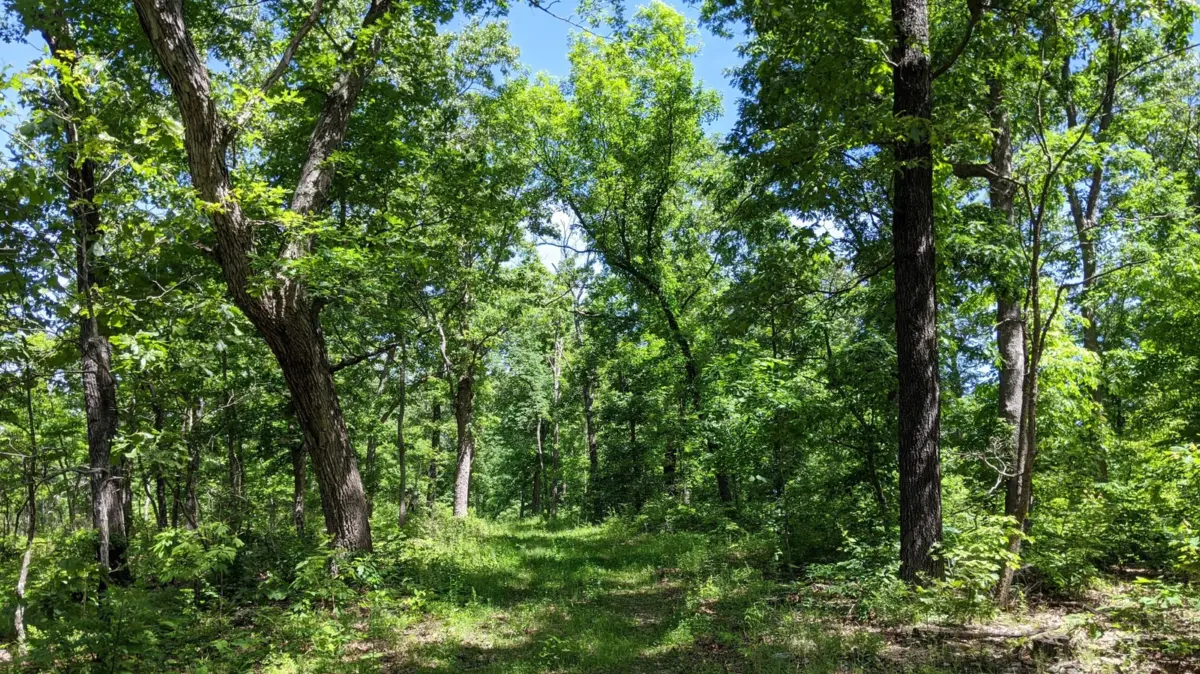
Heading southwest from St. Louis, the rapid hum of suburban development steadily gives way to a more ancient, rhythmic landscape. The asphalt arteries bleed out into rolling two-lane highways, where concrete shoulders surrender to the dense, undulating canopies of the Missouri Ozarks. Here, the topography shifts dramatically into a rugged tapestry of wooded ridges, sun-baked rocky glades, and deeply carved hollows that whisper of geological eras long past.
Tucked quietly within this diverse ecosystem—straddling the border of Franklin and Washington counties near the communities of St. Clair, Sullivan, and Lonedell—lies the Little Indian Creek Conservation Area. Spanning more than 4,200 acres of protected public land, this remote sanctuary sits roughly 47 miles southwest of downtown St. Louis. For urbanites and nature enthusiasts alike, it offers a deceptive convenience: a manageable one-hour drive that deposits travelers into a realm that feels remarkably isolated from the frantic pace of modern life.
Unlike the manicured state parks equipped with modern bathhouses, paved walking paths, and visitor centers, Little Indian Creek is an exercise in unvarnished, raw wilderness. It serves as a vital ecological stepping stone—a rugged, unfiltered preview of the vast, untamed expanse of the Mark Twain National Forest located further to the south. Managed by the Missouri Department of Conservation (MDC), the property balances active ecological restoration with quiet, primitive recreation. Whether visitors arrive to navigate its more than 20 miles of rugged multi-use trails, cast a line into secluded waters, birdwatch beneath dense oak-pine canopies, or pitch a tent under a blanket of stars, Little Indian Creek demands respect, preparedness, and a genuine appreciation for the outdoors in its most natural state.
Detailed Chronology: From Agricultural Exploitation to Ecological Restoration
To truly understand the ecological vitality of Little Indian Creek Conservation Area today, one must look backward through its complex historical timeline. The land that currently provides refuge for migrating warblers, white-tailed deer, and weary hikers has undergone profound transformations over the last century and a half.
Pre-Acquisition Era: Timber, Tillage, and Pasture
Before European settlement and subsequent industrialization, the region was a dynamic mosaic of fire-maintained oak woodlands and open dolomite glades, continuously shaped by indigenous land stewardship and natural lightning-induced fires. As the 19th and early 20th centuries progressed, the introduction of homesteading and commercial enterprise fundamentally altered the landscape.
For decades, the acreage comprising the modern conservation area was heavily exploited. Portions of the fertile hollows and flatter ridge tops were subjected to row cropping, tearing up native perennial root systems to plant seasonal yields of corn and wheat. Other sections were systematically clear-cut for timber production, feeding the insatiable infrastructural demands of a growing Missouri economy. Furthermore, large tracts were converted into intensive livestock pasture, resulting in soil compaction, accelerated erosion along creek banks, and the suppression of native understory species. By the mid-20th century, the land was exhausted, its ecological resilience severely tested by generations of extractive use.
1978: Public Acquisition and the Birth of a Conservation Area
Recognizing the hydrological importance of the watershed and the inherent ecological value of the rugged Ozark terrain, the State of Missouri stepped in. In 1978, the Missouri Department of Conservation officially acquired the property, establishing the Little Indian Creek Conservation Area.

The initial mandate was clear yet daunting: halt the degradation, mitigate active erosion, and begin the arduous process of ecological healing. Early management efforts focused primarily on boundary establishment, basic access creation, and preventing further agricultural runoff into the fragile tributary streams of Simons Hollow and Little Indian Creek itself.
Modern Management: Prescribed Burns and Glade Restoration
In the decades following its acquisition, the MDC transitioned from passive protection to active, science-based habitat management. Recognizing that many Ozark species—both flora and fauna—depend on periodic fire disturbance to thrive, the department reintroduced prescribed burns as a cornerstone management tool.
Today, forestry technicians and wildlife biologists meticulously plan and execute controlled burns across the property. These fires clear out dense accumulations of leaf litter and invasive brush, stimulate the germination of dormant native seeds, and prevent the over-encroachment of fire-intolerant woody species into the sun-drenched glades.
Concurrently, timber management programs are employed to selectively thin overcrowded pine and hardwood stands. This deliberate opening of the canopy allows sunlight to penetrate the forest floor, encouraging the growth of native grasses, wildflowers (such as the delicate Virginia bluebells that line the creeks in spring), and vital browse for native wildlife. Through these concerted interventions, Little Indian Creek has evolved from an exhausted agricultural footprint into a thriving, resilient biological reserve.
Supporting Context & Metrics: Navigating the Terrain
Little Indian Creek is not a destination for the casual stroller looking for a leisurely afternoon walk on paved concrete. It is a working conservation landscape where geography dictates the visitor experience. Below is a detailed breakdown of the metrics, trail systems, and ecological markers that define the property.
Geographical and Topographical Metrics
- Total Acreage: Over 4,200 acres spanning the convergence of Franklin and Washington counties.
- Distance from St. Louis: Approximately 47 miles southwest (roughly a 60-to-70-minute drive via I-44).
- Trail Network: More than 20 miles of multi-use trails and service access roads.
- Primary Loop Distance: Approximately 10.5 miles (often cited between 10.2 and 10.5 miles depending on GPS tracking and specific spur routes).
- Elevation Gain: Over 1,400 feet of cumulative elevation change along the primary loop, presenting sustained climbs and steep descents across rocky Ozark terrain.
- Water Features: Little Indian Creek traverses the property for slightly over half a mile, complemented by numerous vital tributary streams running through Simons Hollow and an established interior fishing pond.
The Trail System: Rugged, Remote, and Rewarding
The trail network at Little Indian Creek is designed for versatility, accommodating hikers, mountain bikers, and equestrians (with strict seasonal caveats). However, the terrain is characteristically unforgiving.
- The 10.5-Mile Loop: The crown jewel of the trail system is its long-distance loop. Navigating this trail requires endurance and sure-footedness. The route dips deep into shaded creek valleys before forcing hikers to claw their way back up steep, rocky ridges.
- Creek Crossings and Footwear: Because the trail network intersects numerous unbridged feeder streams and the namesake creek, waterproof hiking boots or specialized footwear designed for wet crossings are non-negotiable. After spring rains or heavy summer thunderstorms, water levels can rise rapidly, turning minor trickles into swift-flowing obstacles.
- Navigation and Shortcuts: First-time visitors are strongly advised to carry a physical, MDC-approved topographical map and a fully charged GPS device. While the trail is marked, cell service is notoriously spotty throughout the hollows. Fortunately, the network of interior service roads—primarily utilized by MDC personnel for management and fire suppression—often functions as an improvised shortcut, allowing tired hikers to loop back toward the main parking areas before committing to the full mileage.
Flora and Fauna: A Biodiverse Refuge
The intersection of rocky dolomite glades, upland oak-hickory forests, and pine stands creates a rich ecotone that supports an impressive array of wildlife.
- Avian Diversity: For birdwatchers, Little Indian Creek is a rewarding yet challenging destination. The dense upper canopy and thick understory can make visual identification difficult, but auditory birding yields remarkable results. Spring and summer migrations bring an abundance of neotropical migrants, including various species of warblers, vireos, and flycatchers. Wild turkeys are frequently flushed from the brush, and raptors routinely patrol the ridge lines.
- Botanical Highlights: Springtime transforms the creek bottoms into a vibrant canvas. Virginia bluebells (Mertensia virginica) carpet the moist soils along the shorelines, accompanied by wild ginger, spring beauties, and trillium. As summer takes hold, the glades erupt with drought-tolerant prairie plants, purple coneflowers, and blazing stars, taking advantage of the thin soils and intense sunlight.
Official Statements and Regulatory Framework
Because Little Indian Creek is managed first and foremost as a conservation area rather than a recreational theme park, a strict regulatory framework governs its use. These rules are designed to protect fragile habitats, manage wildlife populations sustainably, and ensure that human footprint remains minimal.
Camping Protocols: By Permit Only
One of the most common missteps made by novice visitors is assuming that camping at Little Indian Creek operates on a first-come, first-served walk-in basis. It does not.
- Primitive Setup: The area features precisely 12 primitive campsites clustered near the entrance loops. Amenities are intentionally sparse: three vault toilets with no running water, no electricity, no showers, and no RV hookups. Campers must pack in all necessary drinking water and supplies.
- The 10-Day Mandate: The Missouri Department of Conservation strictly enforces a permit-only camping policy. Visitors must request their camping permit at least 10 days in advance by calling the designated contact number listed on the official MDC property page. Unauthorized camping is strictly prohibited and subject to citation by state conservation agents.
Angling Regulations and Water Access
Fishing at Little Indian Creek offers a peaceful retreat for anglers willing to escape the pressures of heavily stocked commercial lakes.
- Waters Available: While the main stem of Little Indian Creek flows through only a fraction of the property, the conservation area map highlights several productive creek bends, stream sections, and a designated interior pond.
- Species and Limits: Sunfish and pumpkinseed are exceptionally popular catches in the shallower waters, while anglers frequently pull various species of black bass out of deeper holes. MDC regulations for the area mandate strict catch-and-release rules for specific sizes—notably requiring the immediate release of any black bass measuring between 12 and 15 inches. Catfish and crappie limits are also strictly enforced. Anglers are legally required to consult the current Missouri Fishing Regulations booklet before casting a line.
Multi-Use Restrictions and Seasonal Closures
While mountain bikes and horses are legally permitted on designated service roads and multi-use trails, user groups must pay close attention to seasonal wildlife management closures.
- Hunting Seasons: Little Indian Creek is an active hunting destination during designated state seasons for turkey, deer, and small game.
- The Safety Mandate: To prevent user conflicts and ensure public safety, trails are strictly closed to cyclists and equestrians during peak firearms hunting seasons. Hikers, campers, bikers, and riders must consult the latest MDC operational notices and hunting calendar before planning any autumn or spring excursion. Public hours for general recreation are officially set from 4:00 a.m. to 10:00 p.m., though authorized campers are permitted to remain overnight at their designated sites.
Future Outlook: Preserving Solitude in a Crowded Century
As urban sprawl from the St. Louis metropolitan area continues to inch outward along the Interstate 44 corridor, the value of protected, undeveloped sanctuaries like Little Indian Creek Conservation Area increases exponentially. The primary challenge facing land managers in the coming decades will not be a lack of interest, but rather the delicate balancing act between public access and habitat preservation.
Climate Resilience and Adaptive Management
Ecological projections for the Midwest suggest shifting precipitation patterns, with longer summer droughts punctuated by increasingly intense, erosive storm events. For Little Indian Creek, this means that watershed management is paramount. The continued use of prescribed fires and selective timber thinning will remain essential tools to maintain the resilience of the upland oak-hickory forests, helping them withstand potential disease outbreaks and climate-induced stressors. Furthermore, protecting the riparian corridors along Simons Hollow and the main creek will safeguard downstream water quality and mitigate severe bank erosion during high-water events.
Managing the Solitude Experience
Unlike state parks that continuously upgrade amenities to attract higher visitor volumes, the charm of Little Indian Creek lies precisely in its lack of polish. The future outlook from a recreational standpoint relies on maintaining this rustic identity. By strictly enforcing the permit-only camping system, limiting large-scale infrastructure development, and preserving the rugged, unpaved nature of the trail network, the Missouri Department of Conservation ensures that the area remains a true sanctuary.
For the modern traveler exhausted by constant connectivity, bumper-to-bumper traffic, and the relentless noise of the city, Little Indian Creek stands resiliently frozen in a wilder time. It offers a rare invitation: drive an hour south, lace up sturdy boots, step across a rushing limestone creek, and disappear into the deep, echoing silence of the Missouri Ozarks.


