





Executive Overview
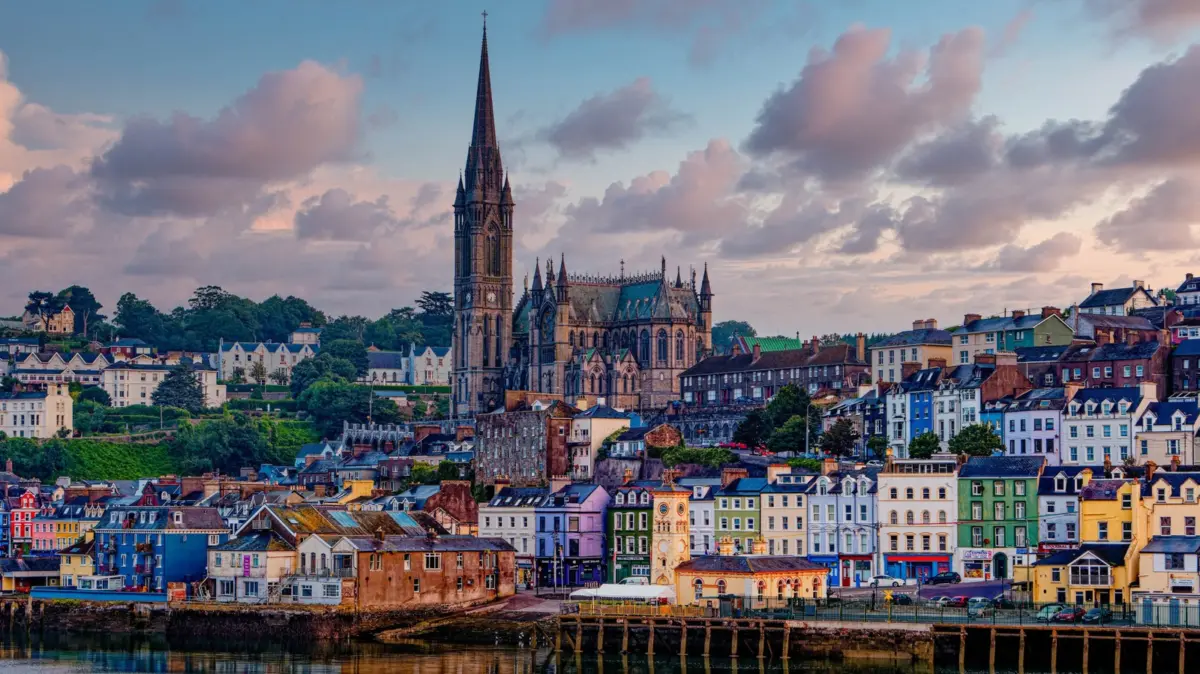
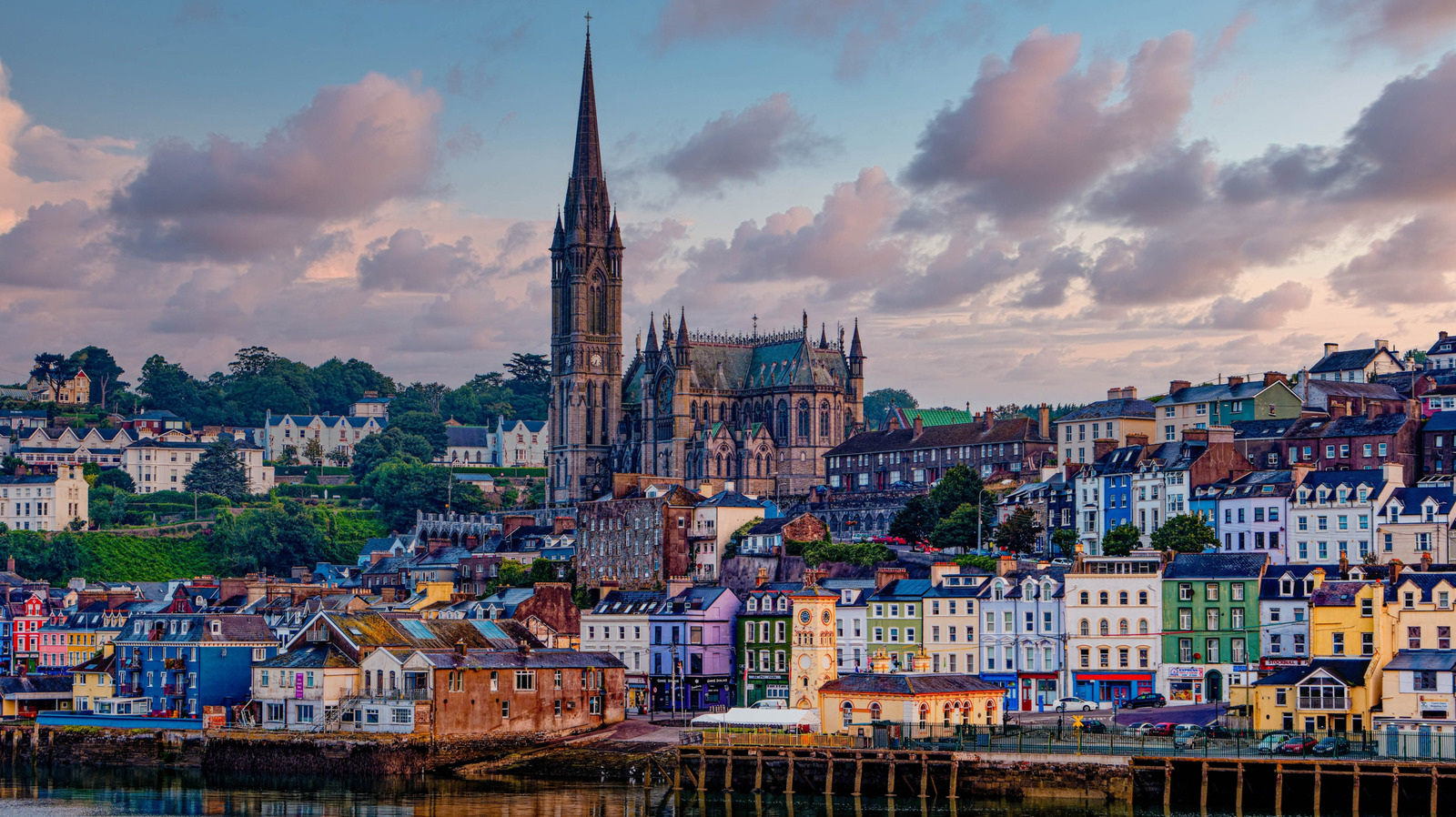
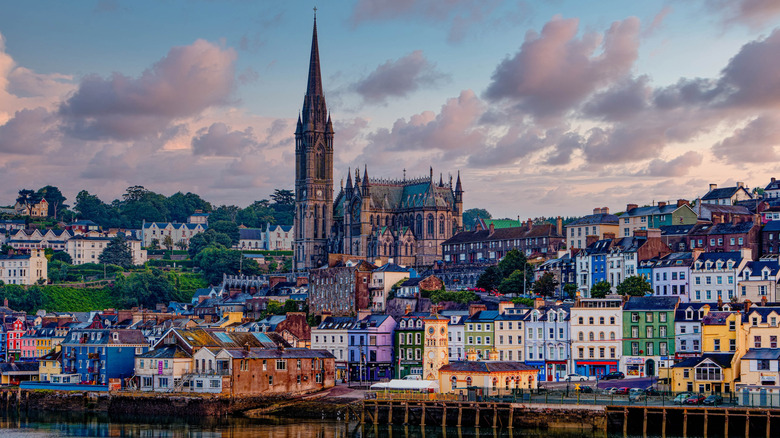
Nestled along the sweeping curves of County Cork on Ireland’s southern coast lies Cobh (pronounced cove), a vibrant harbor town whose historical significance stretches far beyond its picturesque aesthetic. While modern travelers flock to its shores for its candy-colored streetscapes, dramatic Gothic architecture, and sweeping maritime vistas, the town remains permanently etched in global history as the final port of call for the RMS Titanic.
In April 1912, then known as Queenstown, the port served as the gateway for 123 predominantly third-class passengers who boarded the ill-fated ocean liner in pursuit of a new life across the Atlantic. Just days later, the tragedy of the Titanic claimed the lives of 79 of those emigrants, forever binding the town’s identity to the memory of the maritime disaster.
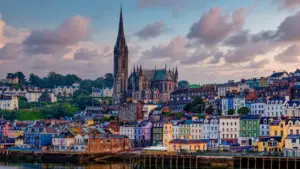
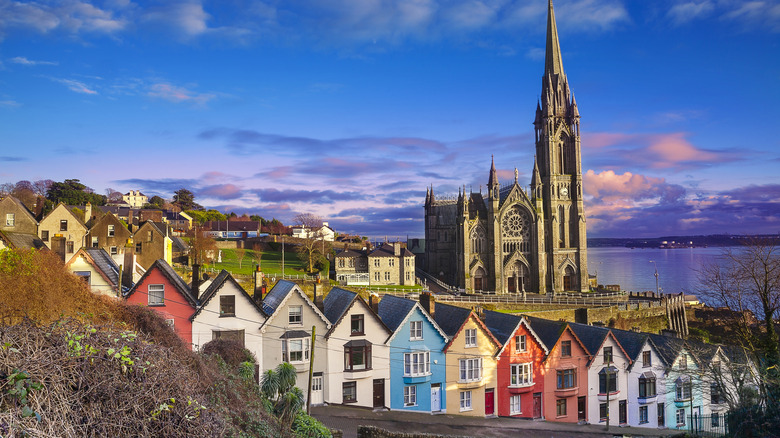
Yet, to define Cobh solely by its tragic historical footnote is to overlook a rich, multifaceted destination. Boasting a population of approximately 15,000, the town sits proudly on one of the world’s largest natural harbors. It has successfully transitioned from a melancholic point of mass emigration into a thriving cultural and tourist hub. From the cascading brilliance of the "Deck of Cards" houses on West View to the soaring spires of St. Colman’s Cathedral and the dark, compelling history of neighboring Spike Island, Cobh offers a seamless blend of historical gravity and modern coastal charm. Positioned conveniently near the gateway of Cork and within easy reach of the Wild Atlantic Way, Cobh stands as an essential pilgrimage site for history enthusiasts, architectural admirers, and travelers seeking an authentic Irish coastal experience.
Detailed Chronology
To fully understand Cobh, one must trace its evolution through centuries of maritime dominance, political upheaval, and economic transformation. The timeline of the harbor town is a microcosm of Ireland’s broader national story—marked by strategic naval importance, mass displacement, and architectural triumph.
1. Pre-19th Century: From Fishing Village to Strategic Harbor
For centuries, the area now known as Cobh was little more than a quiet cluster of fishing settlements surrounding the Great Island in Cork Harbor. However, the sheer scale and natural defensibility of the harbor did not go unnoticed by the British Crown. Recognizing its prime geographic position as a gateway to the Atlantic Ocean, the British military established fortifications and naval installments across the harbor islands, most notably on Haulbowline Island. The waters became a vital staging ground for the Royal Navy, laying the groundwork for the area’s rapid urbanization during the Napoleonic Wars.
2. The Mid-to-Late 19th Century: Queenstown and Mass Emigration
In 1849, Queen Victoria visited the harbor town, prompting local authorities to rename it Queenstown in her honor. Tragically, this era coincided with the Great Famine (1845–1852) and its devastating aftermath. Queenstown quickly transformed into the premier embarkation point for hundreds of thousands of Irish citizens fleeing poverty, starvation, and political oppression. Ships packed with emigrants departed the harbor daily, bound for North America, Australia, and beyond. The piers buzzed with tearful farewells, earning the harbor a complex legacy as both a door to opportunity and a portal of heartbreaking separation.
3. The 1912 Titanic Tragedy: The Final Port of Call
On April 11, 1912, the RMS Titanic—then the largest and most luxurious moving object ever created by human hands—anchored outside Queenstown harbor. Unable to fit inside the shallow quays, the ship relied on tenders, the Ireland and the America, to ferry passengers and mail out to the ocean liner.

- The Passengers: Exactly 123 passengers boarded the Titanic at Queenstown, the vast majority traveling in third-class accommodations, hoping to build prosperous futures in the United States. Seven passengers disembarked.
- The Aftermath: Less than a week later, the ship struck an iceberg in the North Atlantic and sank. Of the Queenstown boarders, 79 perished in the freezing waters. The news plunged the town into mourning, cementing Queenstown’s status as the final earthly footprint of the doomed vessel.
4. 1920–Present: Renaming to Cobh and Post-Colonial Rebirth
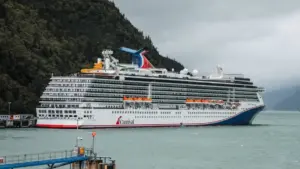
Following the establishment of the Irish Free State, the town dropped its British moniker and officially reverted to its ancient Gaelic-derived name, Cobh, in 1920. Throughout the 20th century, as transatlantic ocean liners were gradually replaced by commercial aviation, Cobh lost its status as a major passenger port. However, the decline of maritime travel forced the town to pivot. By preserving its Victorian and Edwardian architecture, investing in cultural tourism, and memorializing its complex history, Cobh successfully re-engineered its economy to welcome international travelers, cruise ships, and cultural explorers.
Supporting Context & Metrics
Understanding the scope, geography, and socio-economic dynamics of Cobh requires examining key quantitative data and structural characteristics that shape the modern town.
Geographical and Demographic Metrics
- Population: Approximately 15,000 permanent residents, a figure that swells significantly during the peak summer tourism season.
- Harbor Scale: Situated on Great Island, Cobh anchors Cork Harbor—universally recognized as one of the world’s largest and most geographically sheltered natural harbors, covering an expanse of roughly 70 square miles.
- Architectural Layout: The town is engineered into steep, sloping hillsides, creating a natural amphitheater facing the water. This topography allows for dramatic multi-tiered streetscapes, such as the famous West View terrace.
Key Historical and Cultural Sites
- The Titanic Experience Cobh: Located in the original White Star Line ticket office where passengers purchased their fares in 1912, this interactive museum traces the personal stories of the Queenstown boarders through digital ticket-boarding passes and artifact displays.
- St. Colman’s Cathedral: A masterwork of neo-Gothic architecture constructed between 1868 and 1915. It features intricate stained glass, flying buttresses, red-marble columns, and a 320-foot spire housing a 49-bell carillon—the only one of its kind in Ireland.
- Spike Island: Often dubbed "Ireland’s Alcatraz," this island fortress has served over the centuries as a 6th-century monastic settlement, an 18th-century British artillery fort, a 19th-century convict prison holding thousands of felons, and a military installation. Today, it operates as a major historical museum accessible via a short ferry ride from the Cobh waterfront.
- The Titanic Trail and Heritage Centre: Guided walking tours that unpack the socio-economic reality of 19th-century Ireland, exploring the exact steps walked by emigrants and tracing the physical footprint of maritime history across the town.
Official Statements & Expert Perspectives
Historians, local preservationists, and tourism authorities have long emphasized the delicate balance Cobh must maintain between honoring its somber past and celebrating its living community.
Dr. Fiona O’Shea, a maritime historian specializing in early 20th-century Atlantic travel, notes the unique emotional resonance of the town:
"Cobh does not merely tell a story about a ship; it tells the story of human resilience, desperation, and hope. When people stand on the waterfront looking out toward the Atlantic, they are standing at the exact precipice where millions of Irish families severed ties with their homeland. The Titanic is part of that narrative, but the broader narrative belongs to the emigrant generation whose courage built communities across the globe."
Local urban planners and tourism representatives have also stressed the importance of infrastructure maintenance, particularly regarding historic maritime assets. Speaking on the community-led initiatives to preserve local landmarks like the crumbling American Pier (constructed in 1918), municipal heritage spokespersons emphasize the ongoing duty to protect physical history:
"Our architectural landscape—from the brightly colored Victorian terraced homes to the stone remnants of our pier infrastructure—is our physical archive. Preserving these sites is essential not just for tourism, but to ensure that future generations understand the physical labor, architecture, and endurance that shaped our coast."
Future Outlook
As global tourism continues to evolve, Cobh is well-positioned to capitalize on travelers seeking authentic, walkable, and historically rich destinations away from overcrowded mega-cities. The town’s future strategy focuses on sustainable heritage tourism, infrastructure restoration, and deeper integration with Ireland’s wider tourism networks.
1. Infrastructure and Heritage Restoration
Local preservation groups continue to lobby for targeted government funding to restore decaying 20th-century maritime assets, such as the historic American Pier. Protecting these stone relics from coastal erosion ensures that walking tours can safely interpret the town’s naval and military history for decades to come. Furthermore, ongoing maintenance of St. Colman’s Cathedral guarantees that its structural integrity and iconic carillon bells will remain the spiritual and acoustic heartbeat of the town.
2. Strategic Regional Alignment
Cobh serves as a natural extension for travelers exploring the southern terminus of the Wild Atlantic Way and the bustling culinary and cultural scene of nearby Cork City (located less than 30 minutes away by rail). By strengthening public transit links and positioning itself as a premier cruise liner stopover in Europe, Cobh ensures a steady, manageable influx of international visitors.
3. Preserving Community Identity
Despite the pressures of modern commercialization, local authorities and residents remain fiercely committed to preserving the vibrant visual identity of the town—protecting the brightly painted facades of the "Deck of Cards" houses and maintaining the small-town community spirit that defines life on Great Island.
Ultimately, Cobh’s future relies on honoring its past. By keeping the memories of the Titanic passengers, the famine emigrants, and the architectural visionaries alive, the town guarantees that its legacy will endure for generations to come—not merely as a ghost port of maritime tragedy, but as a brilliant, enduring symbol of Irish coastal life.