











Executive Overview
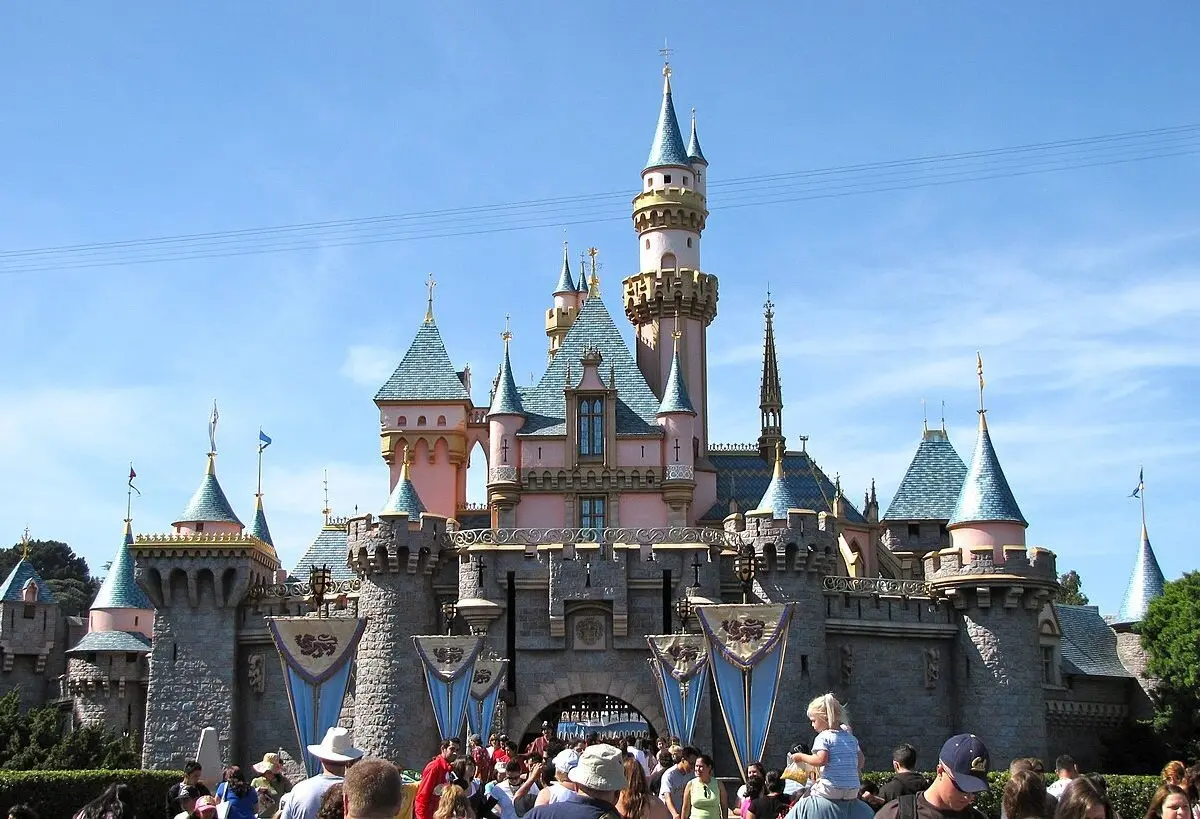
The economic architecture of the modern theme park has undergone a seismic shift over the past decade. No longer viewed merely as physical extensions of cinematic intellectual property, destinations like the Disneyland Resort in Anaheim, California, and Walt Disney World in Florida operate as sophisticated laboratories for consumer behavior, dynamic pricing, and lifetime-value customer economics.
Recent adjustments to Disney’s ticketing structures and premium add-ons have reignited a fierce global debate among vacationers, financial analysts, and tourism experts. While high-end one-day admission prices have soared by nearly 90% over the last ten years, a deeper examination reveals a nuanced strategy. Disney is not simply enacting blanket price hikes; rather, it is executing a dual-track pricing model. This approach simultaneously protects low-barrier entry points for budget-conscious families while aggressively monetizing the upper echelon of park amenities, line-skipping utilities, and peak-season access.
At the core of this strategy is a long-term commercial bet: that by preserving affordable access for first-timers and young families today, the company cultivates a generation of loyal lifelong consumers whose per-capita spending will scale alongside their personal wealth. However, as the ceiling for premium experiences continues to climb, the friction between accessibility and commercial optimization intensifies. This report investigates the mechanics of Disney’s pricing evolution, dissecting the quantitative shifts in admission costs, the strategic rationale articulated by corporate leadership, and the broader economic implications for the future of family entertainment.
Detailed Chronology: A Decade of Admission Evolution
To understand the current state of Disney’s pricing architecture, one must trace the historical trajectory of admission costs. Over the past ten years, the fiscal reality of visiting the "Happiest Place on Earth" has transformed dramatically, transitioning from a relatively flat-rate ticketing system to a hyper-segmented, date-based pricing matrix.
2014–2018: The Transition to Tiered Pricing
Historically, Disneyland relied on a straightforward single-day admission price that applied across vast swathes of the calendar. However, as demand regularly outstripped physical capacity—leading to overcrowding, extended wait times, and diminished guest satisfaction—the company needed a mechanism to smooth out attendance curves.
During the mid-2010s, Disney introduced multi-tiered date-based pricing. Days were categorized into "Value," "Regular," and "Peak" periods. This structural shift was designed to incentivize visitors to travel during historically slow periods—such as mid-week in the autumn or late January—while charging a premium for holidays, spring breaks, and summer weekends.
2019–2021: Freezing the Floor and Weathering Disruption
By 2019, the lowest-tier ticket price for Disneyland settled at $104. Remarkably, despite subsequent inflationary pressures, supply chain disruptions, and the unprecedented operational shocks of the global health crisis, this entry-level floor has remained stubbornly stable at $104.

This period also saw the implementation of more aggressive peak-day pricing, with upper-tier single-day tickets climbing past the $150 and eventually the $200 mark. When the parks reopened following pandemic-related closures, the pent-up demand for travel allowed Disney to test the elasticity of consumer spending. The rapid adoption of reservation systems and digital queuing tools provided the company with granular data on guest willingness to pay.
2022–Present: The Era of Premium Add-Ons and Strategic Bifurcation
In the post-pandemic era, Disney’s pricing strategy pivoted away from merely raising gate prices toward a model of unbundling and re-bundling park experiences. While the base ticket price for lower tiers held firm, the cost of ancillary services—such as Genie+ (later rebranded as Lightning Lane Multi Pass), individual Lightning Lane selections, parking, and in-park dining—escalated rapidly.
Furthermore, data compiled by theme park tracking outlets like Mickey Visit underscores a stark divergence: while the cheapest options have been protected to maintain accessibility, the highest-tier single-day tickets for peak holiday periods have surged by nearly 90% over the decade, climbing from $119 to an eye-watering $224. This bifurcation illustrates a deliberate corporate choice: shield the casual or lower-income visitor from the absolute lowest entry barrier while capturing maximum economic value from affluent tourists, holiday travelers, and dedicated enthusiasts.
Supporting Context & Metrics: The Economics of the "On-Ramp"
The mechanics of modern theme park economics cannot be understood through ticket prices alone. To grasp why Disney maintains a stable $104 entry point while simultaneously expanding high-margin auxiliary offerings, one must analyze the concept of Customer Lifetime Value (CLV).
The Mathematics of the Family On-Ramp
According to financial analyses and commentary from corporate executives, theme park operators view young families and first-time visitors not as transactional one-off customers, but as investments in a decades-long consumer relationship.
If a young family is priced out of their very first visit due to exorbitant baseline costs, Disney loses out on an entire lifecycle of brand affinity. That family will not buy merchandise, will not subscribe to Disney+, will not purchase cinematic tickets, and will certainly not return as their children grow older or as their household disposable income increases.
By keeping the baseline price at $104—available on select off-peak weekdays—Disney preserves an operational "on-ramp." This allows budget-conscious parents to introduce their toddlers to the magic of Mickey Mouse without breaking the bank. Once hooked on the emotional resonance of the park experience, these consumers are far more likely to absorb subsequent price increases, upgrade to multi-day passes, stay at higher-priced on-property hotels, and purchase premium merchandise as their financial circumstances improve over time.
The Surge in Premium Add-Ons
While the base ticket remains a protected species, the monetization of the park experience has shifted downstream into the park itself. The introduction of digital queue-management tools has created a two-tiered operational reality inside the turnstiles:
- The Traditional Path: Relying on standby lines, which can stretch upwards of 120 to 180 minutes for premier attractions like Star Wars: Rise of the Resistance or Radiator Springs Racers.
- The Accelerated Path: Utilizing paid Lightning Lane passes, which allow guests to bypass standard queues for an additional daily fee per person.
When factoring in the compounding costs of these digital add-ons, parking fees that frequently exceed $30 per day, and food and beverage inflation, the actual per-person daily expenditure inside the resort is significantly higher than the face value of the admission ticket. This shift moves the revenue engine away from pure gate collection and toward dynamic, in-park consumption.
Official Statements and Corporate Strategy
Corporate transparency regarding pricing strategies is rare in the hospitality and entertainment sector, making recent executive commentary particularly revealing. At a Goldman Sachs financial conference held last month, Walt Disney Company Chief Financial Officer Hugh Johnston offered candid insights into the company’s pricing philosophy.
Navigating Consumer Sensitivity
Addressing institutional investors, Johnston acknowledged that management is "acutely sensitive" to how price adjustments are perceived by the public. In an era marked by broader macroeconomic pressures, consumer confidence fluctuations, and cost-of-living concerns, heavy-handed pricing can quickly trigger reputational backlash and suppress attendance volumes.
"Pricing is something we are acutely sensitive to," Johnston stated during the conference. "We want to build an on-ramp for young families who will continue to visit as their wealth builds over time."
This statement encapsulates the dual mandate under which the Parks, Experiences and Products division operates. On one hand, executives must deliver consistent, margin-expanding revenue growth to satisfy Wall Street shareholders. On the other hand, they must safeguard the cultural equity and emotional accessibility of the brand. If Disney parks become exclusively accessible to the ultra-wealthy, the company risks hollowing out the cultural foundation that feeds its broader media ecosystem.
The Local Resident Balancing Act
To balance these competing pressures, Disneyland has increasingly turned to localized promotional structures. Recognizing that domestic and regional visitors form the operational backbone of the resort during non-peak seasons, Disneyland regularly rolls out targeted discount programs. These include multi-day ticket offers explicitly restricted to Southern California residents, as well as evening-only ticket options designed for local workers who wish to visit the parks after standard business hours at a reduced rate.
These targeted interventions allow Disney to manage capacity dynamically. By filling empty turnstiles on a Tuesday night with local passholders or discounted ticket-holders, the resort maximizes food, beverage, and merchandise revenue without displacing higher-paying multi-day destination tourists scheduled for weekend visits.
Future Outlook: The Next Decade of Theme Park Hospitality
As the experiential economy continues to evolve, the strategic positioning of destination resorts like Disneyland will face new pressures and opportunities. Several critical vectors will define the trajectory of Disney’s pricing and operational models in the years ahead.
1. Technological Integration and Hyper-Personalization
The future of theme park pricing will likely move beyond simple calendar-based tiers toward hyper-personalized, AI-driven dynamic pricing models. Leveraging data from mobile apps, reservation histories, and digital interactions, operators may soon offer customized pricing packages tailored to specific consumer segments. While this maximizes yield management for the corporation, it will also require careful navigation to avoid alienating consumers who perceive algorithmic pricing as opaque or unfair.
2. Capacity Constraints and Physical Expansion
A fundamental driver of rising ticket prices is the finite physical footprint of the original Disneyland Resort in Anaheim. Unlike Walt Disney World in Florida, which boasts vast acreage capable of absorbing millions of additional visitors and accommodating expansive new themed lands, Disneyland is geographically constrained. With limited room for horizontal expansion, managing crowd density necessitates using price as a rationing mechanism. Unless major capital investments unlock new capacity—such as the long-rumored "DisneylandForward" municipal approvals—price increases will remain a primary tool for balancing supply and demand.
3. The Socioeconomic Tightrope
Ultimately, Disney’s greatest challenge over the coming decade will be maintaining the delicate balance between commercial optimization and inclusive storytelling. The brand has historically positioned itself as a universal touchstone of childhood joy. If the financial threshold for experiencing that joy rises beyond the reach of the median American family, the cultural resonance of the parks may begin to fray.
By maintaining the $104 entry-level floor and experimenting with localized discounts, Disney has signaled an awareness of this precipice. However, as premium add-ons become virtually essential for an optimal guest experience, the true cost of a magical vacation continues to creep upward. Whether the next generation of consumers will willingly step onto Disney’s carefully engineered financial "on-ramp"—and whether those prices will ultimately lock them out or lock them in—will define the commercial success of the magic kingdom for decades to come.


