











Executive Overview
Indianapolis is a metropolis universally recognized for high-octane engineering marvels, roaring crowds, and the world-famous spectacle of the Indianapolis 500. Yet, beneath the veneer of urban hustle and motorsport culture lies a quieter, deeply verdant landscape that offers a profound counter-balance to city life. For travelers and residents seeking respite from the concrete grid, the northern edge of Indiana’s capital holds a well-kept secret: the Marott Woods Nature Preserve.
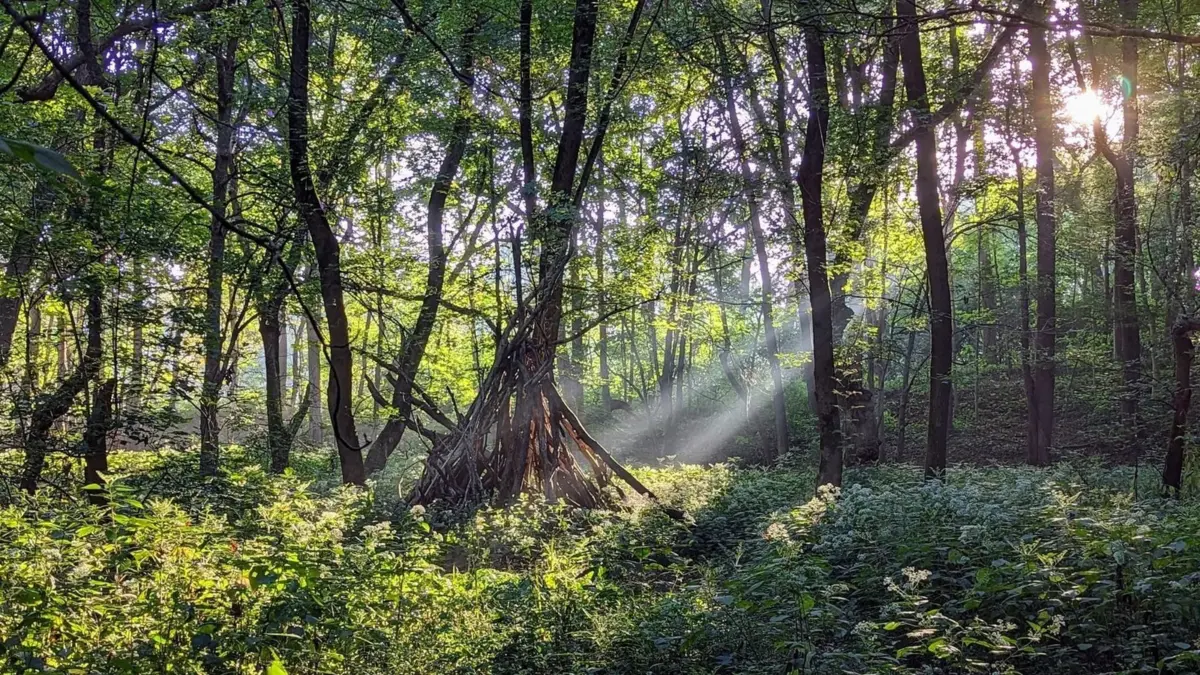
Spanning 102 acres of second-growth forest, meandering riverbanks, and thriving wildlife habitats, this designated preserve is a masterclass in urban conservation. Far from a manicured recreational park, Marott Woods functions as an ecological sanctuary designed to protect native flora and fauna while offering human visitors a tranquil immersion into the natural world. From its origins as a philanthropic gift in the mid-20th century to its modern status as a premier destination for birdwatchers, hikers, and naturalists, Marott Woods represents an essential pillar of Indianapolis’s green infrastructure. This report provides an exhaustive exploration of the preserve’s history, its ecological significance, visitor logistics, and its place within the broader network of Indiana’s protected natural spaces.
Detailed Chronology
Understanding the current ecological and structural state of Marott Woods Nature Preserve requires examining the historical milestones that shaped the land over the past century.
- 1945: Prominent Indianapolis businessman and civic philanthropist George Marott acquires and subsequently donates an initial tract of land to the city. Originally dubbed the Ella P. Marott Park in honor of his late wife, the initial donation comprises approximately 87 acres of forested land along the White River corridor.
- Mid-to-Late 20th Century: The landscape undergoes significant ecological shifts. The original old-growth forest, having suffered historical impacts from early agricultural clearing and widespread devastation from Dutch Elm disease, transitions into a vibrant second-growth forest. Canopy gaps are rapidly filled by resilient native hardwoods, establishing the complex multi-tiered ecosystem visible today.
- 1987: Recognizing the critical need to safeguard the property’s unique biodiversity from encroaching urban development, municipal authorities formally re-designate and dedicate the property as a "nature preserve." This administrative shift prioritizes ecological preservation over recreational infrastructure, establishing strict management guidelines.
- Late 20th to Early 21st Century: Through strategic acquisitions and land consolidation, the preserve expands its footprint from the original 87 acres to its current total of 102 acres. Trails are formalized, though kept deliberately unpaved to minimize ecological disruption, and conservation partnerships are forged with local ornithological and environmental groups.
- Present Day: Marott Woods operates under the auspices of Indianapolis Parks and Recreation as a premier urban sanctuary. It stands as a vital living laboratory for environmental education, birdwatching, and low-impact outdoor recreation, maintaining its delicate balance between public accessibility and strict conservation mandates.
Supporting Context & Metrics
To fully appreciate the scope of Marott Woods Nature Preserve, one must analyze the specific metrics, geographical attributes, and biological data that define its environment.
Ecological Framework and Geography
Unlike urban parks characterized by open lawns, athletic fields, and asphalt walking tracks, Marott Woods is defined by its wild, untamed characteristics.
- Acreage: Spans precisely 102 protected acres along the northern perimeter of Indianapolis.
- Forest Composition: Classified as a second-growth deciduous forest featuring a robust canopy of mature hardwoods. Many of these trees rank among the oldest specimens in Marion County, providing deep shade and critical nesting zones.
- Hydrological Features: The preserve is heavily influenced by its proximity to the White River. Meandering tributaries, including Roaring Brook, cut through the terrain, creating ideal micro-climates for amphibians, wetland vegetation, and riparian wildlife.
Trail Systems and Accessibility Metrics
The preserve features three distinct, unpaved walking paths rated as generally easy, though they incorporate natural obstacles such as exposed tree roots, uneven terrain, occasional staircases, and steep embankment sections.
- Blickman Education Trail: The longest route in the preserve, stretching approximately 3 miles. This trail loops through diverse sections of the forest, offering immersive views of mature timber stands and direct access to aquatic habitats.
- Secondary and Tertiary Paths: Two shorter interconnected trails allow visitors to complete condensed loops while still experiencing the interior depths of the woods and the soothing sounds of the White River.
- River Crossings: A dedicated pedestrian bridge spans sections of the waterway, allowing visitors to traverse the floodplain safely while taking in panoramic vistas of the surrounding riverbank.
Avian and Wildlife Diversity
Marott Woods is internationally and regionally recognized as a biodiversity hotspot, particularly for ornithology enthusiasts.

- Avian Species Count: More than 150 distinct bird species have been documented within the boundaries of the preserve.
- Resident vs. Migratory Populations: Year-round residents include the Pileated Woodpecker and the Brown Creeper. Seasonal and migratory visitors—such as the Northern Parula, Acadian Flycatcher, Yellow-throated Warbler, various cuckoos, and orioles—utilize the preserve as a critical stopover during spring and autumn migrations along the Mississippi and White River flyways.
- Herpetofauna and Mammals: The ecosystem supports healthy populations of white-tailed deer, foxes, various turtle and lizard species, northern water snakes, American toads, spring peepers, several species of salamanders, and diverse aquatic life within the streams.
Official Statements & Conservation Philosophy
The operational ethos governing Marott Woods Nature Preserve centers on a strict adherence to conservation science and municipal environmental stewardship.
According to representatives from Indianapolis Parks and Recreation, the transition from "park" to "nature preserve" was far more than a semantic rebranding; it represented a fundamental policy pivot. "A traditional park is engineered for human recreation, community gatherings, and active play," notes municipal park planning documentation. "A nature preserve, conversely, is an ecological trust. Our primary obligation at Marott Woods is to safeguard the integrity of the soil, protect the native canopy, minimize human-induced erosion, and provide a sanctuary where indigenous flora and fauna can complete their life cycles undisturbed by urban pressures."
This philosophy directly informs the infrastructure choices within the 102-acre boundary. For instance, cycling is strictly prohibited on all trails within the preserve to prevent soil compaction, root damage, and high-speed conflicts with pedestrians and wildlife. Furthermore, all trail maintenance is conducted with minimal heavy machinery to preserve the natural contours of the landscape.
Local conservation groups, including the Bird Alliance of Central Indiana, frequently emphasize the regional importance of preserving tracts like Marott Woods amidst rapidly expanding suburban and urban developments. In field reports and educational outreach statements, ornithologists stress that urban forest patches act as vital "stepping stones" for migratory wildlife. Without these protected green corridors traversing metropolitan Indianapolis, migratory birds and terrestrial mammals would face insurmountable barriers of asphalt and industrial infrastructure during seasonal shifts.
Future Outlook
As Indianapolis continues to experience commercial growth and population expansion, the pressure on surrounding green spaces intensifies. The long-term outlook for Marott Woods Nature Preserve hinges on proactive urban planning, rigorous ecological management, and community engagement.
Invasive Species Mitigation and Canopy Health
One of the most pressing challenges facing second-growth forests in the Midwest is the aggressive spread of invasive plant species—such as Amur honeysuckle, garlic mustard, and wintercreeper—which threaten to choke out native wildflowers and prevent hardwood regeneration. Future management initiatives by Indianapolis Parks and Recreation will increasingly rely on targeted removal programs, controlled burns where appropriate, and volunteer-led restoration efforts to ensure the long-term vitality of the understory.
Climate Resilience and Watershed Protection
As regional weather patterns shift toward heavier, more erratic precipitation events, urban river corridors face heightened risks of severe bank erosion and flash flooding. The White River watershed running adjacent to Marott Woods will require ongoing hydrological monitoring. Preserving the natural vegetation buffers along Roaring Brook and the river is critical not only for wildlife habitat protection, but also for stabilizing soils and filtering urban runoff before it enters the municipal water supply.
Balancing Access and Preservation
Looking ahead, municipal planners face the ongoing challenge of balancing public access with uncompromising conservation. While initiatives like the Bird Alliance of Central Indiana’s guided hikes and educational programming foster a deep public appreciation for nature, visitor capacities must be carefully managed. Limited parking infrastructure at the College Avenue and 75th Street trailheads naturally functions as a cap on daily visitor volume, a feature that conservationists view as a positive constraint protecting the interior peace of the woods.
Ultimately, Marott Woods Nature Preserve stands as a testament to visionary mid-century philanthropy and modern ecological stewardship. It proves that a major metropolitan area does not have to sacrifice its natural heritage at the altar of industrial and urban development. For the traveler weary of city noise or the local resident seeking the timeless solace of a forest canopy, Marott Woods remains an irreplaceable sanctuary—a quiet, breathing wilderness seamlessly woven into the heart of Indiana.


